How Strong Is Vinyl Railing? 5 Ways to Improve Strength and Durability
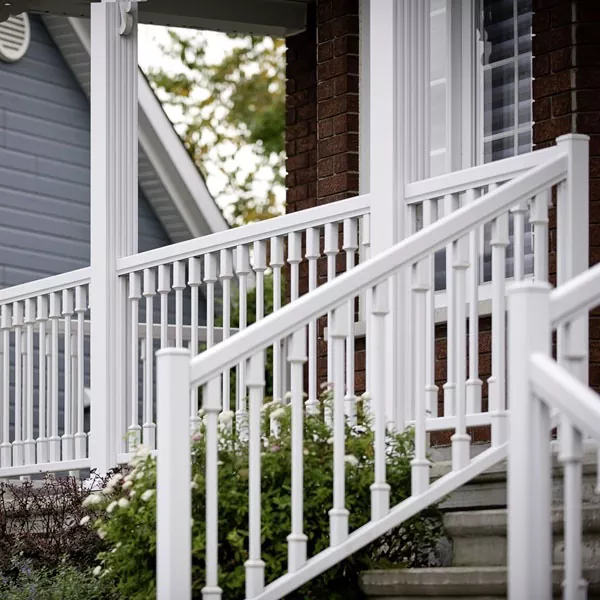
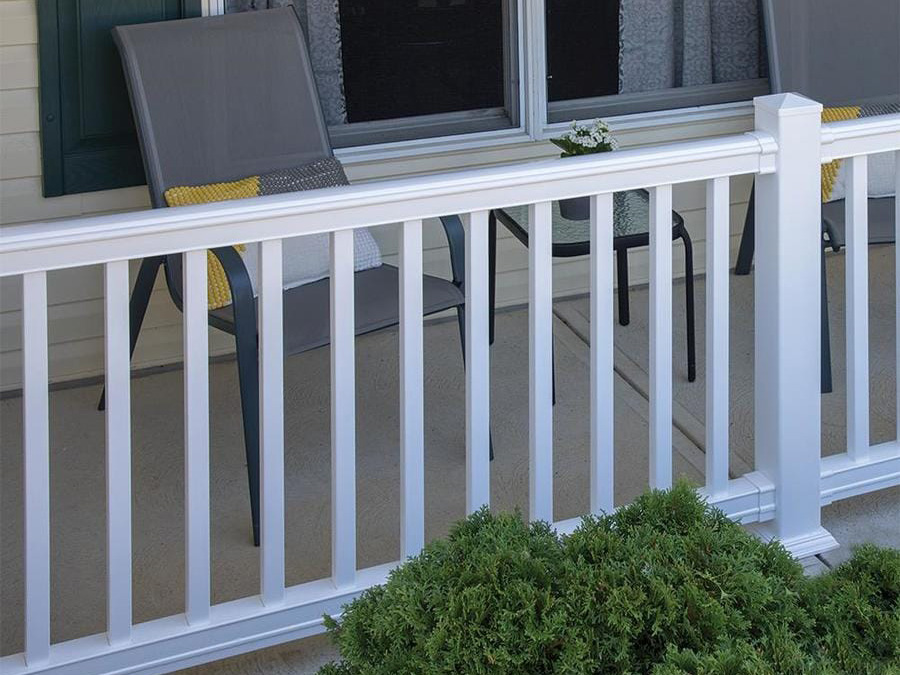
Vinyl railing has become one of the most popular railing solutions for residential and commercial outdoor projects. Whether installed on decks, porches, balconies, stairs, or waterfront properties, modern vinyl railing systems are valued for their clean appearance, low maintenance requirements, and long service life.
However, many buyers still ask the same question before making a purchase:
How strong is vinyl railing?
The answer depends on much more than the vinyl material itself. The strength of a vinyl railing system is determined by structural design, internal reinforcement, profile engineering, installation quality, and compliance with building codes.
In this guide, Vionta Metal will explain exactly how vinyl railing achieves its strength, what factors affect performance, and how to choose a durable vinyl railing system for long-term outdoor use.
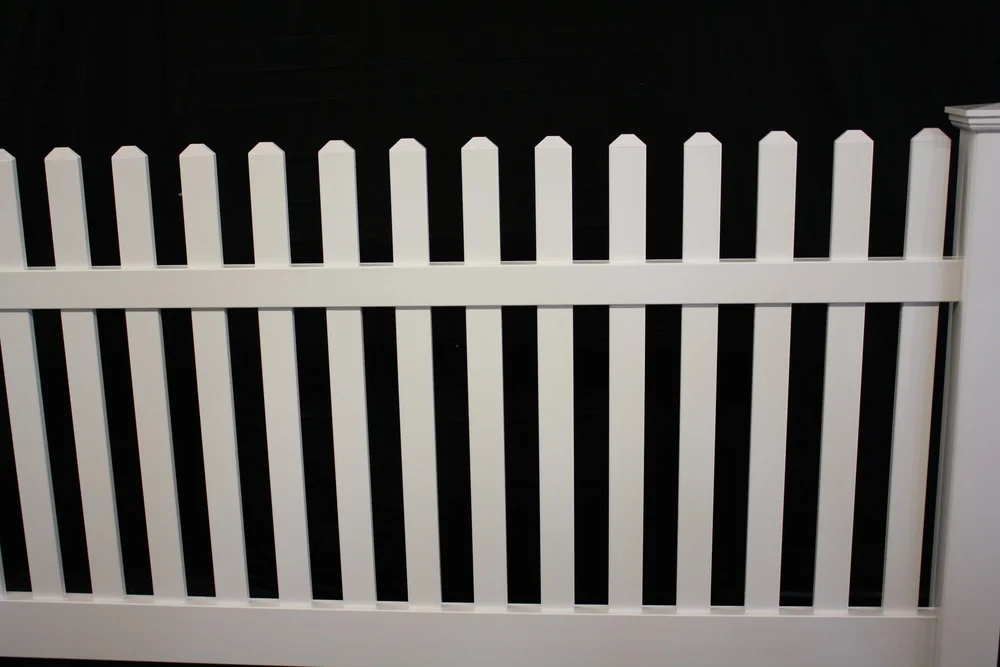
Table of Contents
- What Is Vinyl Railing?
- Why Vinyl Railing Needs Reinforcement
- Is Vinyl Railing Strong Enough for a Deck?
- 5 Ways to Improve Vinyl Railing Strength
- Can Vinyl Railing Withstand High Winds?
- Vinyl Railing vs Wood Railing
- Common Mistakes Buyers Make
- How to Choose a Strong Vinyl Railing System
- FAQ
What Is Vinyl Railing?
Vinyl railing is an outdoor railing system manufactured primarily from PVC (polyvinyl chloride) compounds formulated for exterior applications.
Unlike traditional wood railings that require painting and staining, vinyl railing offers:
- Excellent moisture resistance
- UV resistance
- Low maintenance requirements
- Corrosion resistance
- Long-term color stability
- Clean and modern aesthetics
Because of these benefits, vinyl railing has become a preferred choice for homeowners, contractors, property developers, distributors, and building material suppliers throughout North America.
Why Vinyl Railing Needs Reinforcement
Although vinyl is durable and weather-resistant, it is naturally less rigid than structural metals such as aluminum or steel.
Without reinforcement, vinyl profiles may:
- Flex under heavy loads
- Show excessive movement
- Become less stable in highwind areas
- Experience long-term deformation
This is why premium vinyl railing systems incorporate engineering enhancements that dramatically improve strength and rigidity.
Important: The strongest vinyl railing systems do not rely solely
on PVC material. They combine vinyl's weather resistance with internal structural reinforcement.
Is Vinyl Railing Strong Enough for a Deck?
Yes. Properly engineered vinyl deck railing systems can easily meet residential and commercial building code requirements.
Most high-quality vinyl railing products are tested to comply with applicable load standards and safety requirements.
Modern reinforced vinyl railing systems can provide:
- Excellent structural stability
- Reliable guardrail protection
- Long-term performance in outdoor environments
- Resistance to everyday impact loads
The key factor is not simply the vinyl material itself but the complete railing system design.
5 Ways to Improve Vinyl Railing Strength
1. Add Internal Aluminum Reinforcement
Internal reinforcement is the most effective method for improving vinyl railing strength.
Premium manufacturers commonly install:
- Aluminum inserts inside top rails
- Reinforced aluminum post cores
- Structural metal supports
Benefits include:
- Reduced flexing
- Improved load-bearing capacity
- Enhanced wind resistance
- Longer service life
2. Optimize Wall Thickness
The thickness of vinyl profiles contributes significantly to overall strength.
| Application | Recommended Profile Quality |
|---|---|
| Residential Decks | Heavy-duty wall construction |
| Commercial Projects | Reinforced structural profiles |
| Coastal Areas | Reinforced plus aluminum inserts |
Thicker walls help improve impact resistance and reduce movement.
3. Use Multi-Chamber Structural Profiles
Advanced vinyl railing systems often feature multi-chamber designs.
These profiles:
- Distribute loads more evenly
- Increase rigidity
- Reduce material stress
- Improve long-term durability
4. Control Post Spacing
Post spacing directly influences railing performance.
| Environment | Recommended Post Spacing |
|---|---|
| Standard Residential | ≤ 1.2 m |
| High-Wind Regions | ≤ 1.0 m |
| Coastal Installations | ≤ 1.0 m |
Reducing post spacing increases stability and minimizes movement.
5. Ensure Proper Installation
Even the strongest vinyl railing system can fail if installed incorrectly.
Best practices include:
- Secure post anchoring
- Proper blocking beneath deck surfaces
- High-quality hardware
- Compliance with local building codes
Professional installation significantly improves long-term performance.
Can Vinyl Railing Withstand High Winds?
Yes. Reinforced vinyl railing systems can perform exceptionally well in high-wind conditions when designed correctly.
For coastal and hurricane-prone regions, manufacturers typically recommend:
- Aluminum-reinforced rails
- Heavy-duty mounting systems
- Reduced post spacing
- Engineered structural posts
Many modern vinyl railing systems are successfully installed in coastal communities where salt exposure, humidity, and strong winds are common.
Vinyl Railing vs Wood Railing: Which Is Stronger?
| Feature | Vinyl Railing | Wood Railing |
|---|---|---|
| Rot Resistance | Excellent | Poor |
| Moisture Resistance | Excellent | Moderate |
| Maintenance | Low | High |
| Color Stability | Excellent | Requires Maintenance |
| Lifespan | 20+ Years | 10-15 Years |
| Long-Term Structural Stability | Excellent (Reinforced) | Can Warp or Crack |
While untreated wood may initially feel more rigid, reinforced vinyl railing generally provides superior long-term durability because it resists moisture, rot, insects, and weather-related deterioration.
Common Mistakes Buyers Make
- Choosing based solely on price
- Ignoring reinforcement details
- Overlooking installation quality
- Using non-engineered products in high-wind zones
- Failing to verify code compliance
A strong vinyl railing system is the result of engineering, not appearance alone.
How to Choose a Strong Vinyl Railing System
Before purchasing vinyl railing, evaluate:
- Whether aluminum reinforcement is included
- Profile wall thickness
- Post construction design
- Wind load performance
- Warranty coverage
- Manufacturer experience
Choosing a supplier with proven project experience can significantly reduce installation risks and improve long-term satisfaction.
Need a Custom Vinyl Railing Solution?
Vionta specializes in manufacturing durable vinyl railing systems for residential, commercial, and distributor projects worldwide.
- OEM & ODM Manufacturing
- Custom Designs & Colors
- Aluminum Reinforced Structures
- Bulk Supply for Distributors
- Global Export Experience
Contact our team today to discuss your project requirements and receive a customized quotation.
Frequently Asked Questions About Vinyl Railing
Is vinyl railing strong enough for decks?
Yes. Reinforced vinyl railing systems are designed to meet building code requirements and provide long-term structural performance.
Does vinyl railing become brittle over time?
High-quality vinyl railing contains UV stabilizers and impact modifiers that help prevent brittleness and cracking.
Can vinyl railing withstand strong winds?
Yes. Properly reinforced systems with aluminum inserts and secure installation can perform well in high-wind environments.
How long does vinyl railing last?
Premium vinyl railing systems commonly last 20 years or more with minimal maintenance.
Is vinyl railing better than wood?
For most outdoor applications, vinyl railing offers superior resistance to moisture, insects, rot, and weathering while requiring significantly less maintenance.
Conclusion
Vinyl railing is much stronger than many buyers initially assume. When engineered with aluminum reinforcement, optimized structural profiles, and proper installation methods, modern vinyl railing systems provide excellent durability, safety, and long-term performance.
Whether you are sourcing railing products for residential decks, commercial properties, or distribution projects, choosing a reinforced vinyl railing system is one of the most effective ways to ensure lasting value and customer satisfaction.
Related News
- Why Stainless Cable Railing Shines in Winter?
- How Can a Snow Load Aluminum Pergola Deliver Reliable Year-Round Outdoor Protection
- What Awning Fabric and Frame Options Are Available?
- Is Glass Railing Safe for Balconies and Terraces?
- What Makes Stainless Steel the Ideal Material for Outdoor Railings?
- Are Jalousie Windows Easy to Break Into?
Leave me a message