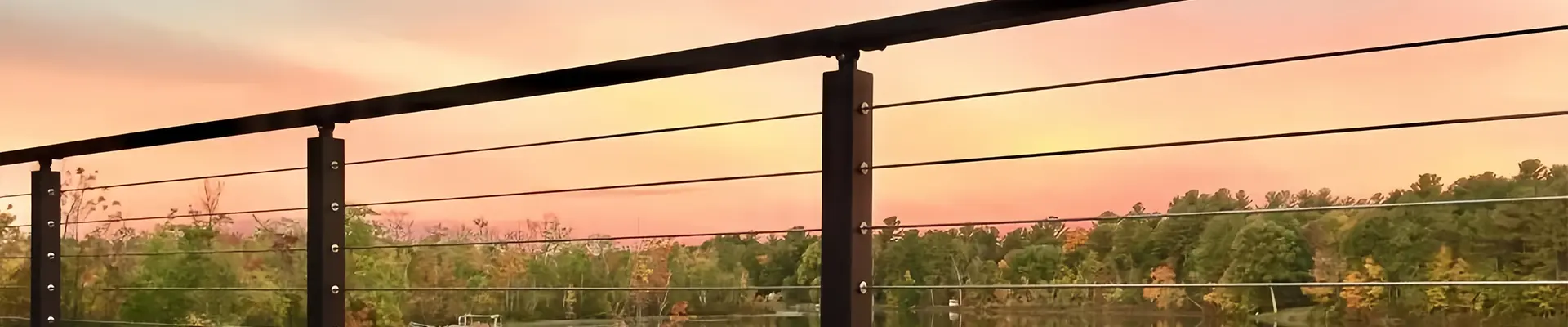
Outdoor structural balustrades face constant exposure to ultraviolet radiation, rain, temperature fluctuations, and airborne salts. Selecting the right metal alloy determines whether a deck, balcony, or walkway barrier maintains structural integrity over decades or succumbs to rust and joint failure. Stainless steel remains the standard specified by structural engineers and commercial architects. At Vionta Metal, our engineering team manufactures custom architectural railing systems that meet strict international building safety codes.
Table of Contents
- Why Choose Stainless Steel for Outdoor Railing Systems?
- What Are the Metallurgy Differences Between 304 and 316 Grades?
- How Do Stainless Steel Railing Options Compare to Wood, Aluminum, and Iron?
- How Can You Design Outdoor Railings for Maximum Structural Safety?
- What Maintenance Practices Extend the Lifespan of Outdoor Railings?
- Frequently Asked Questions About Stainless Steel Railing Systems
Why Choose Stainless Steel for Outdoor Railing Systems?
Architects specify stainless steel for exterior applications because of its unique mechanical strength and corrosion resistance. Unlike carbon steel, which requires heavy topical paint coatings to prevent surface oxidation, stainless steel forms a self-healing passive chromium oxide film on its surface. When exposed to oxygen, this microscopically thin layer instantly reforms if scratched or abraded, protecting the underlying iron matrix from moisture and chloride penetration.
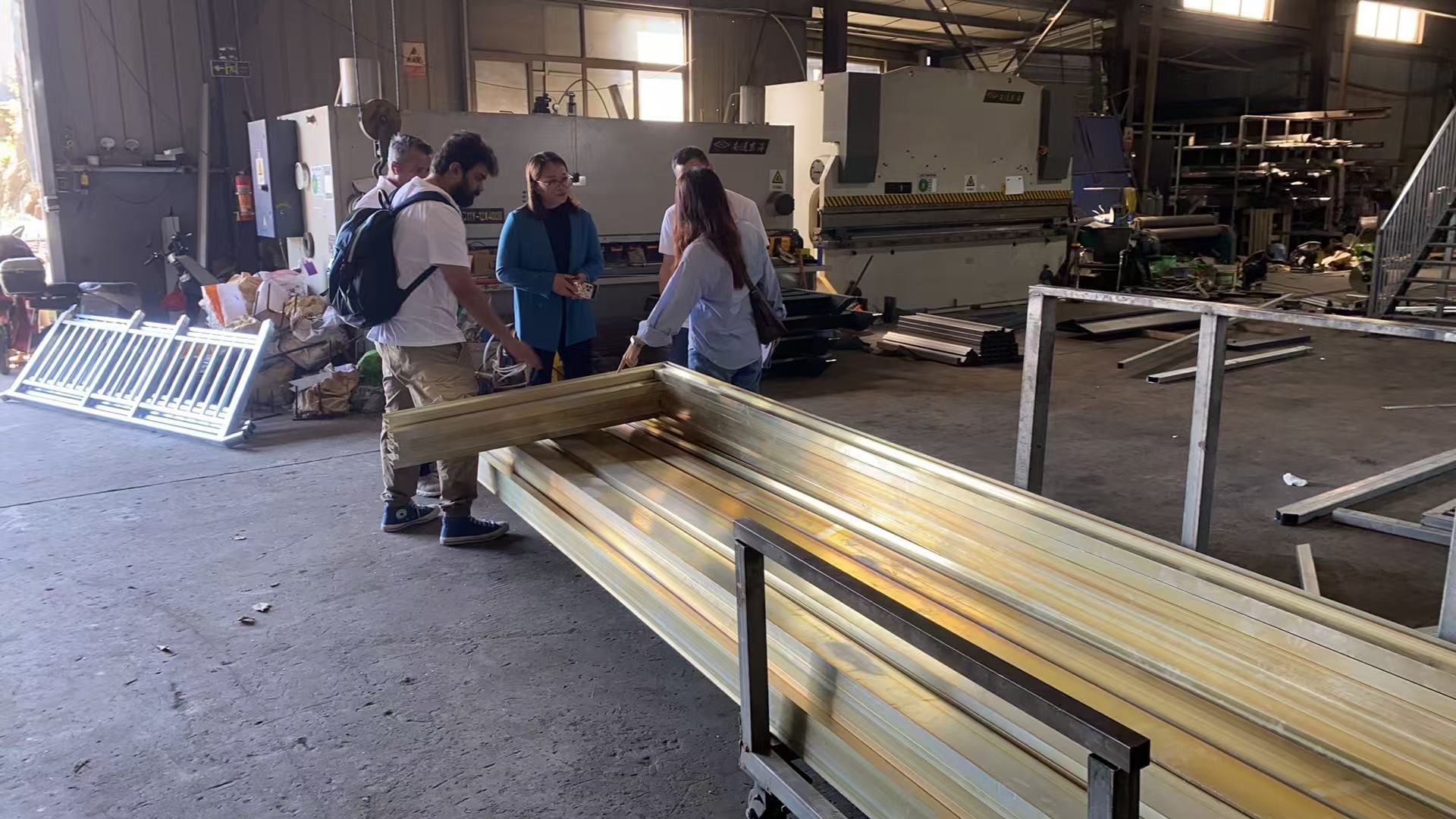
In exterior structural planning, choosing a proper outdoor railing installation involves evaluating structural load limits alongside long-term weathering factors. At Vionta Metal, our factory processes raw mill-certified steel through precise CNC laser cutting and robotic welding to ensure tight tolerances across every post and handrail fitting.
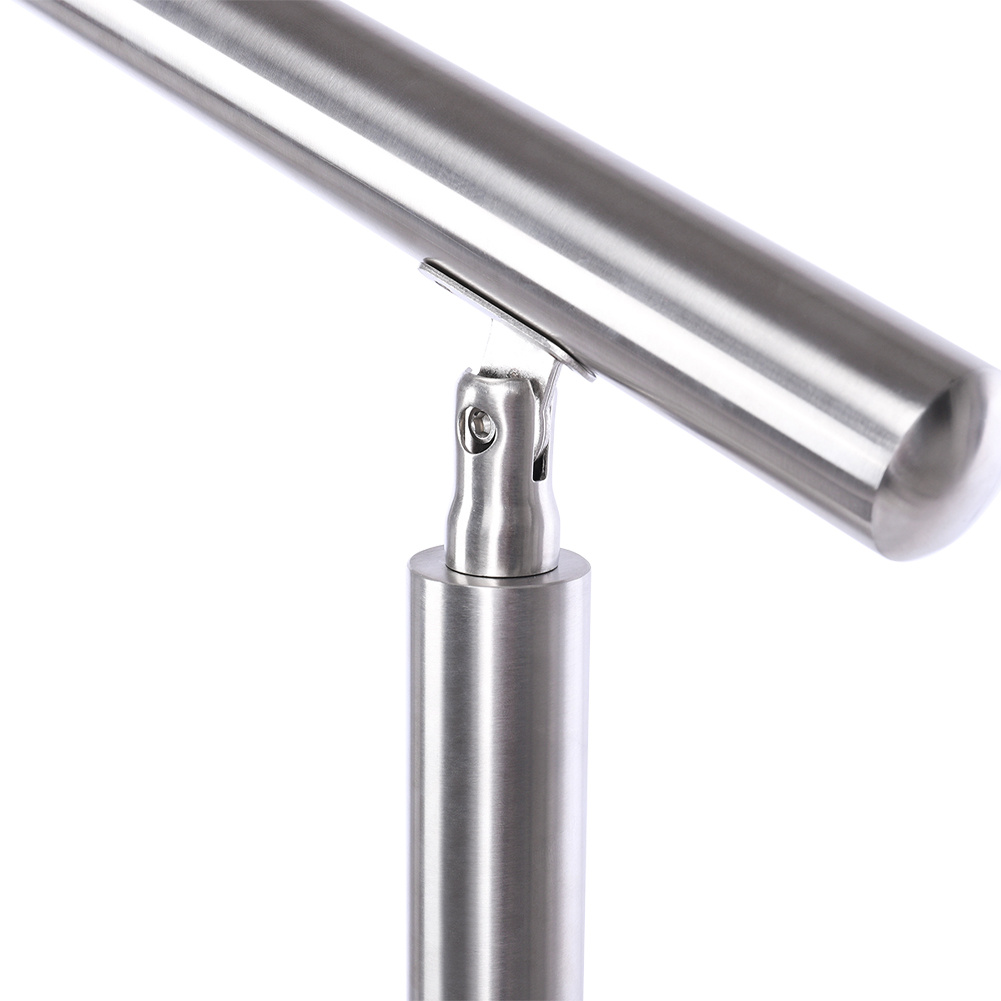
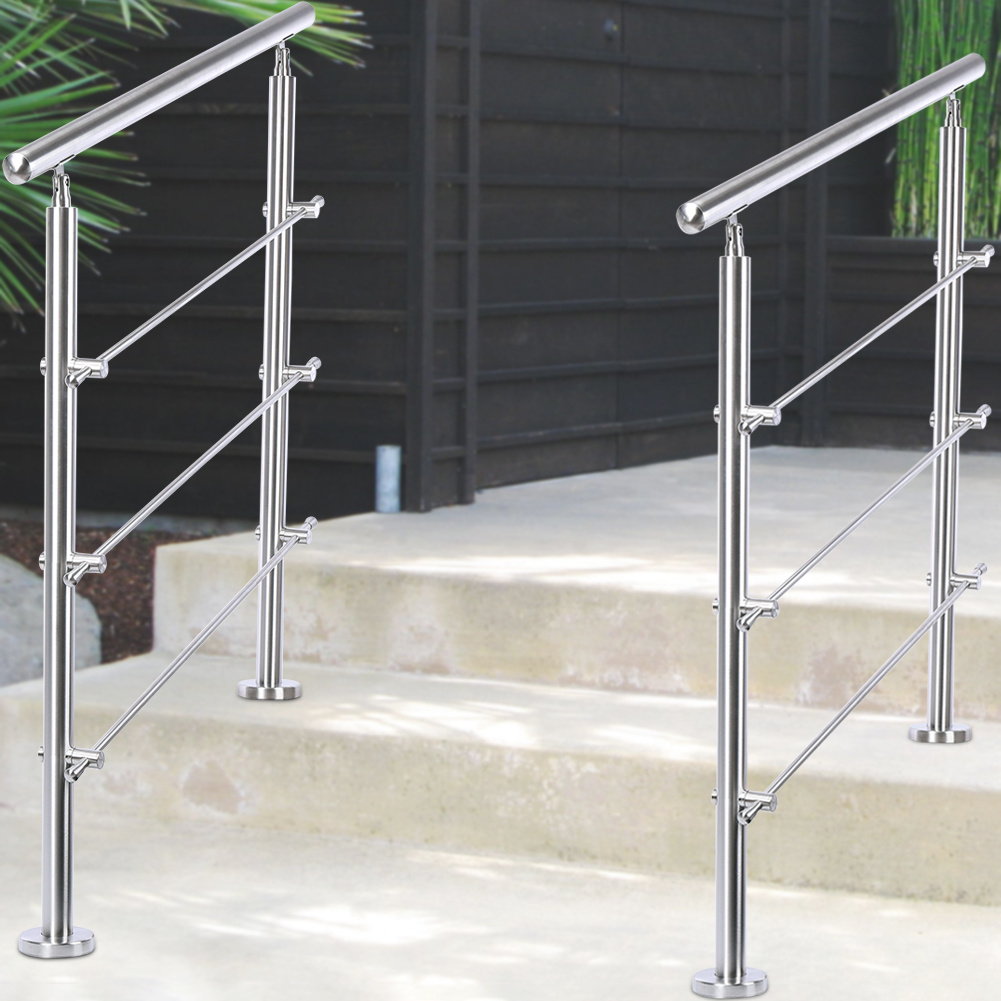
Key physical and structural advantages include:
- High Tensile Strength: Offers yield strength exceeding 200 MPa, allowing for thinner post profiles and cleaner sightlines without compromising load-bearing limits.
- Corrosion and Oxidation Resistance: Resists pitting, crevice corrosion, and surface discoloration when paired with correct grade selection for the local climate.
- Thermal Stability: Maintains structural rigidity across broad temperature variations without cracking or warping like composite and timber materials.
- 100% Recyclability: Fully recyclable at the end of its product lifecycle, helping projects meet modern green building certifications.
What Are the Metallurgy Differences Between 304 and 316 Grades?
Not all stainless steel alloys behave identically in outdoor settings. Selecting between AISI 304 and AISI 316 grades depends directly on distance from saltwater coastlines, exposure to de-icing salts, and ambient industrial pollution. Understanding these chemical differences ensures long-term performance without over-specifying budget constraints.
When selecting a stainless steel railing for residential or commercial installations, chemical composition dictates longevity. Our engineering department at Vionta Metal assists project managers in choosing the exact alloy specification for their project environment.
| Chemical / Physical Property | Grade 304 Stainless Steel | Grade 316 Stainless Steel |
| Chromium Content | 17.5% – 19.5% | 16.0% – 18.0% |
| Nickel Content | 8.0% – 10.5% | 10.0% – 14.0% |
| Molybdenum Addition | None (0%) | 2.0% – 3.0% (Provides Chloride Resistance) |
| Pitting Resistance Equivalent (PREN) | ~18 – 20 | ~23 – 25 |
| Recommended Environment | Inland areas, moderate rainfall, residential decks | Coastal areas (<5 miles from ocean), pool decks, urban hubs |
| Resistance to De-Icing Salts | Moderate (Requires frequent washing) | High (Resists pitting from road and pool salt) |
The addition of 2% to 3% molybdenum in Grade 316 fundamentally alters its resistance to pitting and crevice corrosion caused by chloride ions. For projects located within five miles of a saltwater coast, 316 marine-grade steel is mandatory to prevent surface tea-staining.
How Do Stainless Steel Railing Options Compare to Wood, Aluminum, and Iron?
Evaluating outdoor railing material choices requires a complete lifecycle cost analysis. While initial material costs vary, long-term maintenance, refinishing, structural failure risks, and replacement intervals dictate the true return on investment.
When clients evaluate why stainless steel railing systems outlast competing materials, the answer lies in life-cycle durability. Our factory fabricates complete modular systems that eliminate on-site field welding, reducing installation labor costs for contractor crews.
Direct material performance breakdown:
- Timber Railings: Require annual sanding, staining, and sealing. Susceptible to rot, termite damage, warping, and splintering within 5 to 10 years of exterior exposure.
- Wrought Iron / Carbon Steel: High initial structural strength, but requires powder coating or paint. Once moisture penetrates the surface coating, rust spreads underneath, causing paint flaking and structural degradation.
- Aluminum Guardrails: Lightweight and rust-resistant, but offers lower yield strength than steel. Prone to flexing under high wind loads or heavy lateral force unless engineered with significantly thicker wall dimensions.
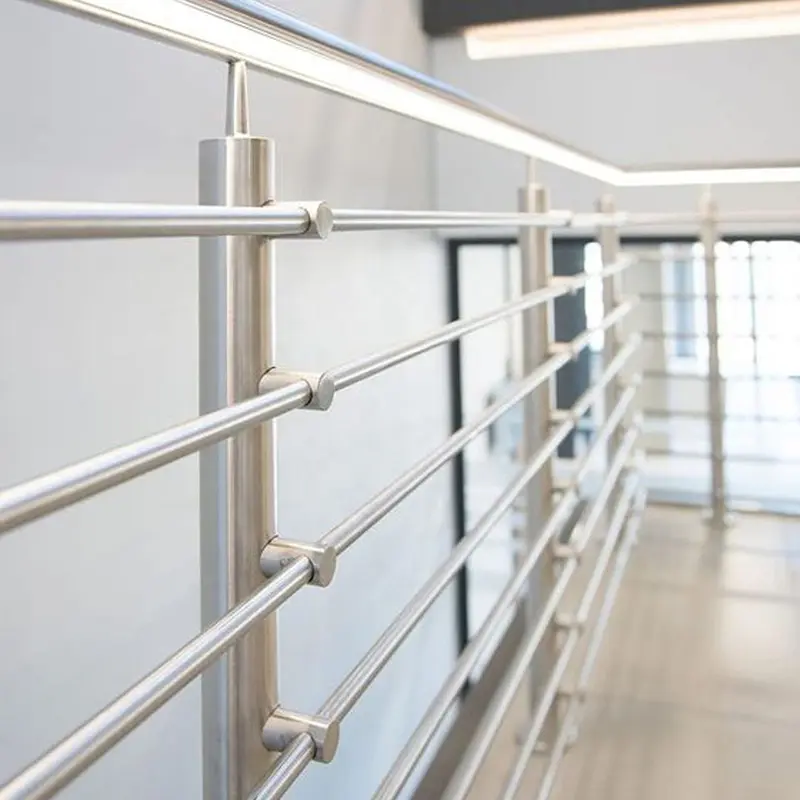
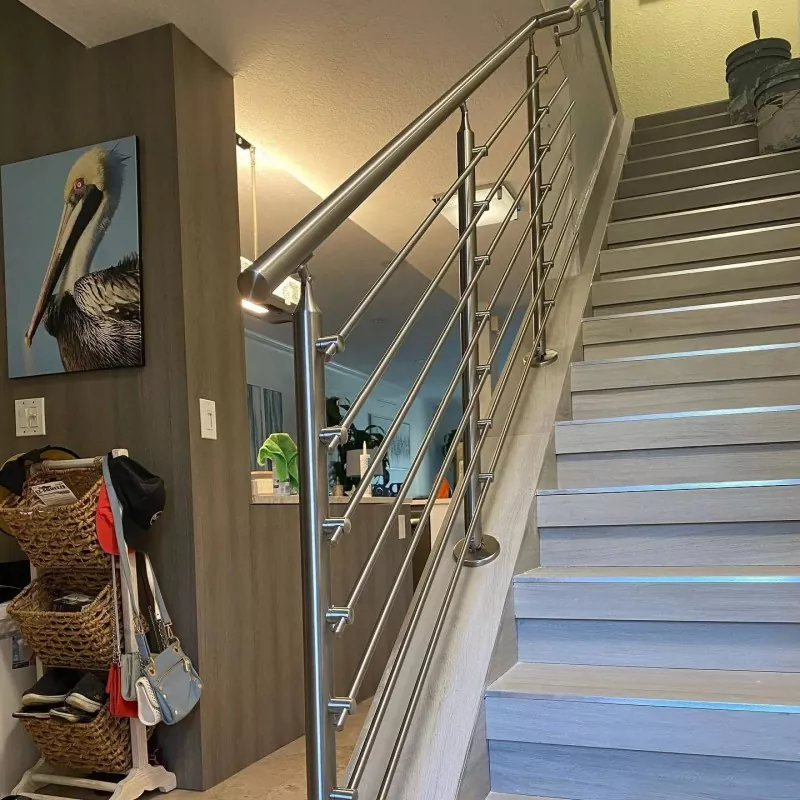
- Stainless Steel Systems: Requires minimal routine maintenance, zero topical repainting, and maintains full structural integrity for decades without degrading under direct UV rays.
How Can You Design Outdoor Railings for Maximum Structural Safety?
Safety compliance remains the primary function of any perimeter barrier or balustrade. International Building Code (IBC) and local municipal regulations mandate specific structural load capacities to ensure user safety on elevated decks, balconies, and stairways.
Understanding how stainless steel railing systems meet strict lateral load standards involves examining mechanical connections, post anchorage, and infill panel choices. At Vionta Metal, our technical team tests all top rails and post mounts to withstand concentrated loads exceeding minimum code requirements.
Core structural considerations for outdoor installations:
- Concentrated Load Capacity: Top rails must support a minimum 200 lb concentrated load applied in any direction at the top of the post or rail.
- Uniform Load Compliance: Commercial guardrails must withstand a uniform load of 50 lbs per linear foot applied horizontally along the top rail.
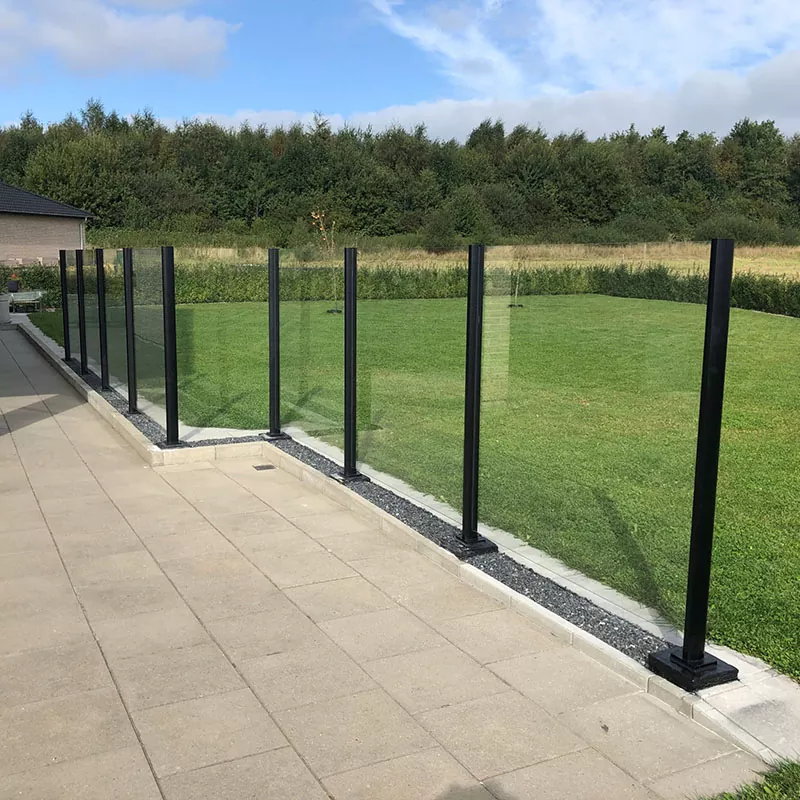
- Infill Safety Limitations: Infill designs (cable, glass, or vertical balusters) must resist a concentrated load of 50 lbs over a one-square-foot area, with spacing configured so a 4-inch sphere cannot pass through.
- Anchor and Base Plate Rigidity: Secure anchorage into concrete, steel framing, or heavy timber joists using corrosion-resistant 316 stainless steel anchor bolts to prevent base movement over time.
What Maintenance Practices Extend the Lifespan of Outdoor Railings?
While stainless steel requires significantly less upkeep than wood or painted iron, regular preventative maintenance preserves its original aesthetic finish and prevents airborne contaminant accumulation.
Learning how outdoor railing surfaces respond to environment cleaning ensures long-term luster. At Vionta Metal, our team recommends simple cleaning schedules that keep commercial and residential balustrades looking new.
Recommended cleaning and maintenance steps:
- Routine Rinsing: Clean posts and cables every 3 to 6 months using clean freshwater mixed with a mild, non-abrasive detergent to remove salt deposits and dust.
- Wipe Along Grain Lines: When wiping satin or brushed finishes (such as #4 finish), always rub in the direction of the mechanical polishing grain to avoid micro-scratches.
- Avoid Harsh Chemicals: Never use mineral acids, bleach, chlorine cleaners, or steel wool pads. Steel wool leaves carbon iron particles on the surface, which causes surface rust spots.
- Apply Passivating Cleaners: For coastal zones, apply a specialized stainless steel passivating cleaner once a year to dissolve free iron contaminants and bolster the passive chromium oxide layer.
Frequently Asked Questions About Stainless Steel Railing Systems
Is 304 or 316 stainless steel better for an outdoor railing installation?
Grade 316 stainless steel is superior for outdoor coastal or pool applications due to its 2% molybdenum content which prevents chloride corrosion, whereas Grade 304 works exceptionally well for dry inland locations.
Why does a stainless steel railing sometimes show minor surface rust spots?
Minor surface spots, known as tea-staining, occur when airborne carbon dust or salt accumulates on the metal surface without regular washing; it does not indicate structural failure and wipes away with standard cleaner.
How often should an outdoor railing constructed from stainless steel be cleaned?
Rinsing the balustrade with mild soap and warm water every three to six months removes surface deposits and maintains the integrity of the passive oxide layer in most outdoor environments.
What infill options work best with a modern stainless steel railing system?
Tensioned stainless steel cables, toughened tempered glass panels, and vertical stainless balusters provide compliant safety barriers while offering high light transmission and open sightlines.
Can stainless steel railings withstand freezing winter temperatures and snow?
Yes, stainless steel maintains high impact strength and ductility in sub-zero temperatures, resisting ice expansion and brittle fracture far better than structural plastics or cast iron alloys.