How to Prepare Metal Balcony Railings for Winter: Maintenance Tips for Different Materials
Winter weather can be tough on balcony railings. Rain, frost, snow, road salt, and repeated freezing and thawing can leave metal surfaces stained, damage protective coatings, and expose problems with railing connections. Even a railing that looks fine in autumn may need attention before temperatures drop.
The right maintenance method depends on the railing material. Aluminum railings need attention to their surface finish and mounting points. Stainless steel railings should be cleaned regularly to remove salt and other contaminants. Painted steel railings need protection against rust, while cable and glass railing systems require checks of their fittings and connections.
In this guide, we explain how to prepare different types of balcony railings for winter, how to deal with common maintenance problems, and when damaged components may need professional inspection or replacement. We also cover what to consider if you are looking for replacement railing parts or a custom railing system for your next project.
Table of Contents
- How should you prepare balcony railings for winter?
- How do you maintain aluminum balcony railings in winter?
- How do you maintain stainless steel balcony railings in winter?
- How do you prevent rust on steel balcony railings?
- How do you maintain cable railing systems in winter?
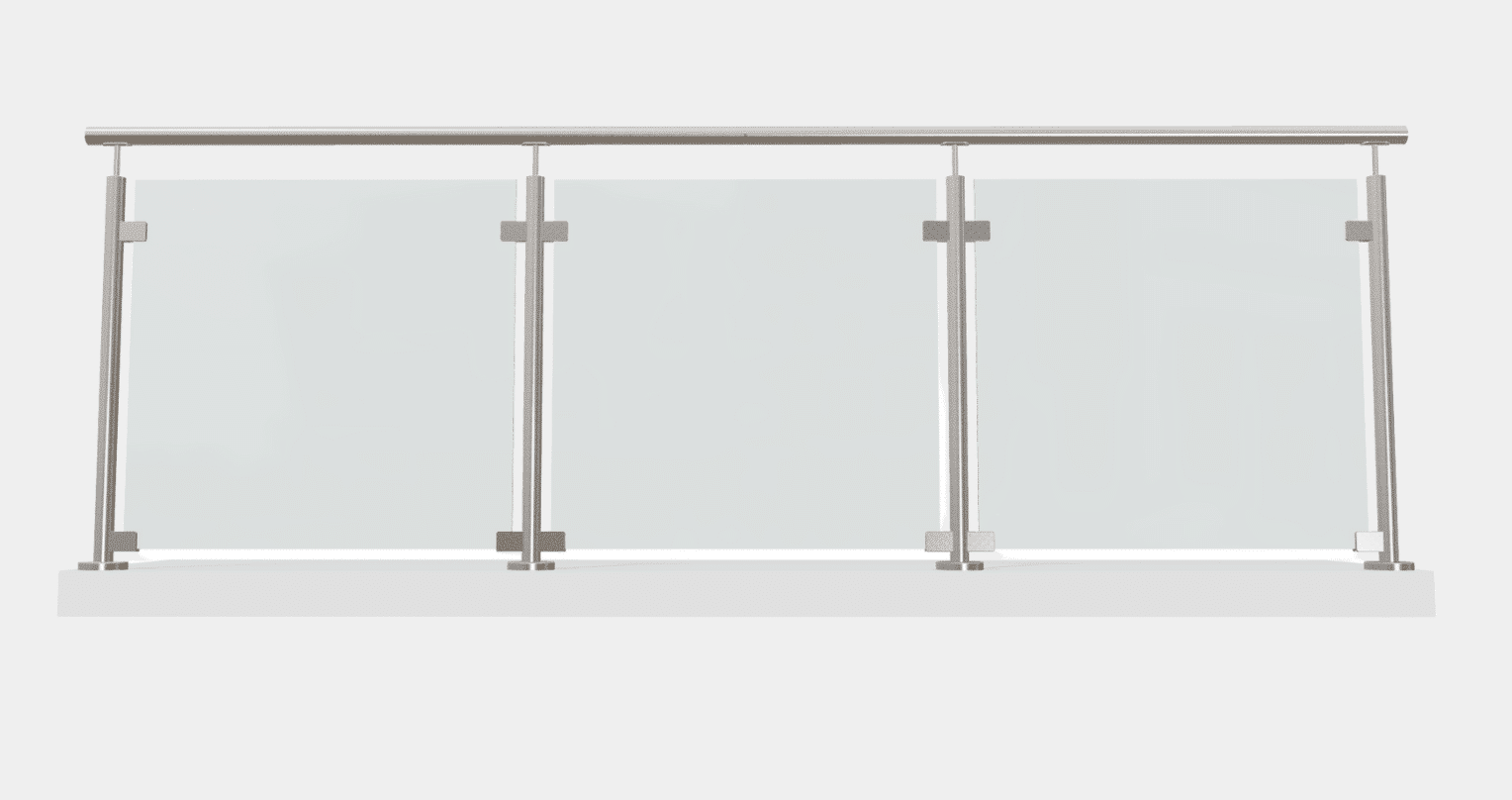
- How do you maintain glass balcony railings in winter?
- When should you replace railing parts?
- What is the winter railing maintenance checklist?
- Frequently Asked Questions
How Should You Prepare Balcony Railings for Winter?
Before focusing on a particular material, start with a few basic maintenance steps. These apply to most aluminum, steel, stainless steel, cable, and glass railing systems.
1. Clean the railing before the first frost
Remove dust, leaves, dirt, and other debris with water and a mild, material-compatible detergent. Pay attention to corners, joints, post bases, and the underside of handrails, where dirt and moisture can accumulate.
If the balcony is exposed to road salt or coastal air, rinse the railing thoroughly. Salt deposits can contribute to corrosion on susceptible metals and may damage certain protective finishes if they remain on the surface for long periods.
Use a soft cloth or non-abrasive sponge, and follow the manufacturer's cleaning instructions. Avoid harsh chemicals and abrasive tools that could scratch a coating or damage a metal finish.
2. Check for visible damage and loose connections
Inspect the handrail, posts, infill panels, brackets, and accessible mounting points. Look for peeling paint, scratches, rust spots, missing fasteners, damaged fittings, and noticeable movement.
For cable railings, check for visibly damaged cables or fittings. For glass railings, inspect the panel edges and corners for chips or cracks. Do not lean heavily against the railing to test its strength.
If a post moves, a connection has separated, or a glass panel is damaged, keep people away from the affected area and arrange an appropriate professional inspection. Cleaning alone will not resolve a structural problem.
3. Remove debris that traps water
Leaves and dirt can collect around post bases, mounting brackets, and the edges of the balcony floor. When these areas remain wet, they may be more vulnerable to corrosion or deterioration.
Clear accessible drainage paths and remove debris before freezing weather arrives. Do not drill holes, modify the railing, or block designed drainage openings without checking the manufacturer's instructions.
4. Check the surrounding balcony structure
A railing depends on the surface to which it is attached. Look for visible cracks around anchors, deterioration of concrete, damaged timber near post bases, or changes in the gaps between the railing and the building.
If you notice new cracks, movement, or deterioration around a mounting point, do not assume that tightening a bolt will solve the problem. The supporting structure and connection may need to be assessed before any repair is made.
How Do You Maintain Aluminum Balcony Railings in Winter?
Aluminum balcony railings are commonly selected for their relatively low maintenance requirements, lightweight construction, and range of available styles and finishes. However, aluminum can still corrode under unfavorable conditions, and its protective coating can be damaged by impact, abrasion, or unsuitable cleaning products.
How should you clean aluminum railings?
Wash the railing with clean water and a mild detergent. Use a soft cloth or sponge to remove dirt, salt, and other deposits, then rinse the surface thoroughly. Regular cleaning is particularly important for balconies near the coast or in areas where deicing chemicals may reach the railing.
Avoid steel wool, aggressive scouring pads, and cleaners that are not approved for the finish. These can scratch the surface or affect the coating. If the railing has a powder-coated or anodized finish, follow the manufacturer's maintenance instructions.
What should you do if the coating is scratched or peeling?
Inspect scratches and chips before winter. Minor surface damage may be suitable for repair with a compatible touch-up product, provided the manufacturer's instructions allow it. Clean and prepare the affected area as directed rather than applying paint over dirt or corrosion.
If the coating is peeling across a large area, corrosion is spreading around a connection, or the aluminum profile is bent or cracked, a simple touch-up may not be enough. The component should be assessed to determine whether repair or replacement is appropriate.
Why should you check the post bases and brackets?
Water and debris can collect around post bases, mounting brackets, and fasteners. Inspect these areas for standing water, damaged coatings, missing hardware, or visible movement.
Also consider the materials used in the connections. Contact between dissimilar metals in the presence of moisture can contribute to galvanic corrosion under suitable conditions. The correct fasteners and any required isolation components should be selected according to the railing design.
If an existing aluminum railing has damaged posts, brackets, or other components, identify the profile, dimensions, finish, and connection method before ordering replacements. Vionta Metal offers aluminum railing options for projects with different design and installation requirements. For a replacement or custom railing enquiry, photos and measurements can help establish which options may be suitable.
How Do You Maintain Stainless Steel Balcony Railings in Winter?
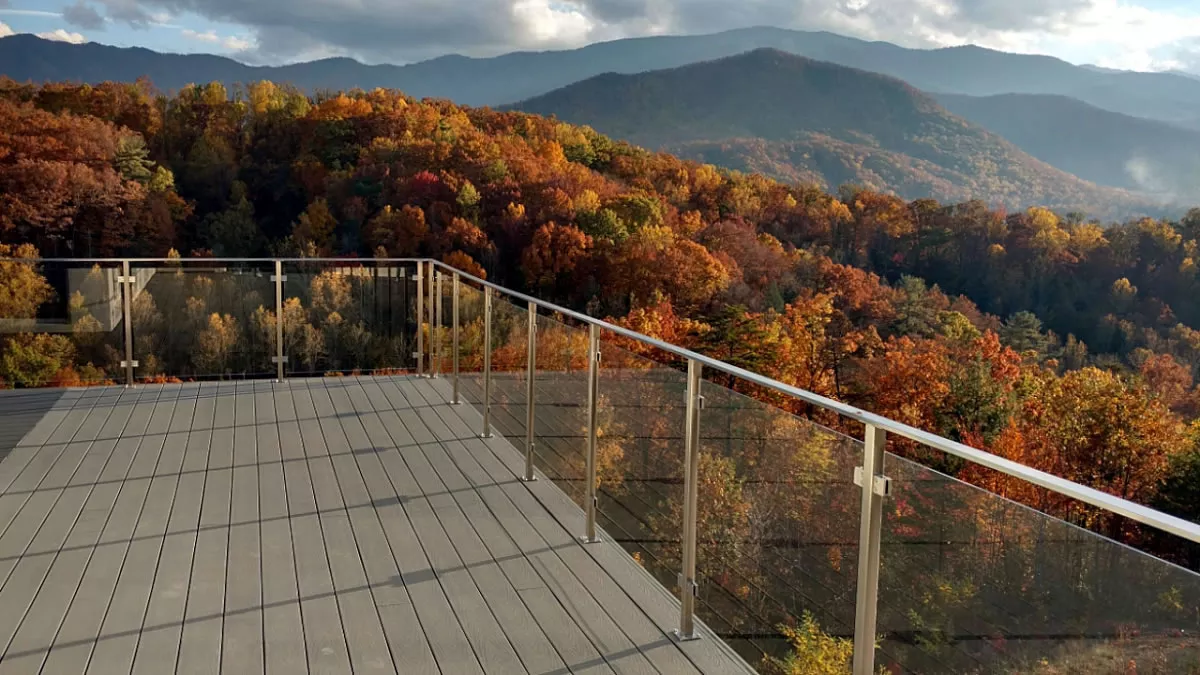
Stainless steel railings are widely used on balconies, terraces, and outdoor stairways. Although stainless steel offers corrosion resistance, it is not completely immune to staining or corrosion. Salt, surface contamination, unsuitable cleaning products, and moisture trapped around connections can all contribute to maintenance problems.
Why does stainless steel develop rust-colored stains?
Rust-colored marks do not always mean that the entire railing is failing. They may result from iron contamination, accumulated dirt, salt deposits, or localized corrosion around joints and fasteners.
Inspect areas around welds, brackets, screws, end caps, and post bases. These locations may retain moisture or collect contaminants more readily than exposed surfaces.
How do you remove salt deposits and surface stains?
Start with clean water and a suitable mild detergent. Use a soft cloth, rinse thoroughly, and dry the surface where practical. In areas exposed to marine air or road salt, repeat cleaning as needed rather than waiting until deposits become obvious.
Avoid steel wool and carbon-steel brushes because they can transfer iron particles to stainless steel. Do not use bleach or chloride-based cleaners unless the product and application are specifically approved by the railing manufacturer.
If rust-colored stains remain after proper cleaning, or if you see pitting, material loss, or recurring corrosion around a connection, the cause may require further investigation. Do not assume that polishing the surface will correct the underlying problem.
Is 304 or 316 stainless steel better for winter conditions?
The choice depends on the environment, not simply the temperature. Grade 304 may be suitable for many ordinary outdoor applications, depending on the exposure and maintenance conditions. Grade 316 generally offers better resistance to chloride-related corrosion and is often considered for coastal, poolside, or other chloride-exposed locations.
Neither grade is maintenance-free. Surface finish, fabrication quality, connection details, and cleaning frequency still matter. For a balcony near the sea or a road that receives regular deicing treatment, discuss the exposure conditions with the railing supplier before specifying the material.
Vionta Metal supplies stainless steel railing systems and related components for different project requirements. If you are replacing a corroded handrail, post, bracket, or fitting, confirm the existing material grade and dimensions where possible. If the grade is unknown, provide photos and project details so the replacement requirements can be reviewed before a purchase is made.
How Do You Prevent Rust on Steel Balcony Railings?
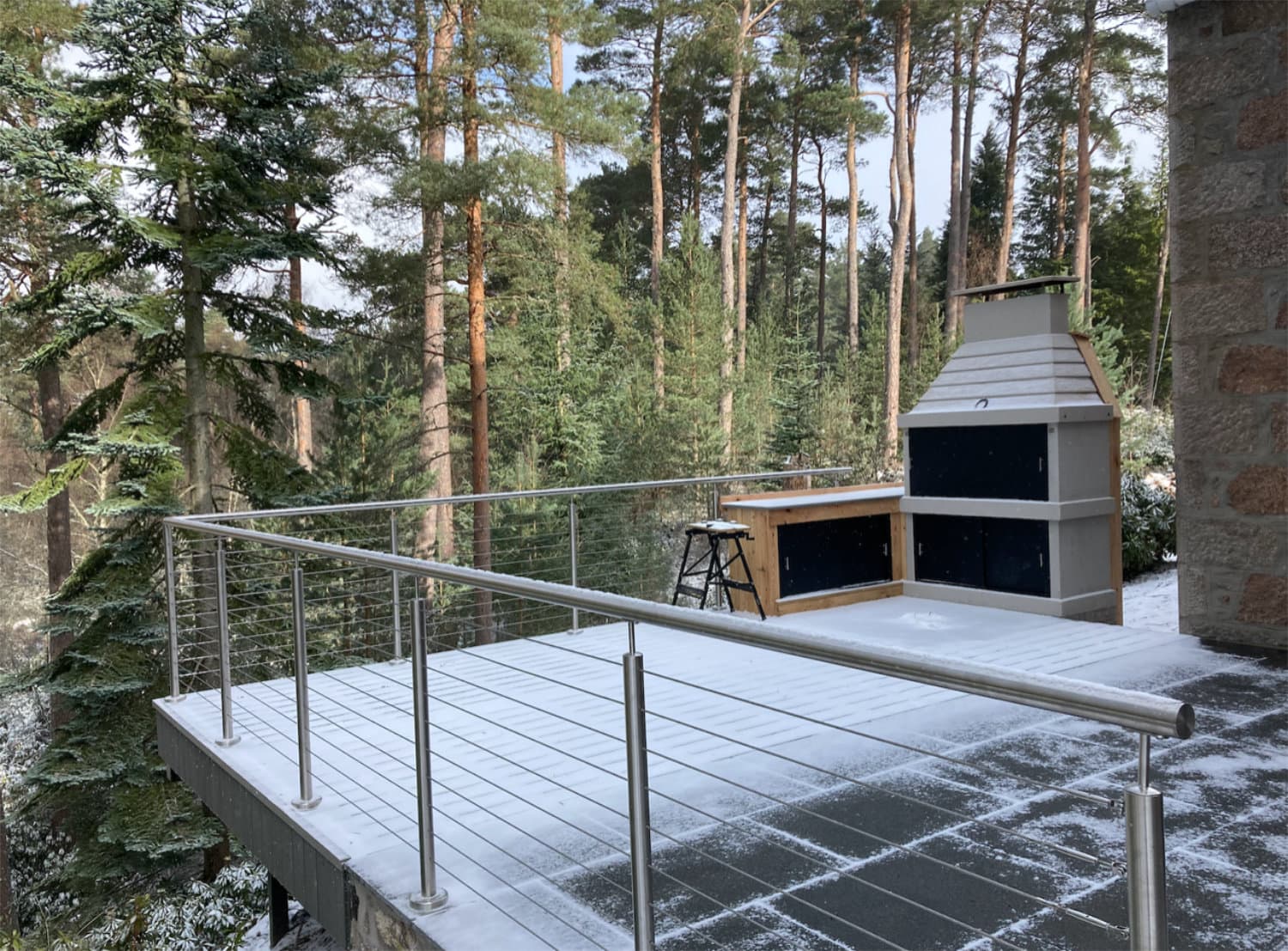
Steel balcony railings can provide a strong, rigid structure, but ordinary carbon steel is susceptible to rust when exposed to moisture and oxygen. Protective finishes help reduce this risk, making coating condition one of the main points to check before winter.
Inspect the paint or protective coating
Look for chipped paint, scratches, blistering, peeling, and rust-colored marks. Pay particular attention to welds, corners, fastener holes, and the lower sections of posts, where water and debris may accumulate.
Small areas of surface damage should be addressed before the coating deteriorates further. Follow the manufacturer's repair instructions, which may involve removing loose material, preparing the surface, and applying a compatible protective coating.
What if rust has already appeared?
The appropriate response depends on the extent and location of the corrosion. A small surface stain on an otherwise intact coated component may require a different treatment from deep pitting, flaking metal, or corrosion around a structural connection.
Do not simply cover extensive rust with a new layer of paint. If the metal appears deeply corroded, perforated, bent, or weakened, have the component assessed to determine whether it can be repaired or needs replacement.
How can you reduce moisture accumulation?
Remove leaves and debris from accessible areas around post bases and brackets. Check whether water repeatedly collects at the same location, and make sure designed drainage paths remain clear.
Do not modify the railing or its supporting structure to create drainage without appropriate technical guidance. If corrosion keeps returning at the same connection, the issue may involve the coating, the detail design, the materials in contact, or the surrounding structure.
For property owners, contractors, and distributors dealing with extensively damaged steel railing components, replacement may be more practical than repeated patch repairs. Vionta Metal can discuss custom metal railing requirements based on the intended application, dimensions, drawings, and finish preferences.
How Do You Maintain Cable Railing Systems in Winter?
Cable railing systems combine metal posts, tensioned cables, end fittings, and often a top rail. Winter maintenance should cover the entire assembly because cable condition, fitting security, and post stability are closely related.
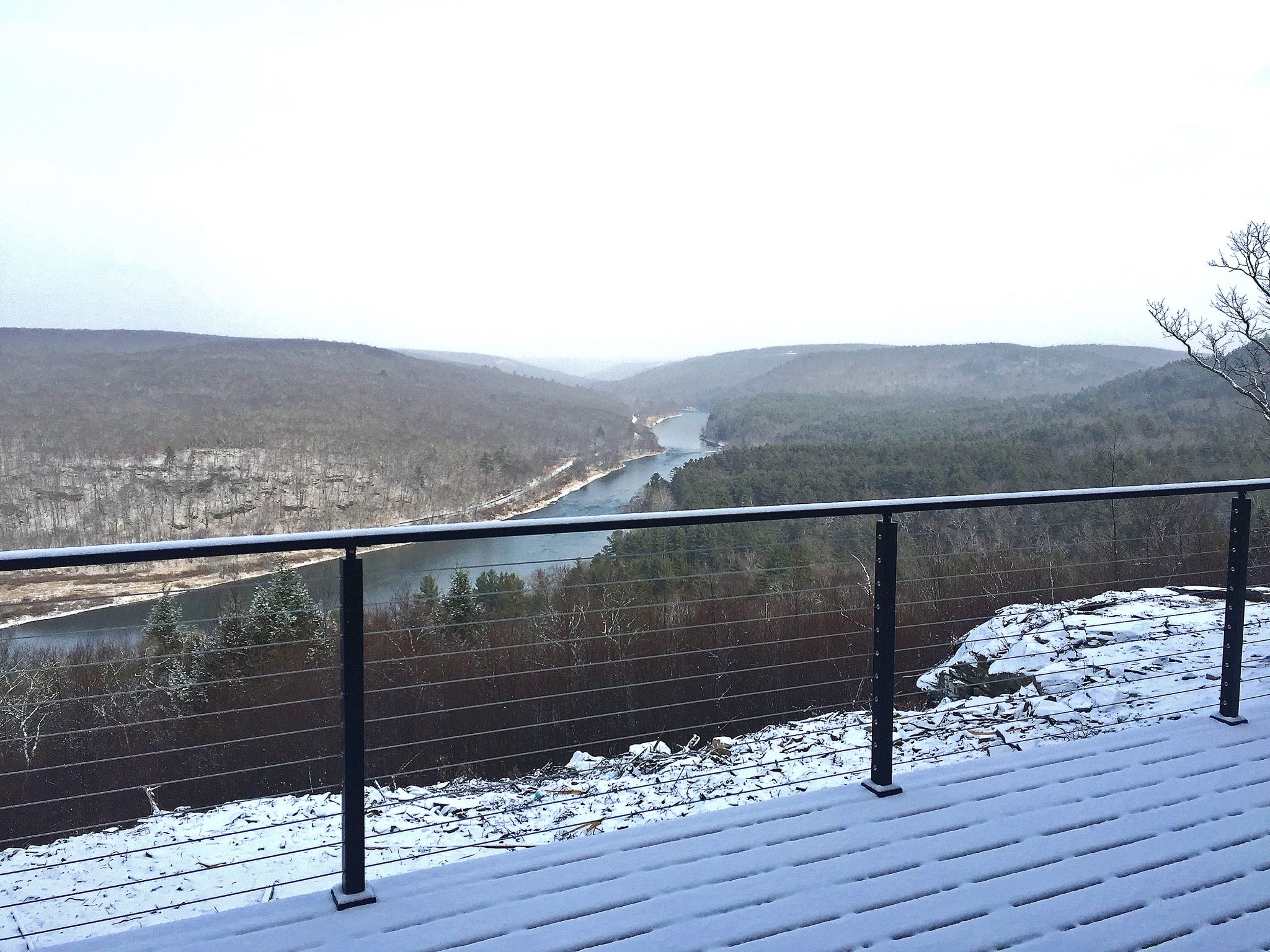
How should you check stainless steel cables and fittings?
Inspect visible cable runs for broken strands, unusual sagging, corrosion, and damaged end fittings. Check accessible posts and connections for signs of movement or displacement. Clean away dirt and salt using methods approved for the materials.
Pay attention to the cable termination points, where small components can collect moisture and debris. If a cable is visibly damaged or a fitting has shifted, restrict access to the affected section until it has been assessed.
What should you do if a cable becomes loose?
Do not automatically tighten it. Cable tension places loads on the end posts and supporting structure, so a loose cable may be related to the fitting, the post, the original installation, or changes in the system.
Some systems allow adjustment according to a manufacturer's procedure, but others require specialized tools or professional service. Do not estimate the required tension or use improvised tools. If a post moves or a fitting has pulled away from its mounting point, investigate the cause before attempting any adjustment.
When should cable railing parts be replaced?
Replacement may be necessary when cables have broken strands, fittings are damaged, corrosion has compromised a component, or a part no longer functions as intended. However, the correct replacement depends on the cable diameter, fitting type, connection method, and compatibility with the existing system.
Replacing one component without checking the rest of the assembly may not resolve recurring problems. Before ordering parts, record the cable size if known, photograph the end fittings, and measure the relevant components.
Vionta Metal provides cable railing systems and related components for project-specific requirements. If you need replacement cables, end fittings, or other railing hardware, send the available dimensions and photos so the required components can be identified more accurately.
How Do You Maintain Glass Balcony Railings in Winter?
Glass balcony railings combine glass panels with mounting hardware such as clamps, spigots, brackets, or base channels. Winter maintenance should focus on safe cleaning, visible glass damage, and the condition of accessible fittings.
How should you clean glass railings in cold weather?
Use a glass cleaner suitable for the panel and its surrounding hardware. Remove loose dirt with a soft cloth, and avoid abrasive tools that could scratch the glass or metal finish.
Do not pour very hot water onto frozen glass. Rapid temperature changes can create thermal stress, especially if the panel already has damage. Avoid striking the glass with hard tools to remove ice.
What should you do if the glass is chipped or cracked?
Inspect the panel edges and corners carefully, as well as the areas around mounting points. If you find a crack, a potentially significant edge chip, or a panel that appears to have shifted, keep people away from the affected section and contact the installer or a qualified glass railing professional.
Do not attempt to repair structural glass damage with ordinary adhesive or sealant. The correct response depends on the glass type, damage location, and system design.
How do you check glass railing hardware?
Look for visible movement, corrosion, missing parts, or signs of displacement around glass clamps, spigots, brackets, and base channels. Remove accessible debris where it traps water, but do not force tools into concealed joints.
Do not tighten glass clamps or mounting bolts by guesswork. Excessive or uneven pressure may damage the glass or affect the connection. If the hardware is loose or the panel has moved, have the system assessed before making adjustments.
If a glass railing needs replacement hardware, identify the mounting method and take close-up photos of the existing fittings. Vionta Metal supplies glass railing hardware and related metal components for project requirements. Providing the panel arrangement, fitting dimensions, and available installation drawings can help determine which replacement options are worth reviewing.
When Should You Replace Railing Parts?
Not every winter maintenance problem requires a new railing. Cleaning and routine surface care may be enough for minor dirt or deposits. However, some conditions indicate that a component needs repair, replacement, or professional assessment.
| Observed problem | What to check | Possible next step |
| Chipped or peeling finish on aluminum railing | Extent of the coating damage and whether the metal profile is also damaged. | Use an approved finish repair for minor damage, or assess the component for replacement if damage is extensive. |
| Rust on a steel railing | Whether the corrosion is limited to the coating or involves deep pitting, material loss, or a structural connection. | Apply a suitable coating repair for minor surface damage; seek professional assessment for severe corrosion. |
| Recurring stains on stainless steel | Salt deposits, contamination, surface condition, and areas around joints or fasteners. | Clean with an approved method and investigate recurring corrosion or pitting. |
| Loose or damaged cable railing fittings | Cable size, fitting type, post condition, and connection method. | Identify compatible replacement components and assess the system if cables or posts are unstable. |
| Cracked glass or loose glass mounting hardware | Glass damage, panel position, and the condition of clamps, spigots, or channels. | Restrict access and arrange a qualified inspection; replace damaged parts using a compatible system. |
| Loose railing post or damaged anchor | Fasteners, brackets, anchors, and the supporting deck or concrete. | Arrange a professional assessment before deciding which parts need repair or replacement. |
What information should you provide when sourcing replacement parts?
Finding a suitable replacement is easier when the supplier can understand the existing installation. Before making an enquiry, prepare as much of the following information as possible:
- Photos of the complete railing and close-ups of the damaged component.
- The material, finish, and approximate dimensions, if known.
- The type of connection, mounting method, or fitting currently installed.
- Available drawings, part numbers, or product documentation.
- The quantity required and whether the parts are for maintenance, renovation, or a new project.
If the original component is no longer available, provide measurements and installation details rather than relying on appearance alone. A similar-looking part may not have the correct dimensions or be compatible with the existing system.
For custom balcony railing projects, it is also helpful to share the overall dimensions, layout, preferred infill, finish, and installation environment. This allows the product requirements to be reviewed before a quotation or production plan is discussed.
What Is the Winter Railing Maintenance Checklist?
Use this quick checklist before winter and repeat the relevant checks after severe weather or when you notice a change in the railing's condition.
- Clean the railing and remove accumulated dirt and salt.
- Check aluminum coatings and painted steel surfaces for scratches, peeling, and rust.
- Inspect stainless steel for deposits, discoloration, and recurring corrosion.
- Look for broken cable strands, loose fittings, or unusual cable sag.
- Check glass panels for visible chips, cracks, or displacement.
- Remove leaves and debris from accessible post bases and drainage areas.
- Look for new cracks or deterioration around railing anchors and mounting points.
- Arrange professional assessment if a post moves, a glass panel is damaged, or a structural connection appears compromised.
Routine maintenance can help keep a railing clean and make problems easier to spot. It cannot replace a professional inspection when the system's stability or the integrity of a component is in doubt.
Frequently Asked Questions
1. How do I protect a Metal Deck Railing from winter weather?
Clean the railing, remove salt and debris, inspect the finish and connections, and address visible damage before persistent frost arrives.
2. Can a Metal Deck Railing rust in winter?
Yes. Painted steel can rust where its protective coating is damaged, while stainless steel may develop staining or localized corrosion under unfavorable conditions.
3. How often should balcony railings be cleaned in winter?
Cleaning frequency depends on exposure. Railings near the coast or areas treated with road salt may need more frequent rinsing than sheltered railings in less corrosive environments.
4. Can I replace damaged Metal Deck Railing parts myself?
Simple cleaning and routine surface care may be suitable for owners, but replacement involving structural connections, glass, or cable tension should follow the manufacturer's instructions and may require a qualified professional.
5. Where can I find replacement parts for a Metal Deck Railing?
Contact a railing supplier with photos, dimensions, material details, and information about the existing connection method to help identify compatible replacement components.
Need Replacement Railing Parts or a Custom Balcony Railing?
Winter maintenance may reveal damaged coatings, corroded fittings, loose connections, or components that need replacement. If cleaning and routine maintenance are no longer enough, Vionta Metal can help you explore aluminum railing, stainless steel railing, cable railing, glass railing hardware, and custom metal railing solutions for your project.
To help us understand your requirements, please share photos of the existing railing, approximate dimensions, material preferences, and any available drawings. If you need replacement components, include the part name or a close-up photo of the damaged fitting. Our team can review the information and discuss suitable product options, customization, and quotation requirements.
Contact Vionta Metal to discuss railing products, replacement components, or a custom railing project.
Related News
- Rotating vs. Retractable Louvered Pergolas: What Should Buyers Know?
- Why Is a Corten Steel Privacy Screen the Perfect Choice for Modern Outdoor Spaces
- How to Mount a Metal Privacy Screen on Concrete?
- What Are the Different Types of Glass Railing Systems?
- How Can Glass Railing for Mono Stringer Stairs Transform Modern Staircase Design
- Framed vs Frameless Glass Railings — Which Should I Get?
Leave me a message


News Recommendations