How to Protecting Your Aluminum Railing from Scratches?
Aluminum railing systems have earned their reputation as a premier choice for modern residential decks, commercial balconies, and architectural perimeters. Their innate resistance to rust, high strength-to-weight ratio, and sleek powder-coated finishes make them an investment that elevates both property aesthetics and structural safety. However, even the most durable powder coatings and anodized layers face daily exposure to environmental abrasive elements, accidental collisions, heavy lawn equipment, and debris during severe weather.
Preventing scratches on your aluminum railing is not merely a matter of visual appeal; it is a critical strategy for preserving the integrity of the protective surface treatment. Once a scratch penetrates down to the underlying metal substrate, it exposes the aluminum surface to moisture, atmospheric salts, and chemical pollutants that can lead to localized blistering or finish degradation over time. At Vionta Metal, we design engineered architectural railings that withstand rigorous conditions, but proper ongoing care ensures these systems deliver decades of flawless performance.
This comprehensive guide details the technical mechanisms behind surface defense, preventative maintenance protocols, actionable restoration steps, and industry best practices to safeguard your aluminum railing investment against mechanical damage and daily wear.
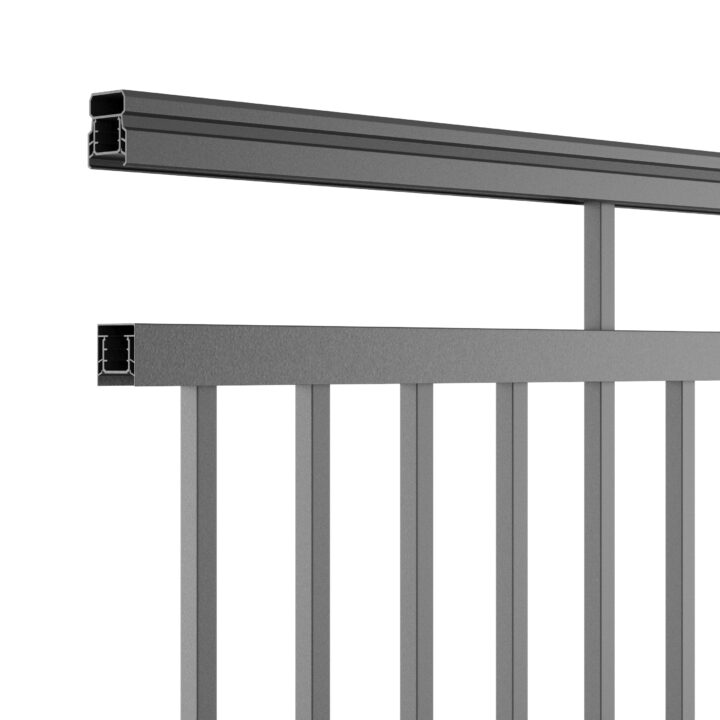
Table of Contents
- Why Does Your Aluminum Railing Get Scratched?
- How Do Protective Surface Treatments Defend Your Railing?
- What Are the Key Railing Components and Their Specific Maintenance Needs?
- How Can You Prevent Scratches on Your Aluminum Railing System?
- How Do You Repair Existing Scratches on Aluminum Railing Systems?
- Aluminum Railing Frequently Asked Questions
Why Does Your Aluminum Railing Get Scratched?
Understanding the primary sources of mechanical wear allows property owners and facility managers to establish effective preventative measures. While extruded structural aluminum alloys offer exceptional core strength, their surface finishes remain vulnerable to specific contact pressures and abrasive interactions.
- High-Impact Mechanical Collisions: Patio furniture shifts during storms, construction tools during adjacent renovations, or heavy outdoor toys hitting balusters can easily shear through outer surface coats.
- Abrasive Airborne Particles: In coastal or windy regions, fine silica sand and airborne grit act as natural sandpaper, causing micro-abrasions along top rails subjected to high wind velocity.
- Improper Cleaning Equipment: Using wire brushes, abrasive scouring pads, or harsh chemical agents creates microscopic gouges across smooth architectural finishes.
- Debris Accumulation during Installation: Metal shavings, concrete dust, or installation fasteners left on top of the rails during initial setup cause friction scratches when moved across surfaces.
- Vegetation Intrusion: Untrimmed branches, climbing vines, or heavy bushes swaying in strong winds apply continuous friction against vertical pickets and horizontal channels.
How Do Protective Surface Treatments Defend Your Railing?
The resilience of any modern aluminum railing depends on its surface finishing technology. Advanced coating methods create physical and chemical barriers engineered to absorb everyday contact without exposing raw metal. At Vionta Metal, our team emphasizes high-specification architectural coatings to maximize long-term scratch resistance and weatherability.
| Coating Type | Primary Protection Function | Working Mechanism & Performance Impact |
| Architectural Powder Coating | Forms a thick, flexible polymer shield over extruded aluminum. | Electrostatically applied dry powder melts under high heat to cross-link into a solid film. This layer provides high impact absorption and resists chipping or surface scuffing. |
| Anodized Surface Layer | Transforms the raw aluminum surface into an extremely hard aluminum oxide layer. | An electrochemical bath converts the outer metal layer into an integral ceramic-like surface finish. This creates supreme hardness, resisting fine surface scratches exceptionally well. |
| Fluoropolymer Liquid Coating | Protects against chemical etching, UV breakdown, and fine abrasions. | Resin-based fluoropolymers create tight molecular bonds that yield a smooth surface, reducing friction so abrasive debris slides off without snagging. |
What Are the Key Railing Components and Their Specific Maintenance Needs?
An engineered architectural aluminum railing system is composed of distinct structural and decorative parts. Each component plays a specific role in safety and aesthetics, requiring targeted care to maintain structural performance and prevent surface defects.
1. Top Rail Caps and Handrails
- Primary Function: Serves as the main contact point for hands, directional support, and continuous visual framing along decks and stairways.
- Importance to System Integrity: As the most exposed horizontal surface, top rails bear the brunt of foot traffic contact, fallen debris, UV exposure, and weather impact. Scratches here are immediately noticeable and can degrade user experience.
- Operating Mechanism: Handrails distribute lateral hand-loads across structural posts while shielding internal glass adapters or vertical picket channels from direct water ingress.
2. Vertical Pickets and Balusters
- Primary Function: Provides vertical infill protection to prevent accidental falls while defining the overall architectural pattern of the enclosure.
- Importance to System Integrity: Pickets maintain code-compliant spacing requirements. Maintaining their surface finish prevents localized corrosion caused by trapped dirt or moisture at intersection points.
- Operating Mechanism: Vertical balusters lock securely into top and bottom horizontal channels, absorbing lateral pressure and dispersing force across the surrounding frame.
3. Support Posts and Mounting Base Plates
- Primary Function: Anchors the entire railing system to the concrete slab, wood framing, or composite decking substrate.
- Importance to System Integrity: Posts carry structural load stresses. Surface scratches near base plates expose metal to standing moisture, cleaning chemicals, and road salts used nearby.
- Operating Mechanism: Base plates transfer mechanical forces into structural fasteners while heavy-duty post extrusions provide rigidity against wind and impact loads.
4. Horizontal Bottom Rails and Channel Inserts
- Primary Function: Secures the lower edge of pickets or glass panel infills and drains collected water away from post connections.
- Importance to System Integrity: Bottom rails remain near ground level, making them susceptible to damage from lawnmowers, gravel kick-up, and foot traffic. Keeping their surface sealed prevents standing water from eroding finish seals.
- Operating Mechanism: Integrated drainage slots clear internal water while structural channels hold vertical infills in rigid alignment.
How Can You Prevent Scratches on Your Aluminum Railing System?
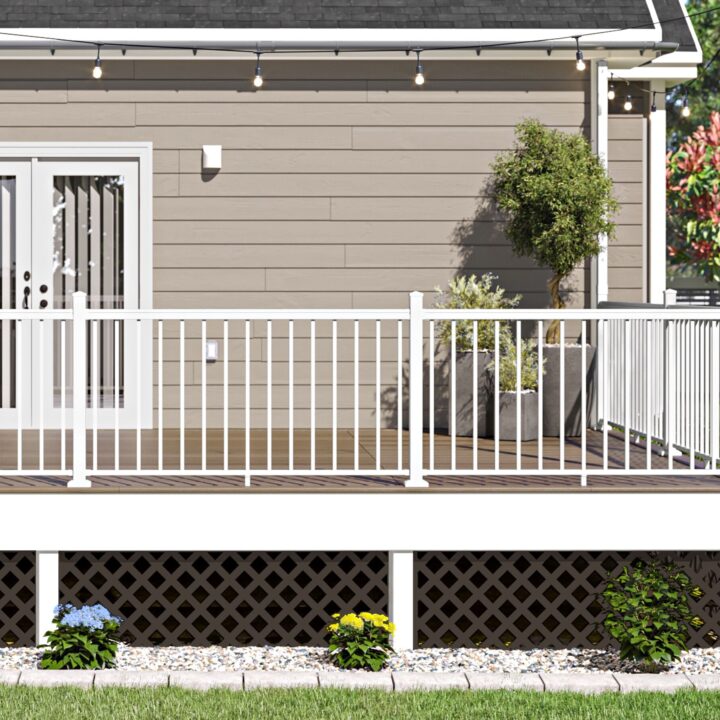
Preventative maintenance is significantly more cost-effective than surface restoration. Implementing structured care protocols safeguards the appearance and mechanical durability of high-grade installations.
- Establish a Regular Cleaning Routine: Clean surfaces quarterly using a soft microfiber cloth or non-abrasive sponge combined with warm water and mild, pH-neutral soap. Wash away surface grit before wiping down components.
- Avoid Abrasive Cleaners and Tools: Never use steel wool, scouring pads, solvent-based thinners, or high-pressure power washers equipped with narrow pinpoint nozzles that can lift coating edges.
- Apply a High-Quality Protective Wax: Applying a non-abrasive marine-grade or automotive carnauba wax to powder-coated surfaces creates a slippery micro-layer that deflects light contact and shields against chemical airborne deposits.
- Maintain Surrounding Landscaping: Trim nearby tree branches, shrubs, and ornamental plants to prevent them from rubbing against posts or pickets during high winds.
- Protect Surfaces During Nearby Construction: When performing home renovations, masonry work, or deck staining, cover your aluminum railing with soft protective plastic wraps or heavy canvas drops to block flying debris.
- Clear Winter Debris Safely: Use plastic shovels or soft-bristle snow brushes to clear snow from railings, avoiding metal edge tools that can slice through powder coatings.
How Do You Repair Existing Scratches on Aluminum Railing Systems?
When minor surface scuffs or deep scratches occur, addressing them promptly seals the exposed metal and restores a uniform visual finish across your installation.
| Scratch Severity Level | Recommended Repair Tools | Step-by-Step Restoration Procedure |
| Light Surface Scuff (Coating non-penetrated) | Microfiber cloth, non-abrasive polishing compound, carnauba wax. | Clean the area thoroughly. Apply a small amount of fine polishing compound using circular motions to smooth light scuffs. Wipe clean and seal with protective wax. |
| Medium Scratch (Coating breached, metal unexposed) | Fine sandpaper (1200+ grit), matching color touch-up paint pen, clear coat. | Lightly feather edges around the scratch with ultrafine sandpaper. Clean away dust with isopropyl alcohol. Carefully apply matching touch-up paint in thin coats and let cure fully. |
| Deep Gouge (Raw aluminum substrate exposed) | Zinc-chromate primer, color-matched architectural touch-up acrylic, sealant. | Remove loose paint flaking around the damage. Apply a self-etching primer to seal bare metal. Once dry, build up color-matched architectural touch-up paint until level with the finish. |
Aluminum Railing Frequently Asked Questions
Q: What causes powder coat finishes on an aluminum railing system to scratch easily?
A: Low-grade powder application, improper substrate pre-treatment, or impact from sharp metal objects can breach the outer coating barrier.
Q: How often should I wash my aluminum railing to prevent abrasive dirt buildup?
A: Washing your system with mild soap and warm water every three months removes gritty airborne particles that cause friction scratches.
Q: Can you use standard automotive wax on a powder-coated aluminum railing?
A: Yes, high-grade non-abrasive carnauba automotive or marine wax adds a smooth protective barrier that repels water, dust, and light scuffs.
Q: What is the best way to touch up deep scratches on an aluminum railing without leaving marks?
A: Clean the area, prime bare metal with zinc-rich primer, and apply thin layers of factory color-matched touch-up paint using a fine detail brush.
Q: Why is selecting a premium manufacturer critical for scratch-resistant aluminum railing?
A: Leading manufacturers like Vionta Metal utilize advanced multi-stage pretreatments and certified architectural powder coatings that optimize surface hardness and chip resistance.
Partner with Vionta Metal for Industry-Leading Architectural Railings
At Vionta Metal, our engineering philosophy focuses on producing premium structural aluminum railing systems that blend exceptional aesthetic appeal with long-term durability. By utilizing advanced automated powder-coating lines, high-grade extrusion alloys, and strict quality control standards, our factory ensures that every post, top rail, and picket delivers outstanding resistance against daily wear, weather exposure, and impact.
Whether you are designing a high-end commercial property, upgrading residential deck safety, or sourcing architectural metal fixtures for large-scale developments, our experienced team provides custom design support, precise fabrication, and dedicated technical assistance. Explore our comprehensive product lines at Vionta Metal today or contact our project specialists to request samples, request technical specifications, and receive a competitive wholesale quote for your upcoming project!
Related News
- Are Jalousie Windows Easy to Break Into?
- Is Stainless Steel Glass Railing Safe?
- How waterproof is an aluminum louvered pergola during heavy rain, and how should its drainage capacity be tested?
- How Strong Is Aluminum Railing Compared With Steel Railing?
- How to Choose Metal Railing for Residential and Commercial Projects
- How To Remove Hard Water Stains From Glass Railings?
Leave me a message