How to Clean Metal Railings Properly for Long-Term Performance?
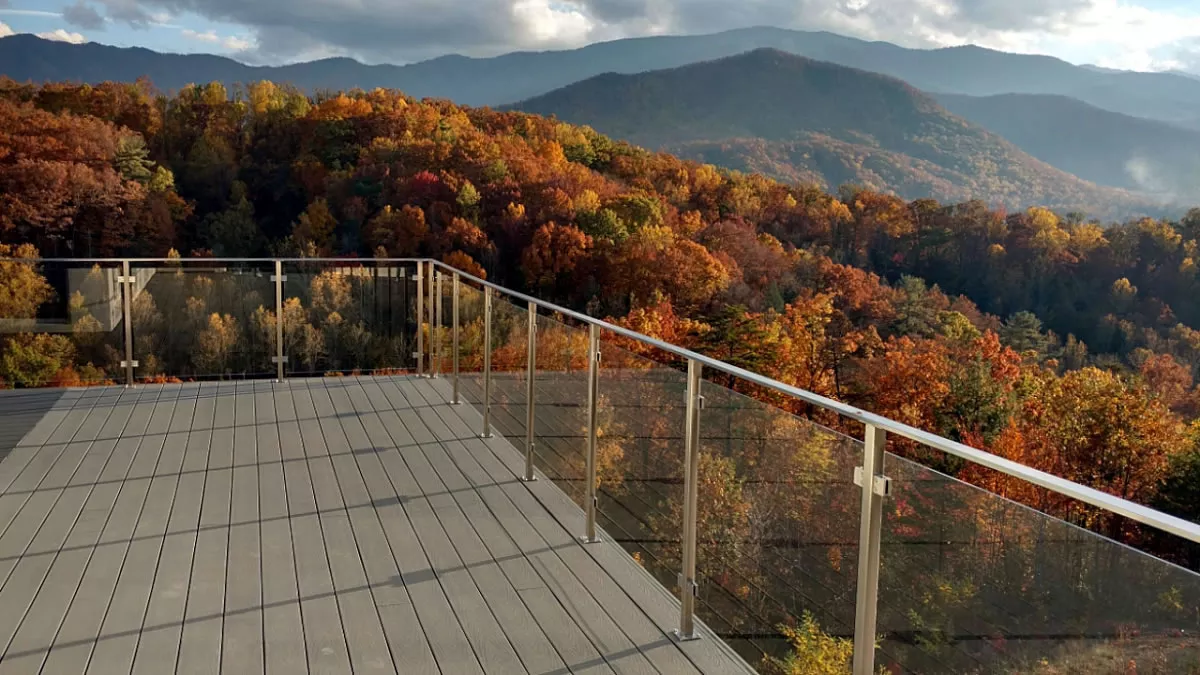
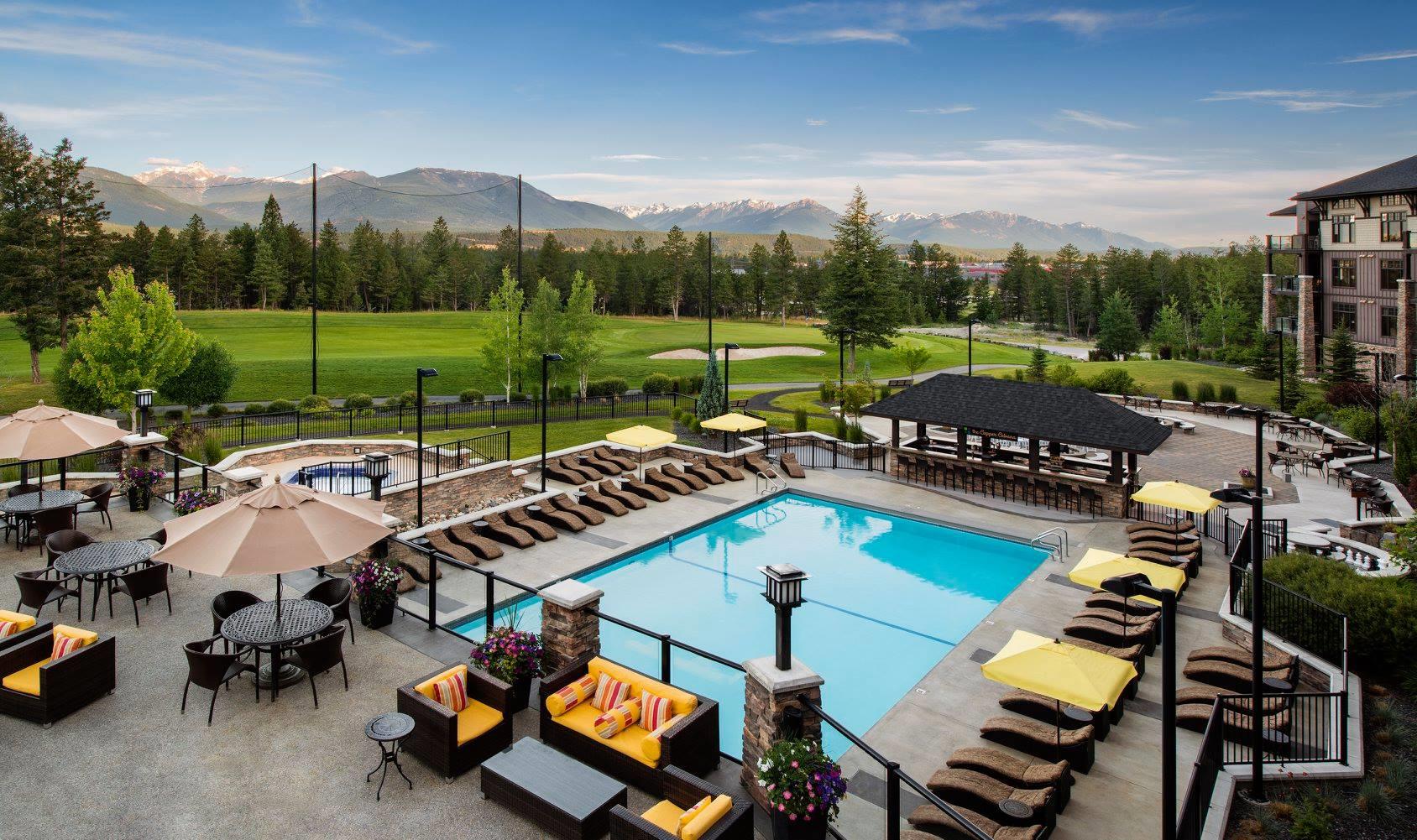
Metal railings are designed to protect people, define spaces, and enhance architectural aesthetics. Whether installed on stairs, balconies, decks, or terraces, proper maintenance directly affects their lifespan and appearance. Many property owners ask how to clean metal railings correctly because improper cleaning methods can damage surface finishes, weaken corrosion resistance, and shorten service life.
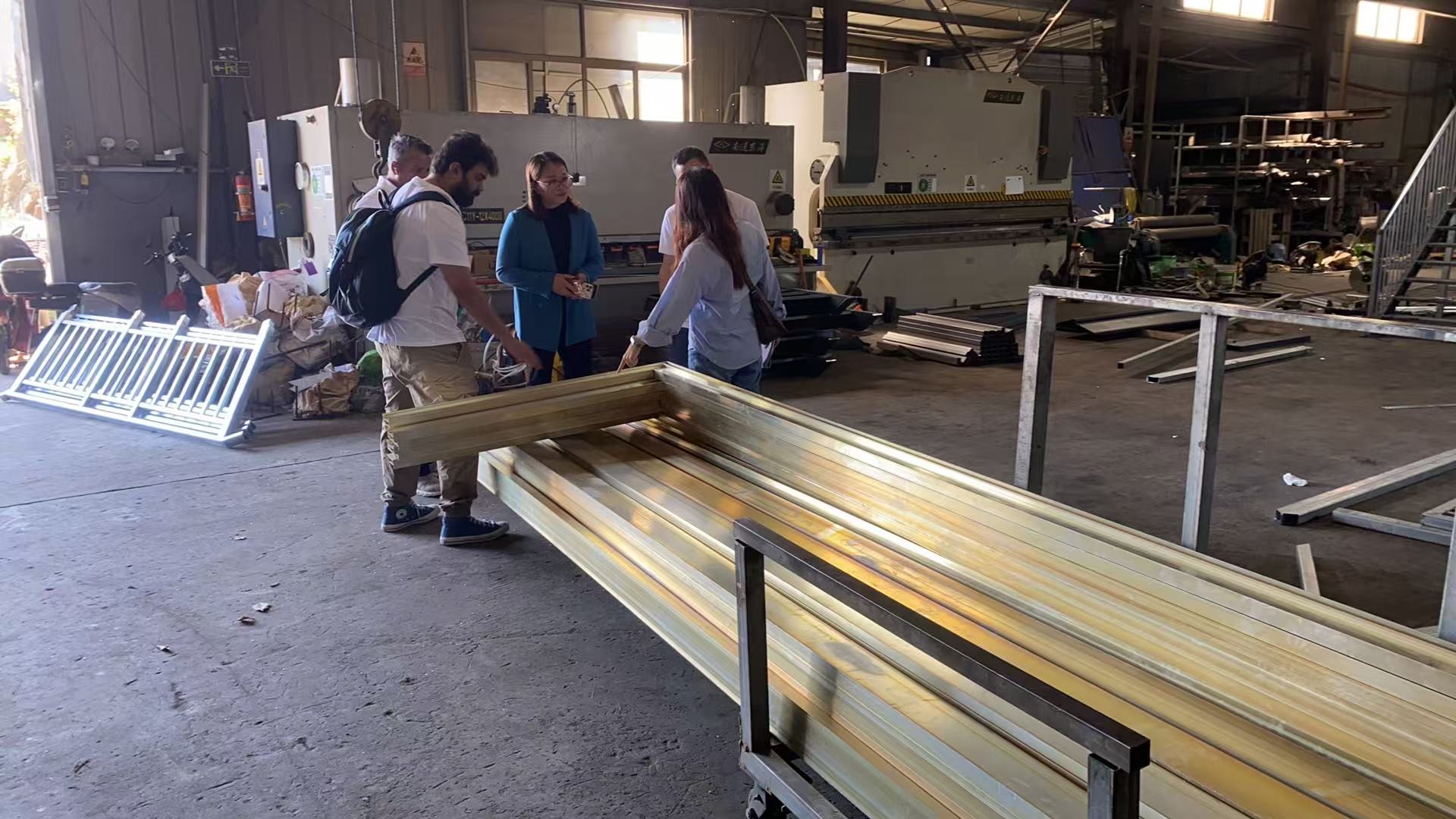
At Vionta Metal, we have worked with railing systems for decades, supporting residential, commercial, and hospitality projects worldwide. From our experience, regular and correct cleaning not only preserves visual appeal but also protects structural integrity. Our factory designs and manufactures aluminum Railing and stainless steel railing systems with outdoor durability in mind, but even the best materials require appropriate care.
This guide explains how to clean metal railings step by step, based on real material characteristics, surface treatments, and installation environments. It is written for homeowners, facility managers, architects, and contractors who want reliable, long-term results rather than temporary cosmetic fixes.
Table of Contents
- What Types of Metal Railings Require Different Cleaning Methods
- Why Regular Cleaning Extends the Life of Metal Railings
- How to Clean Aluminum Railings Step by Step
- How to Clean Stainless Steel Railings Without Damaging the Finish
- What Tools, Products, and Parameters Are Recommended for Metal Railing Maintenance
- How Our Factory Designs Railings for Easier Cleaning
What Types of Metal Railings Require Different Cleaning Methods
Before explaining how to clean metal railings, it is essential to understand that not all metal railings behave the same way. Material composition, surface treatment, and installation location determine the most suitable cleaning approach. Treating all railings the same often leads to surface damage or ineffective cleaning.
Common Metal Railing Materials Used in Modern Projects
In most architectural projects, the following materials are used:
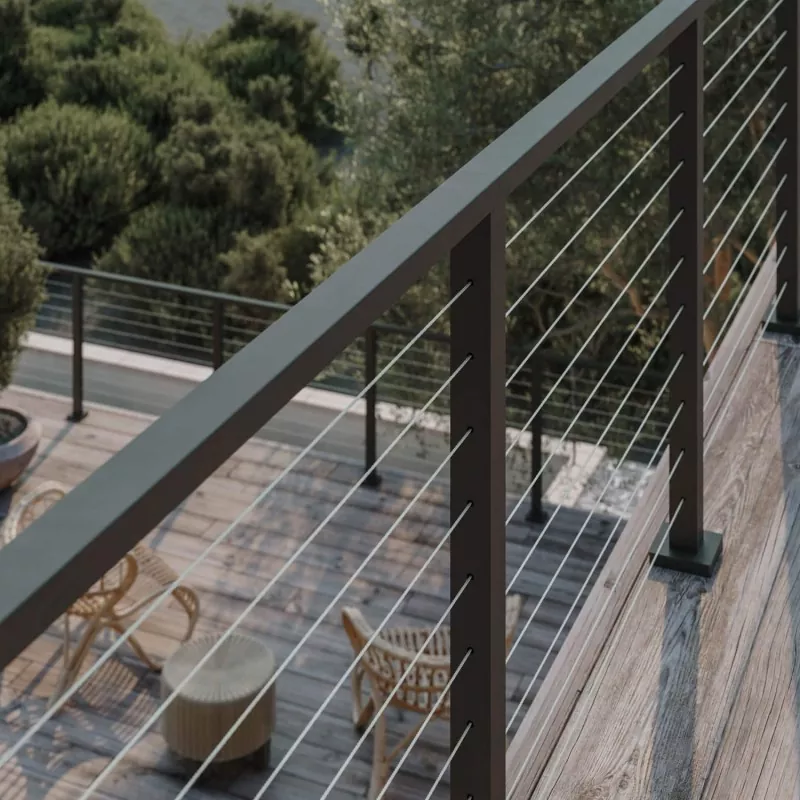
- Aluminum Railing with powder-coated or anodized finishes
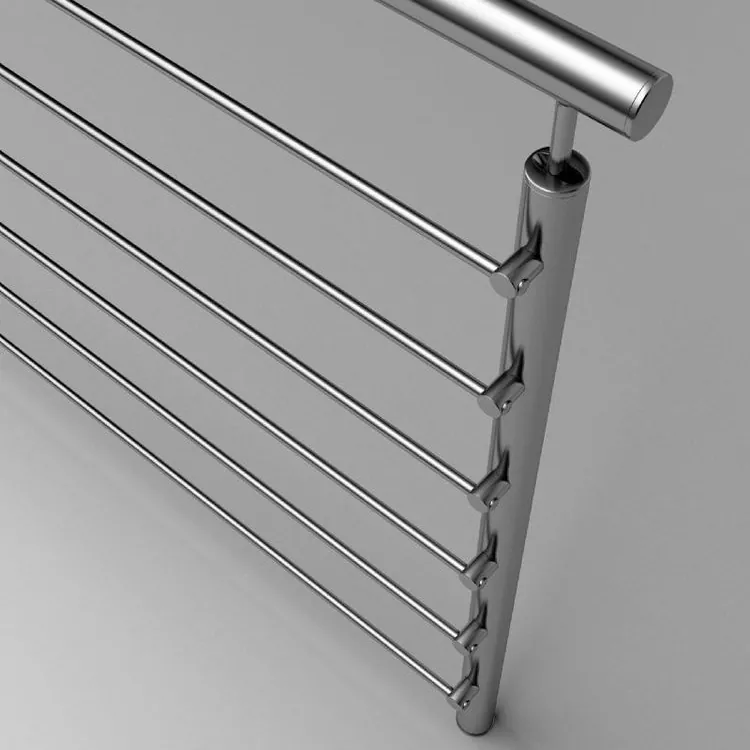
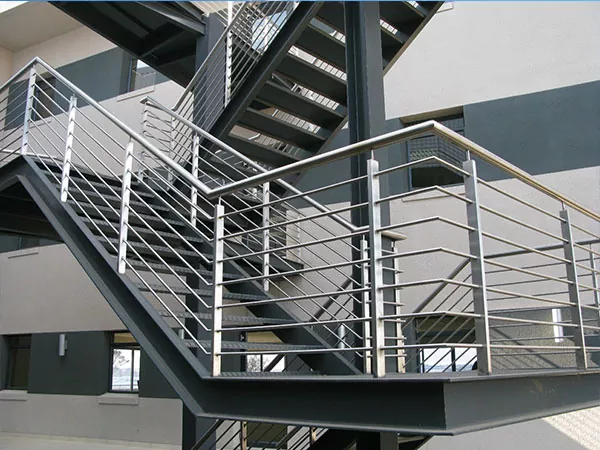
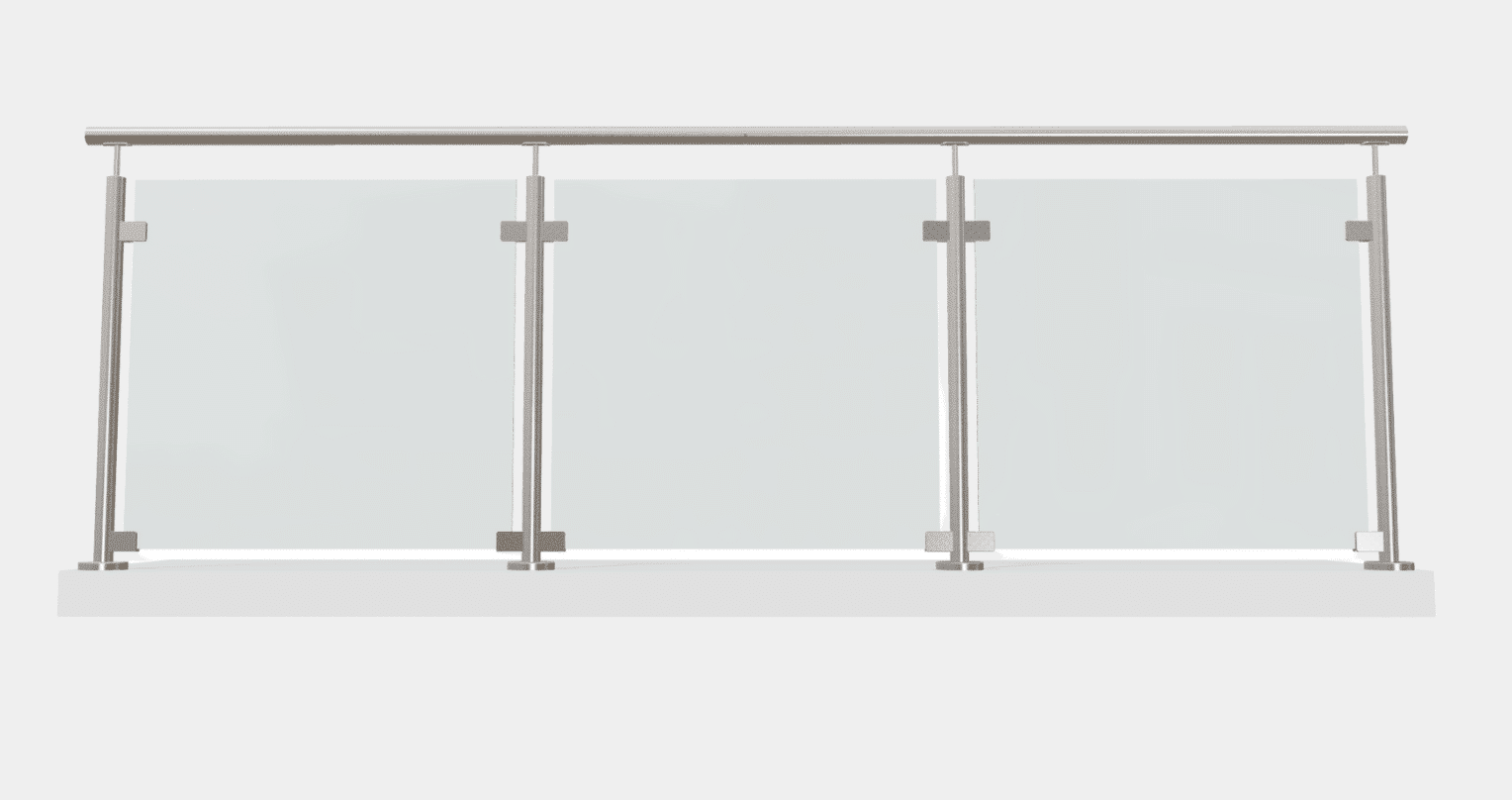
- Stainless steel railing made from grades such as 304 or 316
- Galvanized steel with protective coatings
- Painted mild steel used in indoor or semi-covered areas
Our factory primarily focuses on aluminum Railing and stainless steel railing systems because they offer the best balance between durability, aesthetics, and maintenance efficiency. At Vionta Metal, material selection is aligned with environmental exposure and long-term upkeep expectations.
Environmental Factors That Affect Cleaning Frequency
Cleaning requirements vary significantly depending on installation conditions:
- Coastal environments with salt exposure
- Urban areas with high air pollution
- Industrial zones with airborne chemicals
- Residential areas with minimal environmental stress
Understanding these factors helps determine how to clean metal railings effectively without unnecessary abrasion or chemical use.
Why Regular Cleaning Extends the Life of Metal Railings
Many people underestimate the long-term impact of routine cleaning. Dirt, pollutants, and moisture accumulation do more than affect appearance. Over time, they compromise protective layers and accelerate corrosion processes, even on premium materials.
How Contaminants Affect Surface Performance
Metal railing surfaces are protected by coatings or passive layers. When contaminants remain on the surface:
- Salt particles attract moisture and promote corrosion
- Dust and debris create micro-abrasion during wind movement
- Organic matter traps water against the metal surface
This is why knowing how to clean metal railings properly is part of preventive maintenance, not just cosmetic care.
Cost Benefits of Preventive Cleaning
From our project data at Vionta Metal, regular cleaning reduces long-term maintenance costs significantly. Replacing damaged sections or refinishing surfaces costs far more than routine washing. Our experience with aluminum Railing systems shows that consistent cleaning preserves powder coating integrity for many years.
How to Clean Aluminum Railings Step by Step
Aluminum Railing systems are popular due to their lightweight structure and corrosion resistance. However, surface finishes such as powder coating require specific care methods.
Recommended Cleaning Procedure for Aluminum Railing
The following steps explain how to clean metal railings made from aluminum:
- Rinse the surface with clean water to remove loose dirt
- Use a mild detergent mixed with warm water
- Apply the solution with a soft cloth or sponge
- Clean in a uniform direction to avoid streaking
- Rinse thoroughly to remove all detergent residue
- Dry the surface with a clean microfiber cloth
Cleaning Parameters for Aluminum Railing Systems
| Recommended Water Temperature | Below 40 degrees Celsius |
| Detergent Type | Neutral pH household cleaner |
| Cleaning Frequency | Every 3 to 6 months depending on environment |
| Tools | Soft cloth, sponge, non-abrasive brush |
Our factory designs aluminum Railing profiles with smooth transitions and minimal dirt traps. This design philosophy, applied consistently at Vionta Metal, reduces cleaning effort and improves long-term appearance.
How to Clean Stainless Steel Railings Without Damaging the Finish
Stainless steel railing systems offer excellent corrosion resistance, but improper cleaning can still damage their surface. Understanding how to clean metal railings made from stainless steel ensures the passive layer remains intact.
Best Practices for Stainless Steel Railing Maintenance
- Clean with warm water and mild soap
- Wipe along the grain direction of the steel
- Rinse thoroughly after cleaning
- Dry the surface to prevent water spots
Stainless Steel Railing Cleaning Parameters
| Material Grade | 304 or 316 stainless steel railing |
| Cleaning Agent | Chloride-free neutral cleaner |
| Cleaning Direction | Along surface grain |
| Recommended Frequency | Monthly in coastal areas |
At Vionta Metal, our stainless steel railing systems are finished with controlled surface treatments to simplify maintenance. Our factory quality control ensures consistent surface grain, making routine cleaning more predictable.
What Tools, Products, and Parameters Are Recommended for Metal Railing Maintenance
Choosing the right tools is just as important as knowing how to clean metal railings. Incorrect tools can cause irreversible damage.
Recommended Tools
- Microfiber cloths
- Soft sponges
- Plastic bristle brushes
- Low-pressure water hoses
Tools to Avoid
- Steel wool
- Abrasive pads
- Strong alkaline cleaners
- Acid-based chemicals
Our team at Vionta Metal always advises clients to align cleaning products with material specifications. This approach ensures aluminum Railing and stainless steel railing systems maintain both performance and aesthetics.
How Our Factory Designs Railings for Easier Cleaning
Cleaning efficiency starts at the design stage. At Vionta Metal, our factory integrates maintenance considerations into product development.
Design Features That Reduce Cleaning Effort
- Smooth profile geometry
- Optimized drainage paths
- High-quality powder coating systems
- Precision welding and finishing
Our aluminum Railing systems are engineered to minimize dirt accumulation, while our stainless steel railing designs prioritize surface consistency. This design philosophy reflects our belief that long-term usability matters as much as initial appearance.
Conclusion: How to Clean Metal Railings for Lasting Value
Understanding how to clean metal railings correctly is a practical skill that protects investment value. By following material-specific methods, using appropriate tools, and maintaining regular cleaning schedules, railings can perform reliably for many years.
At Vionta Metal, we combine manufacturing expertise with real-world maintenance knowledge. Our factory supports clients not only with quality products but also with guidance that ensures long-term satisfaction. Whether selecting aluminum Railing or stainless steel railing systems, proper care completes the lifecycle of a well-designed railing solution.
If you are planning a new project or upgrading existing railings, our team is ready to provide technical support, material recommendations, and customized solutions. Contact us to discuss how our railing systems can deliver lasting performance and easy maintenance.
FAQ: How to Clean Metal Railings
Q1: How often should I clean metal railings in outdoor environments?
A: Outdoor railings should typically be cleaned every three to six months, with more frequent cleaning in coastal or industrial areas to remove salt and pollutants.
Q2: How to clean metal railings without damaging powder coating?
A: Use warm water, neutral detergent, and soft cloths, avoiding abrasive tools and harsh chemicals that can scratch or degrade the coating.
Q3: How to clean metal railings made of stainless steel safely?
A: Clean along the grain with mild soap and water, rinse thoroughly, and dry the surface to maintain the protective passive layer.
Q4: How to clean metal railings when stains are difficult to remove?
A: For stubborn stains, increase cleaning frequency rather than chemical strength, and use approved non-abrasive cleaners designed for metal surfaces.
Q5: How to clean metal railings to reduce long-term maintenance costs?
A: Consistent preventive cleaning removes contaminants before they damage protective layers, reducing the need for repairs or refinishing over time.
Related News
- Why Stainless Cable Railing Shines in Winter?
- How Can a Snow Load Aluminum Pergola Deliver Reliable Year-Round Outdoor Protection
- What Awning Fabric and Frame Options Are Available?
- Is Glass Railing Safe for Balconies and Terraces?
- What Makes Stainless Steel the Ideal Material for Outdoor Railings?
- Are Jalousie Windows Easy to Break Into?
Leave me a message