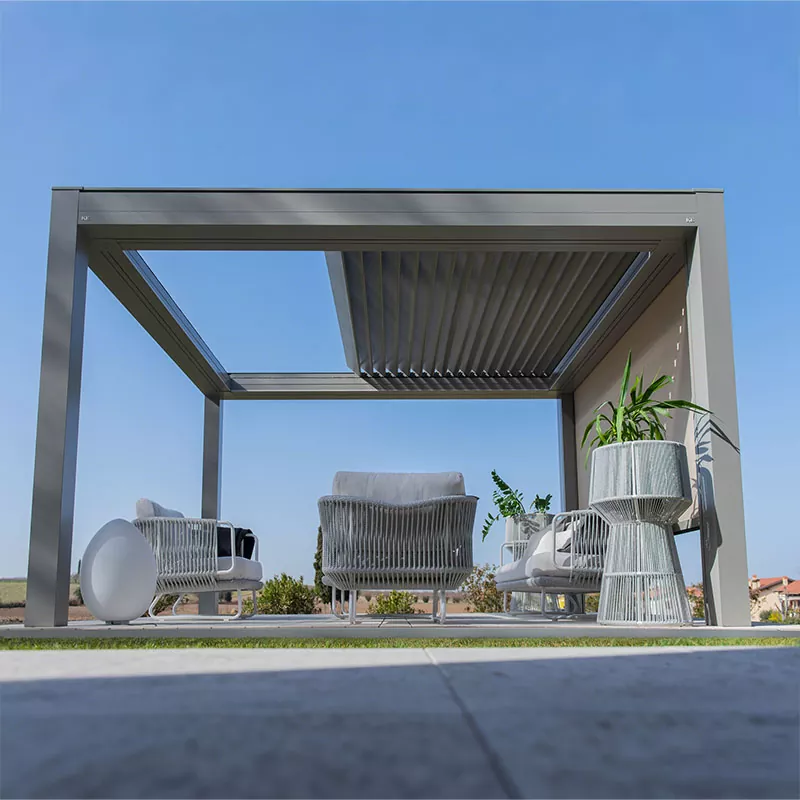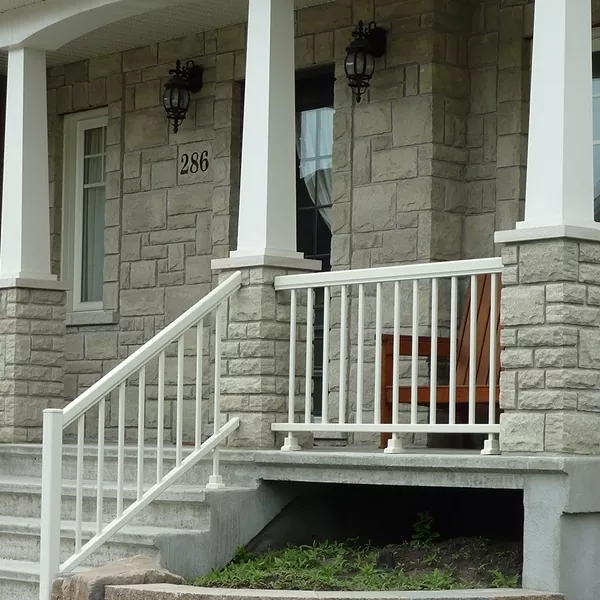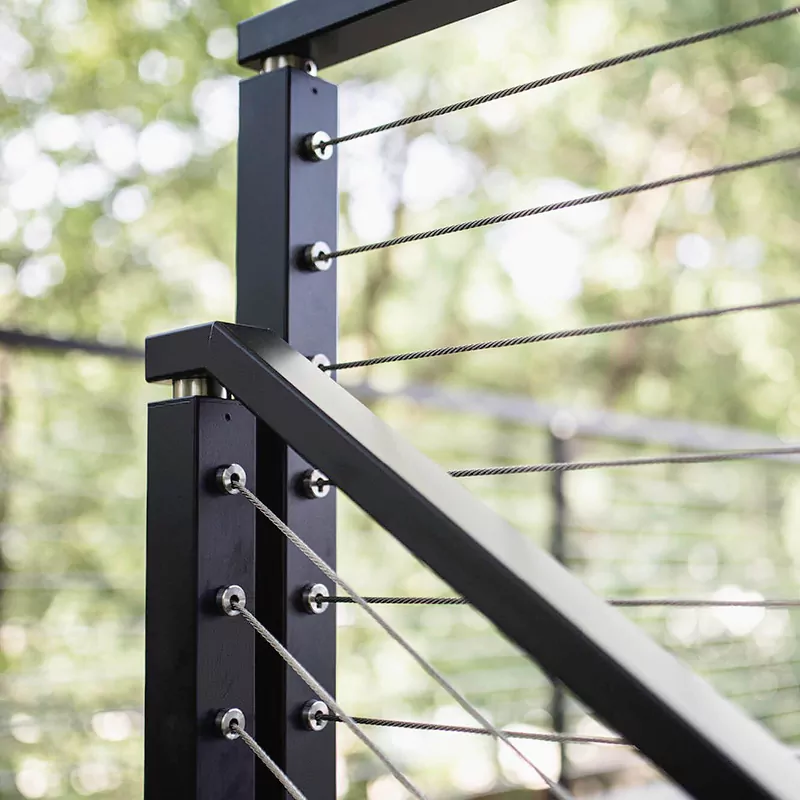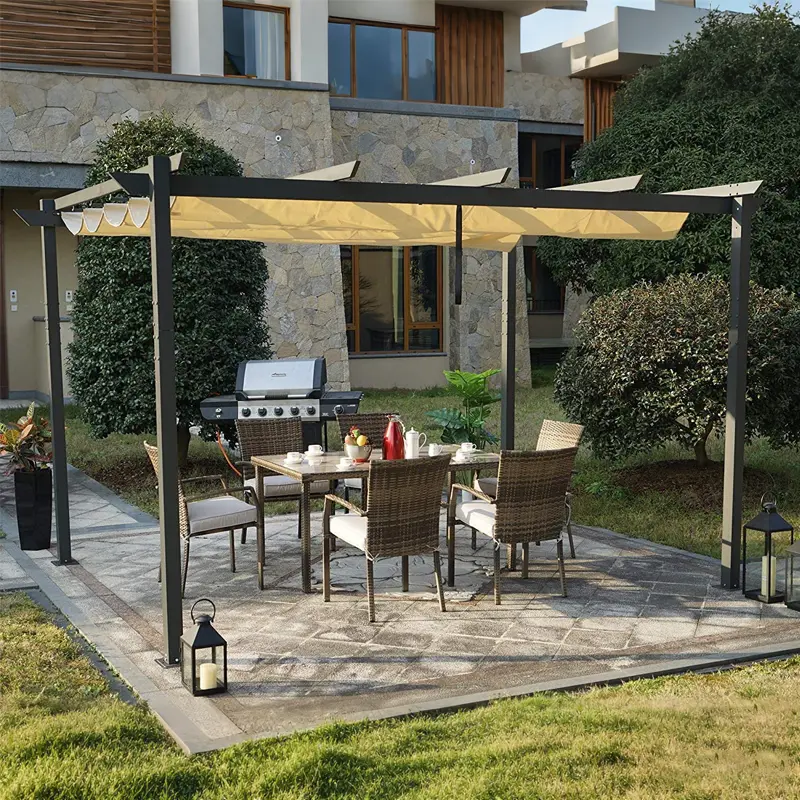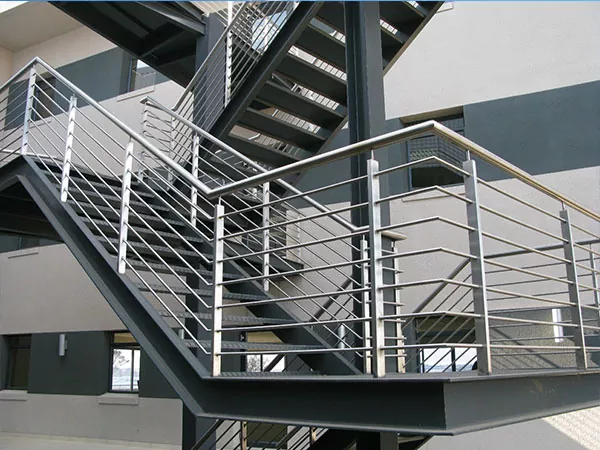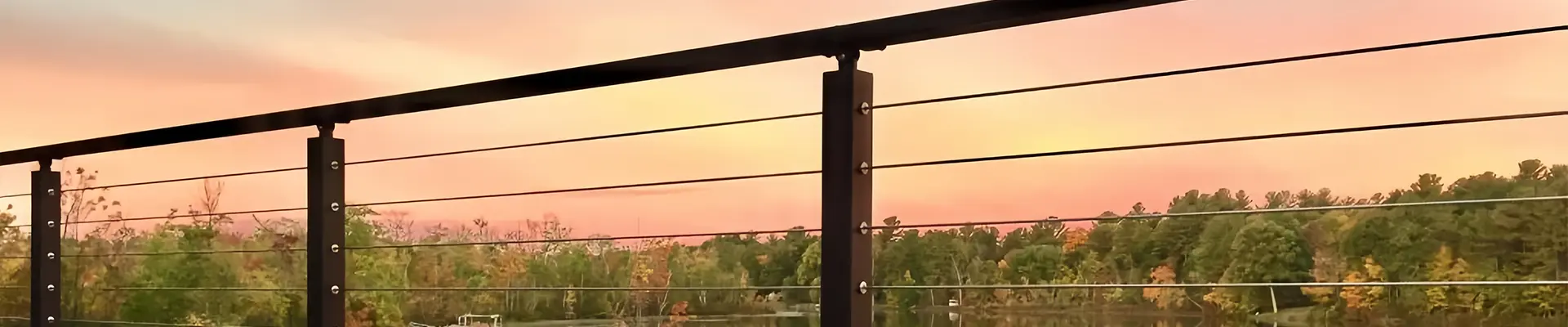
How To Choose A Deck Railing Solution?
Selecting the ideal deck railing system is one of the most critical decisions in residential and commercial outdoor architectural projects. Beyond fulfilling safety requirements, a well-engineered deck railing elevates property aesthetics, enhances perimeter security, and dictates long-term maintenance overhead. Homeowners, contractors, and project developers often face a overwhelming array of material configurations, architectural styles, and local building code dictates. Choosing a deck railing solution requires a systematic evaluation of material structural durability, architectural alignment, total cost of ownership, and installation complexity.
At Vionta Metal, our team brings decades of specialized manufacturing expertise to assist builders, distributors, and homeowners in navigating outdoor building material decisions. As a premier outdoor architectural solutions manufacturer, our factory produces high-precision railing components designed to withstand rigorous environmental stressors while maintaining visual clarity and elegant styling. In this comprehensive guide, we examine every key variable necessary to evaluate, select, and install the perfect deck railing solution tailored to your specific project needs.
Table of Contents
- Why Is Selecting The Right Deck Railing Solution Critical For Your Property?
- What Are The Primary Material Options For Modern Deck Railing Systems?
- How Do Building Codes And Safety Standards Impact Your Railing Selection?
- How To Evaluate Maintenance Requirements And Longevity Across Different Deck Railings?
- What Architectural Styles Pair Best With Specific Deck Railing Designs?
- How To Calculate The Total Cost Of Ownership For Deck Railing Solutions?
- Why Partner With Vionta Metal For Custom Deck Railing Manufacturing?
- Conclusion & Actionable Steps
- Frequently Asked Questions
Why Is Selecting The Right Deck Railing Solution Critical For Your Property?
A deck railing is far more than a decorative boundary; it is a load-bearing structural barrier essential for property safety and architectural balance. Understanding why this choice impacts your overall outdoor space enables informed procurement and design decisions.
- Life Safety and Structural Integrity: Elevated outdoor spaces pose inherent falling hazards. A robust deck railing system acts as the primary safety barrier protecting family members, guests, and commercial visitors. Choosing an inferior or improperly rated system compromises structural resilience against dynamic impact loads and environmental stress.
- Enhancing Outdoor Architectural Value: The railing system serves as the visual framing for your deck, patio, or elevated terrace. The right aesthetic choice complements building facades, enhances curb appeal, and adds measurable value to residential and commercial real estate portfolios.
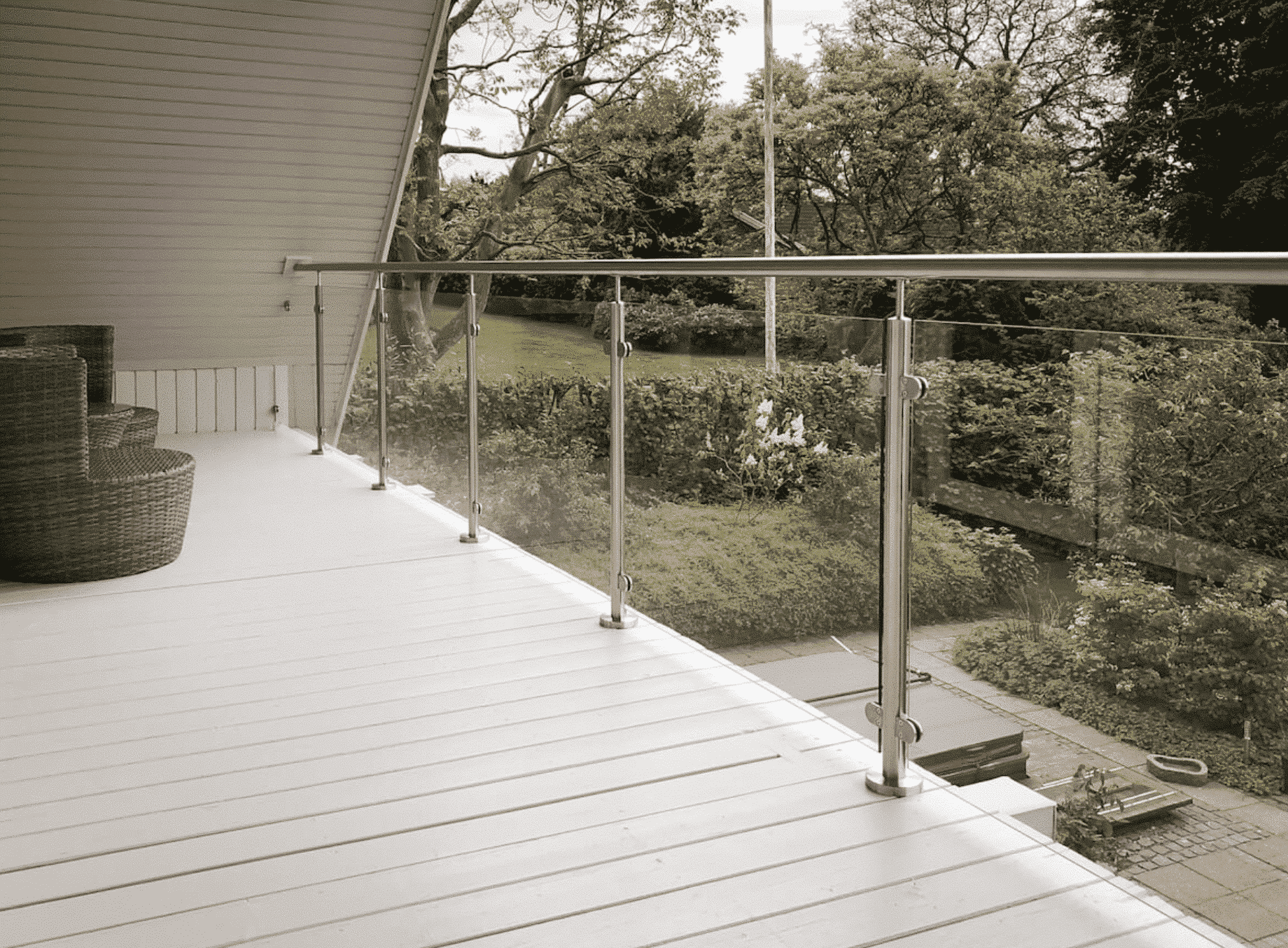
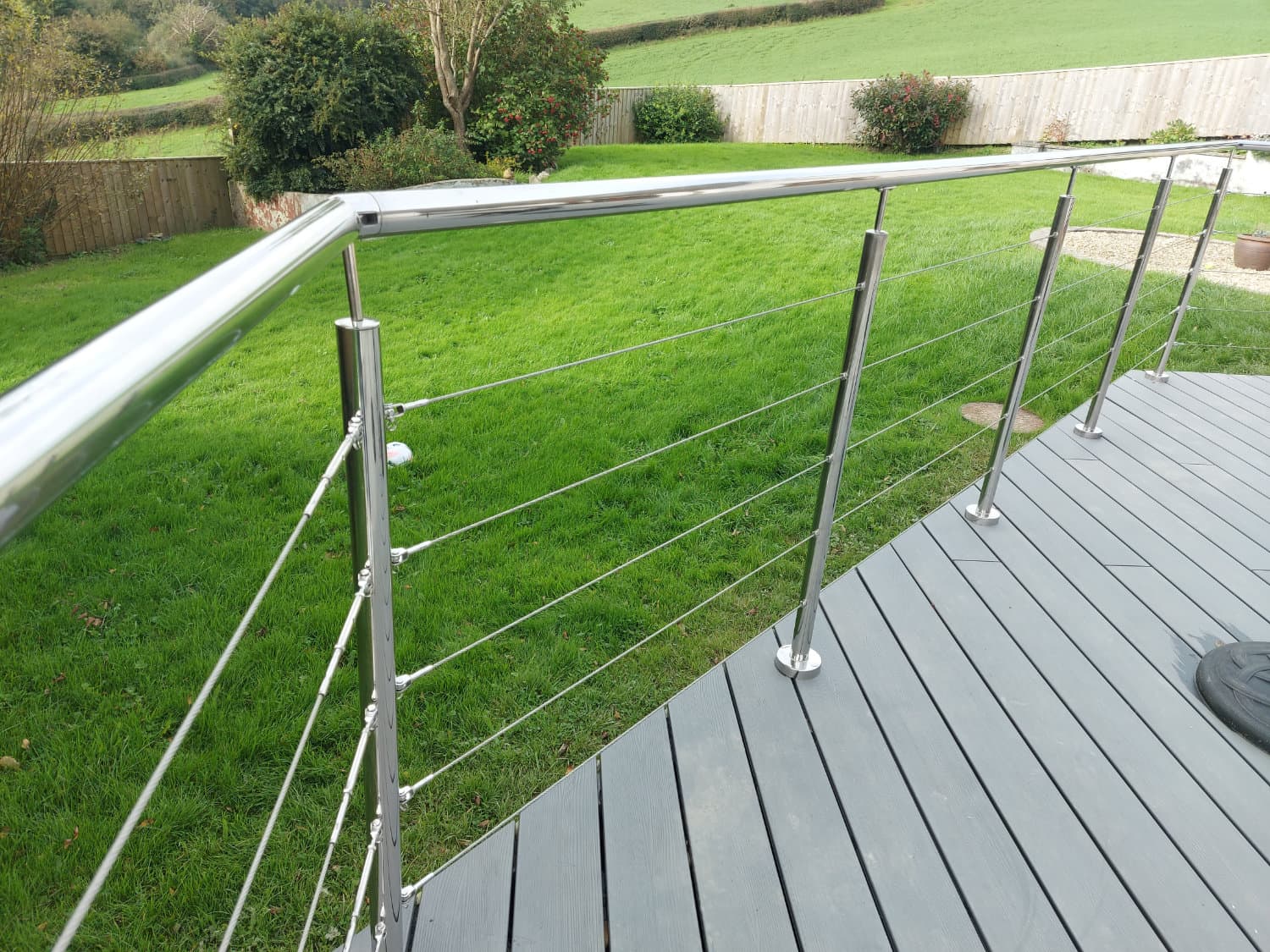
- Preserving Panoramic Views: Depending on your property location, preserving clear sightlines to ocean views, mountain landscapes, or lush gardens may be a primary objective. Selecting appropriate infill options like tempered glass or slim stainless steel cable wire ensures maximum visibility without sacrificing safety.
- Minimizing Long-Term Upkeep Costs: Outdoor building elements are continuously exposed to ultraviolet radiation, rain, moisture, freeze-thaw cycles, and airborne salts. Choosing weather-resilient materials produced in our facility dramatically reduces annual labor, recoating costs, and premature system replacement.
- Compliance with Municipal Regulations: Structural guardrails must adhere strictly to regional structural codes. Installing non-compliant systems leads to project delays, failed municipal inspections, legal liability, and costly teardowns.
What Are The Primary Material Options For Modern Deck Railing Systems?
Material selection serves as the foundation of deck railing performance. Each core material delivers distinct structural properties, surface finishing options, and aesthetic qualities. Below is a structured analysis of the primary deck railing materials manufactured and utilized across modern construction projects.
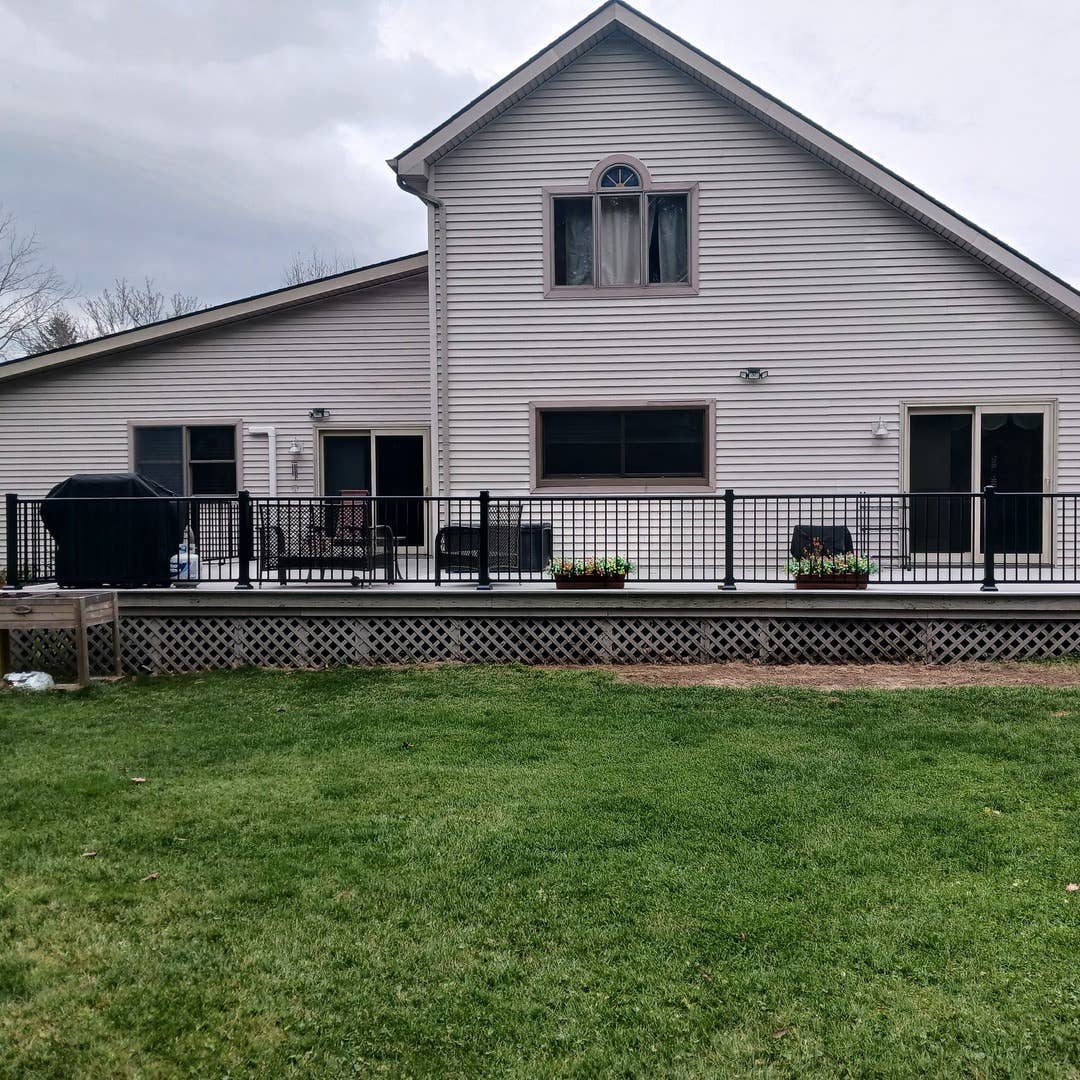
1. Aluminum Deck Railing Systems
Aluminum has emerged as the industry standard for low-maintenance, high-durability exterior guardrails. At Vionta Metal, our engineering teams process architectural-grade aluminum alloys treated with advanced electrostatic powder coating finishes to ensure maximum weather resistance.
- Corrosion Resistance: Aluminum naturally forms a protective oxide layer, making it immune to rust, moisture degradation, and rot. This makes it ideal for humid, coastal, or rainy climates.
- High Strength-to-Weight Ratio: Extruded aluminum offers exceptional structural rigidity while remaining lightweight, reducing installation labor and freight shipping overhead.
- Design Versatility: Aluminum extrusions can be customized into classic vertical balusters, horizontal slats, glass channel frames, or modern cable support systems.
- Color Customization: Industrial powder coating allows for a wide array of matte, textured, and custom RAL color options that resist fading and chalking under heavy sunlight exposure.
2. Stainless Steel Deck Railing Systems
Stainless steel delivers unmatched structural tensile strength alongside a sleek modern aesthetic. Our factory specializes in precision-machined 304 and 316 marine-grade stainless steel components for demanding structural applications.
- Maximum Load Capacity: Premium stainless steel supports extreme linear tension, making it the preferred post material for cable tensioning systems and heavy glass panels.
- Grade Selection: Grade 304 provides superior strength for inland residential environments, while Grade 316 offers added molybdenum content to resist pitting from marine salt spray.
- Refined Aesthetics: Available in brushed satin or mirror-polished finishes, stainless steel accents modern, industrial, and minimalist architectural designs effortlessly.
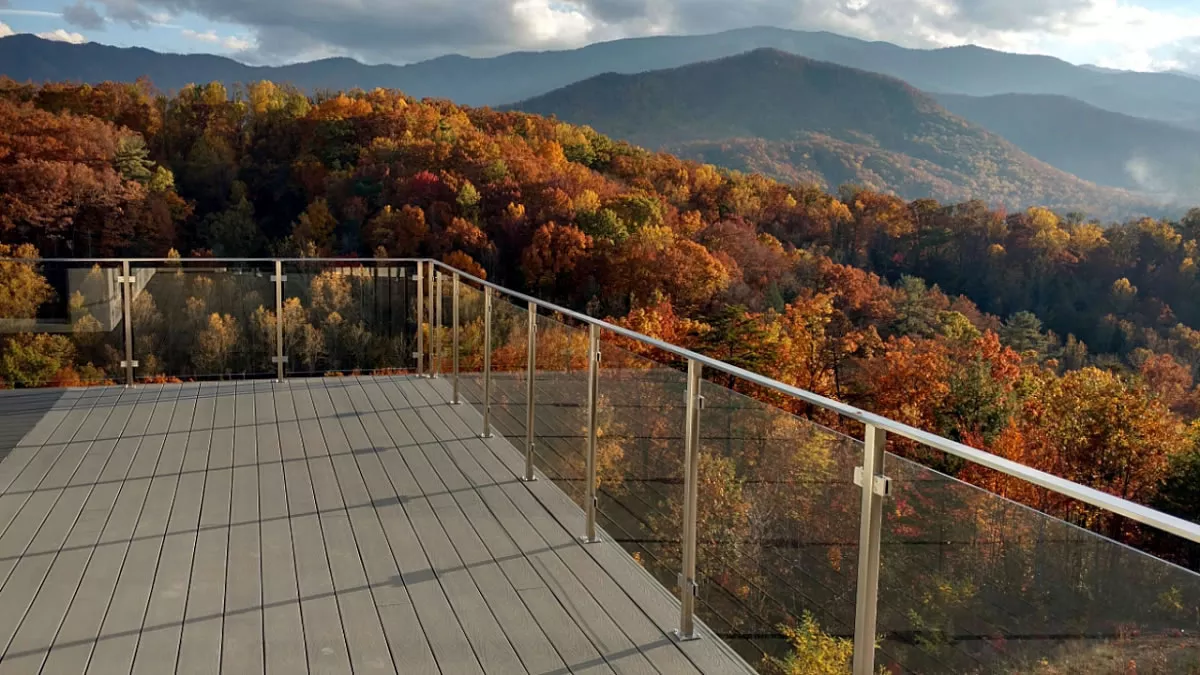
3. Glass Deck Railing Systems
Glass railing systems provide unobstructed views and a luxurious perimeter barrier, serving as a primary choice for high-end residential estates and hospitality venues.
- Uninterrupted Line of Sight: Solid glass panels eliminate visual barriers, maximizing natural light distribution and landscape visibility.
- Wind Barrier Protection: Full-height glass panels double as effective windbreaks, extending the usability of elevated outdoor living spaces during breezy conditions.
- Safety Glass Specifications: Premium glass systems utilize heavy-duty tempered or laminated safety glass panels that resist impact and withstand extreme thermal shifts.
4. Traditional Wood and Composite Railings
Wood provides classic natural aesthetic warmth but requires perpetual sealing, staining, and repair. Composite alternatives mitigate rot risks but can exhibit thermal expansion issues and reduced tensile span capacity compared to metal frameworks.
| Material Type | Durability Rating | Maintenance Needs | Corrosion Resistance | Ideal Application Environment |
| Aluminum (Powder Coated) | Exceptional | Very Low | Superior (No Rust) | Coastal, Urban, High-Humidity Zones |
| Stainless Steel (316 Grade) | Maximum Strength | Low to Moderate | High Coastal Salt Spray Resistance | High-End Residential, Waterfront Properties |
| Tempered Glass with Metal Frame | High Structural Rigidity | Moderate (Cleaning Required) | High Weather Resistance | Properties with Panoramic Scenic Views |
| Traditional Treated Wood | Moderate | High (Annual Sealing) | Susceptible to Rot and Termites | Budget-Conscious Inland Rustic Cabins |
How Do Building Codes And Safety Standards Impact Your Railing Selection?
Understanding building code compliance is mandatory prior to finalizing any railing system purchase. Guardrail failures present severe structural hazards, and municipal regulations strictly define dimensional, strength, and spacing criteria.
- Minimum Guardrail Height Requirements: In residential construction, standard building codes typically dictate a minimum finished guardrail height of 36 inches above the deck surface. For commercial properties, high-density residential buildings, or elevated structures above 30 inches, code requirements often demand a minimum height of 42 inches.
- The 4-Inch Sphere Infill Spacing Rule: To prevent young children from slipping through or becoming trapped, infill spacing must strictly prevent a 4-inch diameter solid sphere from passing through any opening. This applies to vertical balusters, horizontal cables, and decorative panels.
-
Structural Load Resistance Requirements: Building codes require guardrail systems to withstand specific structural forces applied to the top rail.
- Concentrated Load Test: The top rail must resist a single concentrated load of at least 200 pounds applied in any outward or downward direction at any point along the top rail.
- Uniform Distributed Load: Commercial structures often require the top rail to withstand a uniform load of 50 pounds per linear foot applied horizontally and vertically.
- Glass Safety Panel Regulations: When glass is specified as an infill material, structural codes require fully tempered glass or laminated safety glass meeting rigorous safety standards. Tempered glass must be clearly stamped with safety certifications.
- Handrail Requirements for Staircases: Deck staircases exceeding a specified number of risers require continuous, graspable handrails positioned between 34 and 38 inches measured vertically from the stair tread nosing.
How To Evaluate Maintenance Requirements And Longevity Across Different Deck Railings?
Evaluating total maintenance effort over a 15 to 30 year lifespan is essential when selecting a railing product. Initial material savings can quickly erode if annual upkeep requires specialized treatments, painting, or component replacement.
- Powder-Coated Aluminum Upkeep: Aluminum systems engineered by Vionta Metal require minimal maintenance. Routine cleaning involves rinsing the framework with fresh water and mild soapy solution twice a year to remove ambient dust, dirt, and organic build-up.
- Stainless Steel Passivation and Surface Care: While stainless steel exhibits exceptional strength, exposure to airborne salt or industrial pollutants can lead to superficial tea-staining if left untreated. Regular cleaning with specialized stainless steel surface conditioners maintains a clean finish and preserves passive anti-corrosion surface layers.
- Glass Panel Care: Glass railings maintain high structural clarity but show water spots, dust, and handprints over time. Periodic cleaning with standard automotive or window cleaning solutions keeps glass panels fully transparent.
- Fastener and Anchor Inspections: Regardless of material choice, hardware components should undergo an annual safety check. Stainless steel mounting anchors, post attachment plates, and tensioners must be inspected to verify structural tightness and structural integrity.
- Resistance to Thermal Expansion and UV Radiation: Premium metal railing systems exhibit minimal thermal expansion compared to composite or plastic alternatives. Our factory structural metals remain dimensionally stable without warping, sagging, or fading under harsh solar radiation exposure.
What Architectural Styles Pair Best With Specific Deck Railing Designs?
Achieving visual harmony requires matching deck railing lines and materials to the existing architectural design of the building. The right design choice creates a seamless transition between indoor living areas and outdoor landscaping.
-
Modern and Minimalist Architecture: Modern architectural homes emphasize clean lines, crisp visual geometry, and uncluttered profiles.
- Best Railing Match: Matte black or dark bronze powder-coated aluminum frames paired with horizontal stainless steel cable infills or frameless glass panels.
- Visual Impact: Provides a clean, ultra-modern look that preserves open space and structural lightness.
-
Traditional and Craftsman Style Homes: Traditional homes feature classic wood accents, substantial rooflines, and timeless structural elements.
- Best Railing Match: Robust square aluminum posts with vertical square balusters or decorative lattice metal panels.
- Visual Impact: Delivers substantial visual framing that mirrors classic woodwork while providing long-lasting metal durability.
-
Coastal and Resort-Style Properties: Coastal and waterfront properties focus on maximizing open vistas while resisting harsh ocean winds and salt exposure.
- Best Railing Match: Grade 316 stainless steel post systems featuring full-height tempered glass panel infills.
- Visual Impact: Shields outdoor seating areas from ocean breezes while preserving continuous water views.
-
Industrial and Urban Loft Designs: Industrial architecture highlights functional structural elements, exposed metal framing, and raw material finishes.
- Best Railing Match: Brushed stainless steel post systems with precision-tensioned wire cables and industrial top rail caps.
- Visual Impact: Emphasizes utilitarian durability and clean industrial geometry.
How To Calculate The Total Cost Of Ownership For Deck Railing Solutions?
When calculating the true cost of a deck railing system, project owners must look beyond the initial purchase price per linear foot. Total Cost of Ownership encompasses initial hardware costs, shipping fees, installation labor, annual maintenance expenses, and anticipated system lifespan.
- Initial Material Procurement Expenses: Raw material selection directly dictates initial costs. High-grade aluminum and composite systems present moderate material costs, whereas stainless steel cable and custom glass systems require higher initial capital investment due to specialized manufacturing processes.
- Freight and Logistics Efficiency: Heavy, pre-assembled structural panels increase shipping costs. At Vionta Metal, our engineering team designs modular knockdown railing systems that pack efficiently into standard transport containers, reducing international freight costs for bulk orders.
- Installation Complexity and Labor Hours: Modular pre-drilled systems reduce on-site labor hours significantly. Systems requiring field welding or custom glass cutting during installation demand specialized skilled labor, increasing overall project expenditure.
- Long-Term Maintenance and Replacement Overhead: Low-cost traditional materials often demand annual labor, painting, sealing, and hardware replacement. Investing in durable powder-coated metal systems manufactured in our factory delivers significant long-term savings over a 20-year operational lifecycle.
| Railing Category | Initial Capital Cost | Installation Labor Cost | 20-Year Upkeep Cost | Overall Value Ranking |
| Powder-Coated Aluminum | Moderate | Low (Modular Assembly) | Minimal (Periodic Wash) | Highest Total ROI |
| 316 Stainless Steel Cable | Moderate-High | Moderate (Tensioning Required) | Low (Surface Rinse) | High Architectural Value |
| Frameless Tempered Glass | High | High (Heavy Lifting Equipment) | Moderate (Glass Cleaning) | Premium Luxury Appeal |
| Pressure-Treated Wood | Low Initial Cost | Moderate | Extremely High (Sealing/Repairs) | Low Long-Term ROI |
Why Partner With Vionta Metal For Custom Deck Railing Manufacturing?
Selecting the right manufacturing partner is just as critical as choosing the right material. Vionta Metal stands as an industry leader in engineering high-performance exterior railing systems tailored to commercial, residential, and industrial architectural projects worldwide.
- State-of-the-Art Manufacturing Capabilities: Our factory operates advanced automated CNC machining, laser cutting, robotic welding, and automated electrostatic powder coating production lines. This automated precision guarantees strict dimensional tolerances, smooth weld joints, and pristine surface finishes across mass production runs.
- Rigorous Quality Control and Testing Protocols: Quality assurance is embedded in every step of our manufacturing workflow. Every batch of aluminum extrusions and stainless steel components undergoes tensile strength testing, corrosion resistance salt spray chamber evaluation, and impact load testing to verify compliance with global building standards.
- Custom OEM and ODM Engineering Support: Every architectural project presents unique structural requirements. Our in-house engineering team collaborates directly with architects, project managers, and building material distributors to create customized drawings, specialized mounting hardware, and bespoke profile extrusions tailored to exact project blueprints.
- Direct Factory Pricing and Efficient Global Supply Chain: By sourcing directly from our factory, clients eliminate intermediary markups, gaining access to premium architectural building products at highly competitive direct manufacturing prices. Our logistics division coordinates streamlined international shipping, ensuring on-time job-site deliveries.
- Comprehensive Technical Documentation: Vionta Metal supplies fully documented installation guides, structural engineering reports, CAD files, and technical specifications to streamline municipal permitting and simplify on-site contractor installation workflows.
Conclusion & Actionable Steps
Choosing the right deck railing solution requires balancing safety compliance, material durability, architectural design, and long-term financial investment. By prioritizing low-maintenance materials such as powder-coated aluminum or marine-grade stainless steel, property owners and project developers secure robust perimeter protection while drastically cutting lifetime maintenance costs. Ensuring strict adherence to guardrail height, 4-inch sphere spacing rules, and concentrated load tests guarantees a safe, code-compliant installation that protects lives and enhances real estate value.
Transform Your Outdoor Project with Vionta Metal
Ready to elevate your residential or commercial development with world-class deck railing systems? At Vionta Metal, our factory engineers and product specialists are available to provide technical consultations, customized product quotes, and CAD support tailored to your project requirements. Contact our expert team today to explore our full catalog of premium aluminum, stainless steel, and glass deck railing solutions.
Frequently Asked Questions
What is the safest deck railing material for elevated deck installations?
Powder-coated architectural aluminum and marine-grade stainless steel are considered the safest deck railing materials due to their high structural tensile strength, long-term resistance to corrosion, and capacity to withstand heavy structural impact loads without rotting or cracking.
Why is powder-coated aluminum superior to traditional wood deck railing systems?
Powder-coated aluminum superior to traditional wood because aluminum will never rot, warp, twist, or suffer termite infestation, requiring only simple periodic soap and water cleaning while eliminating the high cost of annual staining, painting, and structural repairs.
How to maintain stainless steel deck railing in coastal or salt air environments?
Maintaining stainless steel in coastal environments requires selecting Grade 316 marine-grade stainless steel hardware and conducting periodic fresh water rinses along with application of stainless steel passivating cleaners to prevent superficial salt tea-staining.
What are the standard building code spacing requirements for deck railing balusters?
Standard residential and commercial building codes require that infill balusters or horizontal cables be spaced closely enough so that a 4-inch diameter solid sphere cannot pass through any opening in the deck railing assembly.
How long does a professionally manufactured metal deck railing system last?
A professionally engineered and powder-coated metal deck railing system manufactured in a modern factory setting typically lasts 25 to 30 years or more with minimal maintenance before requiring major structural component replacement.
Related News
- Why Stainless Cable Railing Shines in Winter?
- How Can a Snow Load Aluminum Pergola Deliver Reliable Year-Round Outdoor Protection
- What Awning Fabric and Frame Options Are Available?
- Is Glass Railing Safe for Balconies and Terraces?
- What Makes Stainless Steel the Ideal Material for Outdoor Railings?
- Are Jalousie Windows Easy to Break Into?
Leave me a message