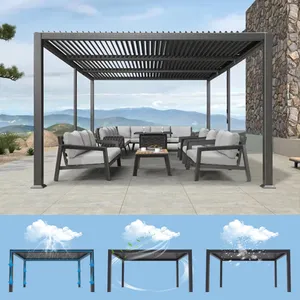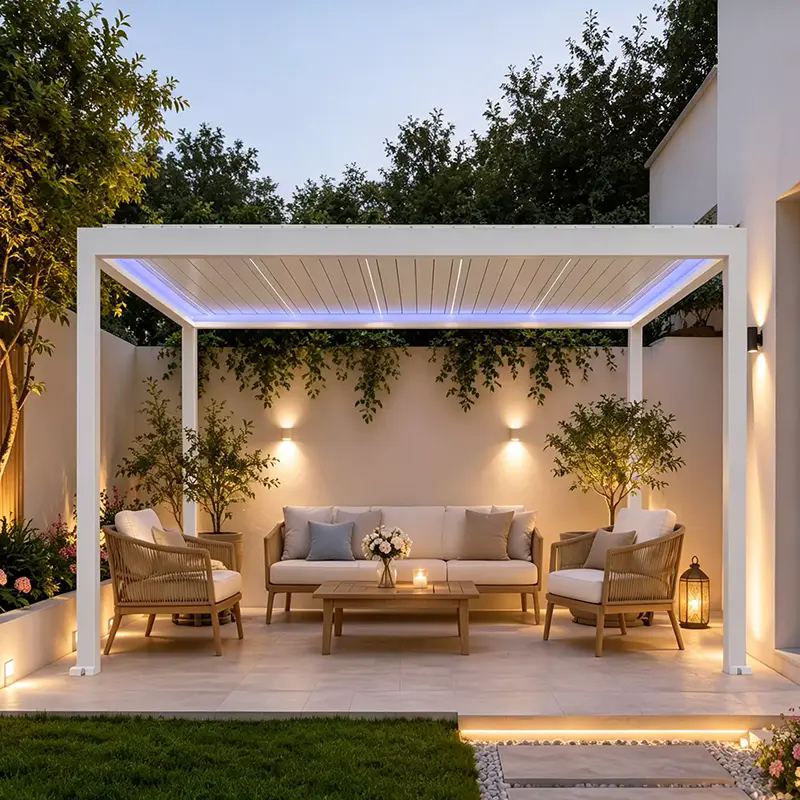
Why Pergola Installations Are Becoming Essential for Modern Outdoor Living?
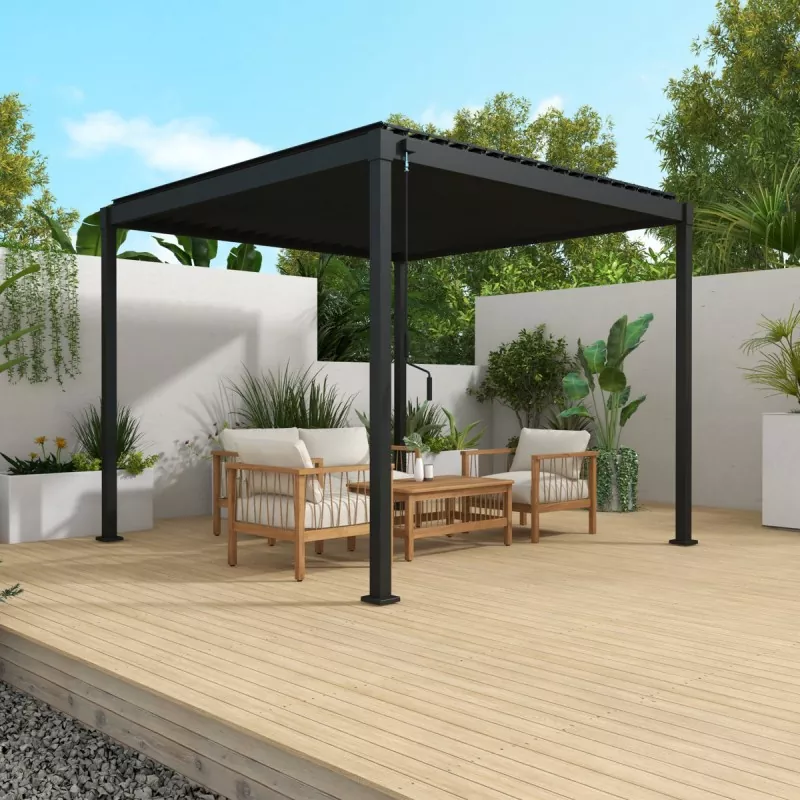
Outdoor living has become one of the most important trends in modern residential and commercial architecture. Homeowners, architects, and landscape designers increasingly focus on creating functional outdoor areas that provide comfort, shade, and aesthetic appeal. Among the most popular solutions is the installation of a well-designed pergola system. A pergola can transform a simple backyard, rooftop terrace, hotel patio, or poolside deck into a practical and stylish living space.
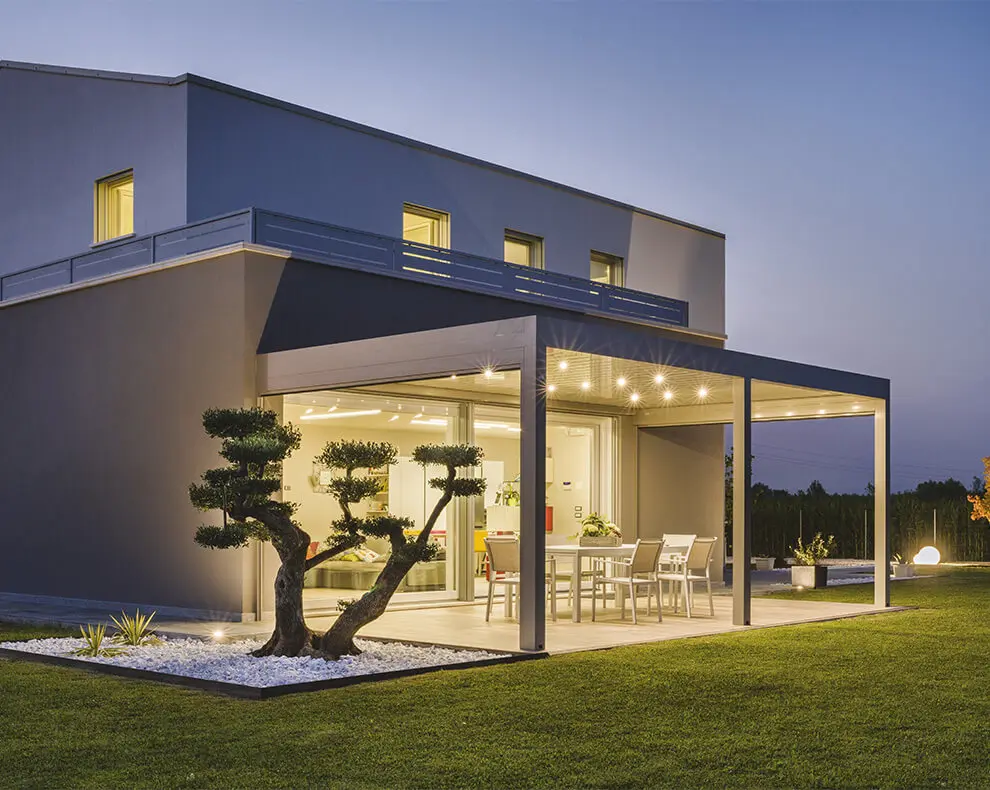
In recent years, the demand for durable and low-maintenance structures has made the outdoor pergola one of the most widely installed outdoor architectural elements. Compared with traditional wooden structures, modern aluminum pergola systems offer better durability, weather resistance, and design flexibility. These systems are widely used in residential gardens, restaurants, resorts, villas, and commercial landscapes.
Many buyers ask practical questions before starting a project. What makes an outdoor pergola suitable for long-term outdoor use. Why do architects recommend aluminum pergola structures for modern homes. How do professionals approach pergola installations in different environments such as patios, rooftops, and garden landscapes. These questions highlight the importance of understanding both the product and the installation process.
As a professional manufacturer, Vionta Metal has extensive experience supplying customized pergola structures for international construction and landscaping projects. Our factory focuses on precision aluminum fabrication, structural stability, and modular installation systems that simplify on-site assembly while maintaining long-term durability.
This guide provides a comprehensive explanation of pergola installations, covering design considerations, material specifications, structural parameters, installation procedures, and professional tips that improve safety and performance. The article is designed for homeowners, contractors, builders, and project managers who want a clear and practical understanding of pergola installation projects.
Table of Contents
What Makes an Outdoor Pergola the Ideal Structure for Modern Outdoor Spaces
Why Do Aluminum Pergola Systems Perform Better in Long Term Outdoor Installations
How to Plan Professional Pergola Installations Step by Step
What Technical Parameters Should Be Considered Before Installing an Outdoor Pergola
What Makes an Outdoor Pergola the Ideal Structure for Modern Outdoor Spaces
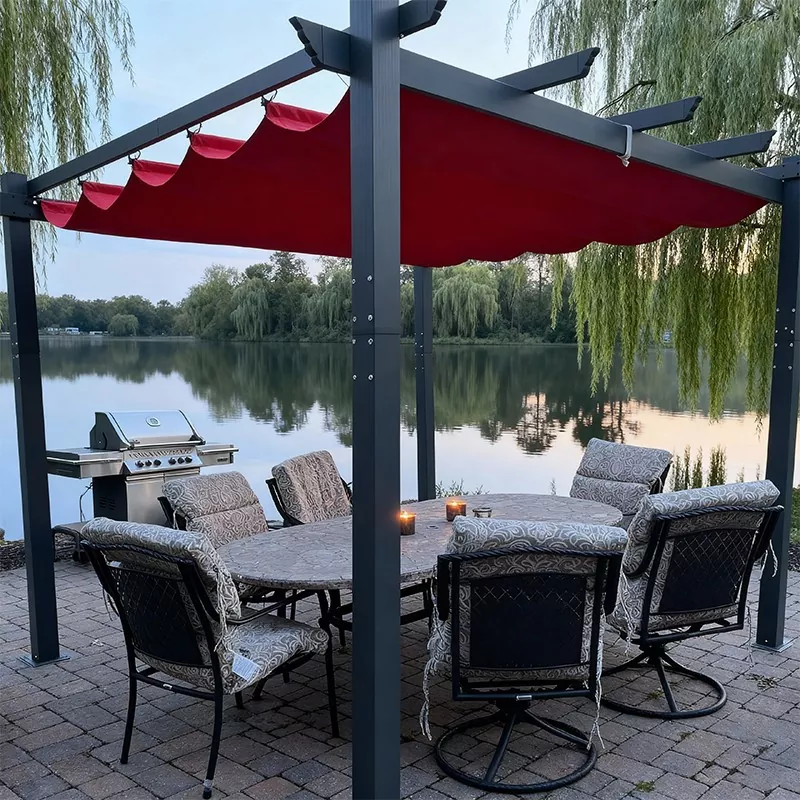
Outdoor architecture has evolved rapidly as property owners place greater emphasis on lifestyle-oriented environments. A well-designed outdoor pergola offers a unique balance between open-air freedom and practical protection from sun exposure. The structure defines outdoor living areas without creating the enclosed feeling of a traditional building.
Many architects consider the outdoor pergola one of the most flexible landscape structures available today. It can function as a shaded lounge area, a dining space, a garden feature, or a structural extension of the home.
Main Benefits of Pergola Installations
- Creates defined outdoor living zones
- Provides effective sun shading
- Enhances architectural aesthetics
- Increases property value
- Supports integration with lighting and outdoor furniture
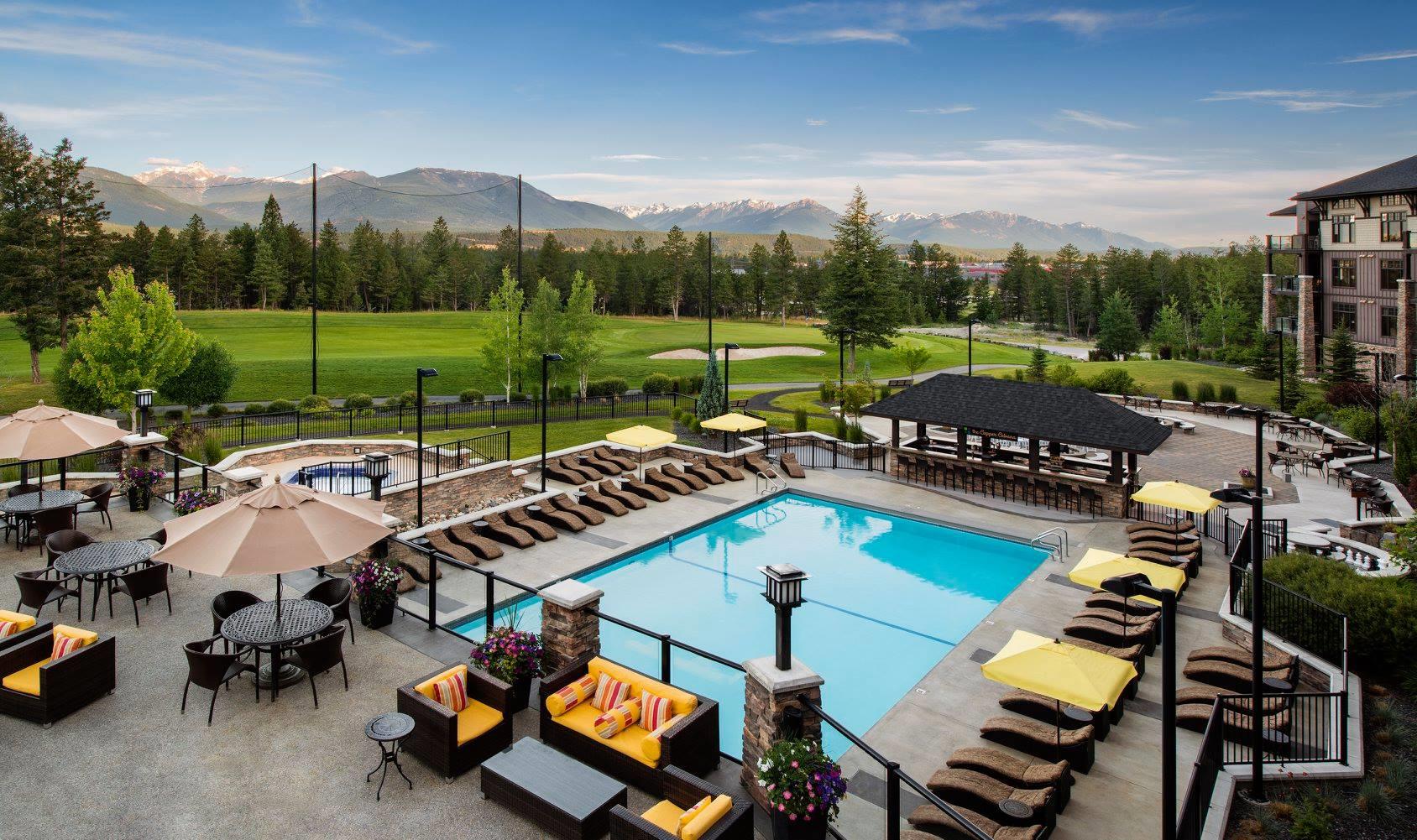
Modern pergola installations are also designed to integrate with other outdoor features including decks, swimming pools, barbecue areas, and garden pathways. Because the structure remains open on the sides, airflow remains natural while shade is still provided above.
Typical Application Scenarios
- Residential backyard patios
- Luxury villa gardens
- Hotel terrace lounges
- Restaurant outdoor seating areas
- Poolside relaxation zones
- Commercial landscape design projects
Many designers also ask what makes an outdoor pergola suitable for different climates. The answer depends largely on the materials used and the structural design. Traditional wooden pergolas often require constant maintenance and are vulnerable to moisture damage. In contrast, modern aluminum pergola systems provide superior corrosion resistance and structural stability.
Vionta Metal has supplied pergola structures to a wide range of international projects where durability and clean architectural appearance are essential. Our engineering team focuses on modular structural design so that installation remains efficient while maintaining strong load-bearing performance.
Another important advantage of a pergola installation is its compatibility with additional outdoor systems. Lighting strips, retractable roofs, shade panels, heaters, and privacy screens can all be integrated into the structure.
This versatility explains why many developers now consider pergolas an essential component of outdoor planning rather than simply a decorative structure.
Why Do Aluminum Pergola Systems Perform Better in Long Term Outdoor Installations
Material selection plays a critical role in determining the durability and performance of any outdoor structure. When comparing construction materials, aluminum has emerged as the preferred option for modern pergola systems due to its strength, corrosion resistance, and low maintenance requirements.
Many builders ask why aluminum pergola structures are becoming more popular than wood or steel alternatives. The answer lies in the unique properties of aluminum alloys combined with advanced surface treatments.
Advantages of Aluminum Pergola Structures
- High strength to weight ratio
- Excellent corrosion resistance
- Minimal maintenance requirements
- Modern architectural appearance
- Long service life in outdoor environments
Aluminum is naturally resistant to rust, making it particularly suitable for coastal regions or areas with high humidity. Powder coating and anodizing treatments further enhance the protective layer, allowing the structure to withstand harsh weather conditions.
Our factory uses advanced extrusion technology to produce high precision aluminum components that maintain structural stability over many years of outdoor exposure. This ensures that pergola installations remain safe and visually appealing even in challenging climates.
Comparison of Common Pergola Materials
| Material | Durability | Maintenance | Weather Resistance | Service Life |
| Wood | Moderate | High | Low | 5 to 10 years |
| Steel | High | Moderate | Moderate | 10 to 15 years |
| Aluminum | High | Low | Excellent | 20 years or more |
Vionta Metal focuses on producing aluminum pergola systems that meet international construction standards. Our engineering approach emphasizes precision cutting, reinforced connectors, and modular components that simplify assembly.
Another reason why many professionals ask how aluminum pergola systems improve installation efficiency is the lightweight nature of aluminum. Compared with steel structures, aluminum components are easier to transport, position, and assemble on site.
This advantage significantly reduces labor time and installation costs, particularly for large residential or commercial projects.
How to Plan Professional Pergola Installations Step by Step
A successful pergola installation begins long before the first structural component is assembled. Careful planning ensures the structure meets safety standards, design expectations, and long-term usability requirements.
Many project managers ask how to install pergola systems correctly while avoiding structural mistakes. The answer lies in following a clear and professional installation workflow.
Step 1 Site Evaluation
- Measure the available space
- Identify ground conditions
- Check drainage systems
- Evaluate sun exposure direction
- Determine wind load factors
Step 2 Structural Design Planning
- Select pergola size and layout
- Determine column positions
- Choose roof configuration
- Confirm attachment method
- Evaluate surrounding landscape features
Step 3 Foundation Preparation
- Concrete base installation
- Anchor bolt placement
- Level surface preparation
- Structural alignment checks
Step 4 Frame Assembly
- Column installation
- Main beam connection
- Roof beam installation
- Structural reinforcement
Step 5 Roof System Installation
- Install louvers or panels
- Check opening mechanism
- Adjust alignment
- Secure fastening components
Professional installers also recommend verifying every connection point before finalizing the installation. Small alignment errors during early stages can affect long term structural stability.
Our engineering team at Vionta Metal designs pergola systems with modular components that reduce installation complexity. The pre-drilled connection points and standardized components make assembly more efficient for contractors and installers.
Many customers also ask how outdoor pergola installations differ between ground patios and rooftop terraces. Rooftop installations require additional structural evaluation to ensure the building structure can support the load.
What Technical Parameters Should Be Considered Before Installing an Outdoor Pergola
Before selecting a pergola system, buyers should carefully evaluate technical specifications to ensure the structure meets project requirements. These parameters affect durability, structural safety, and installation compatibility.
Typical Aluminum Pergola Product Specifications
| Parameter | Specification |
| Main Frame Material | 6063 T5 Aluminum Alloy |
| Surface Treatment | Powder Coating |
| Standard Column Size | 120 mm x 120 mm |
| Main Beam Size | 150 mm x 75 mm |
| Maximum Span | 6 meters |
| Wind Resistance | Up to 120 km per hour |
| Optional Accessories | LED Lighting, Side Screens, Sliding Glass Doors |
When evaluating pergola installations, engineers often analyze environmental factors such as wind load, snow load, and rainfall exposure. These factors influence structural reinforcement and anchoring requirements.
Our factory focuses on producing precision aluminum structures designed for long-term outdoor use. Each pergola system is manufactured using high-grade aluminum profiles combined with durable surface treatments that protect against corrosion and UV exposure.
Another key consideration is modular compatibility. High quality aluminum pergola systems allow additional accessories to be integrated after installation, providing flexibility for future upgrades.
For example, many clients begin with a basic outdoor pergola structure and later add retractable side screens, lighting systems, or privacy panels to enhance functionality.
Conclusion
Pergola installations have become one of the most effective ways to expand outdoor living spaces while maintaining architectural elegance. From residential gardens to commercial hospitality environments, a well-designed pergola provides shade, comfort, and visual impact.
Understanding installation planning, structural materials, and technical parameters is essential for achieving long-term durability and safety. Aluminum pergola systems offer an ideal combination of strength, weather resistance, and modern design flexibility.
Vionta Metal continues to support international customers with customized pergola manufacturing solutions. Our engineering experience, advanced production capabilities, and strict quality control standards ensure that every structure delivered from our factory meets the expectations of modern outdoor architecture.
If you are planning a residential or commercial pergola project, selecting the right manufacturer and installation approach can significantly improve both efficiency and long term performance.
Contact our team today to discuss your project requirements. Our factory can provide customized aluminum pergola solutions, detailed technical support, and professional guidance for successful pergola installations worldwide.
Ready to Transform Your Outdoor Space?
Get a personalized quote for your pergola installation project today. Our engineering team is ready to review your site, recommend the right configuration, and provide full technical documentation to support your project from planning to sign-off.
FAQ
How to Install pergola on a concrete patio
To install a pergola on a concrete patio, installers first measure and mark the column positions carefully. Anchor bolts are drilled into the concrete foundation to secure the base plates of the pergola columns. After fixing the columns, the main beams and roof structure are assembled according to the installation drawings. Proper alignment and leveling are essential to ensure the structure remains stable.
How to Install pergola in a backyard garden
Installing a pergola in a backyard garden usually requires creating concrete footings for each column. These foundations provide stable support and prevent structural movement. Once the footings are cured, the columns are fixed in place and the upper frame is assembled step by step. Professional installers also ensure proper drainage around the base.
How to Install pergola attached to a house wall
When installing a pergola attached to a house wall, the wall mounting beam must be securely fixed to the building structure. This beam supports part of the pergola roof load. Installers then connect the outer columns and beams to complete the structure. Waterproof sealing between the wall and the pergola beam is important to prevent rainwater leakage.
How to Install pergola on a rooftop terrace
Rooftop pergola installations require structural assessment to ensure the building can support the load. Installers usually use reinforced base plates and ballast systems rather than deep anchoring to avoid damaging the roof membrane. Accurate weight distribution is essential for safety.
How to Install pergola for maximum wind resistance
To improve wind resistance, installers should use reinforced anchors, strong beam connectors, and properly aligned columns. High quality aluminum structures with engineered connectors perform better in strong wind environments. Secure installation combined with durable materials ensures the pergola remains stable during extreme weather conditions.
Previous :
Related News
- Are Jalousie Windows Easy to Break Into?
- Is Stainless Steel Glass Railing Safe?
- How waterproof is an aluminum louvered pergola during heavy rain, and how should its drainage capacity be tested?
- How Strong Is Aluminum Railing Compared With Steel Railing?
- How to Choose Metal Railing for Residential and Commercial Projects
- How To Remove Hard Water Stains From Glass Railings?
Leave me a message