How to Install Deck Cable Railing?
By Vionta Metal Technical Team | Updated: 2026 | Category: Industry News
Whether you are building a new outdoor deck from scratch or upgrading an existing railing system, understanding exactly how to install deck cable railing correctly is the difference between a safe, code-compliant structure that lasts decades and one that fails inspection or becomes a safety hazard. This comprehensive guide walks you through every phase of the process, from planning and material selection all the way through final tensioning and maintenance, using professional techniques our factory has refined over years of manufacturing and supporting thousands of real-world installations.
Cable railing has become one of the most sought-after railing systems for modern decks, and it is easy to understand why. The clean, horizontal wire lines create an almost invisible barrier that preserves sightlines to landscapes, water views, or garden spaces. Compared to traditional wood picket or aluminum panel systems, deck cable railing delivers a contemporary aesthetic that complements both brand-new construction and thoughtful renovation projects. At Vionta Metal, we have spent years engineering cable railing systems that are engineered to exceed residential and commercial building codes while remaining accessible enough for a confident DIY installer or a first-time professional contractor.
This guide is structured to serve you at every skill level. If you are a homeowner tackling a weekend project, you will find clear explanations of every concept. If you are a contractor looking to streamline your workflow, the detailed specifications, product tables, and professional tips will help you work faster and smarter. Read every section before you pick up a drill, because the steps in cable railing installation are interdependent and skipping ahead often creates costly rework.
Table of Contents
- What Is Deck Cable Railing and Why Should You Choose It?
- What Tools and Materials Do You Need Before You Start?
- What Are the Product Specifications for Vionta Metal Cable Railing Systems?
- How Do You Plan the Layout and Measure for Deck Cable Railing?
- How Do You Install the Posts for a Cable Railing System?
- How Do You Route and Thread the Cable Through the Posts?
- How Do You Properly Tension Deck Cable Railing for a Safe, Code-Compliant Result?
- Why Does Ongoing Maintenance of Your Cable Railing Matter, and How Do You Do It?
- Conclusion
- FAQ: Common Questions About How to Install Deck Cable Railing
What Is Deck Cable Railing and Why Should You Choose It?
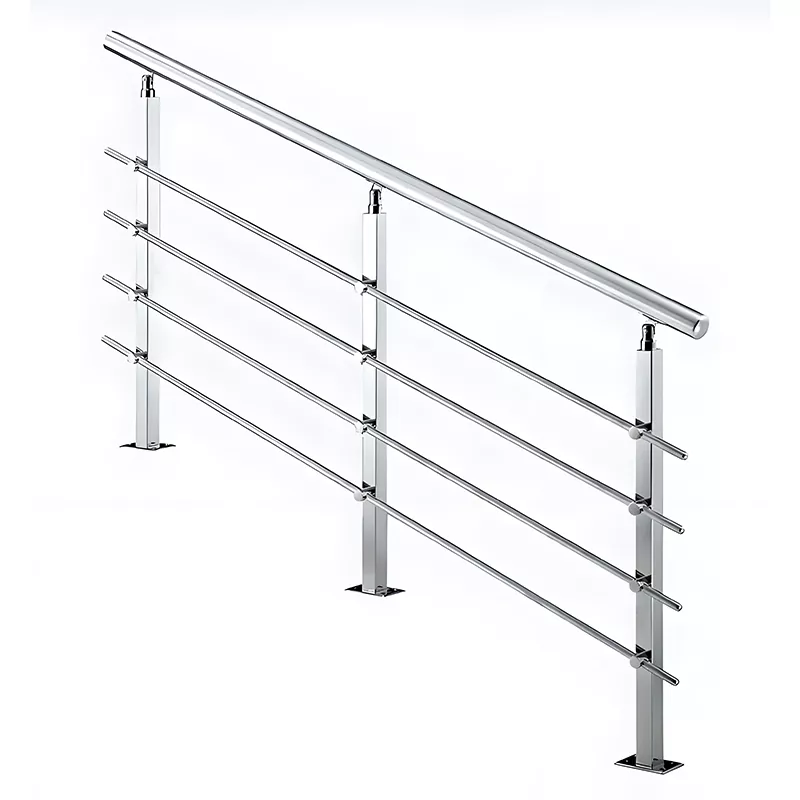
Deck cable railing is a guardrail system that uses taut stainless steel wire cables strung horizontally (or occasionally at an angle) between vertical posts to form the infill of a railing assembly. Instead of balusters, pickets, or solid panels, the cables act as the barrier that prevents falls while allowing air and light to pass through freely. The structural integrity of a cable railing system depends on three interconnected components working in harmony: the posts, the cables, and the hardware fittings that anchor, thread, and tension the cable at each end.
Why is cable railing increasingly the first choice for discerning homeowners and commercial property developers? There are several compelling reasons, and understanding them helps you make a fully informed decision before committing to an installation.
Unobstructed Views
One of the primary reasons people ask how to install deck cable railing is that they want to preserve the view from their deck. Whether that view is a mountain range, a body of water, a manicured garden, or simply an open yard where children play, horizontal cables reduce visual interference to near zero. Traditional balusters, by contrast, create a repetitive visual interruption every few inches across the entire length of your railing. Cable railing removes that barrier entirely, and the difference in the perceived openness of a deck space is dramatic.
Structural Longevity and Weather Resistance
Our factory engineers every cable in our deck railing systems from marine-grade 316 stainless steel, the same alloy used in saltwater boat fittings and offshore architecture. This material choice is deliberate. Coastal environments, humid climates, freeze-thaw cycles, and UV-intense sun all accelerate corrosion in lesser metals. With 316 stainless steel, our cable railing products resist rust, pitting, and degradation for the lifetime of the structure they protect. Even in high-humidity and salt-spray environments, our stainless steel cables maintain tensile strength and surface appearance for decades with only minimal maintenance.
Code Compliance and Safety
Every cable railing system installed on a residential or commercial deck must comply with local building codes, which in the United States typically follow the International Residential Code (IRC) or the International Building Code (IBC). These codes govern post spacing, cable spacing, top rail height, and the maximum gap between cables. Understanding the code requirements before installation is not optional; it is mandatory. When you choose a Vionta Metal cable railing system, our products are designed to conform to IRC and IBC requirements, including the critical requirement that a 4-inch sphere cannot pass through any opening in the infill.
Design Versatility
Why choose cable railing over glass panels or aluminum balusters? Beyond view preservation, cable railing pairs with almost every deck framing material. It looks equally at home on a pressure-treated wood deck as it does on composite decking or a steel-framed commercial terrace. Our deck railing post systems are available in round and square profiles, and our top rail options include wood-cap combinations that add warmth and handrail comfort. The result is a system that can be styled minimalist and industrial or warm and natural, depending on the post and top rail material you pair with our cables and hardware.
Long-Term Cost Value
When you calculate the total cost of ownership rather than just the initial installation cost, cable railing consistently outperforms wood picket and composite baluster systems. Wood balusters require painting, staining, or sealing every few years and are susceptible to rot and insect damage. Composite balusters, while low-maintenance, cannot match the tensile strength or the visual delicacy of stainless steel cable. Our cable railing hardware is engineered to last the full lifespan of the deck structure, which means you install it once, tension it correctly, and inspect it periodically rather than refinishing, replacing, or repainting components every few seasons.
- Minimal ongoing maintenance compared to wood or composite infill systems
- Marine-grade stainless steel resists corrosion in even the harshest coastal climates
- Unobstructed sightlines that preserve property value and enjoyment
- Compatible with wood, composite, and metal framing systems
- Engineering specifications that support IRC and IBC code compliance
- A timeless contemporary aesthetic that complements modern architecture
- Customizable post heights, spacing, and top rail configurations to fit any deck layout
Choosing deck cable railing is choosing a system that works harder for you in every dimension: visually, structurally, and financially. The decision of how to install deck cable railing correctly then becomes the critical next question, and that is exactly what the rest of this guide will answer in precise, actionable detail.
What Tools and Materials Do You Need Before You Start?
Proper preparation is the foundation of every successful cable railing installation. Professionals who have done hundreds of these installations consistently report that jobs go smoothly when every tool and material is staged and ready before the first hole is drilled. Interrupting the workflow to make a hardware store run for a missing fitting or the wrong drill bit size leads to mistakes, wasted time, and frustration. The following is a complete breakdown of what you will need for a standard residential deck cable railing project.
Essential Tools
- Cordless drill with variable speed and a clutch setting
- Drill bits: standard twist bits in sizes matching your cable diameter, and masonry bits if your posts are anchoring into concrete
- Step drill bit or unibit for clean, burr-free through-holes in metal posts
- Cable cutter rated for stainless steel wire (standard aviation snips will damage the cable strands)
- Torque wrench or tension gauge calibrated for cable tensioning applications
- Ratchet set with metric and standard sockets for fittings
- Level (both a 4-foot level for posts and a torpedo level for cable runs)
- Tape measure (25-foot minimum) and a chalk line for marking post locations
- Pencil and marking tape
- Safety glasses and work gloves rated for wire handling
- Post-hole digger or rotary hammer if setting ground-mounted posts
- Miter saw or circular saw with metal-cutting blade for trimming metal posts to height
- Rubber mallet for seating post caps without marring the finish
- Cable pulling tool or come-along for pre-tensioning long runs
Materials Checklist
- Stainless steel cable (1x19 or 7x7 construction, typically 3/16-inch diameter for residential applications)
- Terminal end fittings: threaded stud ends and swageless locking fittings or swaged fittings
- Intermediate post assemblies (line posts) rated for your post spacing
- Corner post assemblies if your deck has directional changes
- End post assemblies (tension posts) for each end of a cable run
- Top rail in your chosen material (wood cap, aluminum, or stainless steel)
- Post mounting bases: surface-mount flanges, fascia-mount plates, or core-mount hardware
- Lag bolts, structural screws, or anchor bolts appropriate for your framing material
- Deck screws for top rail attachment
- Post caps in matching finish
- Thread-locking compound for terminal fittings
- Stainless steel cleaning solution and microfiber cloths for final finishing
Professional tip from our factory team: Always order 10 to 15 percent more cable than your calculated linear footage. Cable runs that pass through intermediate posts consume additional length at each drilling, and having surplus cable on hand prevents a project halt. Stainless steel cable cannot be spliced mid-run; each cable must be a single continuous length from end post to end post.
What Are the Product Specifications for Vionta Metal Cable Railing Systems?
Understanding the exact specifications of the components you are installing is critical to making accurate purchasing decisions and executing a code-compliant installation. Vionta Metal manufactures a complete range of cable railing components engineered for residential decks, commercial terraces, stairs, and balconies. The following tables provide a detailed breakdown of our core product specifications.
Stainless Steel Cable Specifications
| Specification | 1x19 Construction Cable | 7x7 Construction Cable |
| Material Grade | 316 Marine-Grade Stainless Steel | 316 Marine-Grade Stainless Steel |
| Diameter | 3/16 inch (4.8mm) | 3/16 inch (4.8mm) |
| Breaking Strength | 4,200 lbs (1,905 kg) | 3,700 lbs (1,678 kg) |
| Working Load Limit | 840 lbs (381 kg) | 740 lbs (335 kg) |
| Surface Finish | Bright / Polished | Bright / Polished |
| Flexibility | Low (rigid, straight runs) | High (flexible for curved or angled runs) |
| Recommended Use | Straight deck runs, commercial applications | Stair sections, curved decks |
| Coil Length Available | 500 ft / 1,000 ft coils | 500 ft / 1,000 ft coils |
| Corrosion Resistance | Excellent (salt spray tested) | Excellent (salt spray tested) |
Post System Specifications
| Post Type | Profile | Material | Wall Thickness | Standard Height | Hole Capacity | Max Post Spacing |
| Line Post (Intermediate) | Square 2x2 in | 304 / 316 SS | 0.120 in (3mm) | 36 in / 42 in | Up to 12 cables | 4 ft (48 in) |
| Line Post (Round) | Round 2 in OD | 304 / 316 SS | 0.120 in (3mm) | 36 in / 42 in | Up to 12 cables | 4 ft (48 in) |
| End / Corner Post | Square 2x2 in | 316 SS | 0.156 in (4mm) | 36 in / 42 in | Up to 12 cables | N/A (End Position) |
| Newel Post (Stair) | Square 2x2 in | 316 SS | 0.156 in (4mm) | Custom Cut | Up to 10 cables | Per stair geometry |
| Wood Cap Post Sleeve | Square 2x2 in interior | 304 SS | 0.080 in (2mm) | 42 in | Sleeve only | Per wood post spacing |
Hardware Fitting Specifications
| Fitting Type | Compatible Cable | Material | Thread | Tensioning Method | Min. Holding Strength |
| Swageless Tensioner (Hex) | 3/16 in cable | 316 SS | Right-hand threaded | Hex key / wrench | 2,500 lbs |
| Swageless Quick Connect | 3/16 in cable | 316 SS | N/A (tool-free) | Insert and lock | 2,200 lbs |
| Swaged Stud Terminal | 3/16 in cable | 316 SS | Right-hand threaded | Factory swaged | 4,000 lbs |
| Flat Washer (Post Hole) | 3/16 in cable | 304 SS | N/A | N/A | N/A (spacer) |
| Surface-Mount Base Flange | N/A (post mount) | 316 SS | Lag bolt pattern | Lag into framing | Per lag bolt schedule |
| Fascia-Mount Plate | N/A (post mount) | 316 SS | Structural screw pattern | Through-bolt or lag | Per fastener schedule |
Cable Spacing and Code Compliance Reference
| Code Requirement | IRC Residential Standard | IBC Commercial Standard | Vionta Metal System Rating |
| Minimum Railing Height (Deck over 30 in) | 36 inches | 42 inches | 36 in and 42 in post heights available |
| Max Opening in Infill | 4-inch sphere rule | 4-inch sphere rule | 3 in cable spacing standard |
| Max Post Spacing (Cable Load) | 4 feet recommended | 4 feet or per engineer | 4 ft maximum post spacing rated |
| Top Rail Graspability | Graspable rail on stairs required | Graspable rail on stairs required | Round top rail option available |
| Cable Tension Minimum | Not less than 200 lbs force | Not less than 200 lbs force | Fittings rated to 300 lbs working tension |
These specifications reflect our factory standard production runs. Custom orders for larger diameters, extended heights, black powder-coat finish, or commercial-grade structural posts are available with standard lead times. Our cable railing product line is designed so that every component you order from Vionta Metal is dimensionally consistent and fit-tested before it leaves our facility, reducing installation surprises to essentially zero.
How Do You Plan the Layout and Measure for Deck Cable Railing?
No phase of a cable railing installation is more important than accurate planning and layout. Errors made at the planning stage compound through every subsequent step, and correcting them after posts are set and cables are run is expensive and time-consuming. This section covers the planning process in comprehensive detail because our experience supporting thousands of installations has shown that most installation problems trace back to planning shortcuts.
Understanding Your Deck Perimeter and Run Directions
Start by walking the full perimeter of your deck and identifying every section of railing that needs to be installed. Sketch a top-down plan view of the deck, noting the total linear footage of each straight railing run, the location of any corners, the location of the stair section if present, and any obstructions like support columns or access gates that will interrupt a cable run.
Cable railing functions in straight, linear runs. Each cable run must terminate at an end post at both ends. If your deck is L-shaped or U-shaped, you will have multiple independent cable runs with corner posts at the direction changes. The cables from one run do not turn the corner; they terminate at the corner post, and a new cable run begins on the other side of the corner with its own set of cables.
Calculating Post Locations
The maximum allowable post spacing for a cable railing system using our 316 stainless steel posts and 3/16-inch cable is 4 feet on center. However, maximum is not always optimal. In long cable runs, closer post spacing reduces mid-span cable deflection under lateral load, which is the tendency of the cable to push outward when someone leans against it. For runs longer than 20 feet, consider spacing intermediate posts at 36 to 42 inches rather than the maximum 48 inches.
To calculate post locations correctly, follow this procedure:
- 1 Measure the total length of each railing run from the inside face of the starting end post to the inside face of the ending end post.
- 2 Divide that total length by your chosen post spacing (36, 42, or 48 inches) to determine the number of bays (spaces between posts) needed.
- 3 Round up to the nearest whole number of bays if the division does not come out even. This creates bays that are slightly shorter than your target spacing, which is perfectly acceptable and actually beneficial for cable tension management.
- 4 Mark each post center location on the deck frame using a chalk line and pencil. Double-check that the total distance between your first and last mark matches your measured run length.
- 5 Confirm that every post location falls over a structural deck joist or rim joist. Post bases must be fastened into solid framing, not just decking boards.
Calculating Cable Quantities
For a 36-inch residential railing with cables spaced 3 inches apart, you will have 10 cable runs (with the bottom cable set 3 inches above the deck surface). For a 42-inch railing, the cable count increases to 12 runs at 3-inch spacing. To calculate cable footage for each run, multiply the linear length of the railing run by the number of cables, then add 2 feet per run for terminal fittings and working slack. Add a 15 percent overage to your total for waste and error recovery.
Choosing Your Post Mounting Method
There are three primary methods for mounting cable railing posts to a deck structure, and the choice significantly affects both the structural engineering of the system and the finished aesthetics.
- Surface-mount with flange base: The post stands on top of the decking, with a stainless steel base plate that lags directly into the rim joist or blocking below. This is the most common method, easiest to install, and provides a clean, modern look. Our surface-mount flanges are engineered to be installed with a minimum of four 1/2-inch lag bolts into structural framing.
- Fascia-mount: The post mounts to the face of the rim joist or fascia board, with the deck surface uninterrupted. This method requires through-bolts or heavy structural screws through the fascia and into the framing. It creates a very clean deck surface appearance but demands precise measurement of post height since there is no vertical adjustment after mounting.
- Core-mount (hidden post mount): A steel sleeve or bracket is embedded in the deck framing, and the post slides over it. This provides exceptional structural strength and a minimal-look base, but requires framing access during deck construction or a significant framing modification on an existing deck.
At Vionta Metal, our most popular configuration for residential deck railing installations is the surface-mount flange on a square 2x2 post, paired with a wood cap top rail. This combination delivers professional structural integrity, code compliance, and a warm aesthetic that homeowners consistently find more inviting than an all-metal assembly.
Planning note: Always check your local building department requirements before finalizing your plan. Some jurisdictions require a permit for deck railing replacement, and a few have adopted amendments to the IRC that modify cable spacing or post attachment requirements. A 30-minute call to your local building department before purchasing materials will save you from a failed inspection and costly rework.
How Do You Install the Posts for a Cable Railing System?
Post installation is the structural backbone of your entire cable railing system. Everything that follows, including cable routing and tensioning, depends on posts that are perfectly plumb, solidly anchored, and spaced exactly as planned. Rushing the post installation phase is the single most common source of cable railing problems that our technical support team fields. Take your time here, check every post with a level before finalizing fasteners, and do not proceed to cable installation until every post is set correctly.
Preparing the Deck Framing for Post Bases
Before setting any posts, inspect the deck framing at each post location. The framing must be structurally sound, free of rot, and capable of accepting the lag bolts or through-bolts that the post base will require. If your deck has composite decking, you may need to remove a section of decking at the post location to access and confirm the framing condition beneath. Any rim joist or blocking that shows signs of deterioration must be repaired or sistered with new material before post installation proceeds.
For surface-mount flanges, our factory recommends installing a treated wood block or structural steel spacer between the decking and the post base in cases where the decking surface is not level. The base flange must sit flat and level; shimming it with a tapered piece of material to accommodate an unlevel surface is not acceptable because it introduces a bending stress into the post base connection that is not accounted for in the fastener schedule.
Marking and Drilling the Flange Bolt Holes
- 1 Position the surface-mount base flange at the marked post center location on the deck.
- 2 Use the flange as a template and mark the four lag bolt hole locations with a pencil or center punch.
- 3 Remove the flange and pre-drill pilot holes at each marked location using a bit sized 1/16 inch smaller than the shank of your lag bolt.
- 4 Pre-drilling is not optional. Driving lag bolts without pilot holes into rim joists splits the wood and dramatically reduces the connection strength.
- 5 Set the flange back in position and drive the lag bolts to full depth using a socket wrench. Do not over-torque, which can split the wood or strip the thread engagement.
Setting and Plumbing the Posts
With all base flanges installed at every post location along the run, you can now set the posts. Slide each post into or onto its base, depending on whether your flange system uses a socket connection or a surface plate. Before tightening the post-to-flange connection, check plumb in both the perpendicular-to-rail and parallel-to-rail directions using your torpedo level or a 4-foot level.
Posts that are out of plumb create cascading problems. In the parallel-to-rail direction, a leaning post results in cable holes that are not aligned with the cable path, creating friction points that inhibit even tensioning and can abrade the cable over time. In the perpendicular-to-rail direction, a leaning post creates an aesthetically obvious problem that is difficult to conceal after installation.
To hold posts plumb while the connection is being finalized, use a magnetic torpedo level and masking tape temporary brace if working alone, or have a helper hold the post while you check and tighten. For post systems that use a set-screw or bolt clamping method at the base flange, verify plumb one final time before fully torquing the set screws, because final tightening can shift a post slightly from its checked position.
Drilling Cable Holes Through Line Posts
Intermediate line posts need to be drilled with through-holes that the cable will pass through. The hole must be sized to allow the cable to pass freely while being tight enough that a standard cable guide or grommet (included in our hardware kits) seats snugly and protects the cable from metal-on-metal abrasion.
- For 3/16-inch cable through a stainless steel post, use a 1/4-inch step bit or unibit to drill a clean, burr-free hole. The 1/16-inch clearance is intentional and accommodates the plastic grommet that threads into the hole.
- Hole height layout: measure and mark every hole height on the first post, then use a laser level or chalk line to transfer all heights across all intermediate posts simultaneously. Consistent hole heights across all posts is what creates visually parallel cable lines.
- Drill the bottom hole first at 3 inches above the deck surface, then step up at 3-inch increments to the top cable position, which should be at least 3 inches below the top of the post to leave room for the top rail to sit above the uppermost cable without creating an opening larger than 4 inches between the top cable and the bottom of the top rail.
- After drilling all holes, insert a plastic or stainless steel cable grommet into each hole to prevent metal-to-metal contact between the cable and the post wall. Our grommets are pre-sorted in our hardware kits to match the post wall thickness.
Installing End and Corner Posts
End posts and corner posts receive the full cable tension load and must be mounted with additional hardware reinforcement compared to intermediate posts. For surface-mount end posts at the ends of cable runs, our factory recommends either a through-bolted base plate (not lag bolts) or a knee brace mounted to the deck framing to absorb the outward pull that accumulated cable tension creates. When all cables in a run are properly tensioned, the total outward pull on each end post can exceed 2,000 pounds. Your end post base connection must be engineered to handle that load safely.
Corner posts, which are actually end posts for both cable runs that meet at the corner, bear cable tension loads from two perpendicular directions simultaneously. These posts demand through-bolted connection into structural framing in both directions, and our technical team recommends a steel gusset plate on the interior face of the corner as additional reinforcement in commercial applications.
How Do You Route and Thread the Cable Through the Posts?
With all posts set, plumbed, and drilled, you are ready to begin routing the stainless steel cable through the system. This phase of how to install deck cable railing requires patience and methodical attention to detail. Threading cable through multiple intermediate posts while managing the heavy coil is physically demanding, and doing it correctly sets up a clean, professional tensioning phase.
Preparing the Cable Coil
Stainless steel cable arrives in a coiled form. Before uncoiling, lay the entire coil flat on the deck surface and identify the inner end and the outer end of the coil. Always feed from the coil by rotating the coil itself on the deck surface rather than by pulling from the center, which creates twist and kinks in the cable. Any kink or twist in a stainless steel cable is a permanent damage point that concentrates stress and can eventually lead to strand failure at that location; kinked cable must be discarded and replaced.
Installing the Starting Terminal Fitting
On one end post (the starting end), you will install the fixed-end terminal fitting. This is typically a swageless stud end or a swaged terminal (if pre-made cable assemblies are used). For swageless fittings from our hardware kit:
- 1 Thread the cable through the post hole from the outside face of the end post inward.
- 2 Slide the swageless body onto the cable end, then insert the internal cone and wedge components according to the fitting instructions specific to the fitting model.
- 3 Pull the cable back so the fitting body seats against the post hole or through an end fitting plate, then snug the fitting hand-tight. Do not fully tighten yet; the tension phase will complete this connection.
- 4 Apply a small amount of thread-locking compound to the fitting threads before fully seating.
Routing Cable Through Intermediate Posts
With the starting terminal seated, uncoil the cable across the deck surface toward the far end post, feeding the free end of the cable through each intermediate post hole in sequence. Work one post at a time, feeding the cable tip through the hole and pulling enough slack through to advance to the next post. The cable is stiff enough in 1x19 construction to push through the hole if you have a helper feeding from the starting end, but with 7x7 construction the cable is more flexible and easier to thread.
As you thread each intermediate post, confirm that the cable is seated in the grommet at the hole and that it is running straight and level between posts. If a cable is visually elevated or depressed at a particular intermediate post, the hole height at that post was drilled inconsistently with the others; the only correction is to redrill the hole at the correct height, which is why precise hole layout and drilling alignment is so important in the previous phase.
Installing the Tension-End Terminal Fitting
Once the cable has been threaded through all intermediate posts and is protruding through the far end post, you install the tensioning-end fitting. For a hex tensioner fitting, this involves threading the cable through the tensioner body, seating the internal locking components, and pulling enough cable tail through the fitting to ensure there is adequate thread engagement for the tensioning phase. A minimum of 1 inch of cable tail protruding beyond the locked internal components is required by our fitting installation instructions.
At this stage, the cable should be loosely in place through all posts, with the starting terminal snugged at one end post and the tension fitting loosely assembled at the other. The cable will be visibly slack. That is correct. Tensioning is a separate, careful operation covered in the next section.
Repeat this entire routing process for each cable row, working from the bottom cable upward. Installing the bottom cable first allows you to use it as a guide for confirming that subsequent cables are at the correct height and running parallel to each other.
How Do You Properly Tension Deck Cable Railing for a Safe, Code-Compliant Result?
Tensioning is both the most satisfying and the most technically demanding step in learning how to install deck cable railing. When done correctly, it transforms a loose assembly of wire and posts into a taut, professional-looking barrier that is safe, visually striking, and code-compliant. When done incorrectly, over-tensioned cables bow end posts inward, under-tensioned cables sag visually and fail deflection tests, and uneven tensioning across rows creates a wavy, unprofessional appearance. Understanding the mechanics and executing the process methodically will deliver outstanding results every time.
Understanding Correct Tension
The building code requirement for cable railing tension is that when a 200-pound concentrated load is applied perpendicular to the cable midspan, the cable should not deflect more than 4 inches from its tensioned position. In practical terms, this means you should be able to press firmly on the cable with your thumb at the midpoint of the span and feel solid resistance with only minimal deflection (approximately 1 inch of give at midspan for a standard 4-foot intermediate post spacing). A cable that deflects 3 or more inches under firm thumb pressure is under-tensioned and must be tightened further.
Over-tensioning is also a serious problem. Excessive tension places bending loads on the end posts that can deform the post, pull the base plate fasteners, and stress the cable beyond its rated working load. Our factory engineers recommend targeting a tensioned cable that has approximately 1 inch of midspan deflection under approximately 50 pounds of applied force, which correlates well with meeting the IRC 200-pound, 4-inch deflection requirement.
The Tensioning Sequence
- 1 Begin tensioning with the bottom cable of the run. The bottom cable, closest to the deck surface, is the most visible and sets the visual reference for all cables above it.
- 2 Using a hex key or wrench on the tensioner fitting at the far end post, turn the fitting clockwise (standard right-hand thread). Each full revolution draws approximately 1/16 inch of cable through the fitting and increases tension. Work in increments of 2 to 3 turns, then check midspan deflection.
- 3 Do not fully tension one cable at a time to final specification before moving to the next. Instead, tension each cable to approximately 50 percent of target, then cycle back from bottom to top, adding tension incrementally. This distributes the load on the end posts evenly and prevents the posts from being pulled out of plumb by concentrated tension loads.
- 4 After the initial 50 percent tension pass across all cables, allow the cables to relax for 10 to 15 minutes. New cable will experience initial stretch as the strands seat under load. This is normal and expected with both 1x19 and 7x7 constructions.
- 5 After the relaxation period, perform a second tensioning pass on all cables, checking midspan deflection on each and adding tension as needed to achieve target deflection.
- 6 Check all end posts for plumb after final tensioning. If a post has been pulled slightly out of plumb by cable tension, this indicates either under-engineered post mounting or over-tensioning. If the post is more than 1/8 inch out of plumb, back off tension slightly and investigate the mounting connection.
- 7 Apply a final snug to the starting terminal fitting at the opposite end post to confirm that fitting is fully seated and locked.
Applying Thread-Locking Compound
Once all cables are at final tension, apply a small drop of medium-strength thread-locking compound (such as blue Loctite) to the exposed thread of each tensioner fitting where it protrudes through the post fitting plate or bracket. This prevents vibration and thermal cycling from gradually loosening the tensioner over time. Do not use high-strength (red) thread-locking compound on cable tensioners; you need to be able to re-tension the cables at the annual inspection without destroying the fitting.
Installing the Top Rail
With all cables at final tension, you can now install the top rail. For a wood cap top rail over stainless steel posts, position the wood cap on top of the posts and fasten with stainless steel screws driven from underneath the post cap plate through the post top and into the wood cap. For a full stainless steel top rail, the rail clips or channel mounts should already have been positioned on the posts during the post installation phase. Slide the top rail into the clips and secure per the clip hardware instructions.
The top rail must be continuous or joined with proper splice connectors wherever a run exceeds the single top rail piece length. Butt joints without splice connectors are not acceptable on a structural handrail. Our factory supplies purpose-made splice connectors for our top rail profiles that maintain continuous surface feel and structural integrity across joints.
Final Inspection Checklist
Before considering the installation complete, perform a systematic final inspection using this checklist. Our deck railing systems are built to pass inspection when installed according to our specifications, and completing this checklist before the building inspector arrives will prevent failed inspections.
- Confirm all post bases are fully fastened with all specified fasteners; no missing bolts
- Verify each post is plumb within 1/8 inch over the full post height
- Test cable deflection at midspan on every cable; maximum 1 inch under firm thumb pressure at 4-foot span
- Attempt to pass a 4-inch sphere through every cable opening in the infill; sphere should not pass
- Measure the overall railing height from the deck surface to the top of the top rail; must meet local minimum height requirement
- Check the bottom cable height from deck surface; must be 3 inches maximum to prevent a 4-inch sphere from passing under the bottom cable
- Confirm all terminal fittings have thread-locking compound applied
- Apply stainless steel surface cleaner to all hardware and cable to remove any installation finger oils and metal filings
- Trim any cable tail protruding beyond terminal fittings flush to the fitting face using a stainless steel cable cutter; leaving sharp raw cable ends is a safety and aesthetics problem
Why Does Ongoing Maintenance of Your Cable Railing Matter, and How Do You Do It?
One of the most compelling advantages of our cable railing systems is that they require dramatically less maintenance than wood or painted metal alternatives. However, low maintenance does not mean zero maintenance. A properly maintained cable railing system protects its structural integrity, retains its visual appeal, and provides decades of safe, reliable service. Understanding the maintenance requirements before installation helps set realistic expectations for ownership and protects your investment in a Vionta Metal system.
Annual Inspection Protocol
Every cable railing system should receive a formal inspection at least once per year, ideally at the beginning of the warm season before the deck receives heavy use. During this annual inspection, examine the following:
- Cable tension: press firmly on each cable at midspan and confirm that deflection is still within 1 inch. If cables have loosened over the winter (which is common as the deck structure settles and the cable experiences thermal cycling), re-tension each cable back to specification using the hex tensioner fittings.
- Terminal fittings: check that all swageless fittings remain fully engaged and that the thread-locking compound has not failed. A fitting that has backed off even one full turn significantly reduces holding strength.
- Post base connections: check all lag bolt or through-bolt connections at each post base. Deck movement and wood settling can cause fasteners to loosen over time, particularly in the first two to three years after installation.
- Cable surface condition: examine the cable for any signs of rust staining, which indicates surface contamination rather than corrosion of the 316 stainless steel itself. Surface rust spots on a 316 SS cable originate from contaminating iron particles, typically from power tools used nearby, not from corrosion of the cable alloy itself.
- Post plumb: re-check that all posts remain within 1/8 inch of plumb. Gradual post lean indicates either a base connection that has loosened or deck framing movement; investigate and correct the root cause before re-tensioning cables.
Cleaning and Surface Care
The 316 stainless steel in our cable railing products develops a natural passive oxide layer that resists corrosion. To maintain this protection and keep the surface looking its best, clean the cables and hardware two to four times per year depending on your environment:
- Wipe down all cable and hardware surfaces with a microfiber cloth dampened with a dedicated stainless steel cleaner or a dilute solution of mild dish soap and water.
- Always wipe in the direction of the cable lay and the metal grain, not across it. Wiping across the grain with an abrasive material creates visible scratch marks.
- Rinse with clean water after cleaning and dry with a clean cloth.
- In coastal environments with heavy salt exposure, clean monthly during the peak season and apply a light coat of stainless steel protectant spray after each cleaning.
- Never use steel wool, chloride-containing cleaners, or abrasive pads on stainless steel cable railing surfaces.
Long-Term Component Assessment
The 316 stainless steel cable used in our systems has a rated service life that exceeds the lifespan of most residential deck structures when properly maintained. However, hardware fittings, top rail wood caps, and post mount fasteners may reach the end of their service life before the cable itself. At the 10-year mark, perform a more detailed inspection of all threaded hardware components, checking for thread wear or corrosion pitting in fitting bodies. Replacement fittings from our factory are available and backward-compatible with all previously installed posts and cable, which means a long-term system update does not require replacing the entire installation.
Conclusion: Building a Deck Railing That Lasts a Lifetime
Installing deck cable railing is a project that rewards careful planning, quality materials, and methodical execution. From the initial layout and post installation through cable routing, tensioning, and the final inspection, every step builds on the one before it. When done correctly, the result is a railing system that is simultaneously safe, visually exceptional, code-compliant, and durable enough to serve for the lifetime of the deck structure it protects.
Throughout this guide, you have seen how every component of our systems at Vionta Metal is engineered to work together: the 316 marine-grade stainless steel cable, the precisely dimensioned square and round post profiles, the swageless and swaged terminal hardware, and the surface-mount and fascia-mount base systems. Our factory designs these components as a system, not as individual parts, which is why they install faster, tension more consistently, and perform better over the long term than assemblies built from components sourced from multiple suppliers.
Whether you are a homeowner taking on a weekend project or a professional contractor building multiple decks per week, our technical support team is available to help you specify the right components for your specific deck geometry, confirm code compliance for your jurisdiction, and troubleshoot any installation challenges you encounter. We stand behind every component we manufacture with factory-direct support, and we measure our success not by the sale but by the quality of the installation our products enable.
What does a great cable railing look like when all these steps come together? It looks like clean horizontal lines disappearing into a perfect view. It looks like a railing that passes every inspection the first time. It looks like a deck that your family will enjoy for 30 years without a single component failure. That is the standard our factory holds every product to, and it is the result every installer who follows this guide should expect to achieve.
Ready to Start Your Deck Cable Railing Project?
Get factory-direct pricing on our complete cable railing systems, including 316 stainless steel cable, posts, hardware kits, and top rail options. Our technical team is ready to help you specify the exact components your project needs, confirm code compliance, and calculate precise material quantities so you order exactly what you need the first time.
Contact Vionta Metal today for a custom quote, product samples, or a free installation consultation. We ship worldwide and offer expedited fulfillment for time-sensitive projects. Our deck railing systems are in stock and ready to ship within 3 to 5 business days for standard orders.
Email us, call our sales team, or fill out our project inquiry form with your deck dimensions and we will have a complete material list and pricing back to you within 24 hours.
Request a Free Quote from Vionta MetalFAQ: Common Questions About How to Install Deck Cable Railing
Q1: How far apart should cable railing posts be spaced on a deck?
A: The maximum recommended spacing is 4 feet (48 inches) on center for standard 3/16-inch stainless steel cable. For runs longer than 20 feet, reducing spacing to 36 to 42 inches improves cable stiffness and reduces midspan deflection under load. End posts and corner posts must always sit at the structural termination of each cable run. Always confirm spacing requirements with your local building department, as some jurisdictions have stricter local amendments to the IRC.
Q2: What size stainless steel cable should I use for deck cable railing, and does the construction type matter?
A: Use 3/16-inch diameter, 316 marine-grade stainless steel cable for virtually all residential deck applications. Construction type does matter: 1x19 cable is stiffer and best for straight horizontal runs, while 7x7 cable is more flexible and better suited for stair sections or curved layouts. Always specify 316 grade over 304, particularly in coastal or high-humidity environments where chloride exposure can cause surface pitting on lower-grade alloys.
Q3: How many cable rows do I need for a 36-inch and a 42-inch deck cable railing system?
A: With cables spaced 3 inches on center starting 3 inches above the deck surface, a 36-inch railing requires 10 cable rows and a 42-inch railing requires 12 rows. This 3-inch spacing satisfies the IRC 4-inch sphere rule with a comfortable safety margin. Always verify that the gap between the top cable and the underside of the top rail also does not exceed 4 inches, as this opening is a common cause of failed inspections.
Q4: Can I install deck cable railing myself, or do I need to hire a professional contractor?
A: A straightforward rectangular deck with standard straight runs is a realistic DIY project for a capable homeowner with basic construction skills. The most critical step is correctly anchoring end and corner posts into structural framing to handle accumulated cable tension. For decks with complex geometry, significant elevation changes, or commercial requirements, a professional contractor is a wise choice. Our factory provides technical support and offers pre-cut cable assemblies to simplify the process for both DIY and professional installers.
Q5: How do I tension cable railing correctly, and how do I know when it is tight enough?
A: Use the thumb deflection test as your field standard: firm thumb pressure at midspan on a 4-foot span should move the cable no more than 1 inch. Tension all cables in multiple incremental passes from bottom to top rather than finishing one cable at a time. After the first pass at roughly 50 percent tension, wait 15 minutes for initial cable stretch to settle, then complete a second pass to final specification. After tensioning, re-check all end posts for plumb; a post pulled out of plumb by more than 1/8 inch signals either over-tensioning or an undersized base connection.
Related News
- Are Jalousie Windows Easy to Break Into?
- Is Stainless Steel Glass Railing Safe?
- How waterproof is an aluminum louvered pergola during heavy rain, and how should its drainage capacity be tested?
- How Strong Is Aluminum Railing Compared With Steel Railing?
- How to Choose Metal Railing for Residential and Commercial Projects
- How To Remove Hard Water Stains From Glass Railings?
Leave me a message