What factors should one consider before installing SS railings?
Introduction: Why Planning Matters Before Installing SS Railings
When architects, builders, and homeowners ask, what factors should one consider before installing SS railings, they are really asking how to balance safety, durability, aesthetics, and long-term value. SS railings are no longer just functional safety barriers. In modern residential, commercial, and public projects, Stainless Steel Railing systems and Stainless Steel Balustrade solutions play a major role in defining architectural style and perceived quality.
From staircases and balconies to terraces and commercial walkways, choosing the right SS railings requires a clear understanding of materials, standards, environments, and installation details. With over two decades of industry experience, Vionta Metal has seen how early decisions directly impact performance, compliance, and maintenance costs. Our factory supports global projects by providing engineered railing systems designed for real-world conditions, not just showroom appeal.
This guide explores the most important considerations in depth, helping decision-makers confidently answer what, why, and how questions before installation. The goal is not only to choose SS railings, but to choose them correctly.

Table of Contents
- What material grades should be considered for SS railings?
- Why do application and environment matter before installing SS railings?
- How should safety standards and load requirements be evaluated?
- What design and finishing options influence long-term performance?
- How do installation methods and system components affect results?
What material grades should be considered for SS railings?
One of the first and most critical questions is what material grade should be selected when planning SS railings. Stainless steel is not a single material, but a family of alloys with different corrosion resistance, strength, and cost profiles. Understanding these differences is essential for long-term success.
At Vionta Metal, our experience shows that incorrect material selection is the most common cause of premature failure in Stainless Steel Railing systems. Our factory therefore emphasizes grade matching based on environment and usage.
Common Stainless Steel Grades Used in Railings
The most widely used grades for Stainless Steel Balustrade systems are 304 and 316. Each has distinct advantages depending on project conditions.
| Grade | Composition | Corrosion Resistance | Typical Applications |
| 304 | 18% Chromium, 8% Nickel | Good for indoor and mild outdoor use | Residential stairs, indoor balconies |
| 316 | 16% Chromium, 10% Nickel, Molybdenum | Excellent, resistant to chlorides | Coastal areas, swimming pools, marine projects |
When asking what factors should one consider before installing SS railings, material grade always comes first. For coastal or industrial environments, 316 is strongly recommended. Our engineers often guide clients toward higher-grade materials to reduce future maintenance and liability.
Wall Thickness and Structural Strength
Beyond grade, tube thickness directly impacts strength and safety. Thin-walled tubes may reduce initial cost but can compromise load capacity.
- Handrail tube thickness typically ranges from 1.2 mm to 2.0 mm
- Posts and structural supports often require 2.0 mm or thicker
- Higher loads demand reinforced profiles
Our factory routinely customizes wall thickness based on project drawings and local codes, ensuring SS railings meet both aesthetic and structural requirements.
Why do application and environment matter before installing SS railings?
Another key consideration is why the intended application and surrounding environment significantly influence Stainless Steel Railing performance. SS railings installed indoors behave very differently from those exposed to salt air, chemicals, or heavy foot traffic.
Vionta Metal has supplied projects across residential, hospitality, transportation, and industrial sectors. Our experience shows that understanding usage scenarios early prevents costly redesigns.
Indoor vs Outdoor Applications
Indoor SS railings face minimal corrosion risk, allowing more flexibility in finish and grade. Outdoor Stainless Steel Balustrade systems, however, must withstand UV exposure, rain, and temperature fluctuations.
- Indoor stair railings prioritize finish consistency
- Outdoor balcony railings require enhanced corrosion resistance
- Public spaces demand higher wear resistance
Environmental Risk Factors
Environmental conditions directly affect material choice and surface treatment.
- Coastal areas introduce chloride corrosion
- Industrial zones expose railings to chemicals
- High-humidity regions accelerate oxidation
Our factory conducts environment-based recommendations so SS railings perform reliably throughout their lifecycle.
How should safety standards and load requirements be evaluated?
Safety compliance is non-negotiable. When asking how safety standards should be evaluated before installing SS railings, the answer lies in understanding local building codes and load requirements.
Vionta Metal designs systems aligned with international standards, supporting architects and contractors with compliant solutions.
Typical Load Requirements
| Application | Horizontal Load | Vertical Load |
| Residential | 0.5 kN/m | 1.0 kN |
| Commercial | 1.0 kN/m | 1.5 kN |
Our factory performs internal load simulations to verify SS railings meet project-specific requirements.
Spacing and Height Considerations
- Typical railing height ranges from 900 mm to 1100 mm
- Baluster spacing must prevent child entrapment
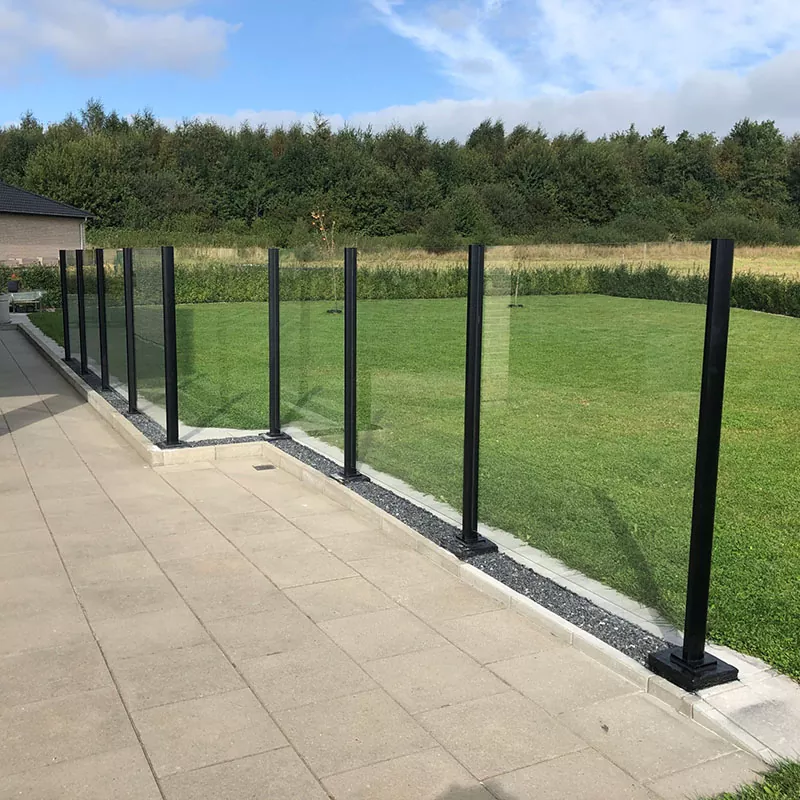
- Glass infill systems require precise tolerances
What design and finishing options influence long-term performance?
Design is not only about appearance. What design and finishing options are chosen directly affects durability and maintenance of Stainless Steel Railing systems.
Surface Finishes
- Brushed finish reduces fingerprint visibility
- Mirror polish enhances visual impact but requires upkeep
- Powder-coated stainless steel adds color and protection
Design Compatibility
SS railings must integrate seamlessly with architecture. Our design team ensures Stainless Steel Balustrade profiles align with modern, minimalist, or industrial styles.
How do installation methods and system components affect results?
Finally, how installation methods are planned significantly affects the final outcome. Even the highest-quality SS railings can fail if installed incorrectly.
Common Installation Methods
- Top-mounted systems for concrete slabs
- Side-mounted systems for balconies
- Embedded posts for new construction
System Components
| Component | Material | Function |
| Posts | Stainless Steel | Primary load-bearing element |
| Handrails | Stainless Steel | User support and safety |
| Fittings | Stainless Steel | Structural connection |
Our factory provides pre-engineered kits to simplify installation and ensure consistency.


Conclusion: Making Informed Decisions Before Installing SS Railings
Understanding what factors should one consider before installing SS railings empowers project owners to make confident, future-proof decisions. From material grade and environment to safety standards and installation methods, every detail matters.
With extensive manufacturing experience, Vionta Metal supports clients through every stage, from design consultation to production. Our focus is on delivering Stainless Steel Railing systems that combine safety, durability, and refined aesthetics.
If your next project requires reliable SS railings, working with a proven manufacturer can significantly reduce risk and enhance long-term value. Contact our team today to discuss specifications, drawings, and custom solutions tailored to your project needs.
FAQ: What factors should one consider before installing SS railings?
Q: What factors should one consider before installing SS railings in coastal areas?
A: Coastal projects require 316 stainless steel, corrosion-resistant finishes, and sealed fittings to withstand salt exposure and humidity over time.
Q: What factors should one consider before installing SS railings for commercial buildings?
A: Higher load requirements, stricter safety codes, durable finishes, and consistent quality control are essential for commercial Stainless Steel Railing systems.
Q: What factors should one consider before installing SS railings regarding maintenance?
A: Finish type, environmental exposure, and cleaning frequency directly affect maintenance needs and long-term appearance.
Q: What factors should one consider before installing SS railings for modern design projects?
A: Profile shape, surface finish, and integration with glass or cable infill systems influence visual harmony and usability.
Q: What factors should one consider before installing SS railings when working with a manufacturer?
A: Manufacturing experience, customization capability, material traceability, and technical support are key to ensuring project success.
Related News
- Are Jalousie Windows Easy to Break Into?
- Is Stainless Steel Glass Railing Safe?
- How waterproof is an aluminum louvered pergola during heavy rain, and how should its drainage capacity be tested?
- How Strong Is Aluminum Railing Compared With Steel Railing?
- How to Choose Metal Railing for Residential and Commercial Projects
- How To Remove Hard Water Stains From Glass Railings?
Leave me a message