How Is Glass Railings Transforming Modern Architecture and Safety?
Article Summary
Glass railings have emerged as a leading choice in contemporary design for residential, commercial, and public spaces due to their combination of transparency, safety, and visual appeal. This article unpacks the key characteristics of glass railing systems, explores their structural considerations, compares configurations, and answers common questions buyers and specifiers typically encounter. Metrics of performance, safety standards, installation guidance, and conceptual comparisons are provided to support informed decision-making for property owners, architects, and builders.

Table of Contents
- Overview of Glass Railings
- Why Use Glass Railings?
- Glass Railing Types and Design Options
- Performance, Safety & Maintenance
- How to Choose the Right Glass Railing
- Comparison Matrix
- Frequently Asked Questions
- Conclusion and Contact Us
Overview of Glass Railings
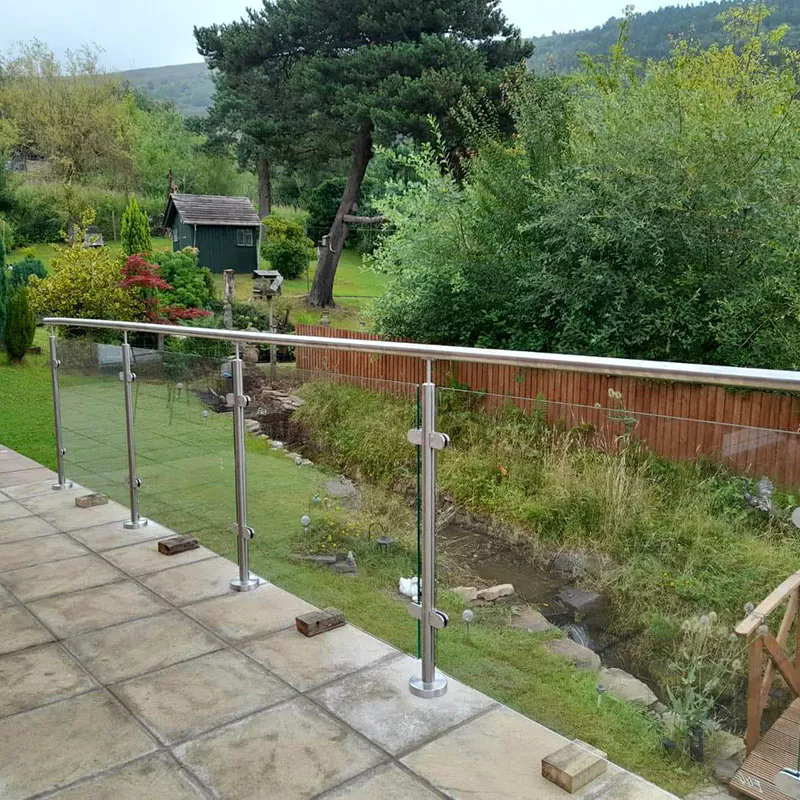
Glass railings are engineered barrier systems composed of high-strength glass panels supported by metal hardware such as posts, base channels, clamps, or handrails. Their primary function is to provide fall protection and spatial definition while preserving lines of sight and enhancing the feeling of openness. Unlike traditional wood or metal picket railings, glass solutions maximize visual transparency without diminishing safety or structural integrity.
Why Use Glass Railings?
Glass railing systems are increasingly specified in building projects due to the following practical and aesthetic advantages:
- Unobstructed Views: Clear glass panels maintain sightlines, making them ideal for balconies, decks, terraces, and staircases where views matter most.
- Modern Aesthetics: Sleek and minimalist visual language complements contemporary architecture.
- Durability and Weather Resistance: Tempered or laminated glass resists corrosion, rust, and UV damage in outdoor environments.
- Safety Compliance: Properly engineered glass railings meet most building code height and load requirements with robust hardware.
- Low Maintenance: Cleaning with standard glass cleaners is typically sufficient to maintain appearance over time.
Glass Railing Types and Design Options
Glass railing systems vary by support method, hardware integration, and architectural intent. Understanding core design types helps align specification with performance needs and aesthetics:
- Framed Systems: Use posts and top/bottom rails to hold glass panels securely. This option tends to be cost-effective and easier to install.
- Frameless or Base Shoe Systems: Minimize visible metal for a seamless look — popular in high-end residential and commercial projects.
- Top-Rail Glass: Combines glass panels with an additional handrail for enhanced tactile guidance on stairs or high-traffic areas.
Performance, Safety & Maintenance
The performance of a glass railing system is determined by the quality of the glass panel, the integrity of structural supports, and compliance with applicable codes. High-performing systems typically share these characteristics:
- Tempered or Laminated Glass: Glass that is heat treated or laminated delivers strength far exceeding standard glass.
- Code Compliance: Most jurisdictions require guardrails to meet specific height, load, and gap criteria to prevent falls and meet safety standards.{index=9}
- Resilience to Environment: Resistance to rust, corrosion, and environmental wear ensures longevity.
- Maintenance Needs: While glass resists decay, regular cleaning prevents smudges and preserves clarity.
How to Choose the Right Glass Railing
Selecting a glass railing system involves considering specific use cases, exposure conditions, and architectural goals. Key criteria include:
- Project Type: Residential balconies require different detailing than commercial staircases.
- Glass Thickness and Safety Class: Select tempered or laminated glass rated for expected loads and code requirements.
- Hardware Quality: Stainless steel or aluminum fittings with corrosion resistance extend long-term service life.
- Design Integration: Match glass transparency, tint, or finish to interior and exterior design language.
- Professional Installation: Correct installation ensures performance and safety compliance.
Glass Railing Comparison Matrix
| Feature | Framed System | Frameless System |
|---|---|---|
| Visibility | Moderate | High |
| Installation Complexity | Lower | Higher |
| Cost | Lower | Higher |
| Clean Sightlines | Good | Excellent |
| Ideal Use Case | Standard Balconies, Stair Runs | High-End Views, Terraces |
Frequently Asked Questions
Q: Are glass railings safe for families with children?
A: Yes. When built with tempered or laminated glass and installed to code-compliant heights and load specifications, glass railings provide robust fall protection with no climbable gaps.
Q: Do glass railings require special maintenance?
A: Routine cleaning with standard glass cleaners and a soft cloth is usually sufficient. Unlike wood railings, glass doesn’t need painting, sealing, or stain treatment.
Q: Can glass railings withstand extreme weather?
A: Yes. Properly engineered glass panels with strong mounting hardware resist wind loads, snow loads, and UV exposure without corrosion or performance degradation.
Q: What finishes are available for glass railings?
A: Options include clear, frosted, tinted, or patterned glass to balance privacy, light transmission, and aesthetic preferences.
Conclusion and Contact Us
Glass railings deliver a unique blend of modern aesthetics, robust safety performance, and practical longevity, making them a compelling choice for designers, builders, and property owners. By understanding structural differences, performance attributes, and maintenance needs, stakeholders can specify systems that meet both functional and visual goals.
Vionta offers engineered glass railing solutions that combine refined design with dependable performance for balconies, staircases, decks, and commercial applications. To explore custom configurations, technical support, or project pricing, contact us for professional guidance and tailored solutions.
Related News
- Are Jalousie Windows Easy to Break Into?
- Is Stainless Steel Glass Railing Safe?
- How waterproof is an aluminum louvered pergola during heavy rain, and how should its drainage capacity be tested?
- How Strong Is Aluminum Railing Compared With Steel Railing?
- How to Choose Metal Railing for Residential and Commercial Projects
- How To Remove Hard Water Stains From Glass Railings?
Leave me a message