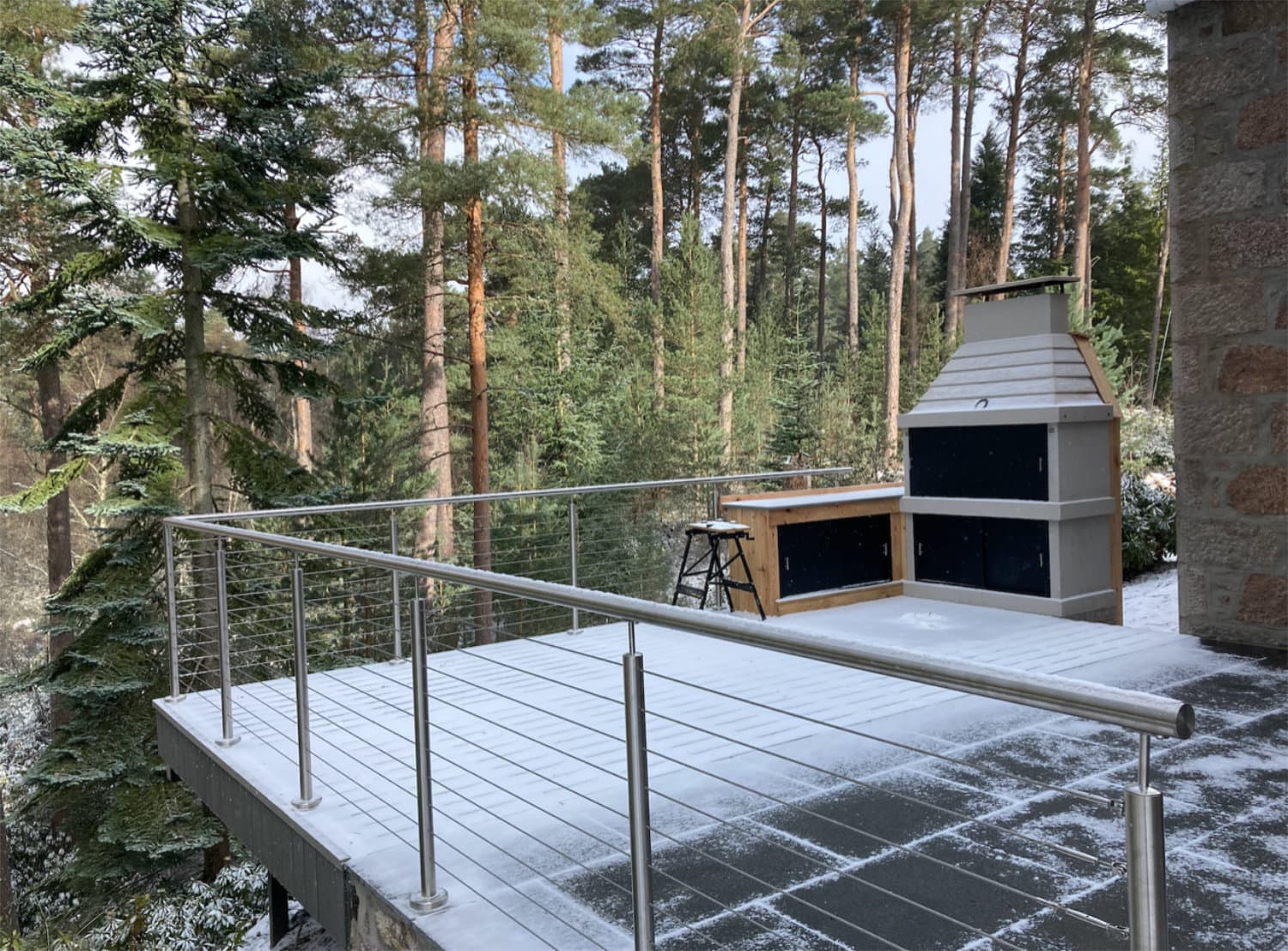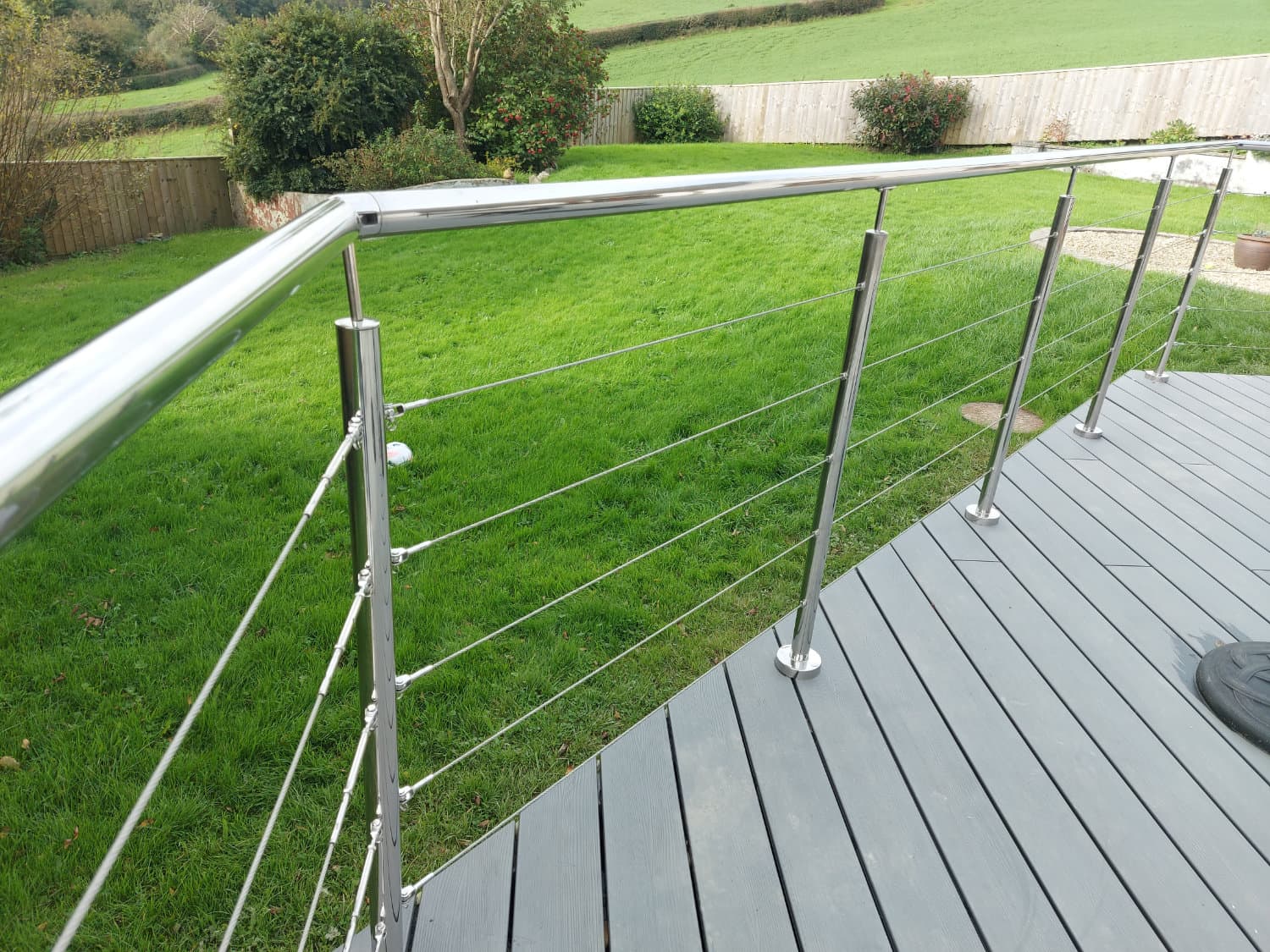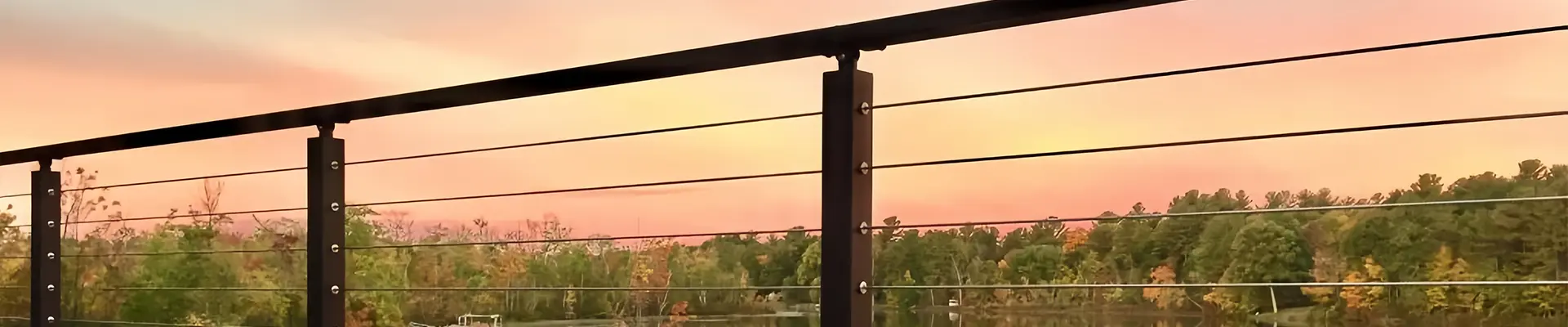
Why Stainless Cable Railing Shines in Winter?
Winter puts outdoor railing systems through a different set of challenges. Snow, freezing rain, road salt, moisture, and repeated temperature changes can leave railings stained, damaged, or difficult to maintain. For homeowners, architects, builders, and railing distributors, choosing a suitable material before winter arrives can make a real difference in long-term performance.
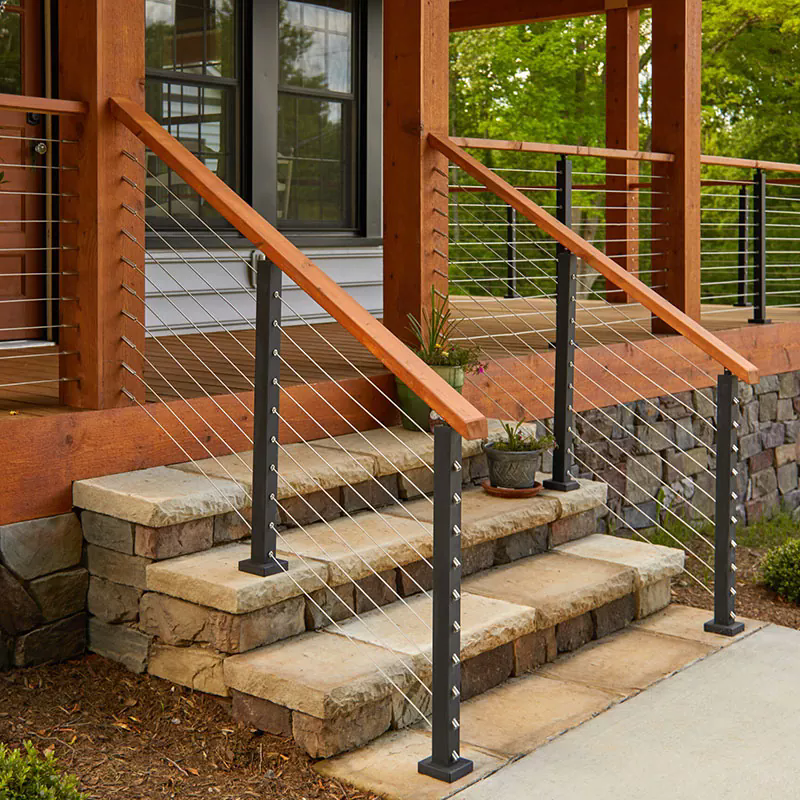
Stainless Cable Railing is a practical option for decks, balconies, staircases, and outdoor terraces because it combines a slim appearance with corrosion resistance and an open view. Its narrow cables allow natural light to pass through, while stainless steel posts, fittings, and tensioning hardware create a clean, modern railing system. However, winter performance depends on more than appearance. Stainless steel grade, installation quality, drainage, cable tension, and regular cleaning all matter.
At Vionta Metal, we understand that buyers need to consider both the appearance of a railing and the conditions it will face after installation. This guide explains why stainless steel cable railings are suitable for many winter environments, what can affect their performance, and what buyers should check before choosing a system for a residential or commercial project.
Planning an outdoor railing project for a cold climate? Discuss your project dimensions, installation environment, and material requirements with our team before selecting a railing system.
Table of Contents
- What Makes Stainless Cable Railing Attractive in Winter?
- Why Does Stainless Steel Resist Winter Corrosion?
- Which Stainless Steel Grade Is Suitable for Winter?
- How Does Cable Railing Handle Snow, Ice, and Freezing Rain?
- What Design Details Matter in a Winter-Ready Railing?
- How Should You Maintain Stainless Steel Railing in Winter?
- What Should Buyers Check Before Ordering?
- Where Does Stainless Cable Railing Work Well in Winter?
- How Can You Choose a Railing System for Long-Term Use?
- What Are the Most Common Questions About Stainless Steel Cable Railing?
What Makes Stainless Cable Railing Attractive in Winter?
Winter changes how people use outdoor spaces. A deck may be covered in snow, a balcony may receive freezing rain, and an exterior staircase may experience frequent wetting and drying. During these months, railing materials need to maintain their appearance while remaining suitable for their intended structural and safety functions.
Stainless cable railing offers several practical advantages in these settings.
1. How Does Its Open Design Preserve Outdoor Views?
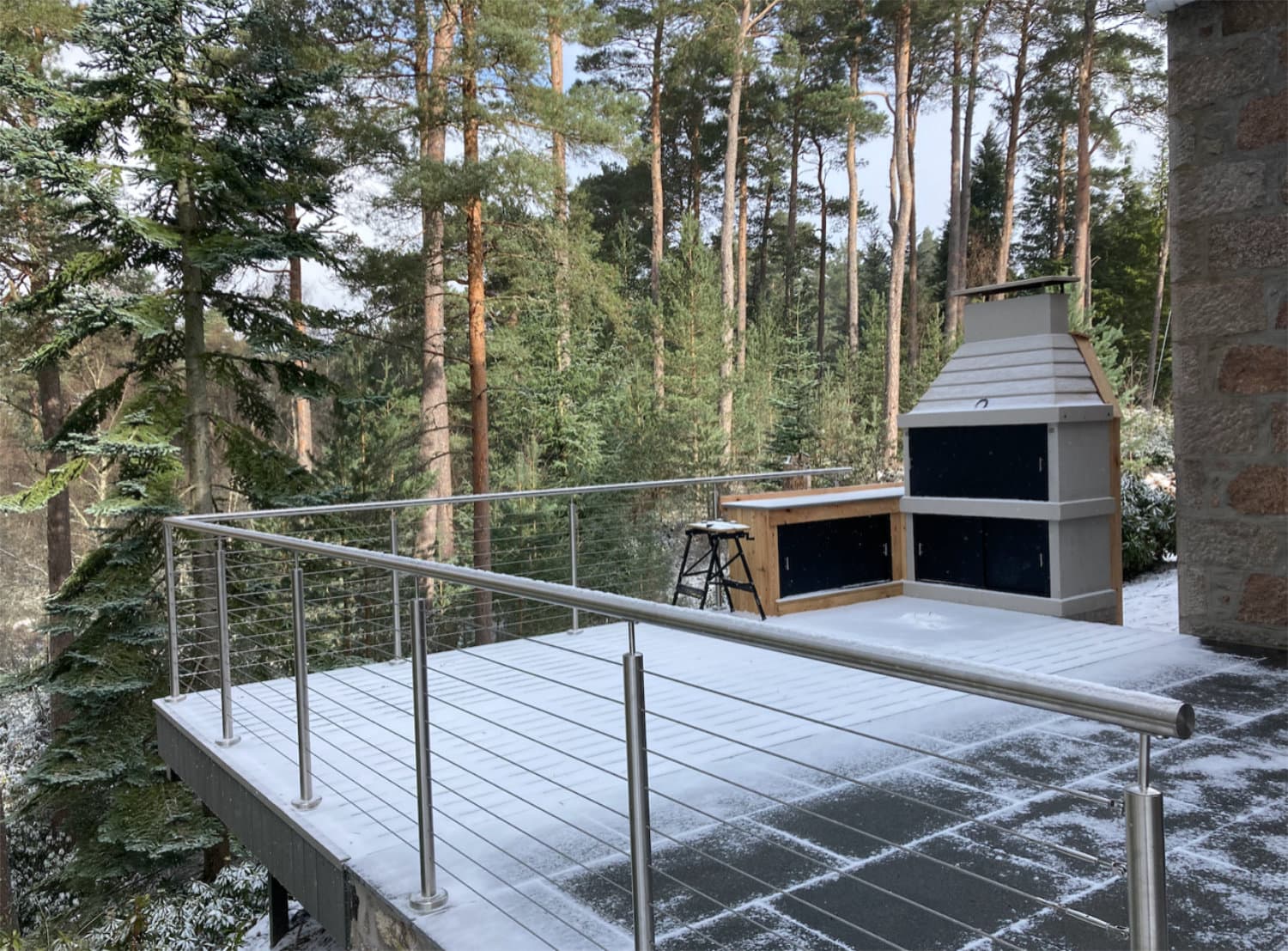
Traditional railing systems with solid panels, closely spaced pickets, or bulky infill can visually divide a space. Cable railing uses thin horizontal stainless steel cables between posts, leaving much of the view unobstructed.
This is particularly useful during winter, when homeowners may want to enjoy a snowy garden, mountain scenery, or a view across a frozen lake without adding a visually heavy barrier.
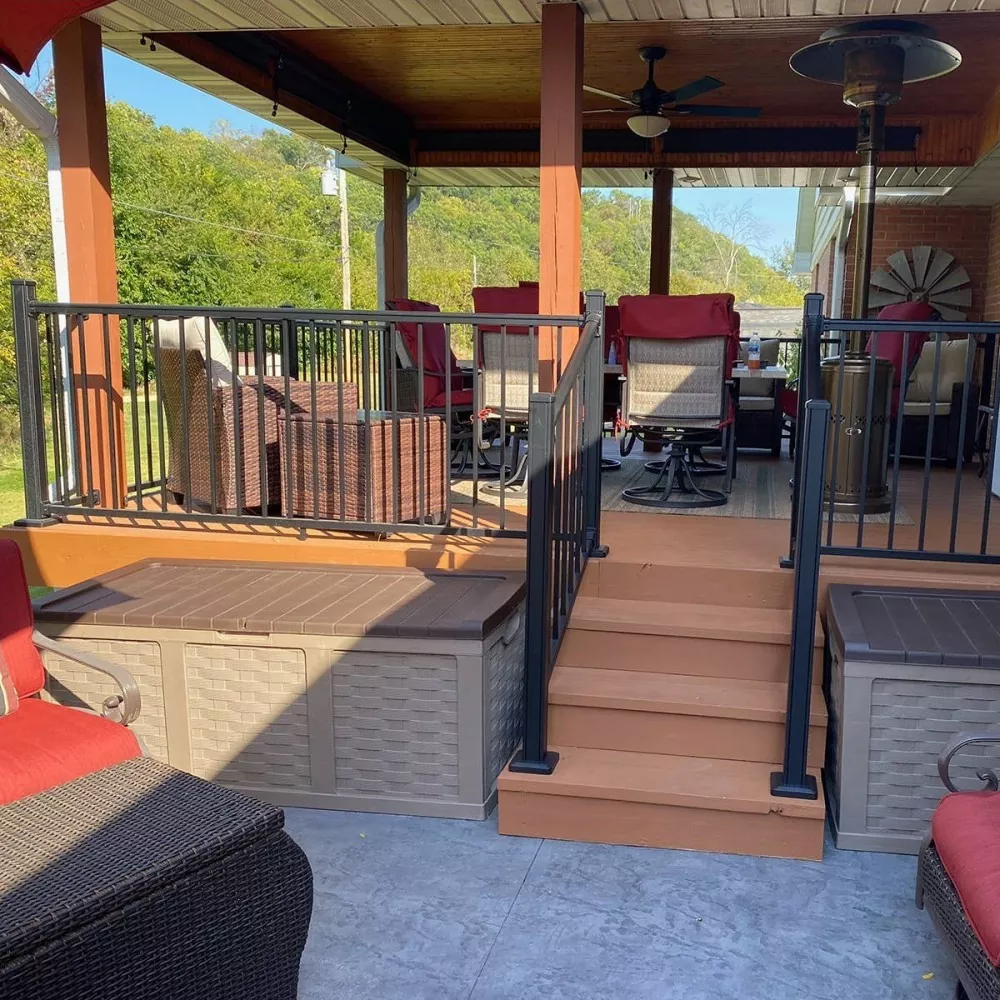
- Decks: Keep the surrounding landscape visible from outdoor living areas.
- Balconies: Maintain an open appearance without relying on large solid panels.
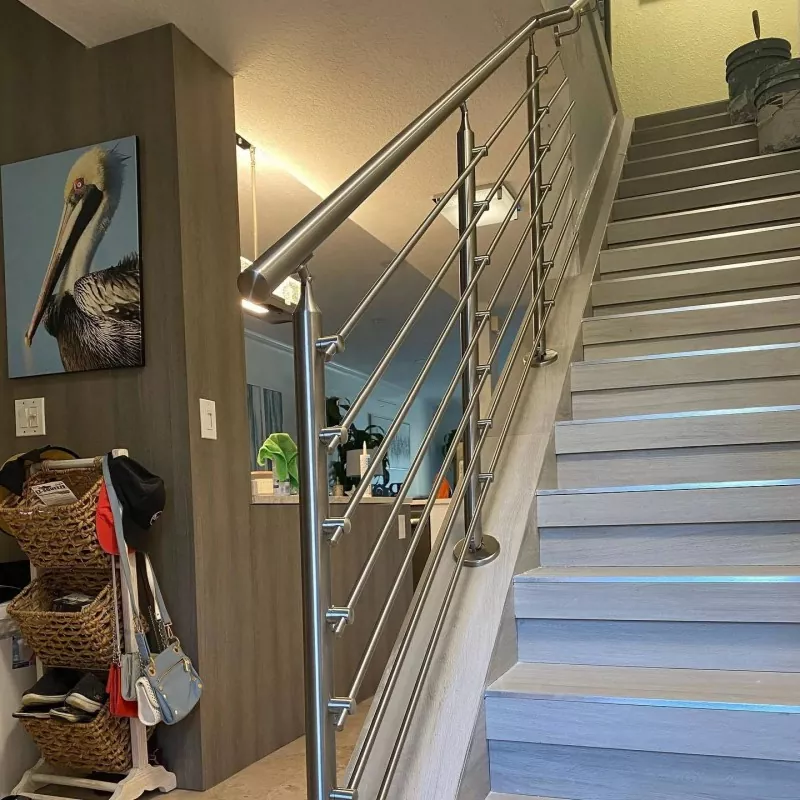
- Staircases: Create a streamlined look that works with wood, concrete, and metal construction.
- Commercial terraces: Support contemporary architectural designs without unnecessarily blocking views.
The appearance of the system also depends on post spacing, cable layout, terminal fittings, and the finish of the metal components. Good detailing helps the railing remain visually consistent even when the surrounding landscape changes with the seasons.
2. Why Is Stainless Steel Suitable for Changing Weather?
Stainless steel is valued for its corrosion resistance. Unlike ordinary carbon steel, it contains enough chromium to develop a thin, protective oxide layer on its surface. This layer helps resist corrosion when the steel is exposed to air and moisture.
That protection is useful in winter because outdoor railing systems regularly encounter condensation, melting snow, rain, and damp conditions. Stainless steel also does not depend on a conventional paint coating alone to provide its basic corrosion resistance, although decorative finishes and protective coatings may be used on certain components.
Stainless steel is not completely immune to corrosion. Chloride exposure, contamination from ordinary steel tools, unsuitable cleaning products, and persistent deposits can still cause staining or localized damage. Material selection and maintenance remain important, especially in coastal regions and areas where roads are treated with de-icing salt.
3. How Does Cable Railing Fit Different Architectural Styles?
A winter-ready railing does not have to look industrial. Stainless steel cable systems can be paired with different post and handrail materials to suit the project.
- Stainless steel posts and handrails create a consistent metal finish.
- Wooden handrails introduce a warmer visual element to a winter deck.
- Aluminum posts can provide another material option when the complete system is appropriately designed.
- Dark-colored structural components can create contrast against snow and light-colored exterior finishes.
For distributors and project contractors, this flexibility makes Stainless Cable Railing relevant to both modern residential construction and selected commercial applications.
Why Does Stainless Steel Resist Winter Corrosion?
Winter corrosion is not caused by cold temperatures alone. The bigger concern is the combination of moisture, oxygen, contaminants, and exposure time. A railing may remain wet for long periods, collect road spray, or trap salty water around fittings and post bases.
What Happens to Stainless Steel When It Gets Wet?
The chromium-rich oxide layer on stainless steel helps separate the underlying metal from its environment. When the surface is properly maintained and exposed to suitable conditions, this passive layer can reform after minor surface disruption.
However, dirt, chloride deposits, and contamination can interfere with the protective behavior of the surface. In demanding environments, this may lead to brown discoloration, commonly called tea staining, or more serious localized corrosion.
For a railing installed beside a salted driveway, for example, the lower posts and cable fittings may receive repeated splashes of salty water. These areas can be more vulnerable than components exposed mainly to clean rainwater.
What Winter Conditions Should Buyers Consider?
| Winter condition | Potential effect on railing | Practical response |
| Snow and melting snow | Prolonged moisture exposure and deposits around joints | Allow drainage and remove accumulated dirt during suitable weather. |
| Road de-icing salt | Chloride deposits that can increase the risk of staining and localized corrosion | Rinse exposed components with fresh water when conditions permit. |
| Freezing rain | Ice buildup, slippery adjacent surfaces, and added loads | Assess the complete railing and supporting structure for the local conditions. |
| Repeated freeze-thaw cycles | Water accumulation and movement in vulnerable joints or surrounding construction | Check drainage, anchoring details, and nearby materials. |
| Coastal winter weather | Salt spray combined with moisture and wind-driven contaminants | Specify a suitable stainless steel grade and maintain a regular cleaning routine. |
The important point is that a stainless steel railing should be selected for its actual environment, not simply because the product description includes the word “stainless.”
How Can Buyers Reduce the Risk of Surface Staining?
Several straightforward measures can help preserve the appearance of stainless steel components:
- Choose a stainless steel grade appropriate for the expected chloride exposure.
- Keep cable terminals, tensioners, and post bases free from accumulated dirt and salt.
- Avoid contaminating stainless steel with carbon steel particles during fabrication, installation, or maintenance.
- Use compatible fasteners and fittings rather than assuming that every metal component will perform equally well outdoors.
- Clean the railing before deposits remain on the surface for extended periods.
At Vionta Metal, project discussions should begin with the intended installation environment and the required configuration. These details help buyers evaluate material and component options before committing to a specification.
Which Stainless Steel Grade Is Suitable for Winter?
Not all stainless steel grades offer the same resistance to corrosion. For Stainless Steel Cable Railing, the choice between common grades such as 304 and 316 should reflect the location, exposure level, budget, and maintenance expectations.
What Is the Difference Between 304 and 316 Stainless Steel?
| Comparison point | 304 stainless steel | 316 stainless steel |
| Typical application | Many general outdoor and indoor environments | More demanding environments where chloride exposure is a concern |
| Composition | Chromium-nickel stainless steel | Chromium-nickel-molybdenum stainless steel |
| Chloride resistance | Lower than 316 under comparable conditions | Generally improved resistance to chloride-related corrosion |
| Typical selection considerations | Inland locations with moderate exposure and appropriate maintenance | Coastal locations, salt spray, and other demanding chloride-exposure conditions |
Grade 316 contains molybdenum, which generally improves its resistance to pitting and crevice corrosion in chloride-containing environments. This can make it a more appropriate choice for coastal properties and locations exposed to de-icing salts.
However, 316 stainless steel is not corrosion-proof. Its performance still depends on the environment, surface condition, component design, fabrication quality, and maintenance routine.
Why Does the Installation Environment Matter More Than the Season Alone?
A railing in a cold inland region with relatively clean precipitation may experience different corrosion risks from a railing in a coastal city where winter storms carry salt spray. Similarly, a property beside a busy road may receive more de-icing salt than a property in a rural area.
Before choosing a grade, consider the following questions:
- Is the railing close to the ocean or another source of salt spray?
- Will road salt or other chloride-containing de-icing products reach the posts and cables?
- Will the railing be washed regularly, or will cleaning access be limited?
- Are the cable terminals, tensioners, fasteners, and posts made from compatible materials?
- Does the project specification require a particular grade or documented material certification?
For B2B buyers, material traceability and clear component specifications are important. A supplier should be able to clarify what material is being offered and which parts of the system it applies to. Do not assume that stainless steel cables automatically mean every fitting, fastener, and post is made from the same grade.
How Does Cable Railing Handle Snow, Ice, and Freezing Rain?
Stainless steel cable railing can be used in cold climates, but the complete system must be designed for its intended loads and installation conditions. Corrosion resistance is only one part of winter performance.
What Happens When Snow Accumulates Around a Railing?
Light snow on a deck or balcony does not automatically mean the railing is under excessive structural stress. The relevant concerns include the weight and distribution of accumulated snow, drifting, ice formation, and the loads transferred through the railing to its posts and supporting structure.
Railings are generally designed to resist specified loads applied to the handrail or guard system. Their capacity should not be assumed to cover every possible snow or ice accumulation scenario. Local building codes, engineering requirements, and the manufacturer's documented limitations should guide the design.
For projects in regions with heavy snowfall, buyers should clarify whether the railing needs to accommodate additional project-specific loads or unusual exposure conditions.
Why Is Cable Tension Important in Cold Weather?
Horizontal cables need appropriate tension to maintain their intended arrangement and meet the system's design requirements. Stainless steel changes dimension slightly as its temperature changes, and cable tension can also be affected by installation details, support movement, and long-term settling.
Temperature changes alone do not mean that every cable railing needs seasonal retensioning. The correct approach depends on the system design and the manufacturer's installation instructions.
For a reliable installation, check the following:
- Confirm that the posts are securely anchored to the supporting structure.
- Use the specified cable terminals and tensioning hardware.
- Follow the manufacturer's installation sequence and tension requirements.
- Inspect for loose fittings, unusual cable movement, or visible post deflection.
- Arrange professional assessment if the railing has experienced impact, unusual loading, or suspected structural movement.
How Should You Deal With Ice on Cable Railing?
Ice can form on cables, handrails, and fittings during freezing rain or when melting snow refreezes overnight. Although stainless steel is suitable for many outdoor environments, the presence of ice can still create practical safety concerns.
- Use a soft broom or another suitable non-damaging tool to remove loose snow.
- Avoid striking the cables or fittings with metal tools.
- Do not use the railing as a lever or support for breaking thick ice.
- Avoid applying unapproved chemical de-icers directly to the metal components.
- Keep the walking surface and access route safe, since a corrosion-resistant railing cannot prevent slips on ice.
If ice is bonded tightly to the system, avoid forceful removal that could damage the cable, terminals, or finish. Follow the system manufacturer's guidance for the specific materials and installation.
What Design Details Matter in a Winter-Ready Railing?
A successful outdoor railing depends on more than the visible cable and posts. Small details around connections, drainage, and anchoring can influence long-term durability, maintenance access, and structural performance.
How Does Drainage Affect Stainless Steel Components?
Water that drains away readily is generally easier to manage than water that remains trapped in a joint or enclosed space. Dirt and chloride deposits can collect in locations where water repeatedly accumulates and evaporates.
When reviewing a railing design, pay particular attention to:
- Post bases where rainwater or melting snow may collect.
- Fittings with narrow gaps that are difficult to clean.
- Connections between dissimilar metals.
- Areas where snow is regularly pushed or piled during maintenance.
- Surfaces that are difficult to access for inspection and rinsing.
Good detailing should make the system practical to inspect and maintain after installation. Avoid designs that create unnecessary water traps or prevent access to important connections.
Why Do Cable Terminals and Fasteners Need Attention?
Cable railing relies on connections between the cable, terminal fittings, posts, and supporting structure. A corrosion-resistant cable cannot compensate for a damaged fastener, an incompatible fitting, or a poorly designed anchoring connection.
For B2B purchasing, the bill of materials should identify the main system components rather than describing the product only as a set of stainless steel cables. Ask for clarification on:
- Cable material and diameter.
- Post material, wall thickness, and dimensions where applicable.
- Terminal and tensioner specifications.
- Fastener materials and corrosion protection.
- Installation requirements and any applicable load documentation.
Vionta Metal can discuss railing configurations around the dimensions, layout, and application requirements provided by the buyer. Final material selection and structural suitability should be confirmed against the actual project specification.
What Should You Know About Cable Spacing?
Cable spacing is a design and safety consideration, not simply an aesthetic choice. The required spacing depends on the applicable building code, railing configuration, intended use, and any restrictions that apply to the project.
In the United States, a 4-inch sphere test is commonly associated with guard opening requirements in many residential applications, but the precise rules and exceptions depend on the applicable code and the specific opening being assessed. Horizontal cable systems may also be subject to additional local requirements.
Buyers should confirm the governing code and installation requirements before ordering a railing system. Never assume that a standard cable spacing will automatically satisfy every jurisdiction.
How Should You Maintain Stainless Steel Railing in Winter?
One reason buyers choose Stainless Steel Railing is that it can require less routine surface treatment than some traditional materials. However, low maintenance does not mean maintenance-free. A straightforward cleaning routine can help preserve the appearance of stainless steel and reduce the accumulation of harmful deposits.
What Is the Safest Way to Clean a Winter Railing?
For routine cleaning, start with a gentle method rather than a strong chemical cleaner.
- Remove loose debris. Use a soft brush to remove leaves, grit, and loose snow without scratching the metal.
- Rinse with fresh water. Where weather conditions permit, rinse away dirt, road salt, and other surface deposits.
- Use a mild cleaning solution. Clean the cables, posts, and accessible fittings with a suitable mild soap and a soft cloth.
- Pay attention to connections. Clean around terminals, tensioners, and post bases where dirt may accumulate.
- Rinse thoroughly. Remove soap residue rather than allowing cleaning products to dry on the surface.
- Dry where practical. Drying accessible surfaces can reduce water marks, especially in sheltered locations.
Always follow the railing manufacturer's maintenance instructions. Avoid chlorine bleach, chloride-containing cleaners, abrasive pads, and unsuitable acids that may damage the surface or increase corrosion risk. Do not mix cleaning chemicals.
How Often Should You Inspect a Cable Railing?
Inspection frequency should reflect the exposure conditions, use, and manufacturer's recommendations. A sheltered inland balcony may need less frequent cleaning than a railing beside a salted road or an exposed coastal terrace.
| Inspection area | What to look for | Recommended response |
| Cables | Visible damage, unusual slack, or contamination | Clean as appropriate and have abnormal movement assessed. |
| Terminals and tensioners | Loose fittings, visible corrosion, or damaged parts | Follow the manufacturer's repair or adjustment procedure. |
| Posts and handrails | Movement, deformation, staining, or damaged finishes | Investigate the cause before returning a damaged system to service. |
| Post bases and anchors | Standing water, loose connections, or deterioration of the supporting material | Correct drainage or anchoring problems as appropriate. |
After winter, a more thorough inspection can help identify issues that were difficult to see under snow or ice. If structural damage or a loose connection is suspected, do not rely on cleaning or simple tightening alone; arrange a competent assessment.
Why Should You Avoid Aggressive Snow Removal Methods?
Metal shovels, sharp scrapers, and forceful impacts can scratch or deform railing components. Damage may affect decorative finishes, cable alignment, or the integrity of a connection.
Use suitable non-abrasive tools and avoid leaning heavy snow-removal equipment against the railing. Where snow has accumulated heavily, remove it in a controlled manner without overloading the railing or disturbing the supporting structure.
A sensible winter maintenance plan protects the appearance of the product while making it easier to identify potential problems early.
What Should Buyers Check Before Ordering Stainless Cable Railing?
For importers, distributors, contractors, and developers, buying a cable railing system involves more than comparing the price per meter. The full specification determines whether the product matches the project and can be installed without unnecessary modifications.
Which Product Details Should Be Confirmed?
- Installation location: Identify whether the project is inland, coastal, exposed to road salt, or subject to heavy snowfall.
- Material grade: Confirm the stainless steel grade for the cables, fittings, posts, and other specified components.
- Dimensions: Provide railing lengths, heights, corner details, stair angles, and post locations.
- Structural requirements: Confirm the applicable loads, anchoring conditions, and building code requirements.
- Surface finish: Specify the required finish and any relevant expectations for appearance and cleaning.
- Installation method: Clarify whether the system will be side-mounted, top-mounted, or installed using another approved configuration.
- Documentation: Request material specifications, drawings, installation instructions, and test documents where applicable.
- Packaging: Check how cables, posts, fittings, and finished components will be protected during international transport.
How Can Custom Manufacturing Help With Project Requirements?
Standard railing kits can suit straightforward installations, but commercial projects and multi-level properties may require specific dimensions, corner arrangements, post layouts, or mounting details.
A manufacturer that reviews drawings and installation conditions can help clarify component quantities and identify potential fitment issues before production. For export projects, clear drawings and part identification can also help installers organize the materials on site.
At Vionta Metal, we focus on understanding the application and configuration required by the buyer before discussing a suitable railing solution. Buyers should provide drawings, dimensions, material preferences, and relevant project standards so that the proposed system can be reviewed against the intended use.
Custom manufacturing does not remove the need for engineering verification. Any changes to cable spacing, post geometry, connection details, or material thickness must be checked against the design requirements rather than treated as purely cosmetic modifications.
Where Does Stainless Cable Railing Work Well in Winter?
Stainless cable railing is suitable for a range of residential and commercial applications when the selected system meets the relevant structural, environmental, and building-code requirements.
Why Is It Suitable for Residential Decks and Balconies?
For residential decks, balconies, and terraces, cable railing provides an open visual boundary while allowing the surrounding architecture to remain visible. Stainless steel components can complement timber decking, composite boards, concrete slabs, and contemporary exterior finishes.
In snowy regions, homeowners should consider how snow is removed from the deck, whether road salt reaches the railing, and how easily the cables and fittings can be inspected. These practical details often matter more to long-term maintenance than appearance alone.
How Can Commercial Projects Benefit From Cable Railing?
Hotels, multi-family developments, restaurants, and commercial terraces may use cable railing to maintain an open appearance across balconies, exterior stairs, and elevated outdoor areas.
For these projects, procurement teams should evaluate repeatability, installation details, replacement-part availability, and documentation requirements. A consistent component specification also makes it easier to manage multiple buildings or phases of construction.
What Should Coastal and Snow-Prone Projects Consider?
Coastal locations combine moisture with airborne salt, while snow-prone locations may introduce de-icing chemicals and repeated wetting. Some projects experience both conditions.
For these applications, buyers should pay particular attention to stainless steel grade, the compatibility of all exposed fittings, cleaning access, and the management of standing water. Grade 316 may be appropriate where chloride exposure is significant, but the final selection should reflect the actual conditions and project requirements.
Vionta Metal recommends that buyers define the installation environment early in the quotation process. This helps the supplier and purchaser discuss materials and system details using the same project assumptions.
How Can You Choose a Railing System for Long-Term Use?
Stainless Cable Railing stands out in winter because it combines an open architectural appearance with the corrosion resistance of stainless steel. It can be a practical choice for decks, balconies, exterior stairs, and commercial terraces where snow, rain, and changing temperatures are part of the local climate.
However, long-term performance depends on selecting the appropriate material grade, specifying compatible fittings, providing sound anchoring and drainage details, and following a suitable maintenance routine. Stainless steel can stain or corrode under unfavorable conditions, and no material grade replaces correct installation or inspection.
For buyers planning a winter-exposed project, the most useful starting point is a clear specification covering location, dimensions, materials, mounting details, applicable loads, and local building requirements.
At Vionta Metal, we welcome project inquiries from distributors, contractors, and buyers looking for railing solutions that match their application requirements. Share your drawings and project conditions to begin discussing a suitable configuration.
What Are the Most Common Questions About Stainless Steel Cable Railing?
1. Does stainless steel cable railing rust in winter?
Stainless steel cable railing is corrosion-resistant, but it is not completely rust-proof. Winter moisture, road salt, coastal spray, and surface contamination can cause staining or localized corrosion. Choosing a suitable grade, keeping the surface clean, and inspecting exposed fittings can help reduce these risks.
2. Is 304 or 316 stainless steel better for winter outdoor railing?
Both grades can be suitable, depending on the installation environment. Grade 304 is commonly used in many general applications, while grade 316 contains molybdenum and generally offers better resistance to chloride-related corrosion. For coastal locations or areas exposed to de-icing salts, 316 may be the more appropriate option. The final choice should reflect actual exposure conditions and project specifications.
3. Can stainless steel cable railing withstand snow and freezing temperatures?
Stainless steel can be used in cold outdoor environments, but the complete railing system must be designed for its intended loads and installation conditions. Snow accumulation, ice, cable tension, post strength, anchors, and the supporting structure all need consideration. Confirm local building-code requirements and any project-specific structural design criteria before installation.
4. How do you clean stainless steel cable railing after winter?
Remove loose debris with a soft brush, rinse the surface with fresh water when conditions permit, and clean it using mild soap and a soft cloth. Pay attention to cable terminals, tensioners, and post bases where dirt and salt may accumulate. Rinse away all cleaning residue and avoid bleach, chloride-containing products, and abrasive tools. Follow the manufacturer's maintenance instructions for the specific system.
5. Is stainless steel cable railing suitable for coastal and snowy regions?
It can be suitable for both environments when the material grade, component selection, installation details, and maintenance plan match the exposure conditions. Coastal properties may require particular attention to salt spray, while snowy regions may require attention to de-icing salt, snow accumulation, and freeze-thaw conditions. Grade 316 is often considered for higher chloride exposure, but it still requires appropriate cleaning and maintenance.
Related News
- How Can a Snow Load Aluminum Pergola Deliver Reliable Year-Round Outdoor Protection
- What Awning Fabric and Frame Options Are Available?
- Is Glass Railing Safe for Balconies and Terraces?
- What Makes Stainless Steel the Ideal Material for Outdoor Railings?
- Are Jalousie Windows Easy to Break Into?
- Is Stainless Steel Glass Railing Safe?
Leave me a message