How Can Cable Railing Improve Safety, Design, and Long-Term Value?
Abstract
Cable railing systems have become a leading choice in modern residential, commercial, and architectural design due to their minimalist appearance, durability, and safety performance. Unlike traditional wood or bulky metal railings, cable railing systems provide unobstructed views while maintaining structural integrity and compliance with safety standards. This article explores how cable railing works, where it is best applied, what challenges buyers face, and how to select the right system for long-term value. It also includes technical considerations, installation insights, and maintenance guidance to help property owners make informed decisions.
Table of Contents
- Article Outline
- 1. Understanding Cable Railing Systems
- 2. Key Benefits of Cable Railing
- 3. Common Applications
- 4. Materials and Structural Considerations
- 5. Installation Challenges and Solutions
- 6. Maintenance and Longevity
- 7. Cable Railing vs Traditional Railing
- 8. Frequently Asked Questions
- Conclusion and Contact
Article Outline
- Definition and structure of cable railing systems
- Advantages in safety, aesthetics, and durability
- Residential and commercial use cases
- Material selection and engineering considerations
- Installation best practices and common issues
- Maintenance requirements for long-term performance
- Comparative analysis with wood, glass, and metal railings
1. Understanding Cable Railing Systems
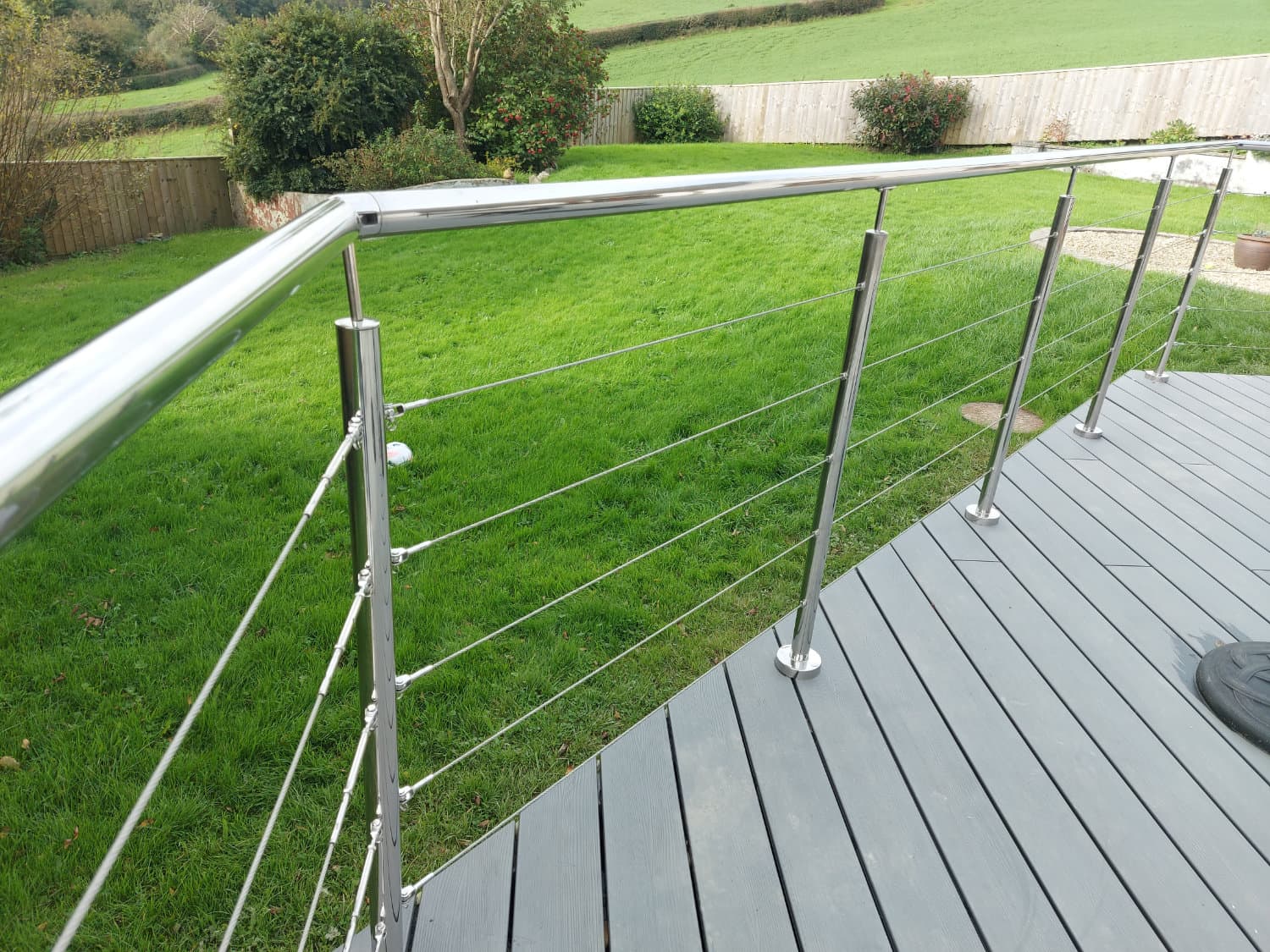
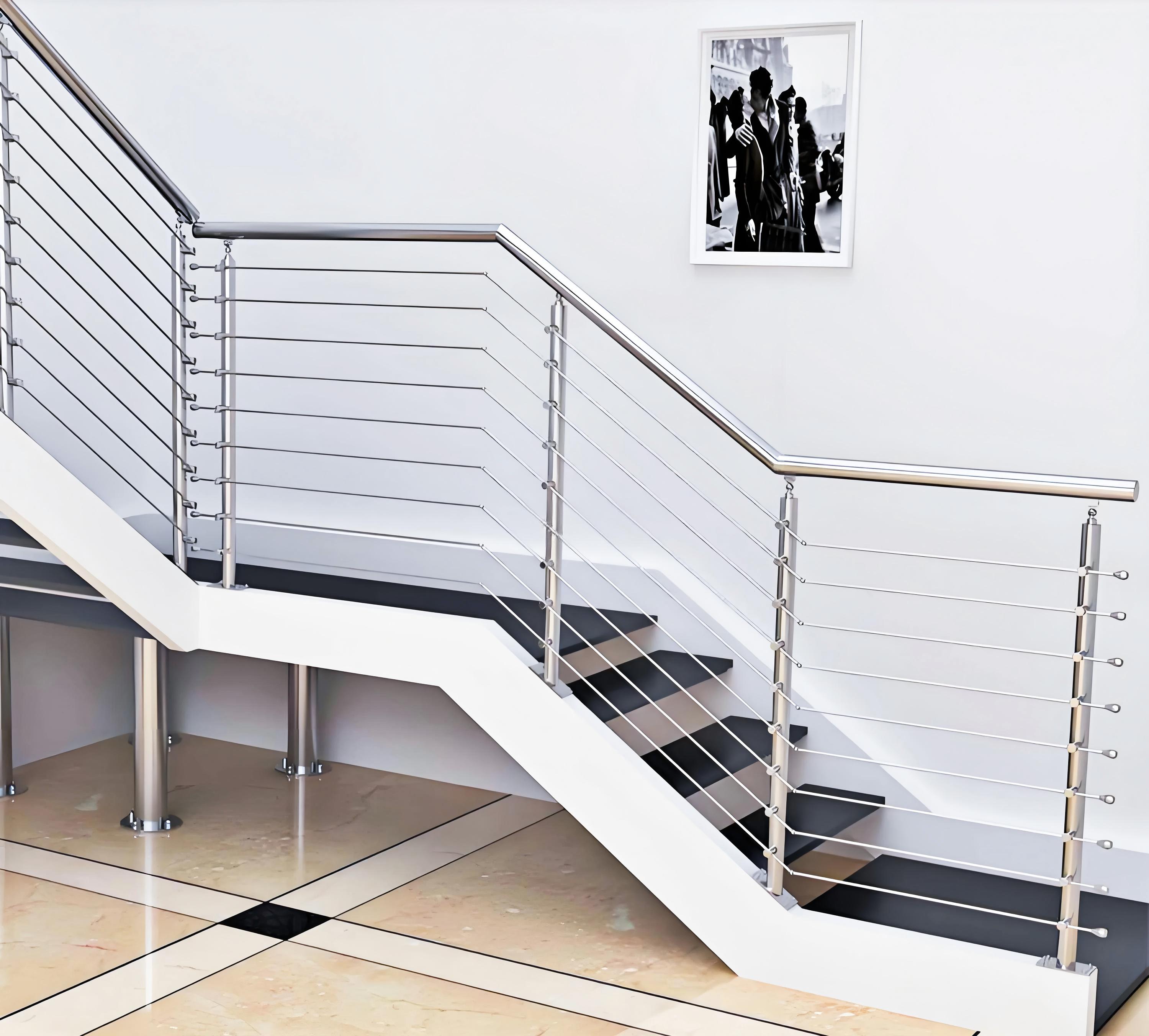
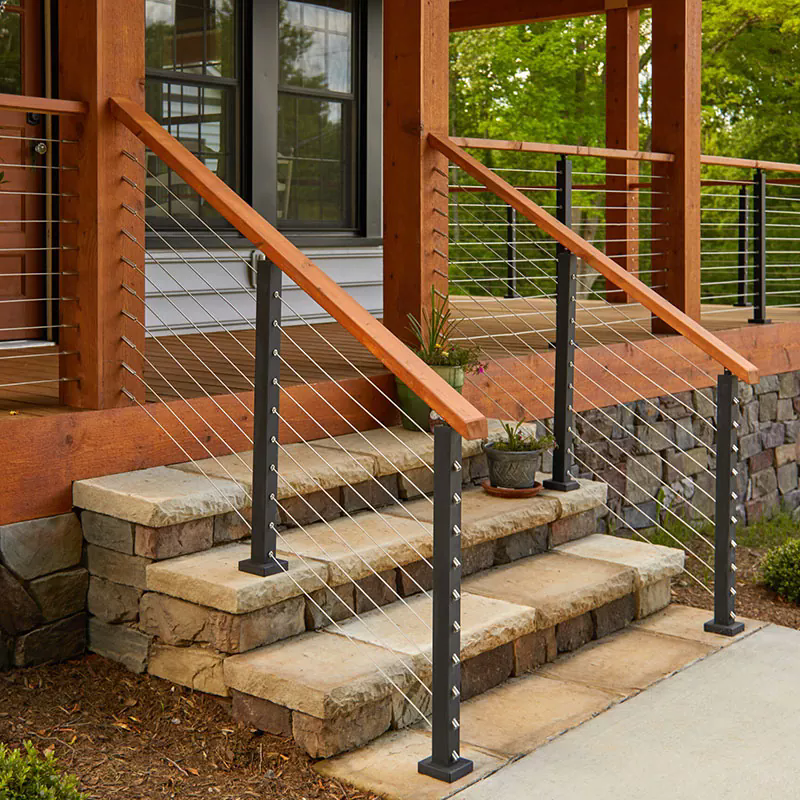
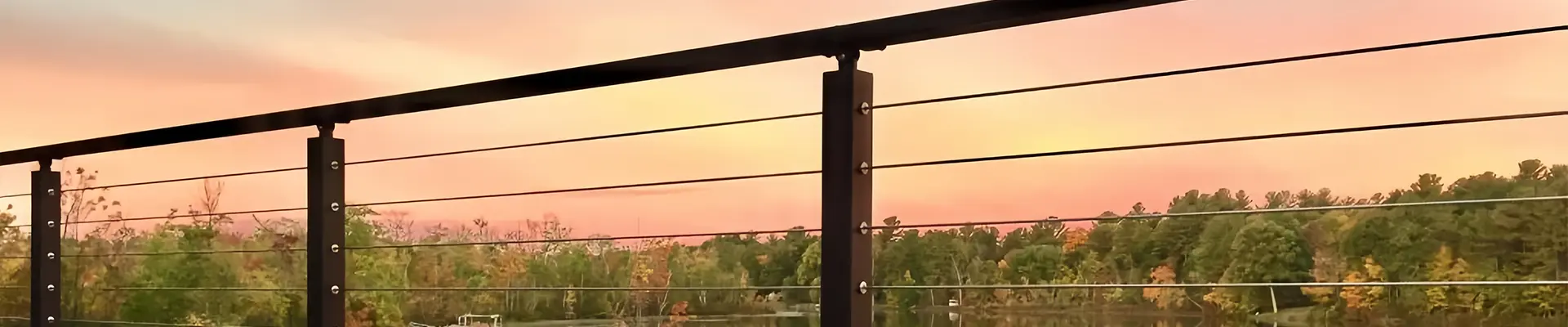
A cable railing system is a structural barrier composed of horizontal or vertical stainless steel cables tensioned between posts. These systems are designed to meet safety codes while preserving visibility and aesthetic openness. The core components typically include posts (metal or wood), stainless steel cables, tensioning hardware, and terminal fittings.
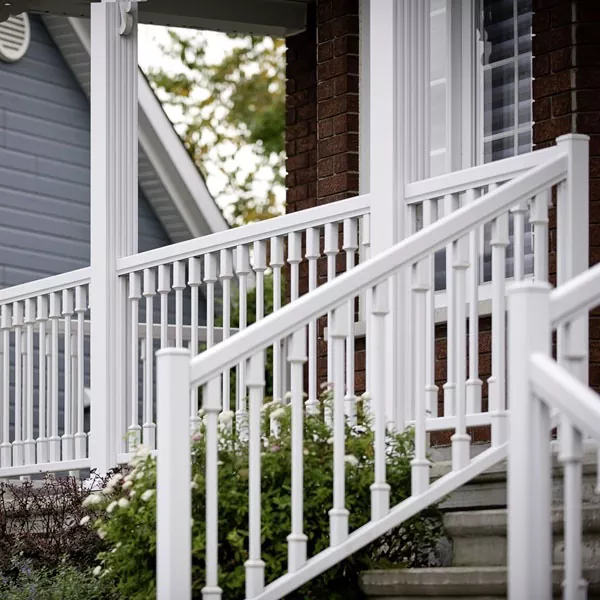
Unlike traditional balusters or panels, cable railing reduces visual obstruction, making it ideal for properties that prioritize open views such as balconies, decks, staircases, and terraces.
2. Key Benefits of Cable Railing
Cable railing systems provide a combination of functional and aesthetic advantages that explain their rising popularity in modern architecture.
- Unobstructed Views: Thin cables allow near-transparent barriers, ideal for scenic environments.
- High Durability: Stainless steel cables resist corrosion, rust, and environmental wear.
- Low Maintenance: Requires minimal upkeep compared to wood or painted metal railings.
- Modern Aesthetic: Clean lines complement contemporary architecture.
- Safety Compliance: Properly installed systems meet residential and commercial building codes.
From a property value perspective, cable railing often enhances market appeal by improving both visual and structural quality.
3. Common Applications
Cable railing systems are highly versatile and can be used in a wide range of environments.
| Application Area | Purpose | Benefit |
|---|---|---|
| Residential Decks | Safety barrier | Maintains open backyard views |
| Staircases | Fall prevention | Lightweight and visually minimal |
| Balconies | Edge protection | Enhances architectural aesthetics |
| Commercial Buildings | Safety compliance | Modern corporate appearance |
| Outdoor Terraces | Boundary definition | Weather-resistant and durable |
4. Materials and Structural Considerations
The performance of a cable railing system heavily depends on material selection and structural engineering. Stainless steel (typically 304 or 316 grade) is the most common cable material due to its corrosion resistance and tensile strength.
- 316 Stainless Steel: Best for coastal or humid environments due to superior corrosion resistance.
- 304 Stainless Steel: Suitable for inland residential applications.
- Aluminum Posts: Lightweight and corrosion-resistant, commonly used in modern installations.
- Wood Posts: Offer a traditional aesthetic but require more maintenance.
Proper tensioning is critical. Loose cables may fail safety inspections, while over-tensioning can cause post deflection or structural stress.
5. Installation Challenges and Solutions
While cable railing systems offer many benefits, installation requires precision. Common challenges include cable sagging, post alignment, and achieving uniform tension.
- Challenge: Cable Sagging – Solution: Use high-quality tensioning hardware and periodic adjustments.
- Challenge: Uneven Posts – Solution: Ensure structural alignment before cable installation.
- Challenge: Code Compliance – Solution: Maintain proper spacing (typically under 4 inches between cables).
Professional installation is often recommended for larger projects, especially in commercial or multi-level residential environments.
6. Maintenance and Longevity
One of the strongest advantages of cable railing is its low maintenance requirement. However, periodic inspection is still necessary to ensure long-term safety and performance.
- Inspect cable tension every 6–12 months
- Clean stainless steel cables with mild detergent and water
- Check for corrosion in coastal environments
- Tighten fittings if slack develops
With proper care, a cable railing system can last decades without significant degradation.
7. Cable Railing vs Traditional Railing
| Feature | Cable Railing | Wood Railing | Glass Railing |
|---|---|---|---|
| Visibility | High | Low | Very High |
| Maintenance | Low | High | Medium |
| Durability | High | Medium | High |
| Cost | Moderate | Low–Moderate | High |
| Aesthetic Style | Modern | Traditional | Ultra-modern |
Cable railing provides a balanced solution between aesthetics, performance, and cost efficiency, making it a preferred choice for modern architecture.
8. Frequently Asked Questions
Q1: Is cable railing safe for children?
Yes, when properly installed with correct spacing (typically under 4 inches), cable railing systems meet most safety standards and prevent accidental falls.
Q2: Does cable railing rust over time?
High-quality stainless steel cables, especially 316 grade, are highly resistant to rust and corrosion even in harsh environments.
Q3: Can cable railing be installed on existing decks?
Yes, many systems are designed for retrofit installation, although structural assessment is recommended before installation.
Q4: How long does installation take?
For a standard residential deck, installation typically takes 1–3 days depending on complexity and post configuration.
Q5: Is professional installation necessary?
While DIY kits exist, professional installation ensures compliance with safety codes and optimal tensioning performance.
Conclusion and Contact
Cable railing systems represent a significant evolution in architectural safety and design. Their ability to combine structural integrity with visual openness makes them ideal for both residential and commercial applications. From decks and balconies to staircases and terraces, they offer a modern solution that balances aesthetics and function.
When selecting a supplier, quality engineering, material grade, and installation support are critical factors that directly affect long-term performance. Manufacturers such as Vionta provide engineered cable railing solutions designed for durability and modern architectural integration. For project consultation and product specifications, Vionta — contact us to explore tailored cable railing solutions that meet your design and safety requirements.
Related News
- Why Stainless Cable Railing Shines in Winter?
- How Can a Snow Load Aluminum Pergola Deliver Reliable Year-Round Outdoor Protection
- What Awning Fabric and Frame Options Are Available?
- Is Glass Railing Safe for Balconies and Terraces?
- What Makes Stainless Steel the Ideal Material for Outdoor Railings?
- Are Jalousie Windows Easy to Break Into?
Leave me a message