What is the Difference Between a Balustrade and a Railing?
When planning a balcony, staircase, or outdoor deck, many buyers use the terms “balustrade” and “railing” interchangeably. In reality, these two concepts are closely related but not exactly the same. Understanding the difference helps you make better design decisions and communicate clearly with your Supplier or Manufacturer.
At Vionta, a China-based Factory specializing in metal railing and aluminum railing systems, we often see confusion during project discussions. This guide explains the differences in a simple and practical way, so you can choose the right solution for your project.
Table of Contents
1. What is a railing?
2. What is a balustrade?
3. What are the key differences between a balustrade and a railing?
4. Why do these terms often get confused?
5. Which option is better for your project?
6. How to choose the right material for your railing system?
7. Conclusion
8. FAQ
What is a railing?
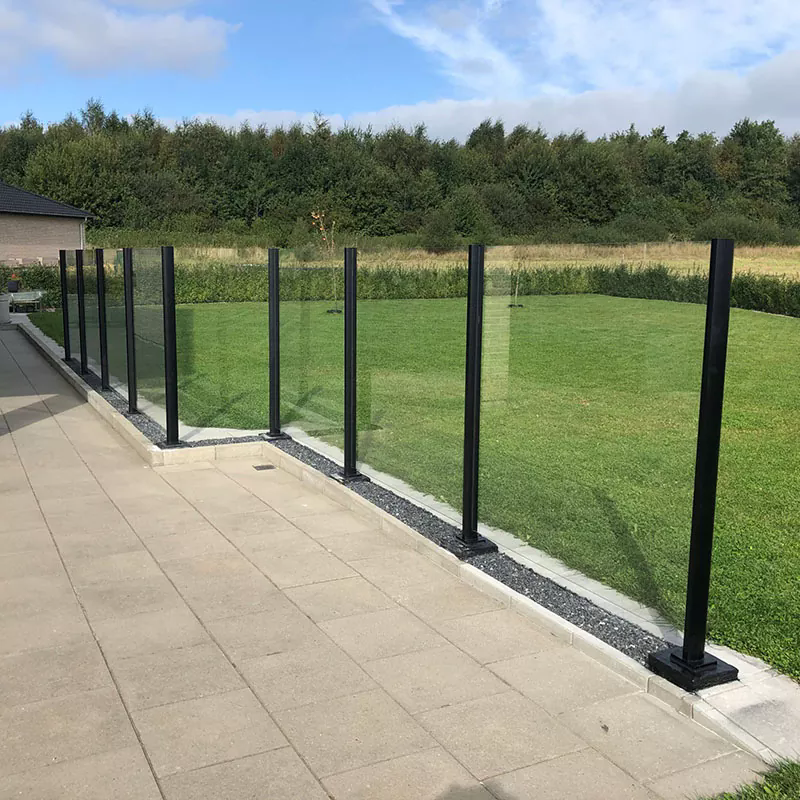
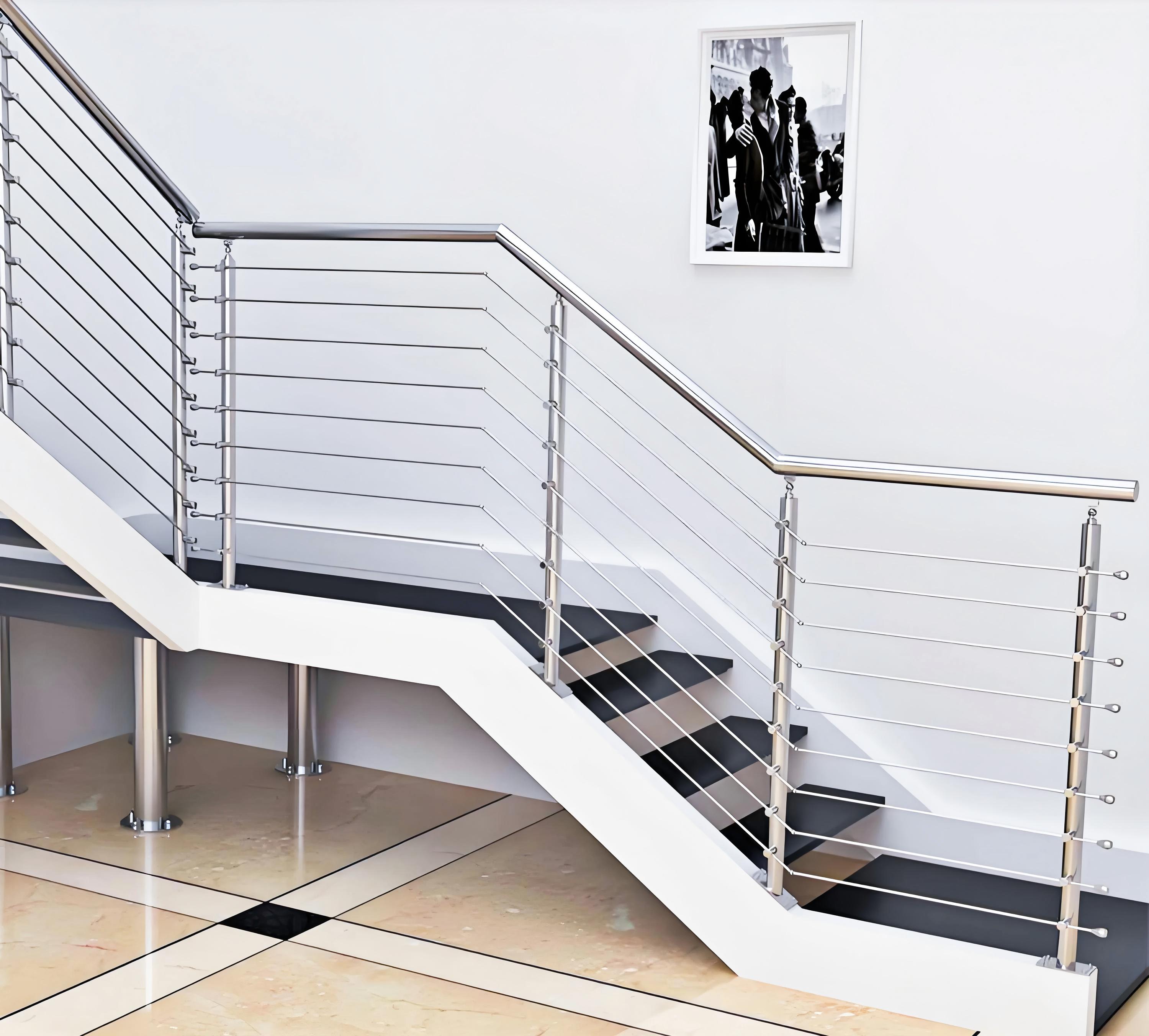
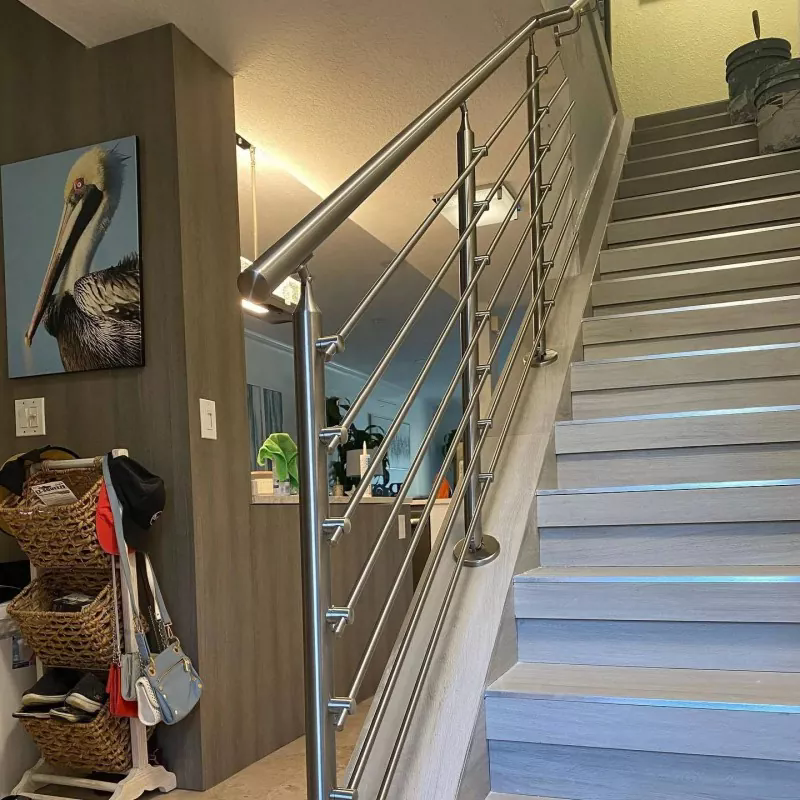
A railing is a general term used to describe a protective barrier designed to prevent falls. It is commonly installed along staircases, balconies, decks, and walkways.
A typical railing system includes:
• Vertical posts or supports
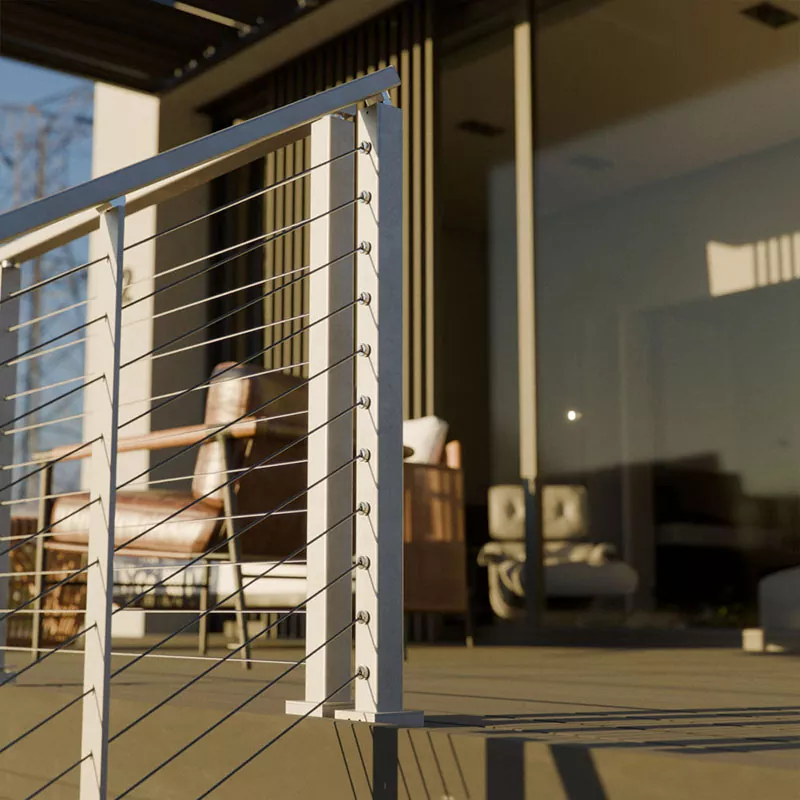
• Horizontal or vertical infill (such as cables, bars, or panels)
• A top rail for support and safety
In modern construction, metal railing systems are widely used due to their durability and clean appearance. Aluminum railing, in particular, is popular for outdoor applications because it is lightweight and resistant to corrosion.
From a procurement perspective, when working with a China Manufacturer or Supplier, “railing” is the broader and more commonly used term in drawings, quotations, and product catalogs.
What is a balustrade?
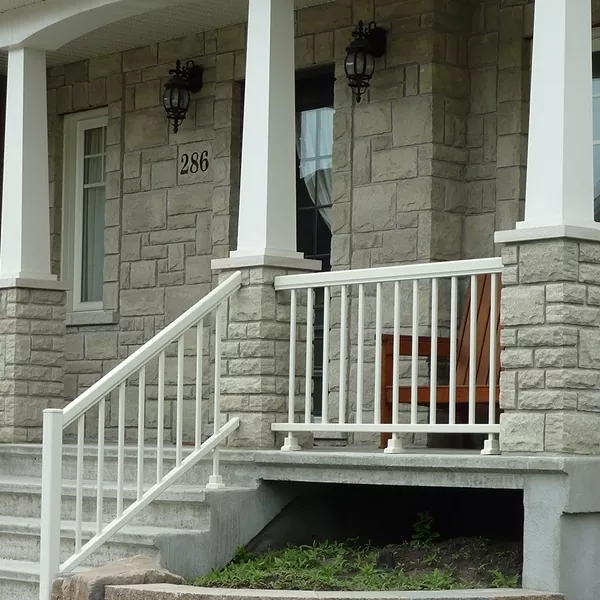
A balustrade is a more specific architectural term. It refers to a complete system made up of multiple repeating vertical elements called balusters, along with a top rail.
A traditional balustrade includes:
• Balusters (small vertical columns)
• A handrail or top rail
• A base rail or bottom support
Historically, balustrades were made from stone or wood and were often decorative. Today, they can also be made from metal, glass, or aluminum, depending on the design style.
In simple terms, a balustrade is a type of railing, but not all railings are balustrades.
What are the key differences between a balustrade and a railing?
The distinction becomes clearer when comparing their structure, usage, and design focus.
| Aspect | Railing | Balustrade |
| Definition | General safety barrier | Specific system with balusters |
| Structure | Flexible design (cable, glass, bars) | Repeating vertical balusters |
| Design focus | Function and safety | Structure and decoration |
| Common materials | Metal, aluminum, glass | Stone, wood, metal |
| Usage | Modern residential and commercial | Traditional and architectural projects |
For example, a cable metal railing system used on a modern deck is not a balustrade. However, a classic system with evenly spaced vertical posts is considered a balustrade.
Why do these terms often get confused?
In common language, especially in North America and Australia, people tend to use “railing” for almost everything. The term is simpler and more widely understood.
In contrast, “balustrade” is more common in architectural drawings, historical contexts, or formal documentation.
When dealing with a China Factory or Supplier, most quotations and product specifications will use “railing” as the standard term. This helps avoid confusion during manufacturing and shipping.
Which option is better for your project?
The answer depends on your design goals and application.
If you are working on a modern project, such as a balcony or deck, a metal railing or aluminum railing system is usually the better choice. These systems offer:
• Clean and minimal design
• Low maintenance
• High durability
• Easy installation
If your project has a classical or decorative style, a balustrade design may be more suitable. It adds visual detail and architectural character.
Many clients working with Vionta choose aluminum railing systems because they balance aesthetics, performance, and cost. As a Manufacturer, we also provide customization options to match different project styles.
How to choose the right material for your railing system?
Material selection plays a key role in performance and long-term value.
| Material | Advantages | Best Use |
| Aluminum | Lightweight, rust-resistant | Outdoor decks and balconies |
| Stainless Steel | High strength, modern look | Commercial and coastal areas |
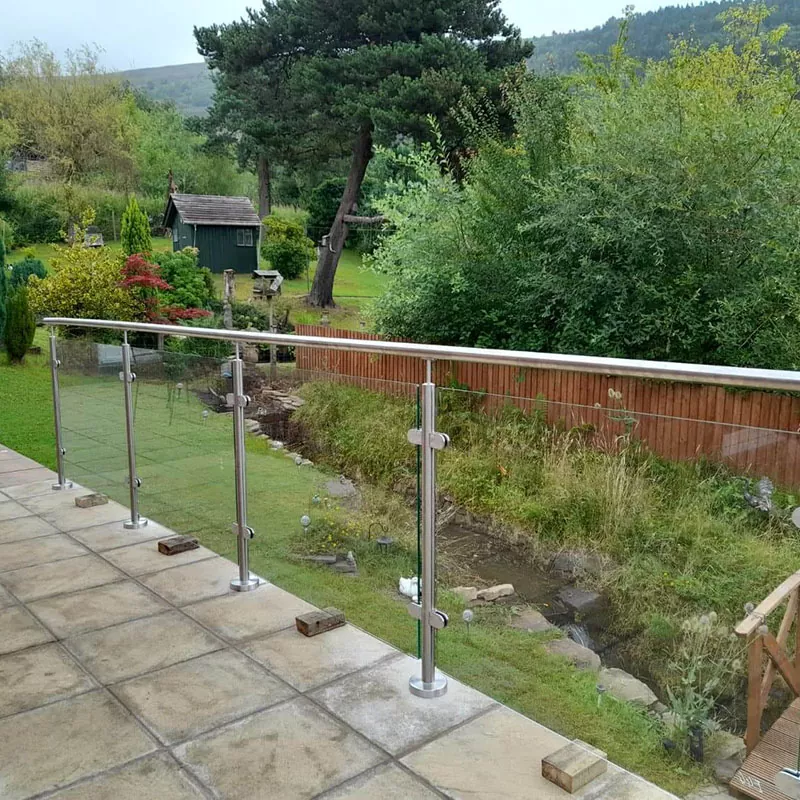
| Glass + Metal | Open view, modern design | Luxury residential projects |
For most outdoor environments, aluminum railing is a practical choice. It requires minimal maintenance and performs well in different climates.
Ready to elevate your project? Contact Vionta today for a professional consultation and a competitive quote on our high-quality railing systems. Let us help you find the perfect balance of safety and style for your next build.
Working directly with a China Supplier like Vionta also allows you to customize size, finish, and structure according to your project needs.
Conclusion
The difference between a balustrade and a railing comes down to specificity. A railing is a broad term for safety barriers, while a balustrade refers to a particular structural style using balusters.
For most modern projects, especially in residential and commercial construction, metal railing and aluminum railing systems are the preferred solutions due to their flexibility and performance.
If you are planning a project and need reliable support from a China Manufacturer or Factory, Vionta offers customized solutions tailored to your requirements. Contact our team to discuss your design and get a detailed quotation.
FAQ
What is the simplest way to understand the difference?
A railing is a general safety system, while a balustrade is a specific type of railing with vertical balusters.
Are all balustrades considered railings?
Yes, every balustrade is a railing, but not every railing is a balustrade.
Which is more modern in design?
Metal railing systems, especially cable or glass designs, are more common in modern architecture.
Is aluminum railing suitable for outdoor use?
Yes, aluminum railing is highly resistant to corrosion and ideal for outdoor environments.
Can I customize railing systems from a China Supplier?
Yes, most Manufacturers, including Vionta, provide full customization options for size, material, and finish.
Related News
- Are Jalousie Windows Easy to Break Into?
- Is Stainless Steel Glass Railing Safe?
- How waterproof is an aluminum louvered pergola during heavy rain, and how should its drainage capacity be tested?
- How Strong Is Aluminum Railing Compared With Steel Railing?
- How to Choose Metal Railing for Residential and Commercial Projects
- How To Remove Hard Water Stains From Glass Railings?
Leave me a message