How to Choose Metal Railing for Residential and Commercial Projects
Metal railing is no longer treated as a purely functional edge protection system. In residential, multi-family, hospitality, and commercial projects, the railing has become part of the architectural language: it frames a view, supports safe movement, and contributes to the long-term maintenance profile of the building. For buyers, the challenge is choosing a system that balances structural performance, appearance, installation efficiency, and dependable supply.
At Vionta Metal, we work with importers, contractors, architects, and regional distributors who need that balance in real projects. As a China manufacturer and supplier of metal railing systems, we combine design, R&D, manufacturing, and sales in our Ningbo factory. Our experience since 2004 has taught us that a successful railing specification begins with the project conditions, not with a catalogue photograph.
Start with the project environment
The first decision is the environment in which the railing will operate. An interior stair, a covered balcony, a coastal terrace, and a pool deck do not expose metal to the same loads or weather conditions. Salt spray, standing water, cleaning chemicals, freeze-thaw cycles, and strong sunlight can all influence the material and finish a buyer should select.
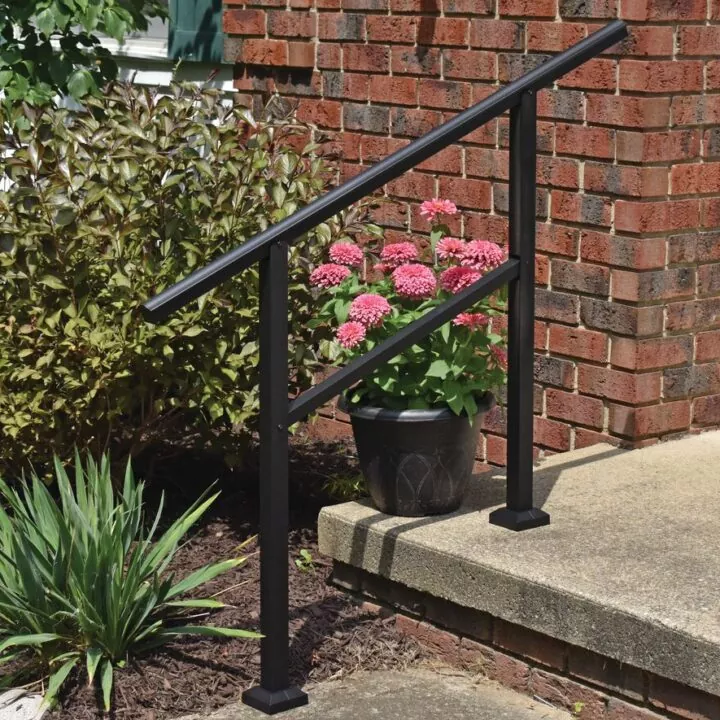
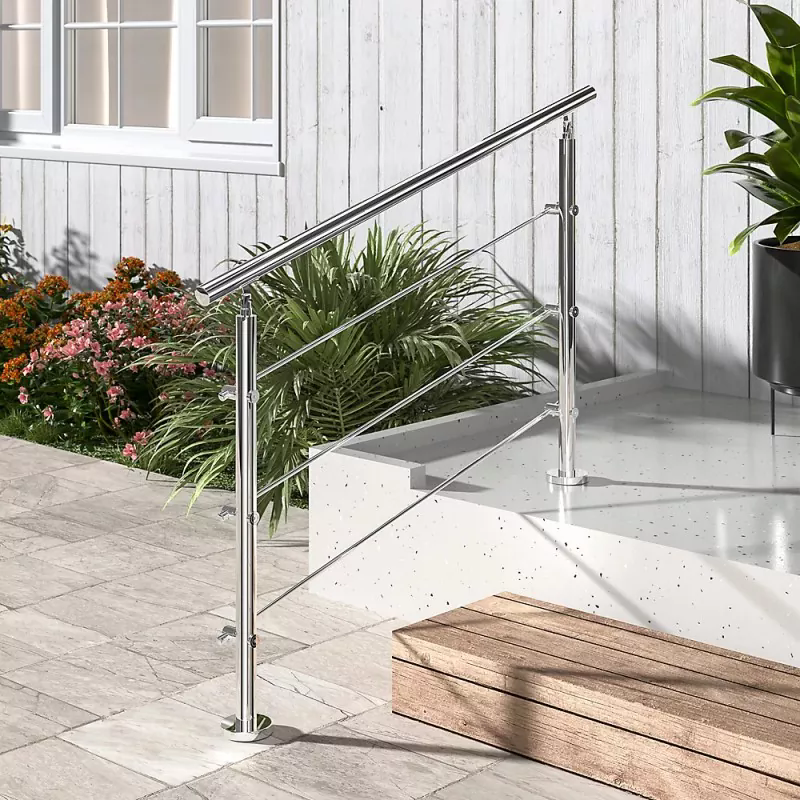
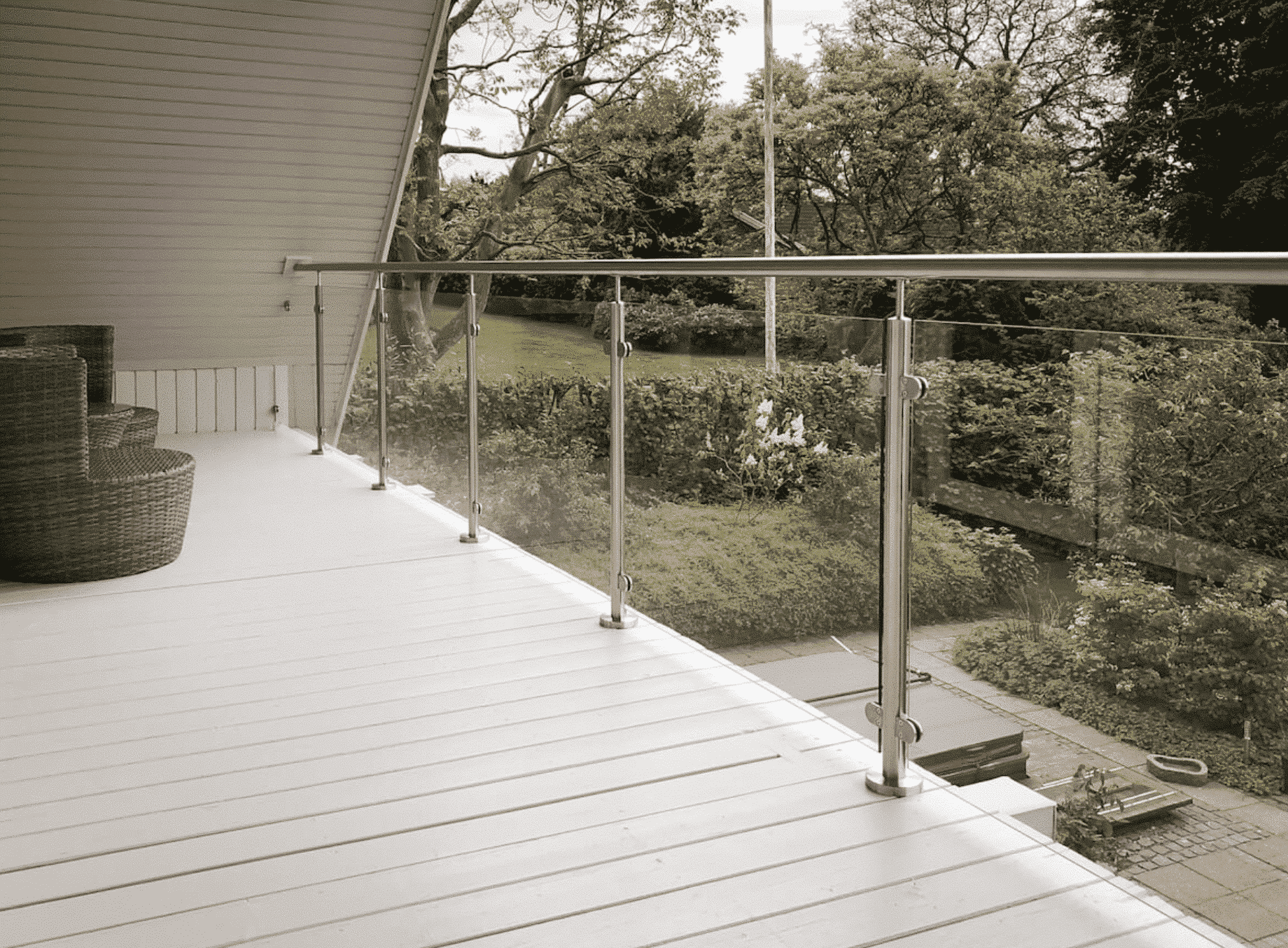
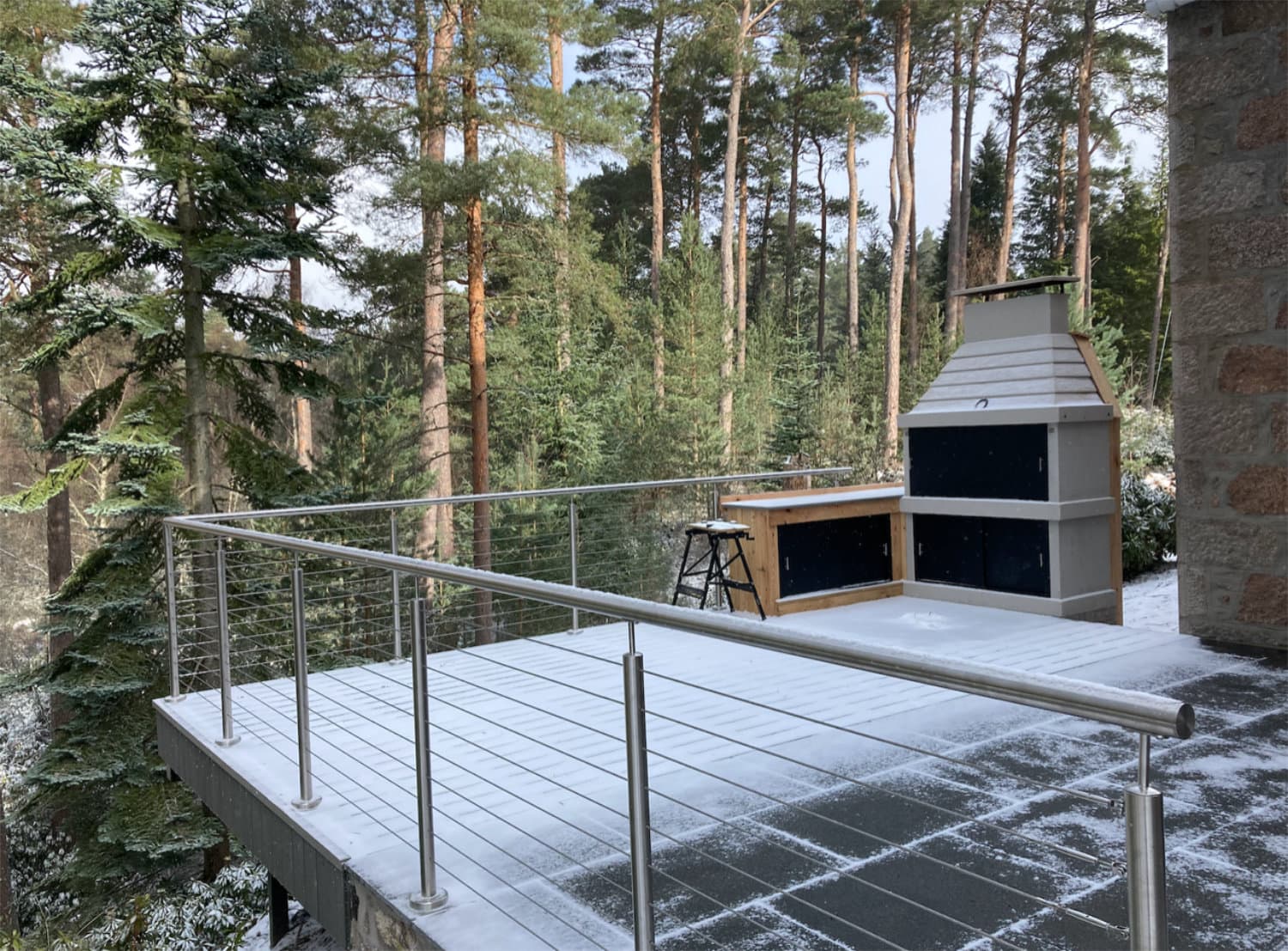
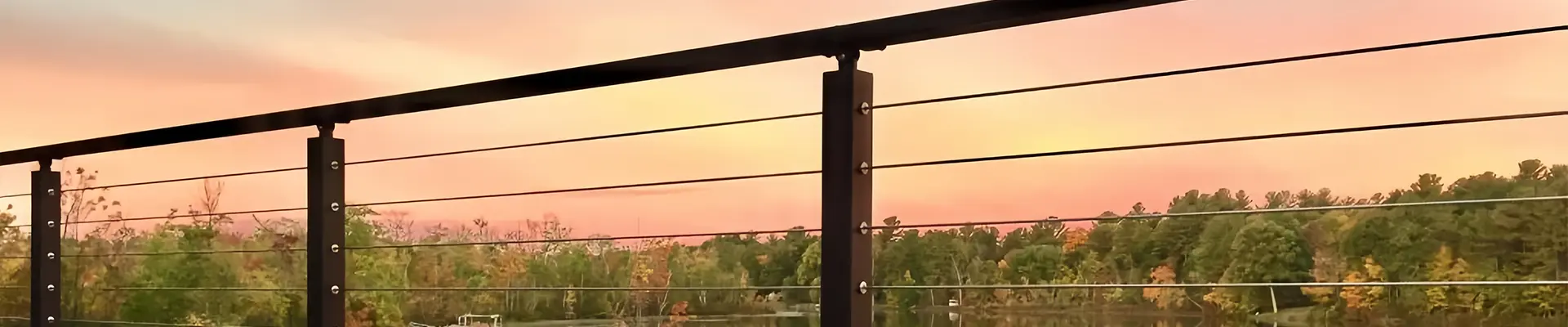
For many outdoor applications, aluminum is attractive because it is light, corrosion resistant, and easy to handle during installation. Stainless steel is often selected where a refined appearance, high strength, and frequent cleaning are important. Cable railing can help preserve sightlines on decks and terraces, while glass railing is used when transparency and daylight are priorities. The right answer depends on the project brief, local requirements, and the maintenance plan.
Our product range includes metal railing, cable railing, aluminum railing, and stainless steel railing solutions. We also supply compatible metal railing hardware and components, helping customers coordinate posts, handrails, fittings, and connection details through one supply partner.
Material selection: aluminum, stainless steel, or a mixed system?
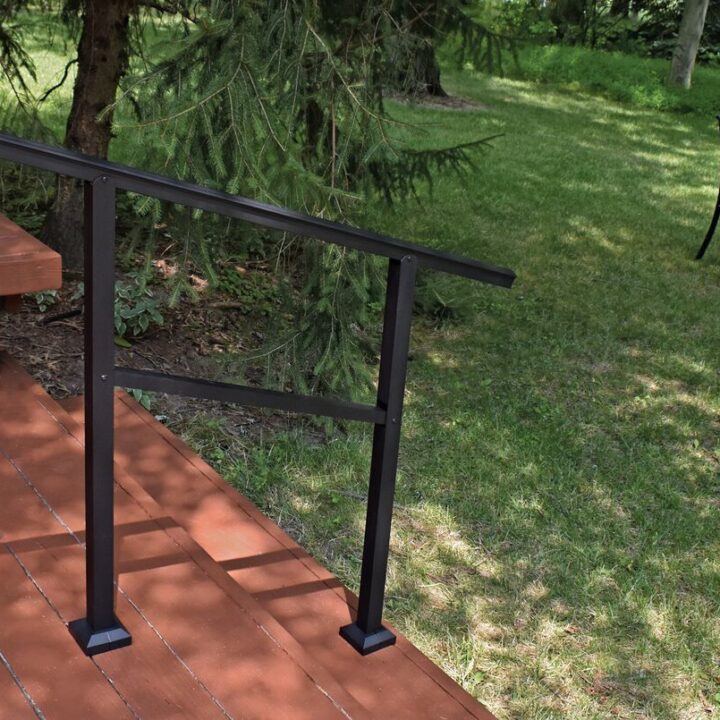
Aluminum railing is a practical choice when project teams want a lower handling weight and a broad range of powder-coat colors. It can be specified for homes, decks, balconies, and commercial spaces, provided the section size, post spacing, anchorage, and infill are engineered for the intended loads. A consistent coating process is equally important: surface preparation, film coverage, curing, and packaging all affect the finish delivered to site.
Stainless steel railing is valued for its clean appearance and robust performance. The stainless grade should match the exposure. Indoor applications and ordinary exterior environments may have different requirements from marine or heavily chlorinated locations. Buyers should also review weld quality, polishing, tube tolerances, and the compatibility of fasteners and accessories. These details are more reliable indicators of a system's service life than a material label alone.
Many projects combine materials. A stainless steel handrail with glass infill creates a crisp, open edge; an aluminum post system with stainless cable can reduce visual weight while maintaining a durable exterior assembly. Mixed systems require careful attention to galvanic compatibility, drainage, isolation washers, and installation sequence. Discussing these interfaces early with the manufacturer helps prevent field modifications.
Design for safety and installation
A railing should look simple after it has been installed, but the details behind that simplicity are technical. Before placing an order, confirm the required height, opening limitations, handrail continuity, post spacing, fixing substrate, and design loads with the responsible project professional and local authority. For stairs, the geometry of the handrail and the transition between flights deserve particular attention. For balconies and terraces, edge distances and waterproofing interfaces can determine whether an otherwise suitable system installs smoothly.
Installation efficiency is also a purchasing issue. Clearly labeled components, repeatable hole positions, accurate cut lists, and protective packaging reduce labor and damage claims. When a project uses several railing types, a coordinated bill of materials is valuable: it allows the contractor to schedule deliveries and keeps the visual language consistent across stairs, balconies, and outdoor decks.
At Vionta Metal, our quality-control team inspects products one by one before shipment. For overseas projects, we can discuss OEM and ODM requirements, finish samples, packing expectations, and the documentation needed by the buyer's team. We support international customers with factory inspection and third-party audit arrangements upon request, together with applicable material and structural documentation.
Finish and maintenance should be specified together
Powder coating is widely used on aluminum and steel railing because it offers color flexibility and a clean, uniform appearance. The finish still needs a maintenance plan. Regular washing with clean water and a mild, non-abrasive detergent helps remove dust and salts before they build up. Harsh solvents, aggressive pads, and unapproved acidic cleaners can damage the coating or leave visible marks.
Stainless steel also benefits from simple, consistent care. Wipe in the direction of the grain, rinse away cleaning residue, and avoid carbon-steel tools that may transfer contamination. In coastal or poolside locations, a more frequent rinse schedule is usually sensible. Good drainage and ventilation around base plates and fittings are just as important as the visible surface.
What current projects are asking for
Across the projects we review, buyers are moving toward cleaner profiles, fewer visible fasteners, and railing layouts that preserve natural light. That does not mean every project needs a frameless or ultra-minimal system. It means the railing should be proportioned to the building and detailed so that the safety function does not overwhelm the architecture. Warm neutral powder-coat colors, black and dark bronze finishes, and stainless accents are often requested because they coordinate with doors, windows, pergolas, and exterior lighting.
Another clear trend is earlier technical coordination. Architects and contractors increasingly share the railing zone with waterproofing, lighting, drainage, and facade teams before fabrication begins. This reduces conflicts at the slab edge and makes the final result easier to maintain. For a supplier, it also creates a better opportunity to confirm tolerances and propose a standard component wherever a custom part is not necessary.
Look beyond the unit price
A lower quotation can become expensive if it creates extra site labor, rework, inconsistent color, or replacement delays. Buyers should compare the complete delivered system: posts, handrails, infill, brackets, anchors, gaskets, protective film, packing, and technical support. A clear quotation should state what is included and identify any items that must be sourced locally.
Lead time should be discussed in the same practical way. Standard profiles may move faster than a fully customized system, while special colors, unusual angles, or mixed materials may require additional sample approval. Confirming these points before production gives the contractor a realistic installation schedule and gives the factory enough time to plan inspection and packing.
Questions buyers often ask
Is aluminum railing suitable for a commercial project? It can be, when the profile, anchorage, spacing, and finish are selected for the site loads and exposure. The responsible project professional should confirm the design requirements.
Can one supplier provide different railing styles? Yes. A coordinated source can combine aluminum, stainless steel, cable, and glass elements while keeping dimensions, finish samples, and delivery documentation organized.
What should I send for a quotation? Floor plans or elevations, approximate lengths, stair details, preferred material and finish, installation location, target delivery port, and any local performance requirements are a strong starting point. Photos of the substrate are helpful when the project is already under construction.
Does Vionta Metal support custom orders? Yes. We accept OEM and ODM requirements and can review drawings, samples, and component schedules with the buyer's team before production.
How to evaluate a railing supplier
Price is only one part of the sourcing decision. A reliable supplier should be able to explain the material grade, profile dimensions, finish system, tolerances, packaging method, and recommended installation approach. Ask how design changes are controlled, how replacement parts are identified, and what inspection records are available before shipment.
For buyers comparing a China factory with trading-only sources, traceability matters. A manufacturer that controls design and production can usually respond faster to custom dimensions, coordinate related components, and resolve technical questions without passing them through several companies. Vionta Metal operates as an integrated factory in Zhejiang, China, and accepts OEM/ODM orders for residential, multi-family, and commercial building projects. Our team works from drawings, samples, or a defined performance brief, depending on the project stage.
A practical purchasing checklist
- Define the location, exposure, traffic level, and expected maintenance routine.
- Confirm material grade, profile dimensions, infill type, finish, and color.
- Share drawings or site dimensions early, including substrate and drainage conditions.
- Review structural, material, and finish documentation relevant to the project.
- Check component compatibility, packaging, labeling, and spare-part expectations.
- Agree on inspection points, delivery milestones, and the process for approved changes.
Metal railing performs best when design, manufacturing, and installation are treated as one connected process. That is the approach we bring to every inquiry at Vionta Metal. If you are sourcing aluminum, stainless steel, cable, or custom metal railing for an international project, send us your drawings, target quantities, and installation conditions. We will review the brief and recommend a practical system that fits the application.
Related News
- Why Stainless Cable Railing Shines in Winter?
- How Can a Snow Load Aluminum Pergola Deliver Reliable Year-Round Outdoor Protection
- What Awning Fabric and Frame Options Are Available?
- Is Glass Railing Safe for Balconies and Terraces?
- What Makes Stainless Steel the Ideal Material for Outdoor Railings?
- Are Jalousie Windows Easy to Break Into?
Leave me a message