How Can Glass Railings Enhance Safety and Design in Buildings?
Abstract: Glass railings have become a prominent choice in contemporary architecture for both residential and commercial projects. This article explores how glass railings integrate safety, design flexibility, and durability. Detailed product parameters, installation methods, and practical applications are provided. Additionally, common questions regarding maintenance, installation, and material selection are addressed. By understanding these aspects, architects, builders, and property owners can make informed decisions about incorporating glass railings in their projects.
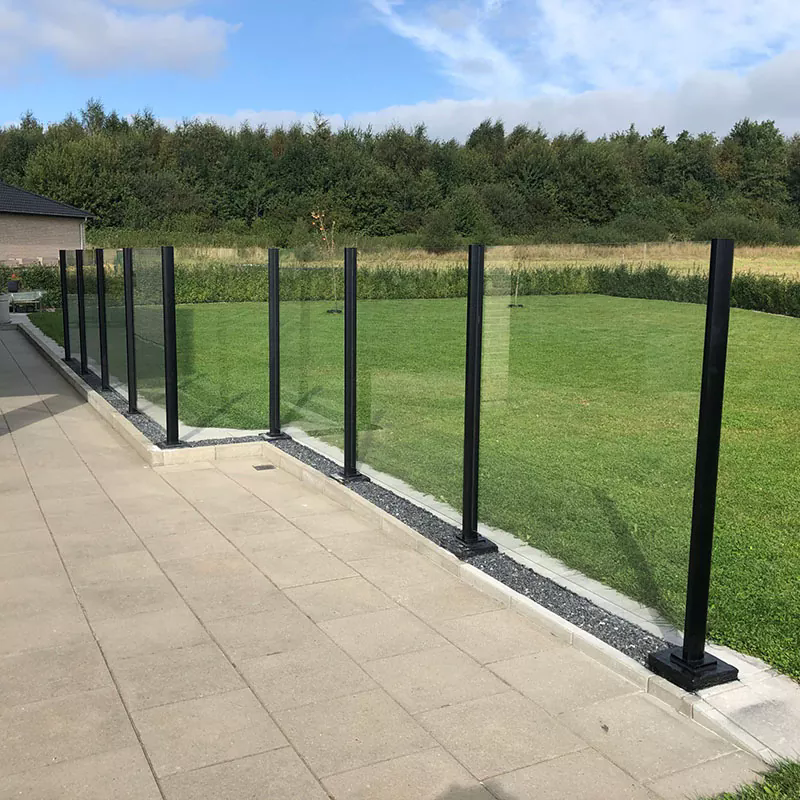
Table of Contents
- 1. Introduction to Glass Railings
- 2. Technical Specifications and Product Parameters
- 3. Applications and Installation Considerations
- 4. Common Questions About Glass Railings
- 5. Conclusion and Contact Information
1. Introduction to Glass Railings
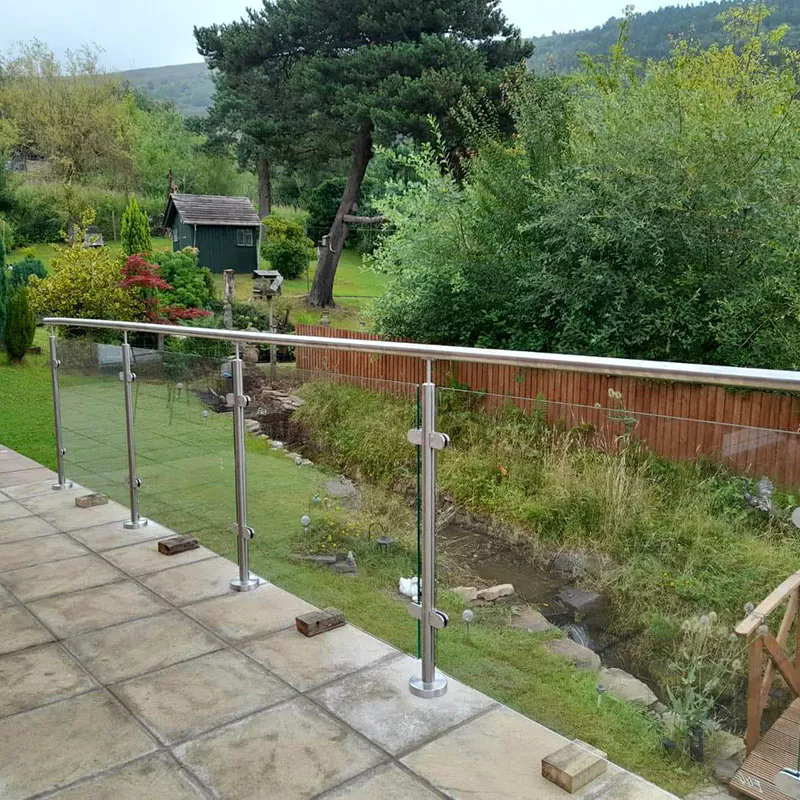
Glass railings are structural or decorative barriers made primarily from tempered or laminated safety glass. They provide transparent protection for balconies, staircases, terraces, and commercial spaces without obstructing views. Modern glass railing systems include frameless, semi-framed, and fully framed designs, catering to aesthetic and safety requirements.
Glass railings combine elegance with functionality, allowing natural light to pass through while maintaining the required safety standards. They are widely used in residential apartments, luxury hotels, office buildings, and public infrastructure projects. Choosing the right type of glass railing involves evaluating factors such as glass thickness, load-bearing capacity, installation method, and hardware quality.
2. Technical Specifications and Product Parameters
Understanding the technical specifications of glass railings is essential for compliance with building codes and safety regulations. Below is a detailed overview of common glass railing parameters:
| Parameter | Description |
|---|---|
| Glass Type | Tempered glass or laminated safety glass |
| Glass Thickness | 10mm, 12mm, 15mm, 19mm depending on height and load |
| Height of Railing | Typically 900–1200mm for residential, 1100–1300mm for commercial |
| Load Capacity | Designed to withstand up to 1.5 kN/m horizontal force |
| Hardware | Stainless steel clamps, spigots, top rails, base channels |
| Finish Options | Clear, frosted, tinted, or laminated glass with optional coatings |
| Compliance | Meets ASTM, EN, or local building safety standards |
3. Applications and Installation Considerations
Glass railings are versatile and suitable for multiple applications, enhancing safety and aesthetics simultaneously.
Residential Applications
In residential settings, glass railings are commonly used for balconies, staircases, and pool areas. Frameless designs allow unobstructed views while maintaining secure boundaries. Proper installation ensures that glass panels are fixed with robust stainless steel hardware and meet residential safety codes.
Commercial Applications
Commercial buildings, including office complexes, hotels, and shopping centers, benefit from glass railings due to their modern appearance and ease of maintenance. Laminated glass is recommended for high-traffic areas to ensure safety in case of breakage.
Installation Best Practices
- Confirm structural integrity of supporting surfaces.
- Use certified hardware and follow manufacturer guidelines.
- Ensure glass panels are level and properly aligned.
- Regularly inspect seals, clamps, and anchor points for wear.
4. Common Questions About Glass Railings
Q1: How durable are glass railings under extreme weather conditions?
A: High-quality tempered and laminated glass railings are engineered to withstand heavy wind loads, temperature fluctuations, and UV exposure. The combination of strong glass panels and corrosion-resistant hardware ensures durability even in coastal or high-wind areas.
Q2: How to maintain glass railings for long-term clarity and safety?
A: Maintenance involves regular cleaning with non-abrasive glass cleaners and microfiber cloths. Check for loose fittings or chips on the glass surface. Periodic inspection of stainless steel clamps and anchor bolts is recommended to prevent corrosion or structural compromise.
Q3: How to select the appropriate glass thickness for different railing heights?
A: Glass thickness is determined by railing height, panel width, and local building codes. Generally, 10–12mm tempered glass is sufficient for residential staircases, while 15–19mm laminated glass is advised for commercial or taller balcony railings to meet safety standards.
Q4: How do frameless glass railings compare to semi-framed or fully framed options?
A: Frameless railings offer an unobstructed view and modern aesthetic but require precise installation and higher quality materials. Semi-framed or fully framed railings provide additional support and are easier to install, making them suitable for high-traffic or budget-conscious projects.
5. Conclusion and Contact Information
Glass railings provide a unique combination of safety, transparency, and elegance suitable for a wide range of residential and commercial applications. By selecting appropriate glass types, thicknesses, and installation methods, these railings ensure durability, compliance with safety regulations, and visual appeal.
For professional-grade glass railing solutions, Vionta offers a comprehensive selection of tempered and laminated glass railings, including custom design options, high-quality stainless steel hardware, and expert installation services. To learn more about Vionta’s offerings or request a consultation, contact us today and enhance your space with elegant, safe glass railings.
Related News
- Are Jalousie Windows Easy to Break Into?
- Is Stainless Steel Glass Railing Safe?
- How waterproof is an aluminum louvered pergola during heavy rain, and how should its drainage capacity be tested?
- How Strong Is Aluminum Railing Compared With Steel Railing?
- How to Choose Metal Railing for Residential and Commercial Projects
- How To Remove Hard Water Stains From Glass Railings?
Leave me a message