What to Consider When Choosing a Balcony Balustrade
Introduction: Why Choosing the Right Balcony Balustrade Matters
When planning a residential or commercial balcony, one of the most critical design and safety decisions is selecting the right Balcony Balustrade. A well-designed balcony system is not just a decorative feature; it plays a vital role in fall protection, code compliance, durability, and the overall architectural identity of a building. From modern apartments and villas to hotels and mixed-use developments, balcony balustrades influence how people perceive quality, safety, and value.
After more than two decades of industry experience, our team at Vionta Metal has seen how thoughtful material selection, correct structural parameters, and proper system design can significantly reduce long-term maintenance costs while improving user satisfaction. Whether the project calls for a minimalist Balcony Railing or a robust Metal Balcony Railing system for high-rise use, understanding the fundamentals before making a decision is essential.

Table of Contents
What Is a Balcony Balustrade and Why Is It Essential?
Why Do Materials Matter When Choosing a Balcony Railing?
How Do Safety Standards and Codes Affect Balcony Balustrade Design?
What Product Parameters Should You Evaluate Before Purchase?
How Do Design and Function Influence Long-Term Value?
What Is a Balcony Balustrade and Why Is It Essential?
A Balcony Balustrade is a protective barrier installed along the edge of a balcony, terrace, or elevated platform. Its primary function is to prevent accidental falls, but its importance extends far beyond safety alone. In modern architecture, the balustrade has become a defining visual element that complements facades, frames views, and reflects the character of a building.
From an engineering perspective, a Balcony Railing must withstand horizontal loads, resist environmental exposure, and maintain structural integrity over decades of use. At Vionta Metal, our factory approaches each Metal Balcony Railing system as a combination of structural engineering and architectural detailing, ensuring that performance and aesthetics work together rather than compete.
In residential settings, a well-designed balustrade enhances comfort and peace of mind for families. In commercial and hospitality projects, it communicates professionalism and compliance to end users and inspectors alike. Choosing the wrong system, however, can result in premature corrosion, code violations, or costly retrofits.
Why Do Materials Matter When Choosing a Balcony Railing?
Material selection is one of the most decisive factors when choosing a Balcony Balustrade. Different materials respond differently to load, climate, and long-term wear. The most common options include aluminum, stainless steel, mild steel, and composite combinations.
Our experience at Vionta Metal shows that aluminum and stainless steel dominate modern Metal Balcony Railing projects due to their excellent balance of strength, corrosion resistance, and design flexibility. Aluminum offers lightweight strength and superior resistance to rust, while stainless steel provides exceptional rigidity and a premium appearance.
Common Materials and Performance Comparison
| Material | Typical Finish | Corrosion Resistance | Maintenance Level | Recommended Applications |
| Aluminum Alloy | Powder Coated | High | Low | Residential, Apartments, Coastal Areas |
| Stainless Steel 304 | Brushed or Polished | Medium | Medium | Indoor or Low-Corrosion Outdoor Areas |
| Stainless Steel 316 | Brushed or Polished | Very High | Low | Coastal and High-Humidity Environments |
| Mild Steel | Galvanized + Coated | Medium | High | Budget-Controlled Projects |
By selecting the right material, our factory ensures that each Balcony Railing system delivers consistent performance throughout its service life. Poor material choices often lead to repainting, corrosion repair, or even full replacement within a few years.
How Do Safety Standards and Codes Affect Balcony Balustrade Design?
Safety standards are not optional; they are the foundation of any compliant Balcony Balustrade system. Local building codes typically specify minimum railing heights, maximum opening sizes, and required load resistance. Ignoring these requirements can result in failed inspections or legal liability.
In many markets, residential balconies require a minimum height of 42 inches, while commercial projects may demand higher specifications depending on occupancy type. The spacing between infill elements must prevent a 4-inch sphere from passing through, particularly important for family-oriented developments.
At Vionta Metal, our factory designs Metal Balcony Railing systems to align with widely adopted international standards, allowing easy adaptation to regional requirements. Our approach focuses on engineering first, aesthetics second, ensuring safety is never compromised.
Typical Load Requirements
| Test Item | Standard Requirement | Application Meaning |
| Top Rail Load | 200 lbs Horizontal | Resists leaning and crowd pressure |
| Infill Load | 50 lbs per square foot | Ensures panel or bar stability |
| Post Deflection | Limited Deformation | Maintains structural integrity |
Understanding these parameters helps developers and architects choose a Balcony Railing that performs reliably under real-world conditions.
What Product Parameters Should You Evaluate Before Purchase?
Beyond materials and codes, detailed product parameters define the quality of a Balcony Balustrade. These specifications determine strength, durability, and installation efficiency.
Key Technical Parameters
- Post spacing and section thickness
- Top rail profile and wall thickness
- Infill type such as vertical bars, horizontal rails, or panels
- Surface treatment thickness and adhesion
- Fastening method and anchoring system
| Parameter | Standard Option | Custom Range |
| Post Size | 50 x 50 mm | 40 to 100 mm |
| Top Rail Thickness | 2.0 mm | 1.5 to 3.0 mm |
| Finish Thickness | 60 microns | 60 to 120 microns |
| Installation Type | Top Mounted | Top or Side Mounted |
Our factory focuses on precision manufacturing to ensure each Metal Balcony Railing system meets these parameters consistently. This attention to detail reduces on-site adjustments and speeds up installation.
How Do Design and Function Influence Long-Term Value?
Design is not only about appearance; it directly impacts usability, maintenance, and long-term return on investment. A thoughtfully designed Balcony Balustrade enhances property value while minimizing upkeep.
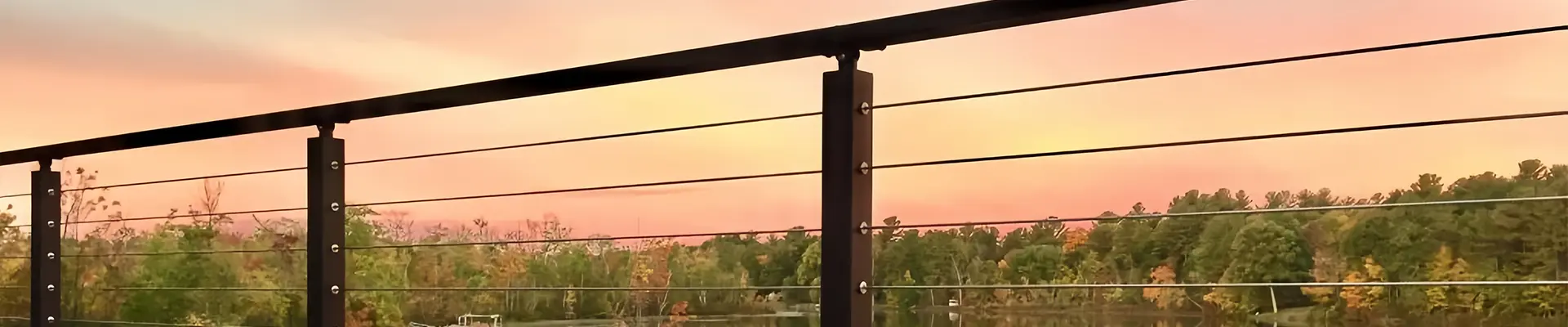
Minimalist Balcony Railing designs are popular for modern buildings because they create open views and visual lightness. At the same time, robust Metal Balcony Railing solutions are preferred for high-traffic or high-rise projects where durability is paramount.
At Vionta Metal, our factory balances clean lines with engineered strength. Our design philosophy ensures that our systems age gracefully, maintaining both performance and aesthetics over time.
Conclusion: Making the Right Balcony Balustrade Choice
Choosing the right Balcony Balustrade requires a comprehensive understanding of safety standards, materials, product parameters, and design intent. A well-selected Balcony Railing system protects users, enhances architecture, and reduces long-term maintenance costs.
With over 20 years of manufacturing experience, Vionta Metal continues to support global projects with reliable Metal Balcony Railing solutions designed for performance and longevity. Our factory approach integrates engineering, production, and quality control to deliver consistent results.
If you are planning a new project or upgrading an existing balcony system, our team is ready to help you select the most suitable solution. Contact us today to discuss your requirements and discover how our expertise can add value to your next project.
FAQ: What to Consider When Choosing a Balcony Balustrade?
What is the best material for a Balcony Balustrade?
The best material depends on environment and design goals, but aluminum and stainless steel are widely preferred due to their durability, corrosion resistance, and low maintenance requirements.
Why is code compliance important for a Balcony Railing?
Code compliance ensures user safety, prevents legal risks, and avoids costly project delays or rework caused by failed inspections.
How does a Metal Balcony Railing improve property value?
A well-designed metal system enhances aesthetics, ensures long-term durability, and signals quality construction to buyers and tenants.
What parameters should be checked before ordering?
Key parameters include post thickness, railing height, surface treatment quality, and anchoring methods to ensure safety and longevity.
Why work with an experienced manufacturer?
An experienced manufacturer provides consistent quality, reliable engineering support, and systems designed to perform under real-world conditions.
Related News
- Are Jalousie Windows Easy to Break Into?
- Is Stainless Steel Glass Railing Safe?
- How waterproof is an aluminum louvered pergola during heavy rain, and how should its drainage capacity be tested?
- How Strong Is Aluminum Railing Compared With Steel Railing?
- How to Choose Metal Railing for Residential and Commercial Projects
- How To Remove Hard Water Stains From Glass Railings?
Leave me a message