Wood, Aluminum, Cable, and Glass Railing Systems: Which Deck Railing is Right for You?
Selecting the ideal deck railing system is one of the most critical decisions you will make during any outdoor living project. Beyond providing safety and meeting local architectural building codes, your railing framework serves as the primary visual frame for your entire backyard area. Homeowners, commercial contractors, and architectural designers often face a complex dilemma when evaluating material choices. With multiple options available on the market today, comparing structural longevity, maintenance obligations, aesthetic compatibility, total life-cycle costs, and weather resistance can feel overwhelming.
In this comprehensive guide, our engineering and design team breaks down the four most popular deck railing materials: traditional wood, modern aluminum, contemporary stainless steel cable, and sleek architectural glass. At Vionta Metal, our factory has dedicated over two decades to precision engineering and manufacturing high-performance outdoor architectural structures and railing systems. By sharing our deep manufacturing insights, structural evaluation criteria, and practical field observations, we will help you identify exactly which deck railing material delivers the ultimate balance of beauty, durability, and value for your specific property.
Table of Contents
- What Are the Key Factors to Evaluate Before Choosing a Deck Railing System?
- Why Choose Traditional Wood Railing Systems for Classic Outdoor Aesthetics?
- Why Is Aluminum Railing the Preferred Choice for Modern Durability and Low Maintenance?
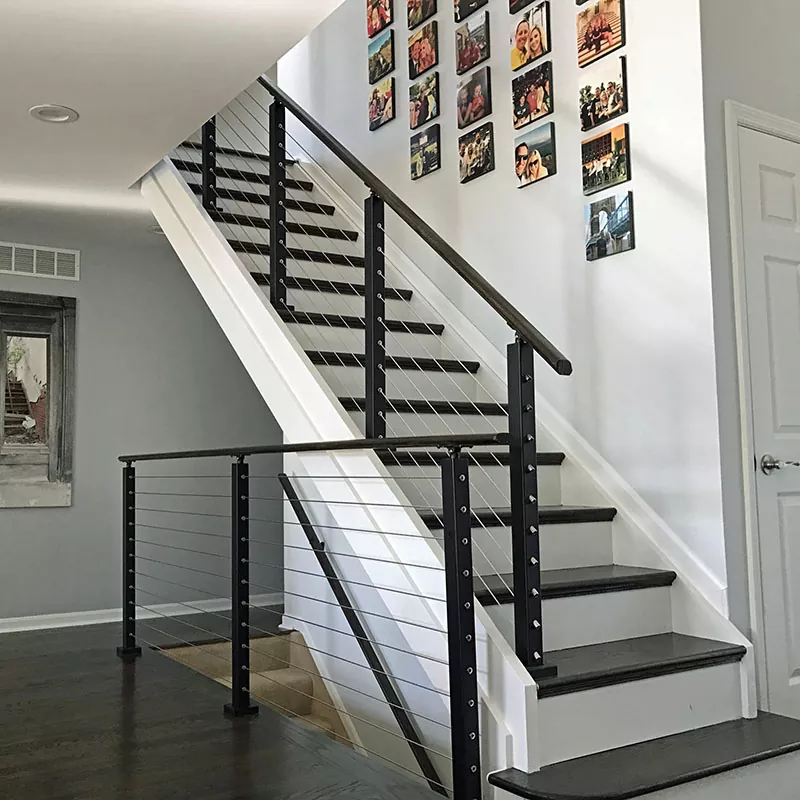
- How Do Cable Railing Systems Deliver Unobstructed Views and Industrial Elegance?
- How Do Glass Railing Systems Elevate Architectural Luxury and Wind Protection?
- How Do Wood, Aluminum, Cable, and Glass Deck Railings Compare Side by Side?
- Conclusion and Professional Consultation
- Frequently Asked Questions (FAQ)
What Are the Key Factors to Evaluate Before Choosing a Deck Railing System?
Selecting a deck railing involves balancing functional safety requirements with long-term visual appeal and ongoing maintenance expectations. Before committing to a specific material option, consider these fundamental criteria:
- Structural Safety and Code Compliance: Building regulations strictly govern minimum height standards, maximum baluster spacing, and horizontal force resistance. A reliable system must withstand significant load pressure without structural fatigue.
- Environmental Exposure and Weather Resistance: Outdoor structures face relentless exposure to ultraviolet rays, moisture fluctuations, freezing temperatures, and air salinity. Materials respond differently to humidity, coastal environments, and intense sunlight exposure.
- Maintenance and Operational Life-Cycle Costs: Certain materials require seasonal sanding, staining, and sealing, while high-performance metal and glass options require only periodic washing with soapy water.
- Visual Transparency and Landscape Sightlines: If your property features picturesque landscapes, water bodies, or lush gardens, select a railing system that preserves open sightlines without sacrificing security.
- Architectural Style Harmony: The railing design should complement your main building architecture, exterior cladding materials, decking boards, and outdoor furniture.
Why Choose Traditional Wood Railing Systems for Classic Outdoor Aesthetics?
Traditional timber railing systems have served residential architecture for generations, offering natural warmth and versatile customization possibilities.
Advantages of Wood Railing Systems
- Classic Natural Appeal: Wood provides an authentic organic texture that blends effortlessly into natural surroundings and traditional home styles.
- Initial Purchasing Cost: Standard pressure-treated timber offers a lower upfront material investment compared to engineered metal or glass solutions.
- Complete Stain and Color Flexibility: Timber balusters and top rails can be painted, stained, or refinished at any point to adapt to changing exterior home designs.
Disadvantages of Wood Railing Systems
- High Annual Maintenance Demands: Natural wood demands regular power washing, sanding, sealing, or painting to prevent rot, fungal decay, and splintering.
- Susceptibility to Weathering and Deformations: Temperature shifts and moisture accumulation cause wood to warp, twist, check, and crack over extended outdoor exposure.
- Shorter Overall Operational Lifespan: Even well-maintained timber rarely matches the multi-decade structural integrity of engineered metals.
Why Is Aluminum Railing the Preferred Choice for Modern Durability and Low Maintenance?
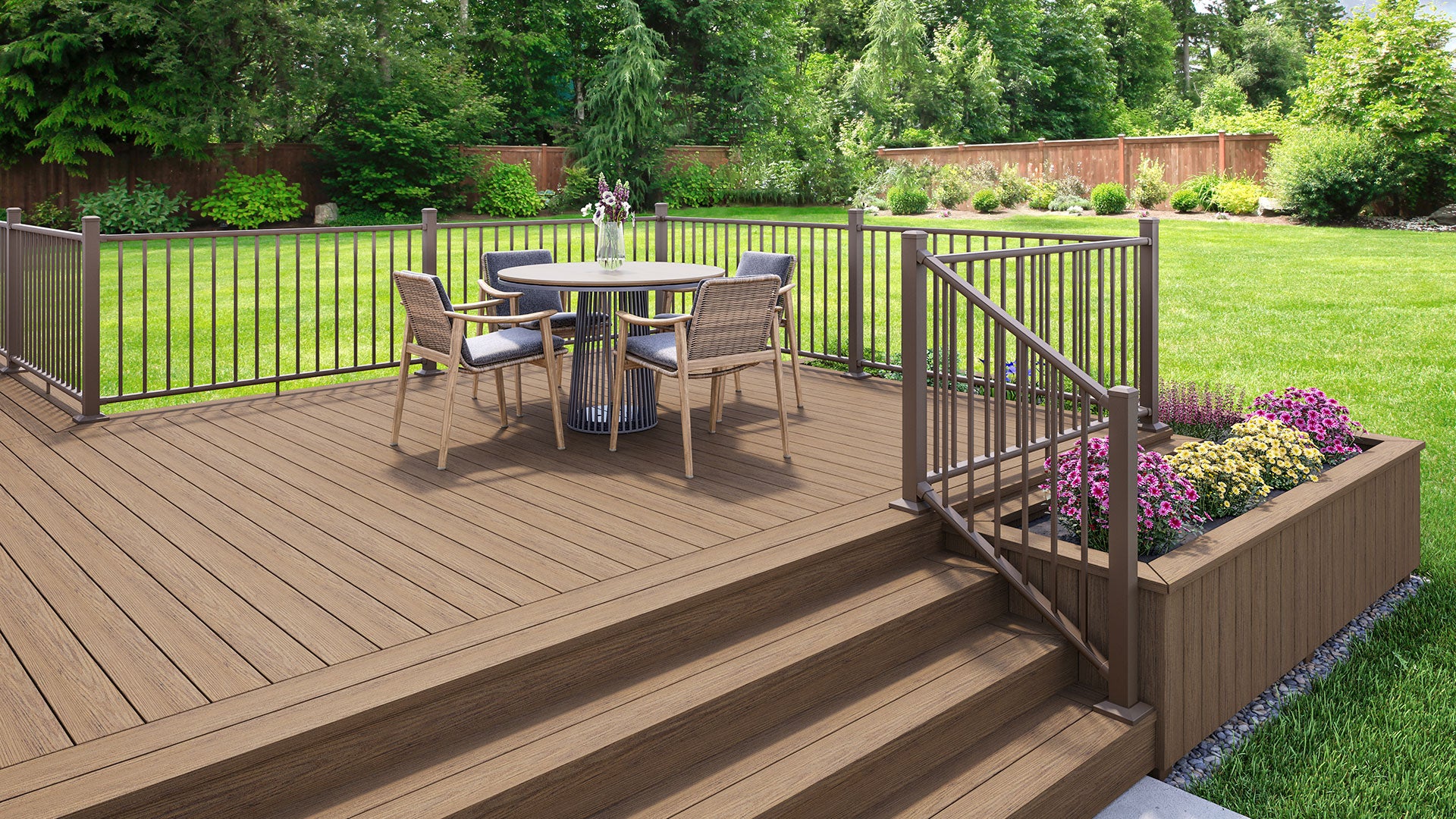
Aluminum deck railing systems represent the optimal fusion of lightweight structural strength, total weather immunity, and modern styling flexibility. At Vionta Metal, our factory utilizes high-grade extruded aluminum alloys paired with advanced high-temperature electrostatic powder coating processes to deliver industry-leading performance.
Advantages of Aluminum Railing Systems
- Superior Corrosion and Moisture Resistance: Aluminum naturally forms a protective oxide layer that resists rust, corrosion, oxidation, and coastal salt spray damage.
- Zero Routine Refinishing Needed: Unlike timber, specialized powder-coated aluminum will not peel, chip, blister, or crack, requiring only occasional clearing with water.
- Exceptional Strength-to-Weight Ratio: Engineered aluminum posts and top rails provide maximum structural rigidity without overburdening deck framework foundations.
- Versatile Design Options: Available in modern black, architectural bronze, sky blue, charcoal, and crisp white finishes with customizable pickets, glass infill adapters, and integrated lighting channels.
Disadvantages of Aluminum Railing Systems
- Higher Initial Material Investment: Premium aluminum railing carries a higher upfront purchase cost compared to standard pressure-treated lumber.
- Limited Natural Warmth: Metal surfaces exhibit a clean, modern aesthetic that may require warm wood accents or lighting elements for rustic home designs.
How Do Cable Railing Systems Deliver Unobstructed Views and Industrial Elegance?
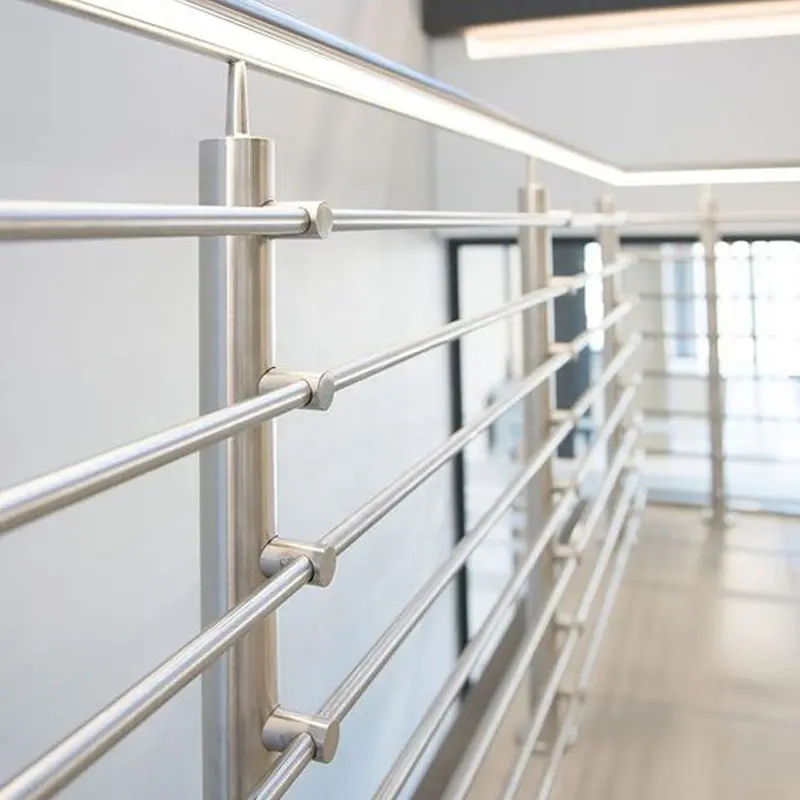
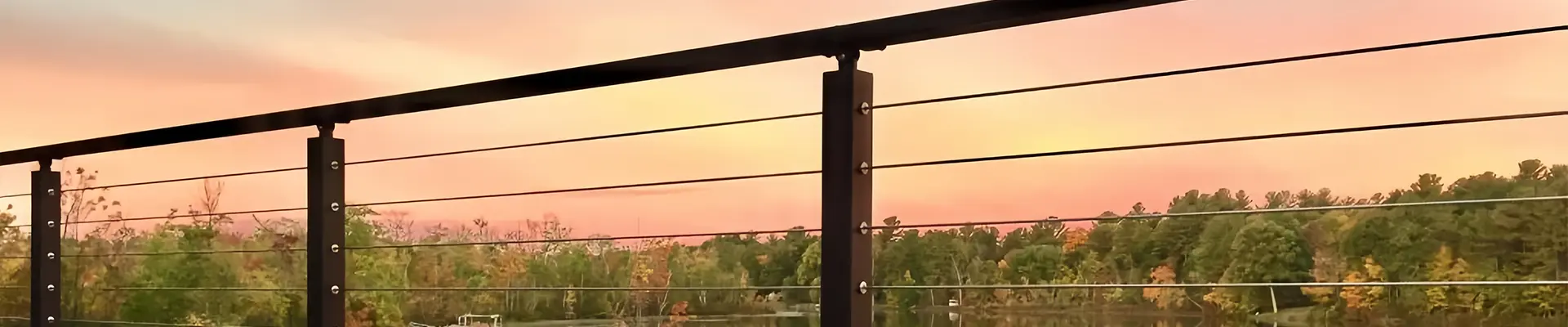
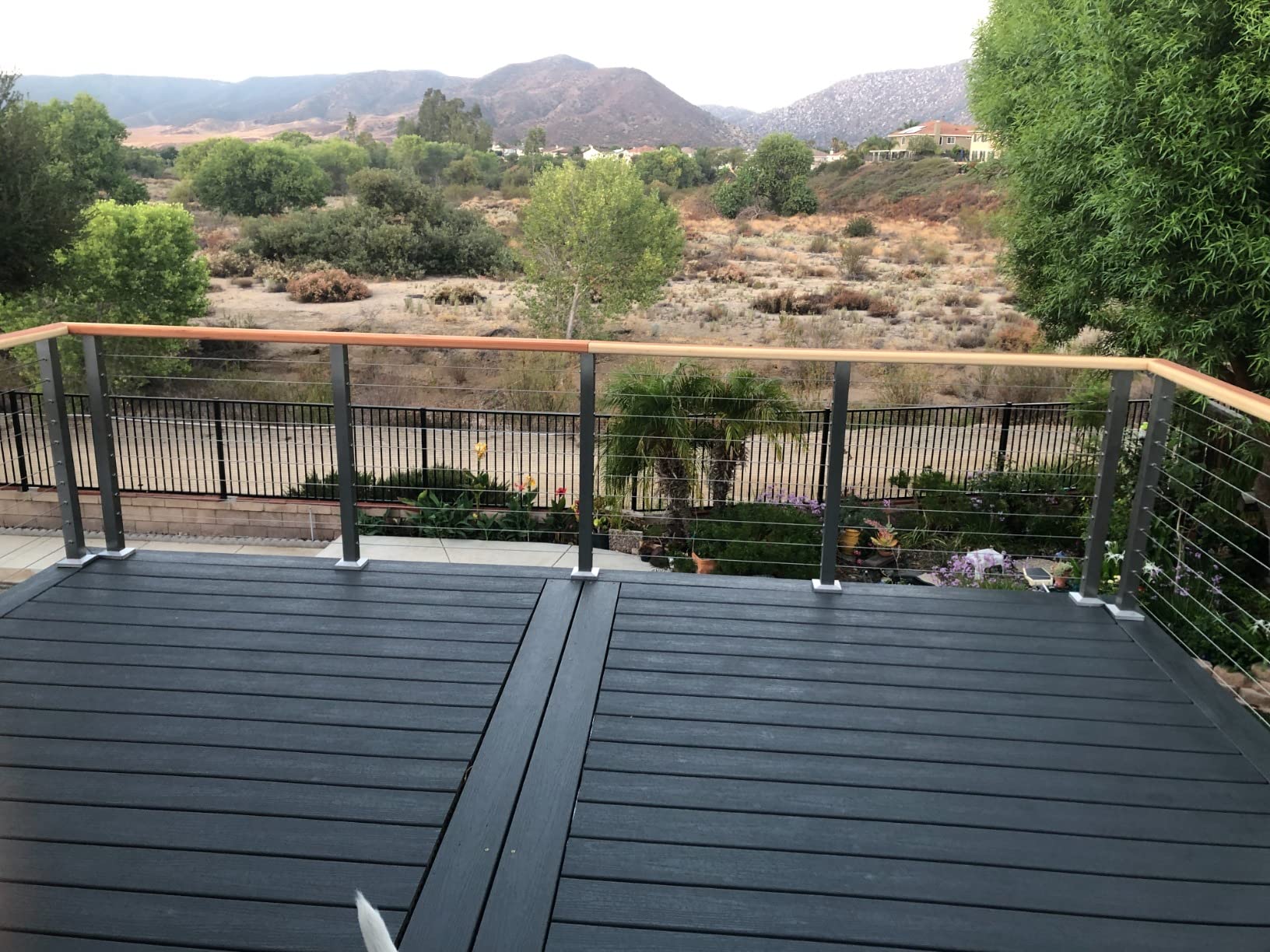
Stainless steel cable railing systems have transformed contemporary architectural design by providing ultra-thin infill lines that preserve wide-open scenery while delivering robust structural protection. At Vionta Metal, our engineering team manufactures high-tensile 304 and 316 marine-grade stainless steel cable assemblies integrated into precision-milled aluminum or steel post structures.
Advantages of Cable Railing Systems
- Maximum Visual Transparency: Horizontal or vertical stainless steel cables virtually disappear into the horizon, preserving panoramic ocean, mountain, or garden views.
- Unmatched Structural Durability: Marine-grade stainless steel wire ropes withstand extreme wind pressure, impact forces, and harsh outdoor climates without degradation.
- Modern Industrial Aesthetics: Sleek cable lines add a refined, contemporary architectural touch to residential decks, commercial balconies, and waterfront piers.
- Minimal Wind Resistance: The open spacing between cable strands allows free airflow, making cable systems ideal for high-wind elevated deck installations.
Disadvantages of Cable Railing Systems
- Periodic Cable Tensioning: Over time, stainless steel cables may require minor tension adjustments using hidden turnbuckle hardware to maintain taut alignment.
- Specialized Installation Expertise: Precision hole drilling, post anchoring, and proper tensioning techniques require careful installation procedures.
How Do Glass Railing Systems Elevate Architectural Luxury and Wind Protection?
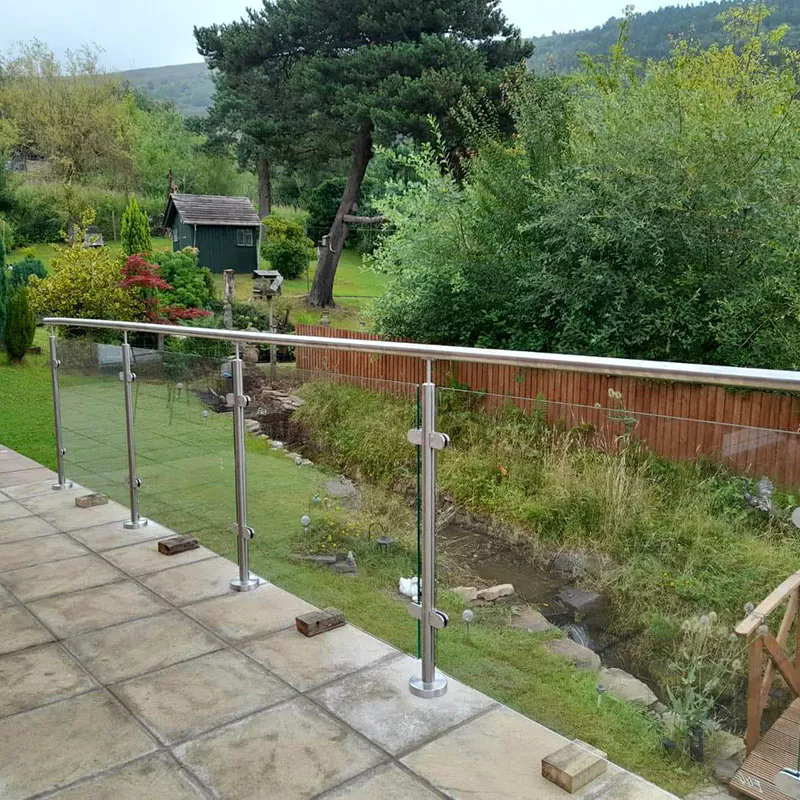
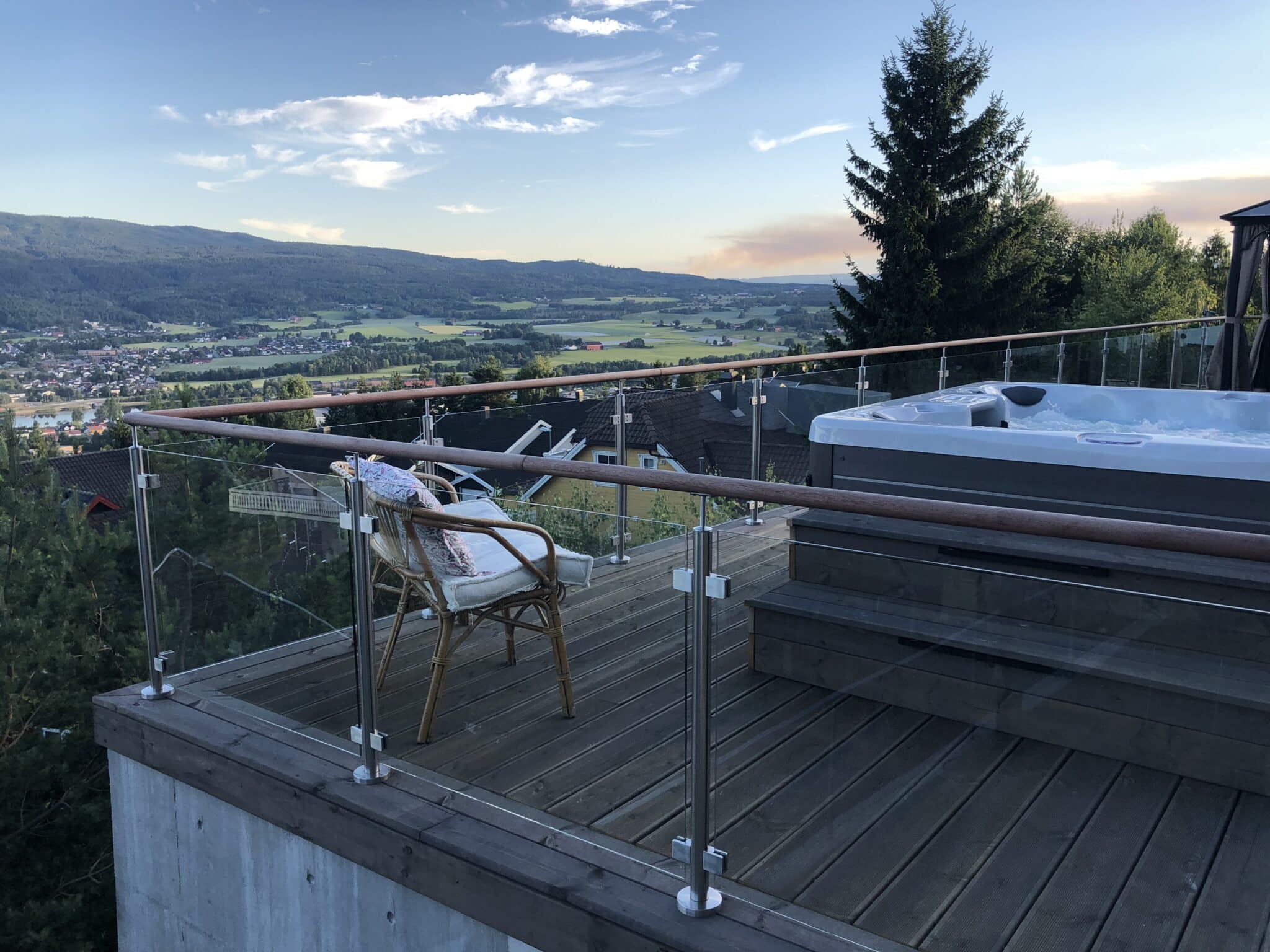
Architectural glass railing systems represent the pinnacle of modern luxury design. By replacing traditional vertical balusters with heavy-duty tempered or laminated safety glass panels, these systems deliver continuous visibility paired with effective wind shielding.
Advantages of Glass Railing Systems
- 100 Percent Unobstructed Views: Solid glass panels eliminate visual barriers entirely, creating an seamless connection between your outdoor deck and surrounding scenery.
- Effective Outdoor Wind Barrier: Full-height glass panel arrays block chilly breezes, creating a warmer, comfortable outdoor environment on coastal decks or elevated balconies.
- Enhanced Acoustic Sound Insulation: Solid glass structures dampen external neighborhood noise, highway sounds, or water splash noise for a quieter retreat.
- Maximum Safety for Pets and Children: Solid panel construction eliminates vertical gaps, preventing small items from falling and keeping pets safely contained.
Disadvantages of Glass Railing Systems
- Regular Cleaning Requirements: Fingerprints, water spots, pollen, and smudges show clearly on glass, requiring regular cleaning with standard glass cleaners.
- Higher Upfront Capital Investment: Thick safety glass panels and specialized mounting hardware represent a significant financial investment.
- Reduced Natural Air Circulation: While blocking wind is beneficial in cold climates, full glass panels can restrict cooling breezes in warm, humid regions.
How Do Wood, Aluminum, Cable, and Glass Deck Railings Compare Side by Side?
To evaluate which system aligns best with your property priorities, our technical team at Vionta Metal compiled this comprehensive side-by-side performance comparison table:
| Railing Material | Visual Style | Sightline Transparency | Maintenance Effort | Weather Durability | Lifespan Expectancy | Relative Cost Range |
| Pressure-Treated Wood | Traditional, Rustic, Organic | Low (Thick Balusters) | High (Annual Staining/Sealing) | Moderate (Prone to Rot/Warping) | 10 to 15 Years | Budget Friendly |
| Powder-Coated Aluminum | Modern, Clean, Versatile | Moderate to High | Very Low (Occasional Wash) | Exceptional (Rust Proof) | 25+ Years | Moderate Investment |
| Stainless Steel Cable | Contemporary, Industrial, Minimalist | Very High (Ultra-Thin Strands) | Low (Occasional Tensioning) | Outstanding (Marine Grade) | 30+ Years | Moderate to Premium |
| Tempered Safety Glass | Luxury, Seamless, Modern | Maximum (100% Unobstructed) | Moderate (Glass Cleaning) | High (Wind and UV Proof) | 25+ Years | Premium Investment |
When selecting your ideal deck railing, consider long-term operating costs rather than initial material prices alone. While traditional wood presents a lower upfront cost, annual staining, repair work, and early replacement often exceed the one-time investment in powder-coated aluminum, cable, or glass systems over a ten-year timeline. At Vionta Metal, our production line integrates modular engineering, allowing property owners to combine aluminum structural posts with custom cable or glass infills for personalized exterior design solutions.
Conclusion and Professional Consultation
Choosing the best deck railing system comes down to prioritizing your personal aesthetic preferences, site conditions, sightline goals, and maintenance willingness. Wood remains a warm choice for traditional architectural styles but requires dedicated upkeep. Aluminum delivers unmatched multi-decade durability, weather resistance, and hassle-free operation. Cable railing offers sleek, minimalist transparency paired with industrial strength, while architectural glass provides ultimate luxury views and effective wind defense.
Transform Your Outdoor Living Space with Engineering Excellence
Are you planning a residential deck renovation or commercial balcony project? At Vionta Metal, our factory combines over two decades of custom manufacturing expertise, advanced laser cutting precision, high-temperature electrostatic powder coating, and strict international quality standards. Whether you need heavy-duty aluminum posts, marine-grade cable assemblies, modern glass shoe systems, or integrated LED lighting handrails, our engineering specialists are ready to bring your architectural vision to life.
Contact our structural technical team today to request a custom factory-direct quote, request material samples, or receive expert design guidance tailored specifically to your project requirements.
Frequently Asked Questions (FAQ)
What is the most low maintenance deck railing material available for outdoor decks?
Powder-coated aluminum deck railing is widely recognized as the most low-maintenance option because it never requires sanding, staining, painting, or rustproofing, needing only an occasional rinse with plain water and mild detergent.
How long does a high quality aluminum deck railing system typically last outdoors?
A high-quality extruded aluminum railing system coated with electrostatic powder finish routinely lasts over 25 to 30 years without suffering structural degradation, rot, or surface peeling.
Why choose stainless steel cable railing for coastal or high wind locations?
Marine-grade 316 stainless steel cable railing resists salt air corrosion while allowing high wind forces to pass through open gaps seamlessly, reducing structural stress on your deck support framing.
How safe are tempered glass deck railing systems for families with pets and children?
Tempered safety glass railing systems are exceptionally safe because solid panels eliminate vertical picket gaps where children or pets could slip through, and tempered glass is engineered to resist heavy impacts without shattering into dangerous shards.
What is the cost difference between wood railings and aluminum or cable railing systems over time?
While timber railings have lower initial material costs, annual sealing expenses and labor over 5 to 10 years make engineered aluminum or cable systems significantly more cost-effective across their total operational lifespan.
Related News
- Are Jalousie Windows Easy to Break Into?
- Is Stainless Steel Glass Railing Safe?
- How waterproof is an aluminum louvered pergola during heavy rain, and how should its drainage capacity be tested?
- How Strong Is Aluminum Railing Compared With Steel Railing?
- How to Choose Metal Railing for Residential and Commercial Projects
- How To Remove Hard Water Stains From Glass Railings?
Leave me a message