How to Choose the Best Stainless Steel Railing for Safety, Style, and Long-Term Value
Stainless steel railing systems have become one of the most preferred solutions for modern residential, commercial, and industrial projects. Their sleek appearance, corrosion resistance, low maintenance requirements, and long service life make them suitable for balconies, staircases, decks, terraces, shopping malls, hotels, offices, and public infrastructure.
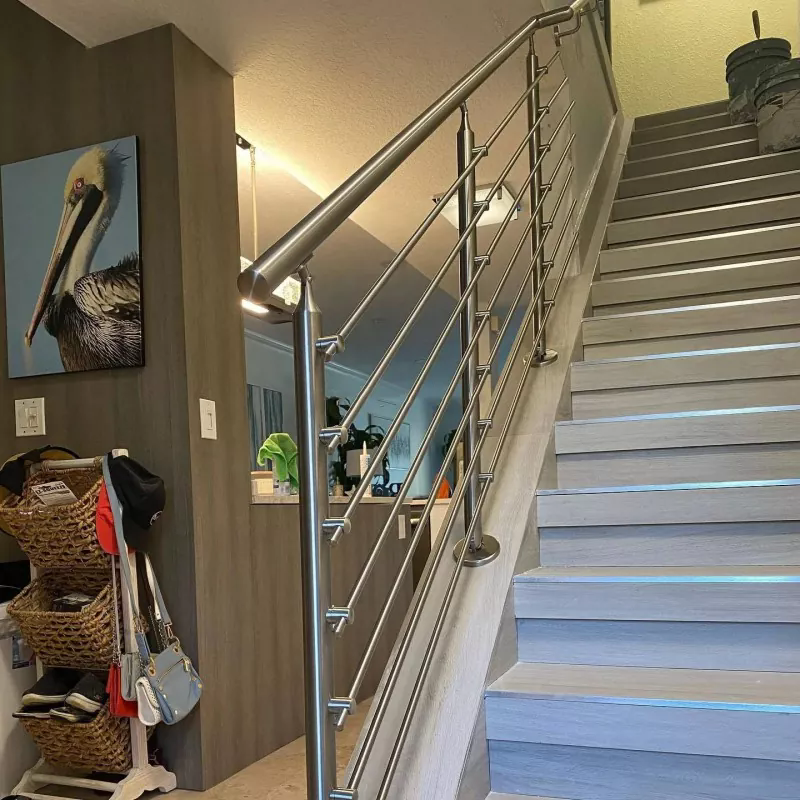
However, many buyers struggle with important questions before purchasing: Which grade of stainless steel is best? How do you prevent rust? What design fits modern architecture? Which railing system is easiest to maintain? How can you balance budget and durability?
This guide will help you understand everything you need to know about stainless steel railing systems, including materials, finishes, applications, installation considerations, maintenance methods, and cost factors. Whether you are a homeowner, contractor, architect, or distributor, this article will help you make a confident decision.
Table of Contents
- What Is Stainless Steel Railing?
- Why Stainless Steel Railing Is So Popular
- Different Types of Stainless Steel Railing Systems
- How to Choose the Right Stainless Steel Grade
- Best Applications for Stainless Steel Railings
- How Stainless Steel Railings Improve Modern Design
- Important Installation Considerations
- How to Maintain Stainless Steel Railings
- Stainless Steel vs Other Railing Materials
- Common Mistakes Buyers Should Avoid
- Why Many Customers Choose Vionta
- FAQ
What Is Stainless Steel Railing?
Stainless steel railing is a protective and decorative barrier system manufactured primarily from stainless steel materials. It is widely used in both indoor and outdoor environments because of its excellent mechanical strength and corrosion resistance.
A complete railing system usually includes:
- Handrails
- Posts
- Balusters or infill panels
- Glass clamps or cable components
- Connectors and mounting accessories
Modern stainless steel railings are available in multiple finishes and structural styles, allowing architects and designers to achieve both safety and aesthetic goals simultaneously.
Product Page: Stainless Steel Railing
Why Stainless Steel Railing Is So Popular
Stainless steel railing systems continue to grow in popularity because they offer several practical advantages compared to traditional materials.
| Feature | Benefits |
|---|---|
| Corrosion Resistance | Excellent performance in humid and outdoor environments |
| Modern Appearance | Creates a clean and luxurious architectural look |
| High Strength | Provides reliable structural support and safety |
| Low Maintenance | Requires minimal upkeep compared with wood |
| Long Lifespan | Can last for decades with proper maintenance |
| Versatile Design | Compatible with glass, cable, wood, and other materials |
Stainless steel railings are especially beneficial in coastal regions, commercial buildings, luxury homes, and high-traffic public areas where durability and appearance are equally important.
Different Types of Stainless Steel Railing Systems
Different projects require different railing configurations. Understanding the available types helps buyers select the most suitable system.
Glass Stainless Steel Railing
This design combines stainless steel frames with tempered glass panels. It provides an open and elegant appearance while maintaining safety.
- Ideal for balconies and luxury interiors
- Enhances natural lighting
- Offers unobstructed views
Cable Stainless Steel Railing
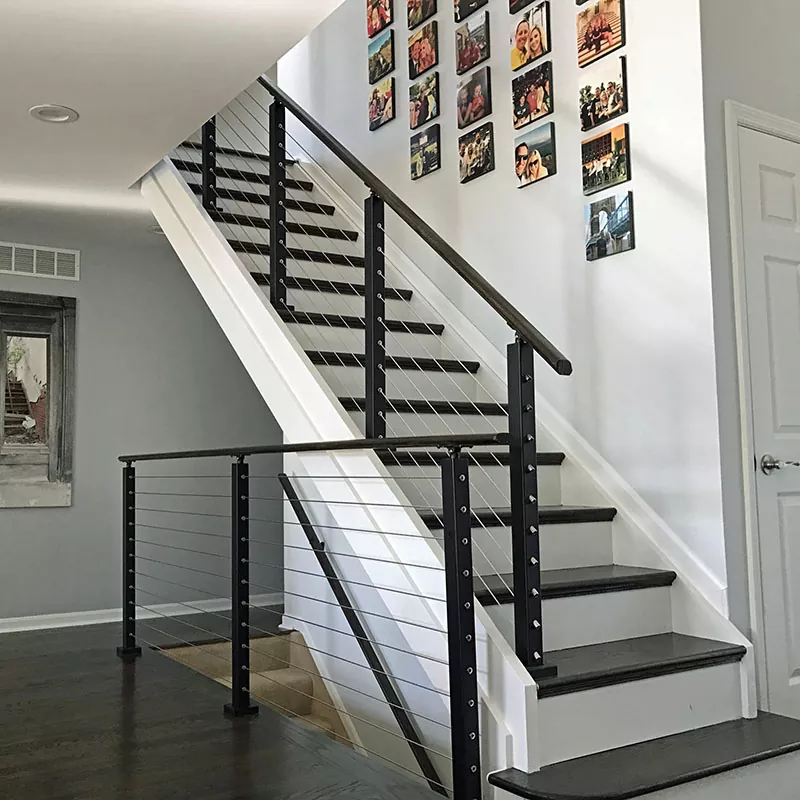
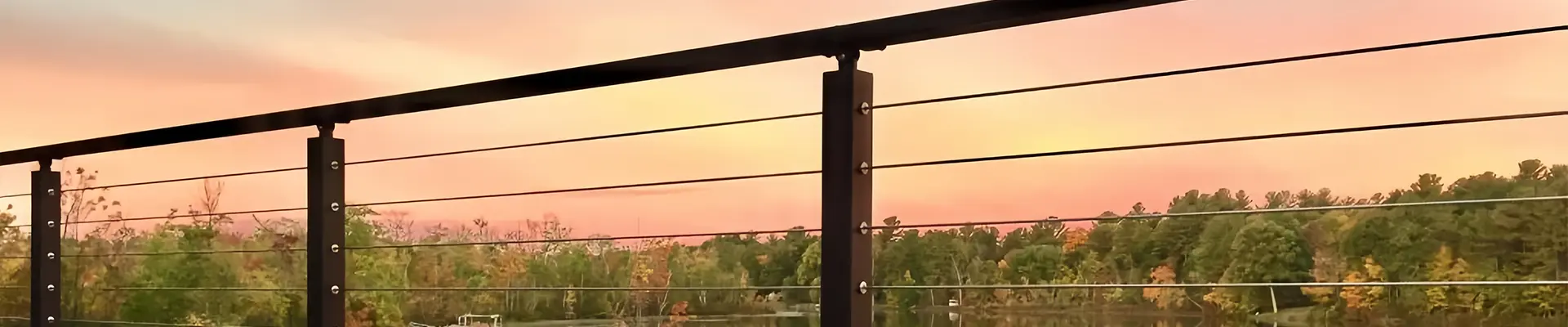
Cable railing systems use horizontal stainless steel cables between posts for a minimalist architectural look.
- Popular in modern homes
- Excellent for decks and terraces
- Creates visual openness
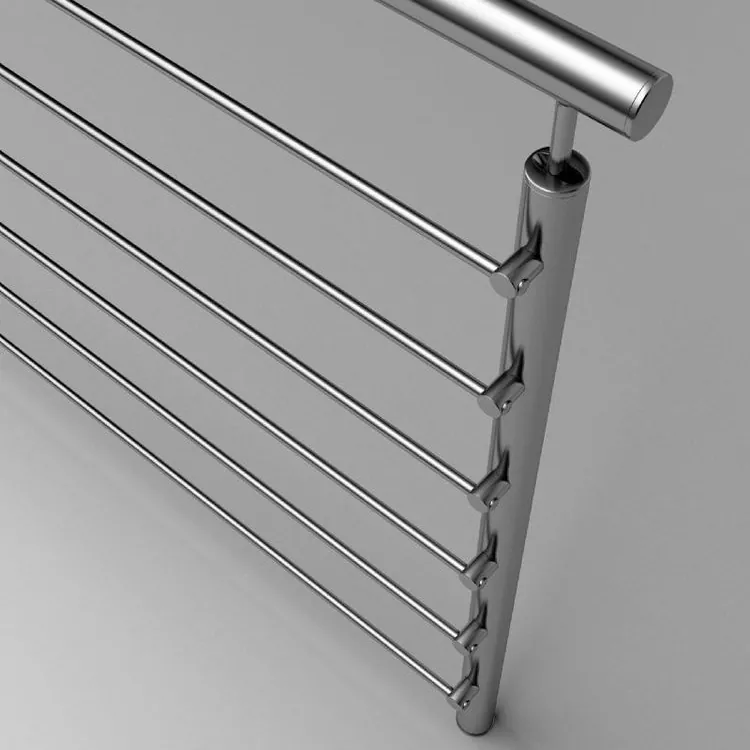
Tube or Pipe Railing
Traditional tube railing systems use stainless steel pipes and vertical balusters.
- Cost-effective solution
- Strong structural stability
- Suitable for industrial and commercial projects
Custom Decorative Railing
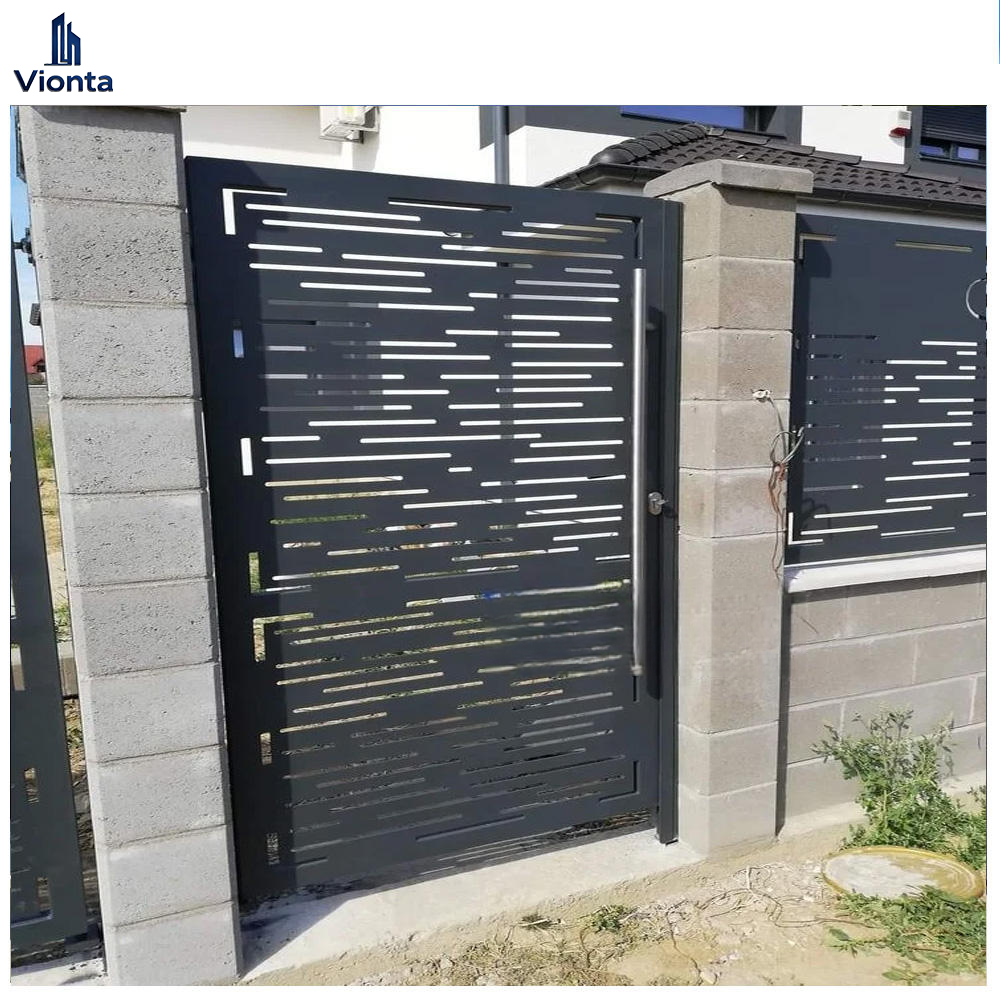
Decorative systems combine stainless steel with laser-cut patterns, wood, or unique finishes for premium architectural applications.
How to Choose the Right Stainless Steel Grade
One of the most important purchasing decisions is selecting the appropriate stainless steel grade.
| Grade | Characteristics | Recommended Use |
|---|---|---|
| 304 Stainless Steel | Good corrosion resistance and affordability | Indoor and standard outdoor environments |
| 316 Stainless Steel | Superior resistance to salt and moisture | Coastal and marine environments |
Many customers choose 304 stainless steel for residential projects because it balances performance and cost effectively. However, for coastal areas or humid climates, 316 stainless steel is highly recommended due to its enhanced resistance against chloride corrosion.
Best Applications for Stainless Steel Railings
Stainless steel railing systems are highly versatile and suitable for many environments.
- Residential staircases
- Apartment balconies
- Commercial office buildings
- Hotels and resorts
- Shopping malls
- Public transportation facilities
- Swimming pool fencing
- Outdoor terraces
- Industrial walkways
Because of their clean appearance and durability, stainless steel railings integrate well into both contemporary and traditional architectural styles.
How Stainless Steel Railings Improve Modern Design
Modern architecture focuses heavily on openness, simplicity, and long-lasting materials. Stainless steel railing systems perfectly align with these design principles.
Their reflective surfaces create a sophisticated visual effect while maintaining structural functionality. Designers often combine stainless steel with:
- Tempered glass
- Natural wood
- Stone materials
- LED lighting systems
- Minimalist interior themes
Brushed and mirror-polished finishes are among the most popular options because they complement modern residential and commercial spaces.
Important Installation Considerations
Even the highest-quality railing system may fail to perform properly if installation standards are ignored.
Before installation, buyers should evaluate:
- Building code requirements
- Load-bearing capacity
- Mounting surface conditions
- Indoor or outdoor exposure
- Spacing between balusters
- Drainage and water exposure
Professional installation is strongly recommended for large-scale or high-rise projects to ensure safety and long-term stability.
How to Maintain Stainless Steel Railings
One major advantage of stainless steel railing systems is their low maintenance requirement. However, proper care still helps preserve appearance and extend lifespan.
Basic Cleaning Tips
- Use mild soap and warm water regularly
- Clean fingerprints with microfiber cloths
- Avoid abrasive steel brushes
- Rinse salt deposits in coastal areas
- Inspect connectors periodically
How to Prevent Surface Corrosion
Although stainless steel resists corrosion, contaminants like salt, chlorine, and industrial pollutants can affect the surface over time.
Regular cleaning and proper material selection are the best ways to prevent discoloration and surface staining.
Stainless Steel vs Other Railing Materials
| Material | Advantages | Disadvantages |
|---|---|---|
| Stainless Steel | Durable, modern, corrosion resistant | Higher initial cost |
| Wood | Warm appearance | Requires frequent maintenance |
| Iron | Strong structure | Prone to rust |
| Aluminum | Lightweight | Lower strength than stainless steel |
Although stainless steel may require a higher upfront investment, its long-term durability and minimal maintenance often provide better overall value.
Common Mistakes Buyers Should Avoid
Buyers frequently encounter avoidable problems during railing selection and installation.
- Choosing low-grade stainless steel for coastal environments
- Ignoring local building regulations
- Selecting appearance over structural safety
- Using unqualified installers
- Failing to maintain outdoor railings
- Purchasing low-quality hardware components
Careful planning helps avoid expensive repairs and safety concerns later.
Why Many Customers Choose Vionta
Vionta focuses on delivering reliable stainless steel railing solutions for residential and commercial projects worldwide. The company emphasizes product quality, modern manufacturing standards, customization flexibility, and practical engineering support.
Customers often choose Vionta because of:
- Wide range of railing designs
- Custom fabrication capabilities
- Stable material quality
- Professional export experience
- Competitive project solutions
- Responsive customer support
Whether your project requires glass railings, cable systems, staircase railings, or custom architectural solutions, Vionta provides options designed for durability and visual appeal.
FAQ
Does stainless steel railing rust?
Stainless steel is highly resistant to rust, especially grades 304 and 316. However, proper maintenance and correct grade selection remain important for long-term performance.
Which stainless steel grade is best for coastal areas?
316 stainless steel is typically recommended for coastal and marine environments because it provides superior resistance to salt corrosion.
Are stainless steel railings expensive?
The initial investment may be higher than some traditional materials, but the long lifespan and low maintenance costs often make stainless steel more economical over time.
Can stainless steel railings be customized?
Yes. Stainless steel railings can be customized in terms of size, finish, design style, and infill material to match different architectural requirements.
How long do stainless steel railings last?
With proper installation and maintenance, stainless steel railing systems can last several decades while maintaining structural integrity and appearance.
Conclusion
Stainless steel railing systems combine strength, safety, durability, and modern aesthetics into one practical architectural solution. From residential staircases to large commercial developments, they continue to be a preferred option for projects that require both performance and visual sophistication.
By understanding material grades, design options, installation requirements, and maintenance methods, buyers can avoid common mistakes and choose a railing system that delivers long-term value.
If you are looking for dependable stainless steel railing solutions with professional support and customized options, Vionta is ready to help. Contact us today to discuss your project requirements and receive a tailored solution for your business or construction needs.
Related News
- Why Stainless Cable Railing Shines in Winter?
- How Can a Snow Load Aluminum Pergola Deliver Reliable Year-Round Outdoor Protection
- What Awning Fabric and Frame Options Are Available?
- Is Glass Railing Safe for Balconies and Terraces?
- What Makes Stainless Steel the Ideal Material for Outdoor Railings?
- Are Jalousie Windows Easy to Break Into?
Leave me a message