How to Maintain an Outdoor Privacy Screen?
Outdoor living areas have evolved into true extensions of the modern home, serving as personal sanctuaries where privacy, aesthetics, and architectural sophistication intersect. High-quality exterior architectural dividers provide an elegant mechanism for structuring these spaces, shielding properties from nosy neighbors, blocking unwanted wind, and filtering natural light. However, continuous exposure to harsh seasonal weather, intense UV rays, fluctuating moisture, and atmospheric pollutants can degrade sub-par materials and diminish the aesthetic appeal of even premium structural solutions. Proper maintenance is vital to protecting your investment, ensuring your backyard barrier remains structurally sound and visually striking for decades. By implementing an intentional maintenance protocol, you prevent rust, eliminate surface oxidation, retain original coating luster, and secure structural fasteners against seasonal wind loads.
Table of Contents
- 1. Why is regular maintenance essential for an outdoor privacy screen?
- 2. What are our core technical parameters and structural specifications?
- 3. How to execute a professional cleaning and care regime for your metal privacy screen?
- 4. What seasonal protection protocols prevent damage to your Laser Cut Metal Screen?
- 5. Summary
- 6. Frequently Asked Questions Regarding Privacy Screen Maintenance
1. Why is regular maintenance essential for an outdoor privacy screen?
Implementing an intentional maintenance strategy for exterior architectural dividers is a fundamental step toward maximizing their operational lifespan and protecting your capital investment. Outdoor fixtures are continuously bombarded by environmental hazards, including intense ultraviolet radiation, localized industrial pollutants, salt spray in coastal zones, acid rain, organic bird droppings, and fungal spores. Left unmanaged, these elements chemical react with surface coatings, causing micro-fissures, deep discoloration, accelerated surface pitting, and irreversible structural breakdown. Regular care neutralizes these reactive compounds before they compromise structural integrity, saving property owners thousands of dollars in premature replacement costs while maintaining pristine curb appeal.
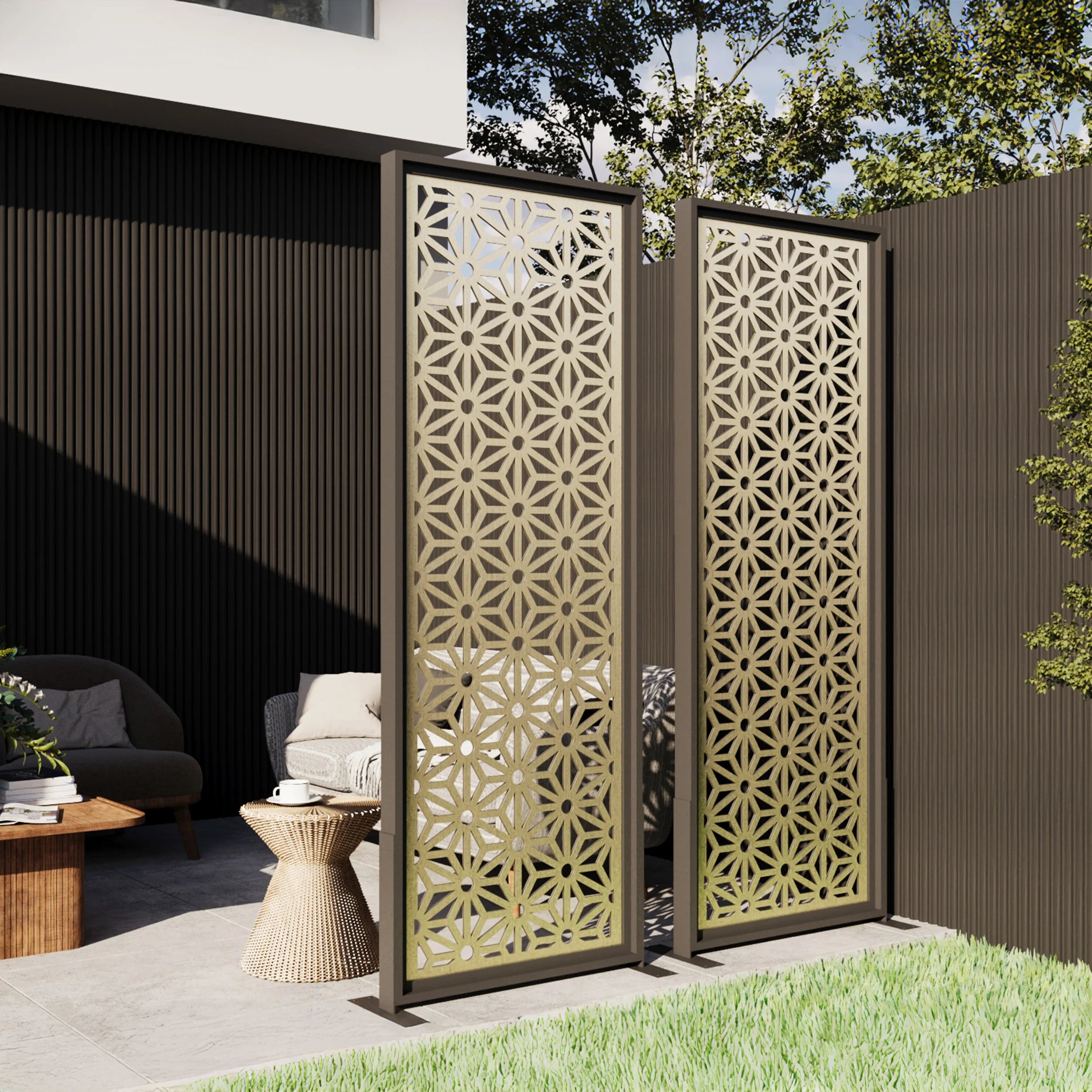
From an aesthetic perspective, a meticulously maintained divider serves as a powerful focal point that anchors your entire landscape design, elevating the property valuation. Accumulations of dirt, pollen, airborne oils, and soot dull surface reflection and turn premium installations into visual liabilities. Regular washing removes these layers, preserving the nuanced shadows and light play created by intricate patterns. Beyond cosmetics, safety remains an essential pillar of regular maintenance. Exterior structures face considerable stress from localized wind loads, soil settling, and thermal expansion. Periodically checking and tightening structural hardware, base plates, and anchor bolts ensures the divider remains perfectly stabilized and safe during high-velocity windstorms and severe weather events.
At Vionta Metal, we design premium architectural panels built to withstand extreme environmental challenges. Our manufacturing facility processes top-grade alloys utilizing precision engineering techniques, ensuring each panel features exceptional inherent strength and corrosion resistance. When customers partner with our factory, they gain access to heavy-duty architectural components engineered to minimize long-term maintenance burdens. Our engineering teams combine premium base materials with advanced exterior-grade powder coatings, creating robust architectural dividers that require only basic preventative care to remain pristine for decades. By spending just a few minutes each season on structured preventative upkeep, you maintain the robust physical properties and sophisticated appearance built directly into our products.
- Prevents Chemical Oxidation: Routine washdowns remove accumulated salt, sulfur compounds, and chemical pollutants that slowly eat through protective coatings and base metals.
- Maintains Coating Color Fidelity: Eliminating surface dirt allows the integrated UV-inhibitors within the architectural powder coating to effectively reflect harmful solar radiation, preventing chalking, fading, and yellowing.
- Eliminates Biological Staining: Eliminating organic matter like pollen, decaying leaves, and bird droppings halts the growth of mold, mildew, and destructive fungal networks.
- Ensures Total Structural Safety: Consistent structural checks catch loose anchors, stripped fastners, and minor foundation movements before they escalate into structural failure.
- Protects Property Resale Value: Immaculate exterior architectural installations contribute heavily to first impressions, increasing appraised property value and overall curb appeal.
- Reduces Lifetime Ownership Expenses: Spending minimal time on inexpensive routine cleaning eliminates the need for professional chemical restoration, localized repainting, or early panel replacement.
- Optimizes Light Filtration: Keeping perforated panels clear of spiderwebs, dust, and airborne debris ensures the designed light and shadow patterns remain crisp, distinct, and visually beautiful.
2. What are our core technical parameters and structural specifications?
Understanding the exact physical properties and technical parameters of your exterior architectural panels is crucial for executing a correct maintenance strategy. Different metals, thicknesses, and coatings exhibit unique physical behaviors under structural stress and environmental exposure. At Vionta Metal, our factory manufactures multi-tier architectural solutions tailored to the highest engineering standards, ensuring exceptional wind-load resistance and longevity. By analyzing the raw material composition, precise dimensional margins, and advanced surface finish metrics, property owners and commercial contractors can perfectly adapt their care routines to maximize structural performance.
Our manufacturing philosophy focuses on heavy-duty raw materials designed for harsh, long-term exterior use. We utilize structural aluminum alloys, industrial marine-grade stainless steel, and atmospheric weathering steel to form the foundation of our extensive product lines. These materials are processed using high-precision CNC lasers, allowing for micron-level tolerance controls that eliminate internal material stress along the cut edges. Below is the comprehensive technical specifications table detailing the exact product parameters engineered within our factory facilities:
| Technical Parameter Category | Specification Metric Detail | Engineering Application Benefit |
| Primary Material Composition | Aluminum Alloy 6061-T6, Marine-Grade 316 Stainless Steel, Corten Weathering Steel | Provides exceptional yield strength and high natural corrosion resistance against atmospheric chemical attack. |
| Panel Core Thickness Range | 2.0mm, 3.0mm, 4.0mm, 5.0mm structural variations available | Thicker structural profiles eliminate warping, prevent oil-canning distortion, and easily withstand localized wind forces. |
| Surface Finish Technology | AkzoNobel Interpon Architectural Powder Coating / PVDF Fluoropolymer Coating | Creates an impervious chemical barrier resistant to intense UV exposure, abrasions, scratching, and moisture penetration. |
| Salt Spray Resistance Rating | Passed ASTM B117 salt spray testing over 3,000 continuous hours without failure | Verified suitability for oceanfront installations, coastal regions, and winter environments utilizing road de-icing salts. |
| UV Degradation Resistance | Qualicoat Class 2 Super Durable Certification specification standard | Guarantees minimal gloss loss and total color shifting under 5 Delta E units over ten years of solar exposure. |
| CNC Precision Cutting Tolerance | Plus or minus 0.05mm across all cutting axes via ultra-precise fiber lasers | Eliminates sharp micro-burrs, provides smooth edges, and ensures consistent coating coverage over complex patterns. |
| Wind Load Structural Rating | Engineered to survive continuous wind velocities up to 140 Miles Per Hour | Ensures structural stability in regions prone to extreme hurricanes, tornadoes, or mountain downburst winds. |
By choosing these engineering metrics, Vionta Metal ensures that our architectural panels outperform standard residential alternatives. The application of AkzoNobel Interpon coatings provides a non-porous outer shell that prevents soil particles from bonding deeply with the panel surfaces. This technological advantage makes cleaning simple and efficient, as dirt is easily washed away with minimal pressure. Additionally, our controlled laser cutting processes eliminate localized thermal deformation, ensuring the base metal retains its original structural strength and shape across all design details.
- High-Strength Architectural Framing: Integrated perimeter box frames distribute wind load stresses evenly across anchor points, preventing center panel flexing.
- Corrosion-Resistant Fasteners: Our installation kits use premium 316 stainless steel hardware coated in matching anti-seize compounds to eliminate galvanic corrosion between dissimilar metals.
- Drainage Hole Engineering: Every panel frame includes precision-engineered weep holes that prevent internal water accumulation and freeze-thaw bursting.
- Thermal Expansion Gaskets: Pre-installed EPDM rubber washers absorb seasonal structural expansion and contraction, preventing powder coat chipping around screw holes.
- Vibration Isolation Dampeners: Built-in polymer isolators absorb acoustic resonance caused by high winds, ensuring quiet operation near residential windows.
- Custom Open-Area Ratios: Perforation patterns are mathematically optimized to strike the perfect balance between effective privacy screening and efficient wind pressure relief.
3. How to execute a professional cleaning and care regime for your metal privacy screen?
Maintaining the pristine appearance of a metal privacy screen does not require harsh chemical strippers or expensive equipment, but it does demand a methodical approach. The foundational rule of metal panel maintenance is to prioritize gentle cleaning agents that protect the underlying powder coating. Industrial solvents, acetone, abrasive scrubbing pads, and highly alkaline cleaners must be avoided, as they create micro-scratches that trap pollutants and accelerate gloss degradation. Instead, a mild solution of pH-neutral soap mixed with warm water is highly effective at lifting dirt, soot, and organic oils without damaging the protective coating.
To begin, thoroughly rinse the entire installation with a standard garden hose equipped with a multi-spray nozzle. This initial rinse flushes away loose surface dirt, grit, and sand particles that could cause scratches during the wiping phase. Avoid using commercial high-pressure power washers at close range; excessive pressure can breach protective gaskets or lift coating layers if minor surface chips exist. Once the surface is wet, use a soft, lint-free microfiber cloth or a non-abrasive car wash mitt soaked in your soap solution to gently wipe the panels from top to bottom, paying close attention to pattern cutouts where dust accumulates.
At Vionta Metal, we recommend a semi-annual cleaning schedule for typical suburban properties, and a quarterly schedule for coastal or industrial environments. Our factory utilizes smooth, computerized cutting paths that minimize internal cut edges, making our panels much easier to clean than rough, stamped alternatives. When caring for a premium metal privacy screen, following an orderly process ensures excellent results without scratching the surface. Here is the step-by-step cleaning sequence recommended by our engineers:
- Initial Structural Evaluation: Inspect the entire panel assembly for structural loose hardware, shifting anchors, or deep scratches caused by windblown debris before applying water.
- Low-Pressure Water Pre-Rinse: Flood the panel surface with low-pressure water to dissolve and wash away loose abrasive grit and dust.
- Soap Solution Preparation: Mix five milliliters of mild, biodegradable, pH-neutral soap into ten liters of warm, clean water until suds form.
- Methodical Surface Washdown: Use a soft microfiber wash mitt to clean the panels from top to bottom, using circular motions to clean the interior edges of intricate designs.
- Detailed Corner Swabbing: Use a soft-bristled detailing brush to reach into tight corners and remove trapped spiderwebs, insect nests, or pollen deposits.
- Thorough Fresh Water Rinse: Flush the entire panel structure with clean water from a hose to remove all soap residues, preventing film buildup.
- Natural or Forced Air Drying: Allow the screen to air dry naturally in the sun, or wipe it down with a dry chamois cloth to prevent water spots in regions with hard water.
- Protective Wax Coating Application: Optional: Apply a thin layer of high-quality automotive paste wax to the powder-coated panels annually to boost water sheeting and UV defense.
4. What seasonal protection protocols prevent damage to your Laser Cut Metal Screen?
Seasonal transitions bring specific environmental challenges that require adaptive maintenance actions to keep your Laser Cut Metal Screen looking and performing its best. In the spring and summer, the main threats are intense solar heat, elevated UV index levels, and heavy tree pollen. High pollen counts can form an acidic layer when mixed with morning dew, which dulls surface finishes if left uncleaned. During these warmer months, it is also important to manage nearby landscaping; trim aggressive vines, bushes, and tree branches to prevent them from rubbing against the panel and scratching the protective coating during storms.
Autumn and winter bring increased risks from excess moisture, freezing temperatures, and corrosive de-icing chemicals. Falling leaves can trap moisture against base plates and anchor brackets, creating an environment ripe for fungal growth and localized corrosion. In cold climates, water trapped in un-drained frame sections can freeze, expand, and rupture metal joints. Additionally, if your divider sits near a driveway, walkway, or roadway, it will likely face exposure to airborne road salt spray, which accelerates rust if not addressed. Checking weep holes and washing away winter road salts are essential steps for protecting your screen through the colder months.
Our production facilities at Vionta Metal are specifically optimized to address these seasonal challenges. Our factory uses advanced automated pretreatment lines that prepare metal surfaces before coating, ensuring exceptional bonding strength that prevents moisture from getting under the powder coat. This specialized process ensures that our Laser Cut Metal Screen maintains its structural integrity even in harsh freeze-thaw cycles. To maximize the protection of your architectural panels throughout the year, implement these seasonal care steps:
- Spring Pollen Wash: Wash panels thoroughly in early spring to remove yellow pollen layers and tree sap before high heat bakes them onto the finish.
- Summer Landscape Management: Trim all nearby vegetation back at least twelve inches from the panels to prevent wind-driven scratching and eliminate damp pockets.
- Autumn Leaf Clearing: Regularly clear fallen leaves, twigs, and organic debris from base plates, drainage channels, and mounting posts.
- Pre-Winter Hardware Inspection: Inspect and tighten all mounting bolts, anchor sleeves, and structural brackets before freezing weather sets in.
- Winter Weep Hole Unclogging: Check all frame drainage channels and weep holes to ensure water flows freely and cannot freeze inside the structure.
- Post-Storm Salt Flushing: Rinse panels with fresh water after heavy winter storms to wash away corrosive road salts and de-icing chemicals.
- Early Spring Damage Check: Conduct a close inspection in early spring to spot and repair any coating chips caused by flying debris during winter storms.
5. Summary
Maintaining an exterior architectural divider is a straightforward process that rewards property owners with decades of dependable performance and beautiful style. By establishing a consistent cleaning routine, using gentle cleaning agents, keeping up with seasonal care, and checking structural hardware, you can easily prevent premature wear and environmental degradation. Understanding the technical specifications of your panels allows you to tailor your care routine to the exact needs of the material, keeping your backyard oasis private, secure, and visually stunning.
At Vionta Metal, our factory is dedicated to producing top-tier architectural panels that combine exceptional durability with low maintenance requirements. We use advanced CNC laser technology, structural alloys, and premium exterior coatings to ensure our panels stand up to the elements with ease. Investing in our premium systems means choosing long-term structural reliability and refined aesthetics for your outdoor spaces. Contact our expert team today to explore our customizable pattern options, request direct factory pricing, and discover how our high-performance solutions can elevate your next residential or commercial landscape project.
6. Frequently Asked Questions Regarding Privacy Screen Maintenance
How often should I clean my metal privacy screen to prevent corrosion?
For standard residential properties located in inland suburban areas, cleaning your metal privacy screen twice a year is typically sufficient to keep it in excellent condition. However, if your property is within five miles of an ocean coastline, or situated in a dense industrial zone with high levels of airborne pollutants, you should increase this frequency to four times a year. Regular cleanings are essential because they wash away accumulated salt crystals, chemical soot, and environmental pollutants before they can react with moisture to break down the protective powder coating and cause corrosion.
Can I use a commercial pressure washer to clean my Laser Cut Metal Screen safely?
You can use a pressure washer to clean a Laser Cut Metal Screen, but you must use it with caution and keep the pressure below 1,500 PSI. Always use a wide, 40-degree fan nozzle and keep the spray tip at least twenty-four inches away from the panel surface. Avoid high-pressure settings and narrow pinpoint nozzles, as excessive force can lift the edges of the powder coating if there are minor chips, damage internal rubber gaskets, or put unnecessary stress on structural mounting points.
What is the best way to repair a deep scratch on my privacy screen?
To repair a deep scratch that reaches the bare metal, start by gently cleaning the damaged area with isopropyl alcohol and a soft cloth to remove all dirt and grease. Once dry, lightly sand the immediate edges of the scratch with ultra-fine 800-grit sandpaper to create a smooth transition, taking care not to scuff the surrounding intact coating. Next, apply a zinc-rich anti-corrosion primer to the bare metal using a fine-tipped artist brush, let it cure completely, and then apply a matching exterior-grade touch-up paint supplied by the manufacturer to seal the surface against moisture.
How do I protect my metal privacy screen from the damaging effects of coastal salt air?
The most effective way to protect a screen from harsh coastal salt air is to rinse it thoroughly with low-pressure fresh water every two to three months. This prevents salt crystals from building up and drawing moisture directly onto the finish. Additionally, applying a thin coat of high-quality marine-grade or automotive paste wax to the panels once a year creates an extra hydrophobic layer that helps shed salt spray and protects the powder coat from accelerated UV degradation.
Why are the weep holes in my privacy screen frame important and how do I maintain them?
Weep holes are critical because they allow rainwater and internal condensation to drain freely out of the hollow sections of the screen frame. If these holes become clogged with dirt, leaves, or insect nests, water can pool inside the frame, leading to hidden corrosion and internal rot. In colder climates, trapped water can freeze and expand, which can split or warp the metal frame; keep them clear by checking them every autumn and cleaning them out with a small piece of wire or a pipe cleaner.
Related News
- Are Jalousie Windows Easy to Break Into?
- Is Stainless Steel Glass Railing Safe?
- How waterproof is an aluminum louvered pergola during heavy rain, and how should its drainage capacity be tested?
- How Strong Is Aluminum Railing Compared With Steel Railing?
- How to Choose Metal Railing for Residential and Commercial Projects
- How To Remove Hard Water Stains From Glass Railings?
Leave me a message