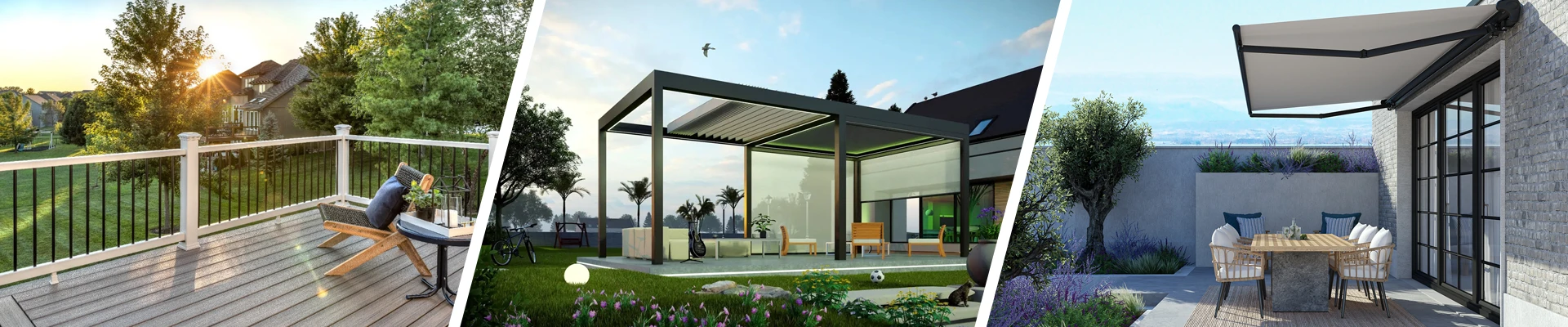
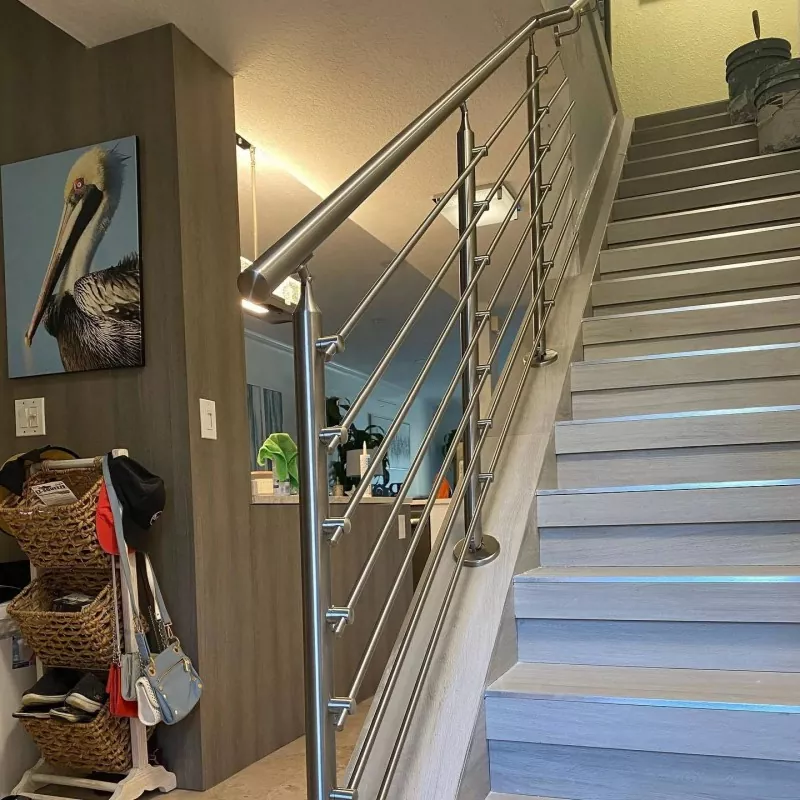
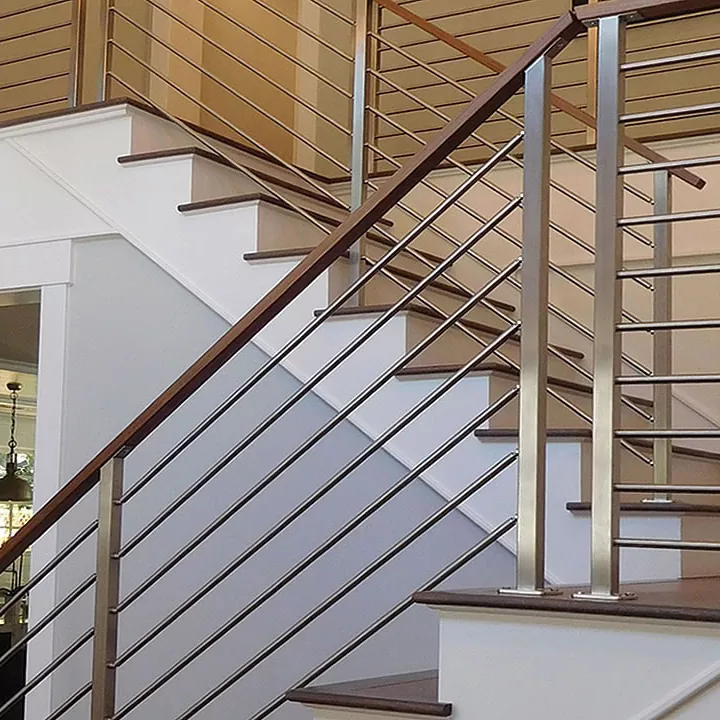
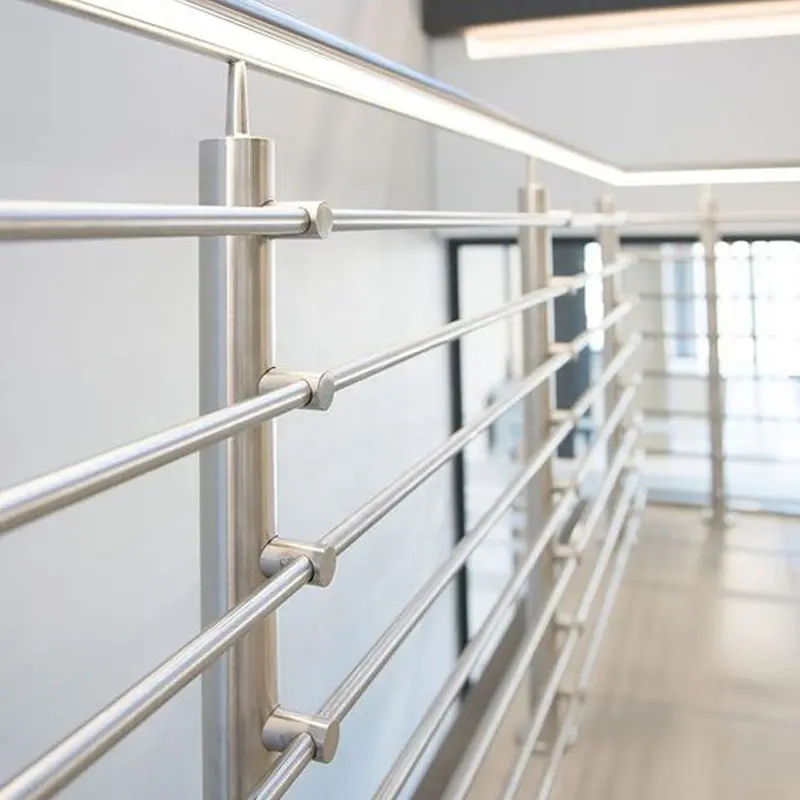
Glass Deck Railing
In modern residential and commercial spaces, terraces, courtyards, and outdoor platforms are increasingly regarded as essential areas for leisure, gatherings, and relaxation. To ensure safety while maintaining open, airy, and aesthetically pleasing outdoor spaces, Glass Deck Railing has gradually become a mainstream market choice. It is not merely a safety railing system but also a design element that enhances the overall architectural quality.
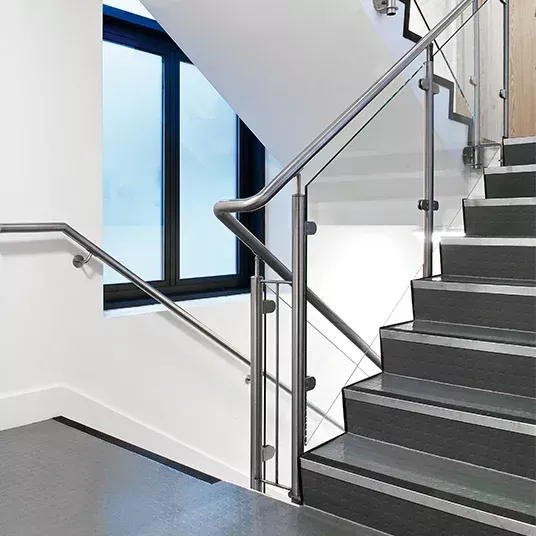
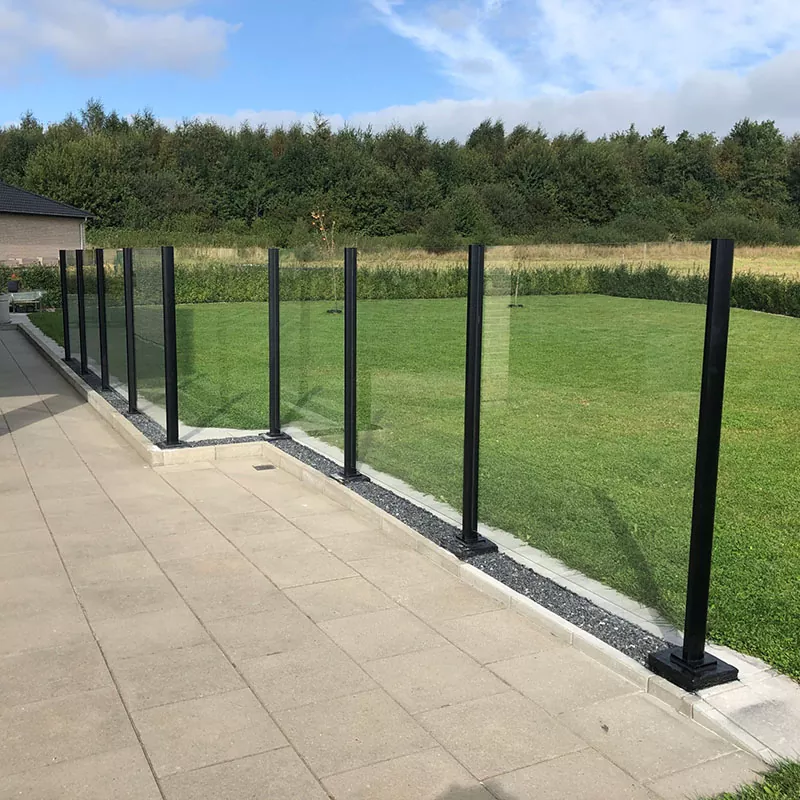
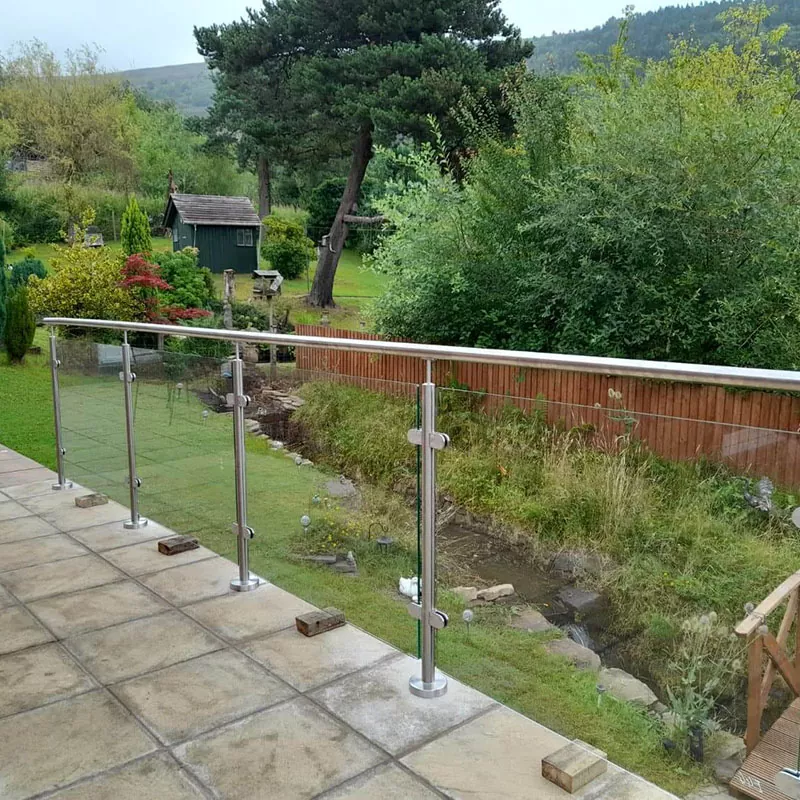
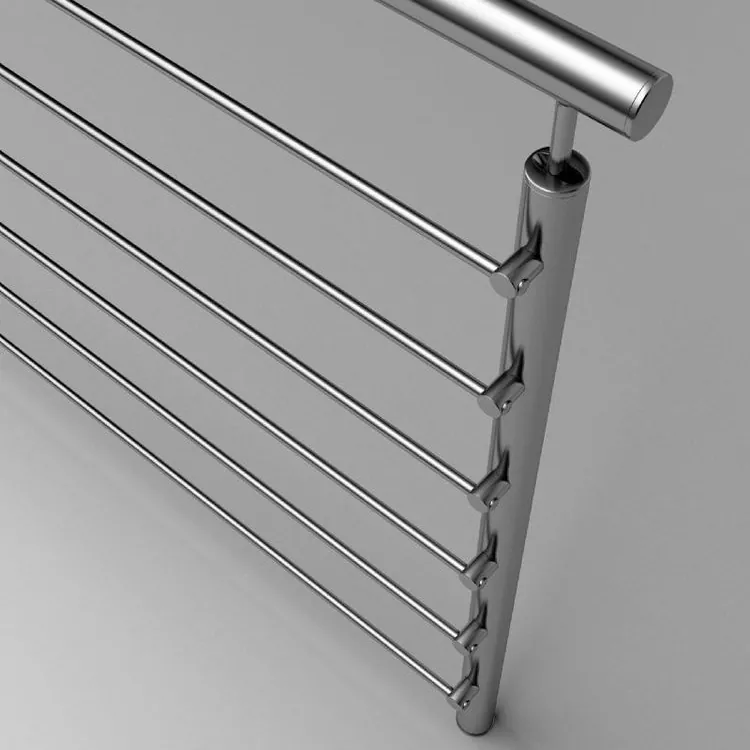
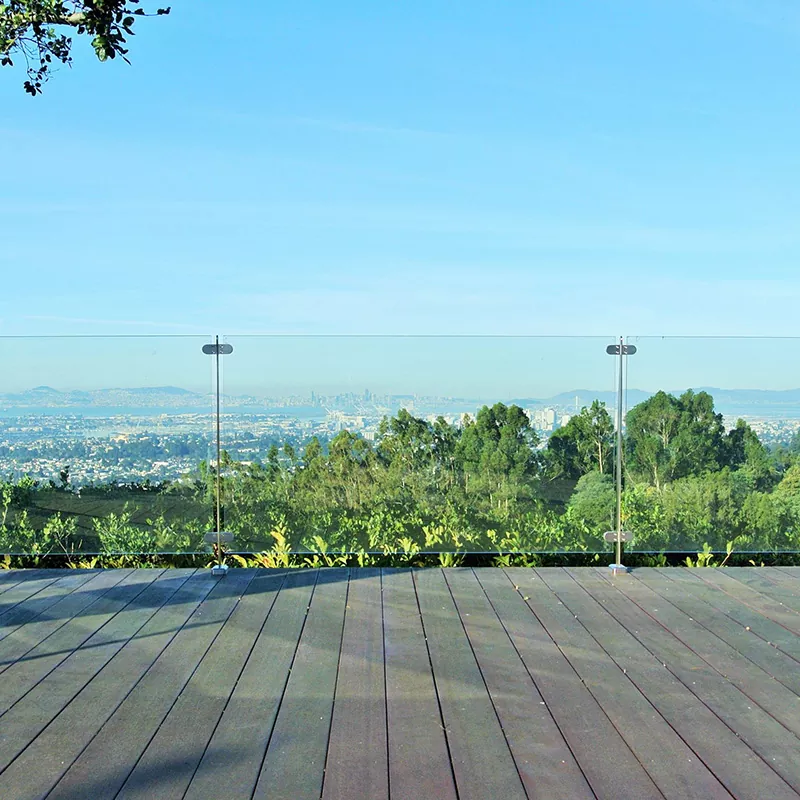
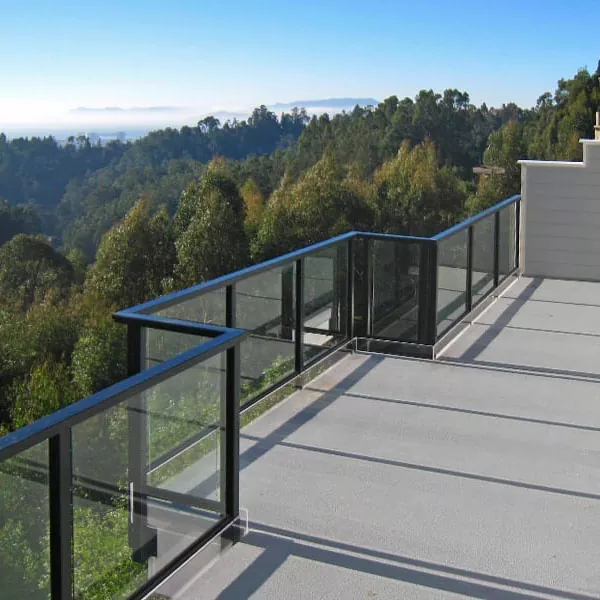
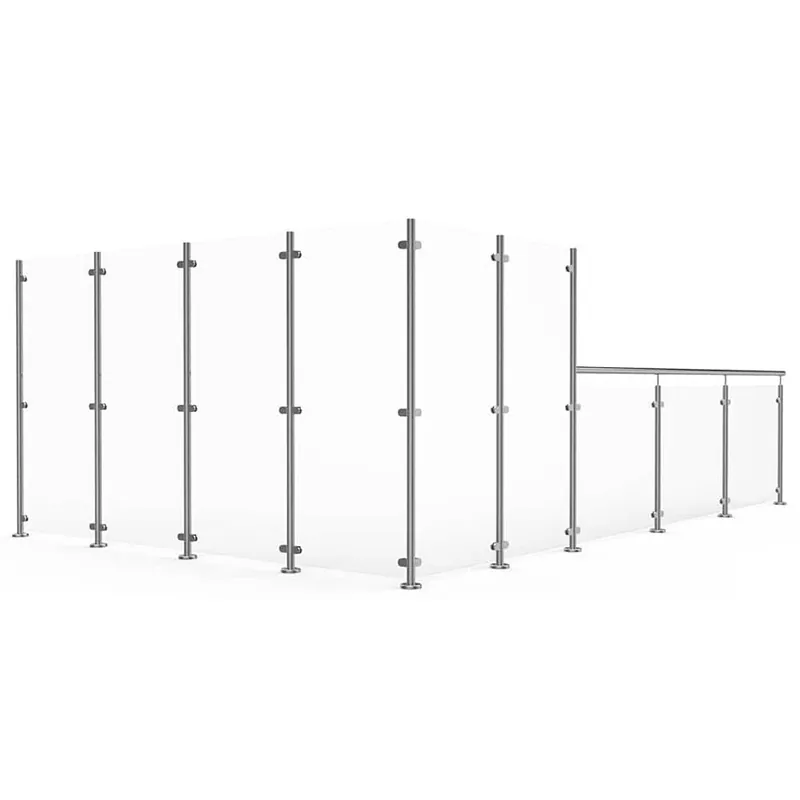
Glass Deck Railing is a balustrade system installed along the perimeter of an outdoor deck, terrace, rooftop platform, or raised patio to provide fall protection while preserving an unobstructed view of the surrounding landscape. The system combines safety glass panels — toughened or laminated — with a supporting frame of aluminum alloy or stainless steel posts, base fixings, and a top handrail or cap rail. Unlike solid wood, composite, or metal panel railings, glass transmits light in both directions, keeps the deck visually open from inside the home, and allows wind to pass through rather than creating turbulence.
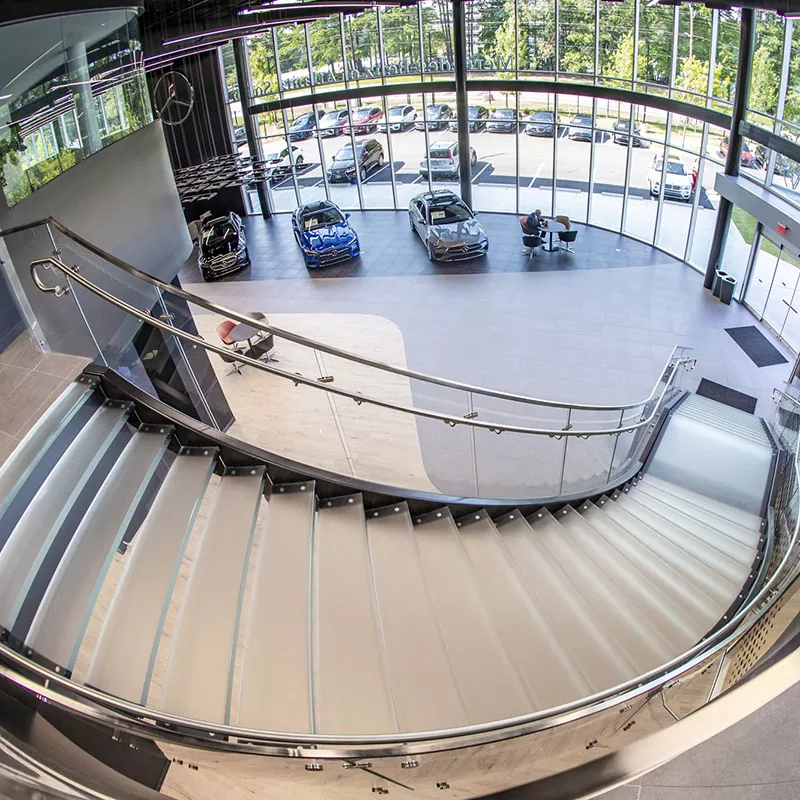
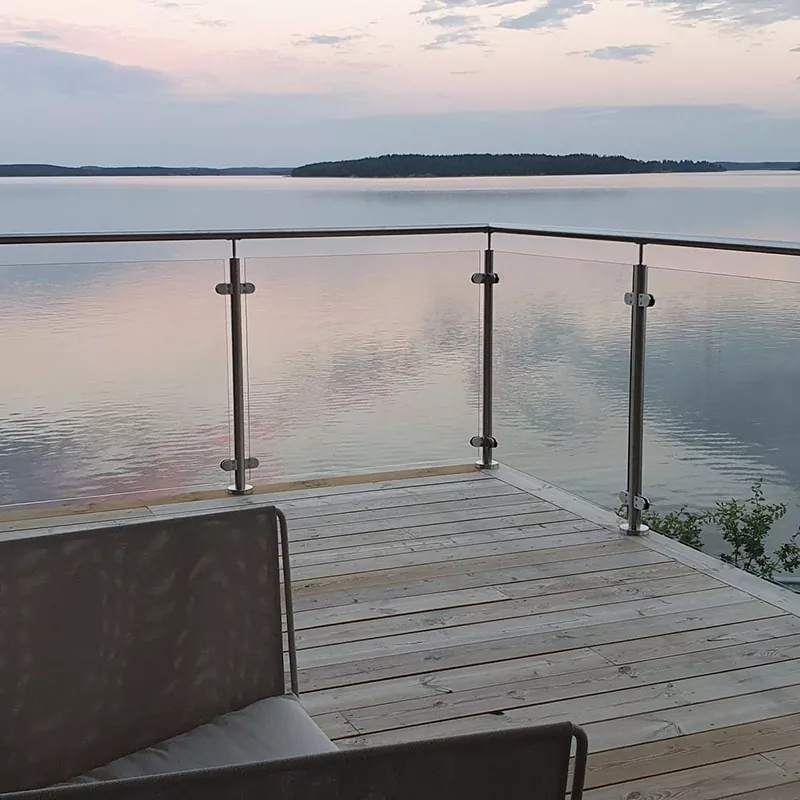
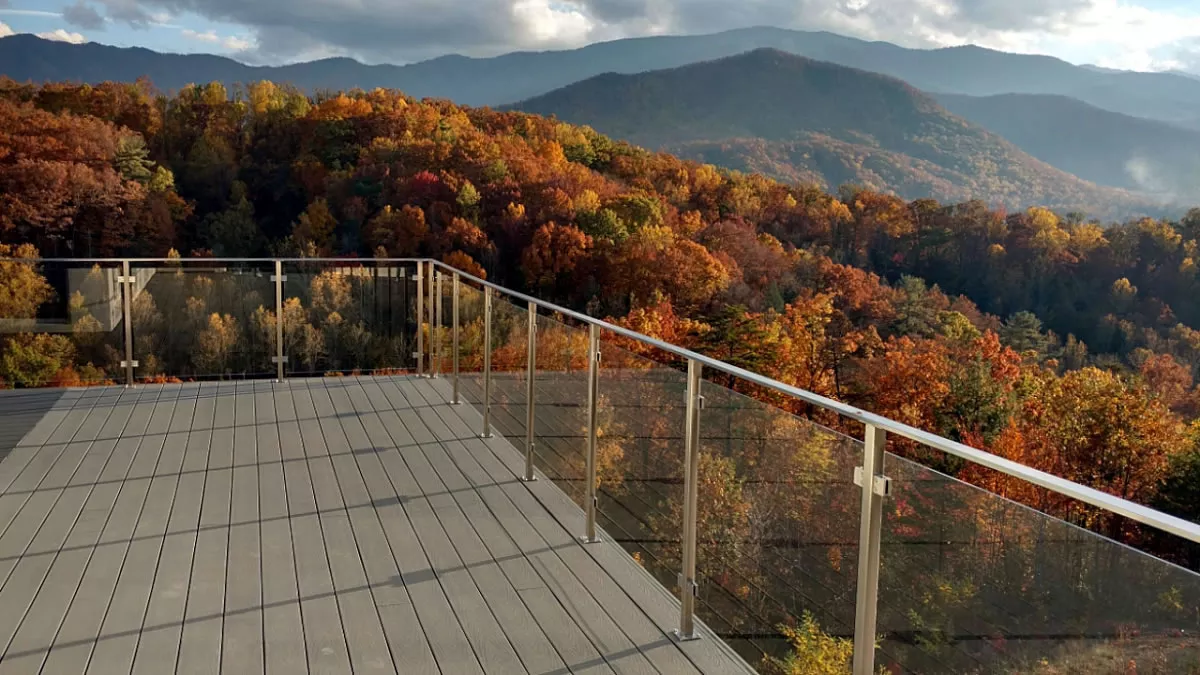
For homeowners with a view — ocean, lake, garden, mountain, or city skyline — a glass deck railing is the only railing type that preserves that view completely. Replacing a traditional wood or aluminum baluster railing with a glass system can meaningfully increase the perceived value and livability of an outdoor space without any structural modification to the deck itself. For commercial projects — hotel pool terraces, resort observation decks, waterfront restaurant patios, and rooftop bars — glass railing has become close to standard specification because it communicates premium quality without blocking the scenery that guests are paying to enjoy.
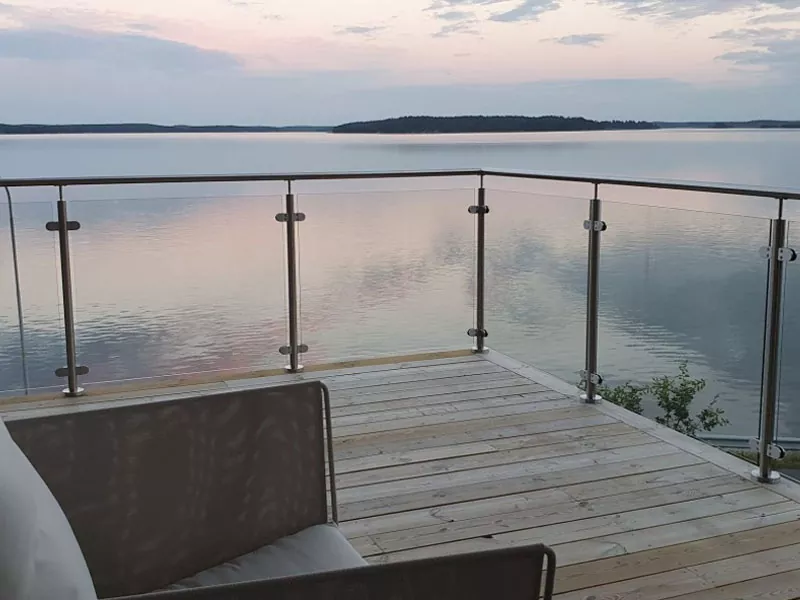
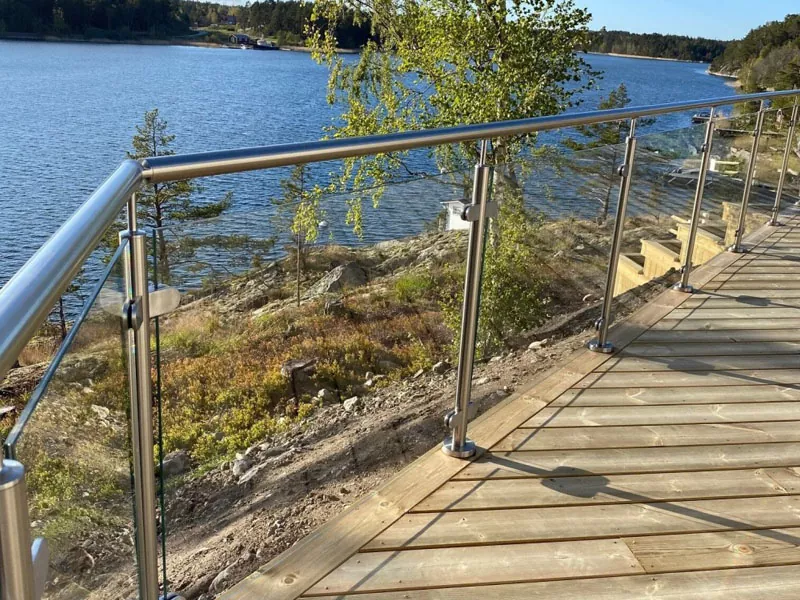
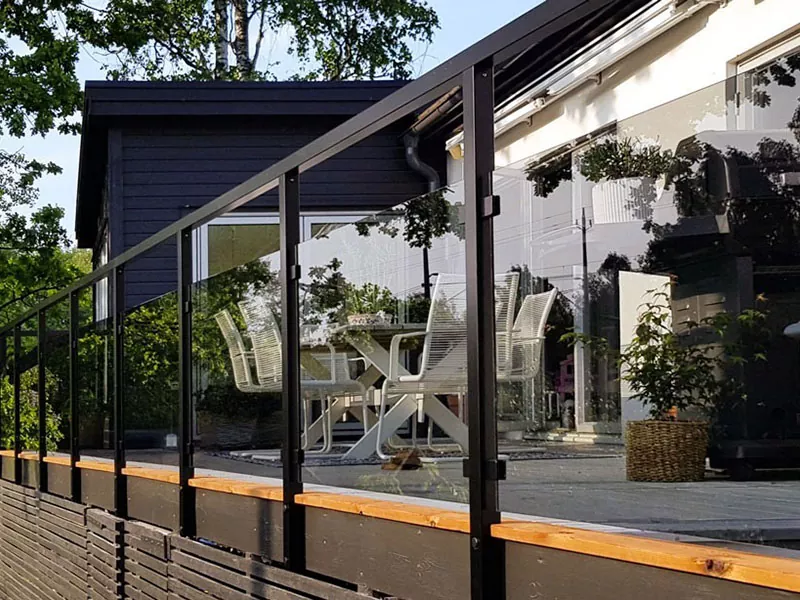
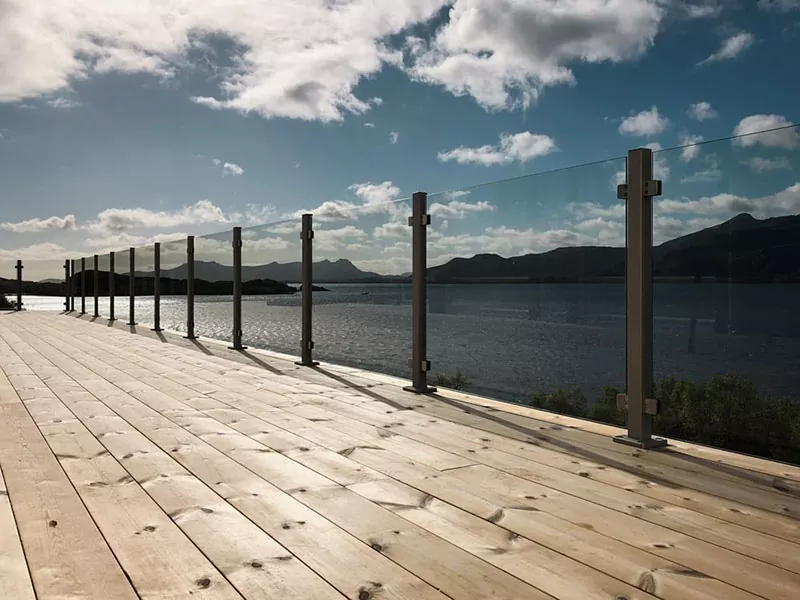
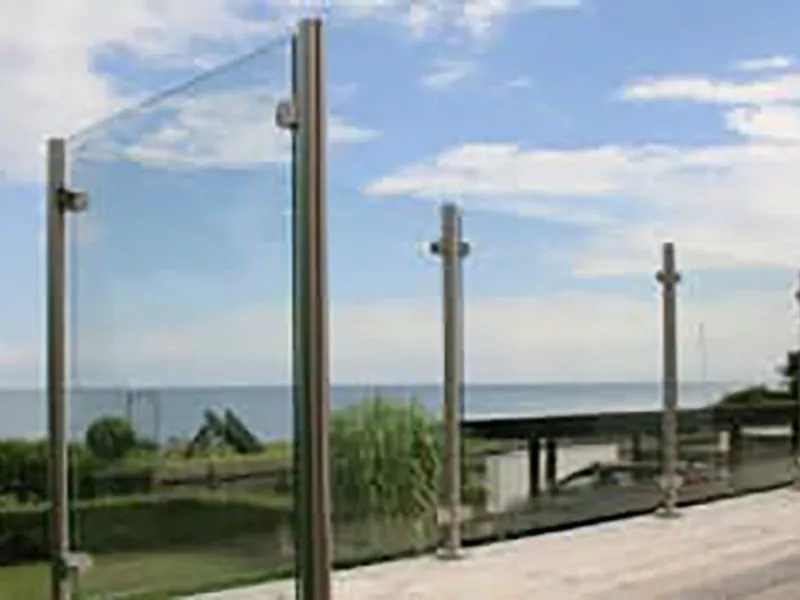
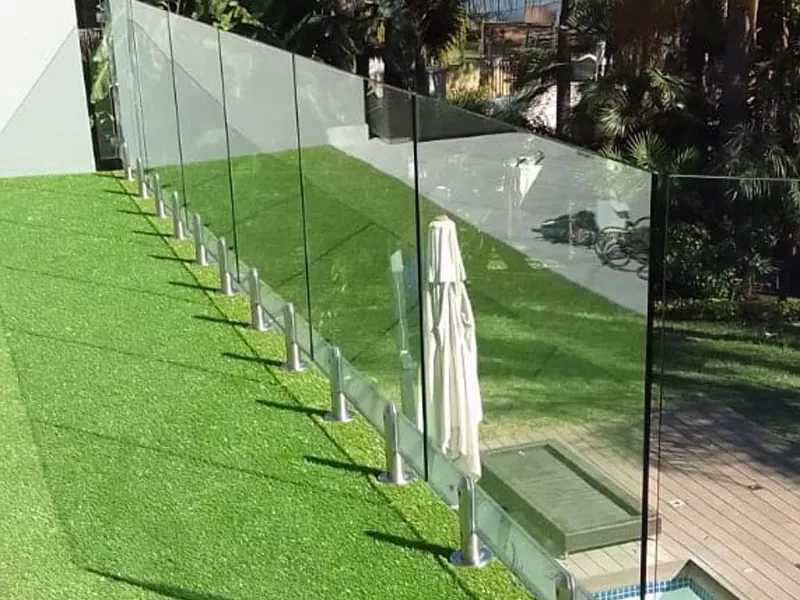
A Glass Deck Railing isn’t just about open sightlines—it’s about combining safety, long-lasting performance, and a contemporary style in one system. As a dedicated manufacturer, supplier, and factory in China, Vionta pays close attention to every step of production to meet the demanding expectations of overseas clients. Below are the main strengths and distinctive advantages of choosing Vionta Glass Deck Railing for your project:
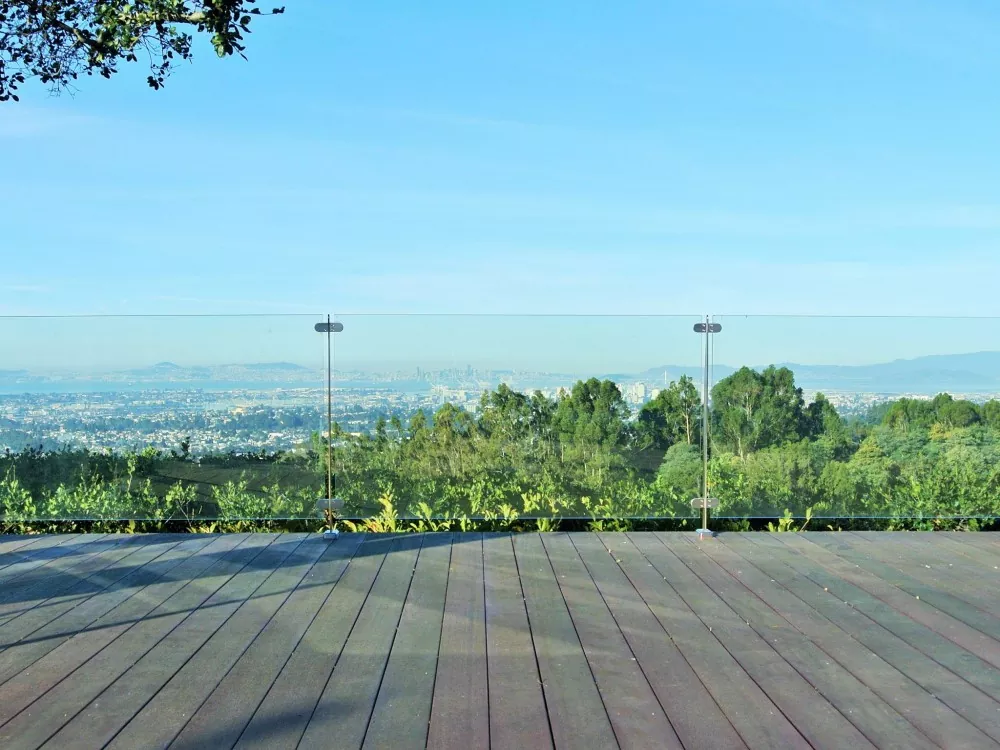
1. Open and unobstructed field of view, infinitely enlarging visual space
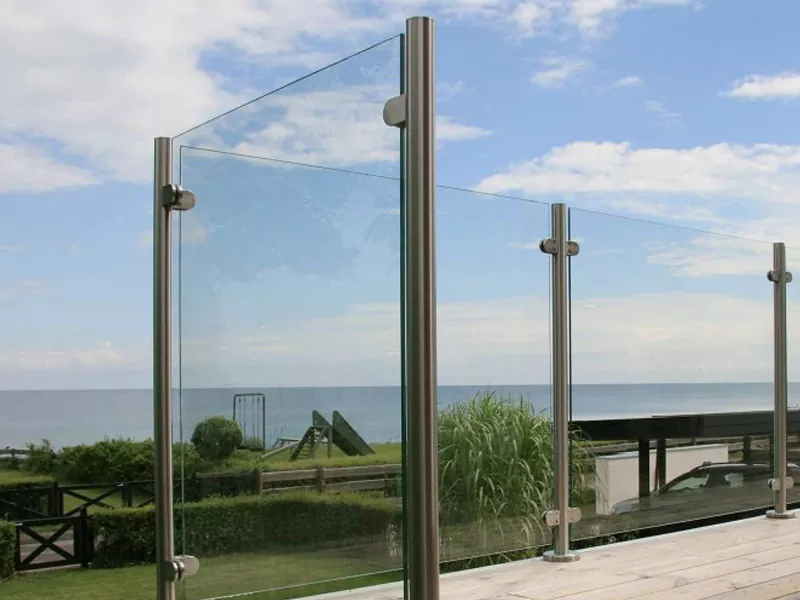
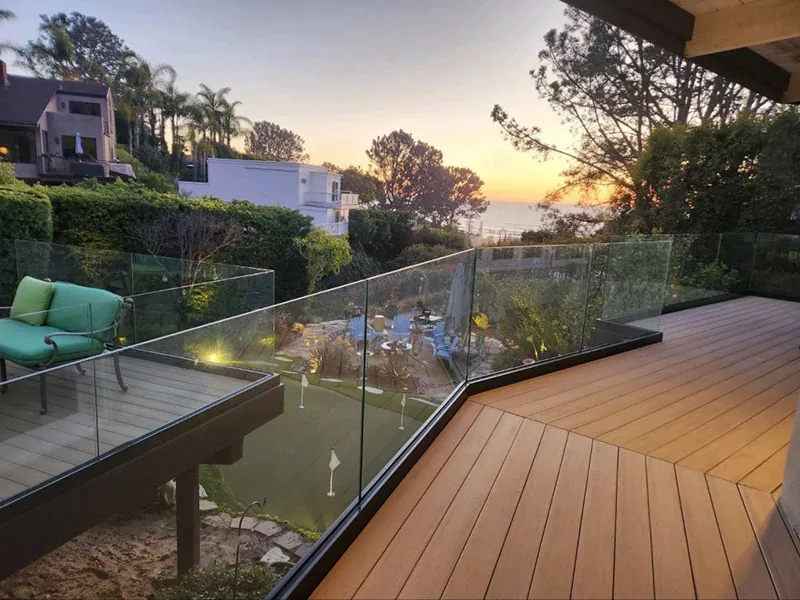
Compared to traditional railing systems, the transparent glass panels used in Vionta glass deck railings provide a wide view, making them perfect for admiring sea views, gardens, or city skylines.
The clean transparency not only enhances the appearance of balconies and decks, but also makes the overall building look more modern and lightweight.
2. High strength safety glass provides reliable protection
Vionta uses tempered or laminated glass that meets international safety standards. These panels have excellent strength, impact resistance, and enhanced safety. Even in rare cases of breakage, glass will not shatter into dangerous sharp fragments, thus protecting the safety of family members, hotel guests, and pedestrians.
3. Aircraft grade aluminum columns with excellent durability and corrosion resistance
The columns and top rails of Vionta are made of 6063-T5 aircraft grade aluminum, a durable material that is highly trusted in high-end outdoor applications. This choice means that your railing will not rust or corrode, will maintain its color year after year outdoors, can withstand strong winds, and can be used for 15 to 25 years.
4. Multiple installation methods to adapt to different project scenarios
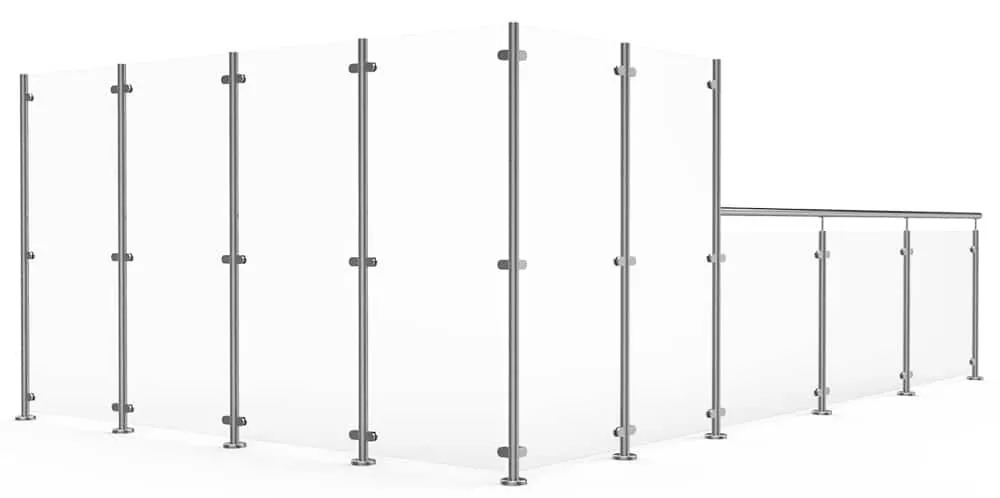
According to different project environments, Vionta offers a variety of flexible installation structures:
Top installation
Side-hanging
Hidden frameless system
Handrails can be designed in circular, square, or armless shapes
This flexibility is applicable to different scenarios such as residential buildings, hotels, commercial areas, and scenic trails, making it convenient for engineering and procurement companies to choose the most suitable installation plan.
5. Strong weather resistance, no need for high-frequency maintenance
The glass and aluminum structure of the glass deck railing has undergone rigorous outdoor weather resistance testing and can maintain its luster and quality even under extreme weather conditions such as strong ultraviolet radiation, rain, salt spray, severe cold, and continuous sunlight exposure. That is to say, Glass Deck Railing’s maintenance cost is lower and does not require frequent painting or maintenance like wooden railings.
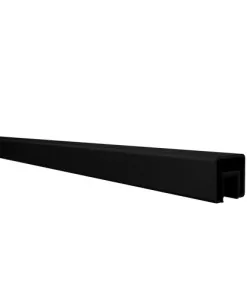
6. Support customization of glass color, armrest shape, and column style
To meet the diverse needs of designers and the market, Vionta offers:
Choose transparent glass, frosted glass, gray glass, brown glass, etc
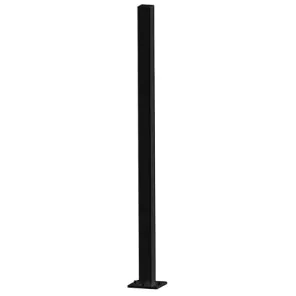
Square, circular, polygonal columns
Design with or without handrails
Standard aluminum color, dark gray, black or customized color
Modern architecture and traditional architecture are easily matched.
Full Product Specification Table
| Parameter | Options / Range |
| Glass Type | Toughened (tempered); Laminated PVB; Laminated SGP; Ultra-clear versions available |
| Glass Thickness | 8 mm / 10 mm / 12 mm / 15 mm / 17.52 mm; laminated: 5+5, 6+6, 7.5+7.5, 8.76+8.76 |
| Glass Colour | Clear / Ultra-clear (low-iron) / Grey tint / Bronze tint / Frosted |
| Post Material | 6063-T5 aluminum alloy (standard); SS304 or SS316 stainless steel (available) |
| Post Profile | Square: 50×50, 60×60, 80×80 mm; Round: 42.4, 48.3 mm; Flat blade |
| Post Finish | Powder coating (any RAL); Anodised silver / champagne / bronze / black; PVDF coating |
| Handrail Profile | Round tube; Square / flat-top tube; Handrail-free (frameless glass top edge) |
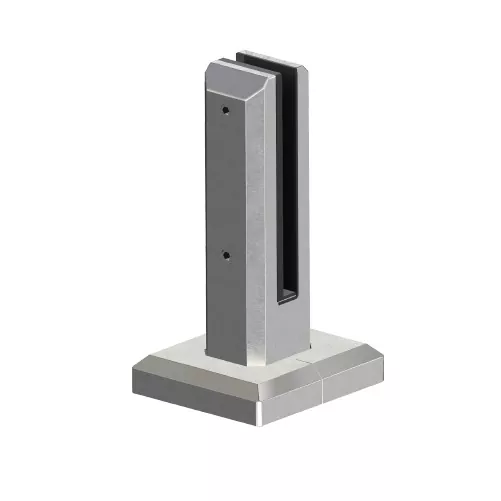
| Installation Method | Top mount; Side mount (rim joist / fascia fix); Spigot / core-drilled; U-channel base |
| Deck Substrate | Timber; Composite decking; Concrete slab; Steel frame |
| Standard Railing Heights | 900 mm / 1,000 mm / 1,050 mm / 1,100 mm / 1,200 mm (custom heights available) |
| Design Load | 0.36 kN/m residential to 3.0 kN/m commercial (engineered to project requirement) |
| Hardware Material | SS304 or SS316 stainless steel throughout |
| Colour Options | Black, white, grey, silver, champagne gold, custom RAL colour |
| Packaging | Export wooden crates with foam partitions for glass; palletised metal components |
| Lead Time | 20–30 working days bulk orders; samples within 7–10 working days |
Building Code Compliance: What You Need to Know
Deck railings are regulated by building codes in most countries, and the requirements vary by location and deck height. The following is a general guide — always verify the applicable code with your local building authority.
United States (IRC / IBC): The International Residential Code (IRC) requires guards on decks 30 inches (762 mm) or more above the adjacent grade. Minimum guard height is 36 inches (914 mm) for most residential applications, 42 inches (1,067 mm) for commercial. The guard must resist a horizontal load of 200 lbs (0.89 kN) applied at the top rail and 50 lbs/ft (0.73 kN/m) distributed. Opening limitations (the "4-inch rule") apply to balusters but glass panels inherently comply as there are no openings. Tempered or laminated safety glass is required for glazing used in guards.
Canada (NBC): Guards are required on decks more than 600 mm above adjacent grade. Minimum height is 1,070 mm for most residential occupancies. Glass used in guards must be safety glazing per CAN/CGSB 12.1.
Australia / New Zealand (NCC / AS 1170): Balustrades are required where the floor is more than 1,000 mm above the ground. Minimum height is 1,000 mm residential, 1,100 mm commercial. Glass must comply with AS/NZS 2208 (Safety glazing materials in buildings). Post spacing and glass thickness must be confirmed by structural calculation to the applicable wind and load requirements.
Europe (EN standards): Requirements vary by country but typically require a minimum height of 900–1,100 mm and compliance with EN 12150 (toughened glass) or EN ISO 12543 (laminated glass). Load requirements per EN 1991-1-1.
Vionta can provide material test certificates for stainless steel and glass, glass certification documents confirming compliance with the specified safety glazing standard, and load calculation data to support building permit submissions. Please advise your project location and we will confirm the applicable specification.
Maintenance Guide for Outdoor Deck Railings
One of the main practical advantages of glass deck railing over wood is the significantly lower maintenance requirement. The following schedule covers what is needed to keep a Vionta system in good condition over the long term.
Glass panels: Rinse with clean water every 1–3 months to remove dust and surface deposits. For stubborn mineral deposits or bird droppings, use a mild glass cleaner and a soft cloth or squeegee. Avoid abrasive pads or cleaners containing hydrofluoric acid (some tile and grout cleaners contain HF, which permanently etches glass). In coastal locations with heavy salt deposition, increase the rinse frequency to monthly.
Aluminum posts and rails: Wipe down annually with a mild detergent solution and rinse with clean water. Coastal installations benefit from a fresh-water rinse every 1–2 months to remove salt deposits before they accumulate. Check powder coat or anodised surfaces annually for chips or scratches — minor damage can be touched up with a matching paint pen; significant damage should be addressed promptly to prevent corrosion at the exposed aluminum substrate.
Fixings and connections: Inspect all post base fixings annually for tightness. Thermal expansion and contraction in outdoor applications can gradually loosen fasteners, particularly in locations with large seasonal temperature swings. Sealant joints at base plates and channel edges should be inspected every 3–5 years and replaced if cracking or delamination is observed.
Frequently Asked Questions
Q1: How does glass deck railing perform in high-wind locations?
Glass deck railing performs well in high-wind environments when correctly specified. Unlike solid panel railings, glass panels do not create a large sail area that traps wind — they are relatively aerodynamic. However, wind pressure on the glass panels and posts must still be calculated for the specific site wind zone, deck height, and exposure category. For exposed coastal sites, elevated rooftop decks, and locations in designated high-wind zones, we typically specify 12 mm or 15 mm toughened glass, heavier post sections (60 × 60 mm or 80 × 80 mm), and closer post spacing to manage the increased loads. Tell us your project location and deck height and we will advise the correct wind specification.
Q2: Is glass deck railing safe around children?
Glass deck railing meets or exceeds the safety requirements of traditional baluster railings for child safety. The glass panels are solid and continuous — there are no gaps or openings that children can climb through or fall through, unlike horizontal cable rails which can act as a ladder. The panels are toughened or laminated safety glass, which does not produce large sharp shards on breakage. For residential decks, we recommend laminated glass if there is significant concern about breakage in a high-use environment with children, as the interlayer holds the panel in position even after fracture.
Q3: Can glass deck railing be installed on an existing deck without rebuilding the frame?
In most cases, yes. Top-mount and side-mount fixing methods are designed specifically for retrofit installation on existing decks without structural modification. The key requirement is that the deck framing must be in sound condition — posts must be fixed to solid lumber or structural steel, not to rotted wood or unsupported decking boards. We recommend having the deck structure inspected before railing installation if it is more than 10 years old. If the existing deck rim joist or beam is accessible, side-mount fixing is often the cleanest retrofit option.
Q4: How do I specify the correct glass thickness for my deck?
Glass thickness depends primarily on three factors: post spacing (the unsupported span between posts), the required design barrier load (residential or commercial), and the deck height above grade (which affects wind pressure in some codes). As a general guide: 10 mm toughened is adequate for residential decks with posts at 900–1,200 mm centres under standard domestic load requirements; 12 mm toughened or laminated is recommended for posts at wider spacing, commercial applications, elevated or exposed sites; 15 mm or thicker laminated glass for large public decks, wide panel spans, or high-wind locations. Contact us with your post spacing, deck height, and project type and we will confirm the appropriate specification.
Q5: What is the difference between aluminum and stainless steel posts for a deck railing?
Both materials are suitable for outdoor deck applications; the choice comes down to appearance preference, budget, and environment. Aluminum posts are lighter, more affordable, and available in a wide range of powder-coat colours to match your deck or building. Stainless steel posts have a distinctive metallic finish (brushed or mirror polished) and slightly higher tensile strength. For most residential and commercial deck applications, aluminum is the practical choice. For coastal or poolside decks within direct salt-spray range, SS316 stainless steel posts are the most corrosion-resistant option; alternatively, aluminum with PVDF powder coating performs well in salt environments at a lower cost.
Why Choose Vionta for Glass Deck Railing?
Complete in-house production. Glass processing, aluminum extrusion and fabrication, powder coating, and hardware assembly are all carried out at our own factory in Cixi, Ningbo. No subcontractors in the supply chain means consistent quality and factory-direct pricing — typically 15–30% more competitive than equivalent quality sourced through trading companies.
Deck-specific technical expertise. We understand the substrate-specific requirements for timber, composite, and concrete deck installations, and supply the correct base fixing hardware for each. Our technical team can review your deck drawings, confirm code compliance, advise on glass thickness and post spacing, and provide installation guides tailored to your substrate and fixing method.
Full customisation. Non-standard glass sizes, custom post profiles, bespoke powder-coat colours, special edge treatments, and curved or angled plan configurations are all within our production scope. We do not charge a tooling premium for standard customisation on orders above a minimum quantity.
Reliable international delivery. Standard bulk orders ship within 20–30 working days of order confirmation. Every shipment includes material test certificates, glass certification documents, a detailed packing list, and installation guides. Pre-production samples dispatch within 7–10 working days and the sample cost is credited against the subsequent bulk order.
Contact us with your deck dimensions, substrate type, project location, and applicable building code. We will respond with a detailed product recommendation and quotation within 24 hours.
Hot Tags: Glass Deck Railing, Glass Balustrade Systems, Custom Deck Railing Manufacturer
Related Category
Send Inquiry
Contact Info
-
Address
No. 26, Lane 293, Cilong East Road, Longshan Town, Cixi City, Ningbo City, Zhejiang Province, China
-
Tel
-
E-mail
For inquiries about Metal Railing, Aluminium Pergola, Aluminium Awning or price list, please leave your email to us and we will be in touch within 24 hours.