How to Keep the Retractable Awning Clean?
A high-quality outdoor shading system is one of the most valuable structural investments you can make for your residential or commercial patio. When integrated into your property design, it offers flexible sun protection, reduces interior cooling loads, and extends your outdoor living space. At Vionta Metal, we have spent decades engineering premium architectural shade solutions, and we understand that maintaining peak visual and functional performance requires proactive care. Over time, environmental pollutants, atmospheric dust, tree sap, bird droppings, mold spores, and mineral residues accumulate on awning fabrics and structural mechanisms. If left untreated, these contaminants degrade waterproof coatings, dull color vibrance, cause premature fabric dry-rot, and bind moving structural joints.
Keeping your exterior shading system in pristine condition does not require complex tools or aggressive chemical treatments. Instead, establishing a systematic, routine cleaning schedule combined with proper seasonal precautions preserves both the fabric top and the mechanical framework. In this comprehensive guide, our technical team breaks down exact cleaning protocols, preventive maintenance schedules, fabric protection secrets, and troubleshooting methods to ensure your outdoor shading investment delivers decades of reliable performance.
Table of Contents
- 1. What Is a Retractable Awning and Why Does It Require Regular Cleaning?
- 2. Why Should You Maintain Your Retractable Awning Fabric and Frame?
- 3. How to Clean a Retractable Awning Step by Step?
- 4. How Can You Protect Your Retractable Awning from Mold and Mildew Growth?
- 5. How Often Should You Service and Clean Your Retractable Awning?
- 6. How to Choose the Best Retractable Awning Materials for Easy Maintenance?
- 7. Conclusion and Final Maintenance Takeaways
- 8. Frequently Asked Questions (FAQ)
What Is a Retractable Awning and Why Does It Require Regular Cleaning?
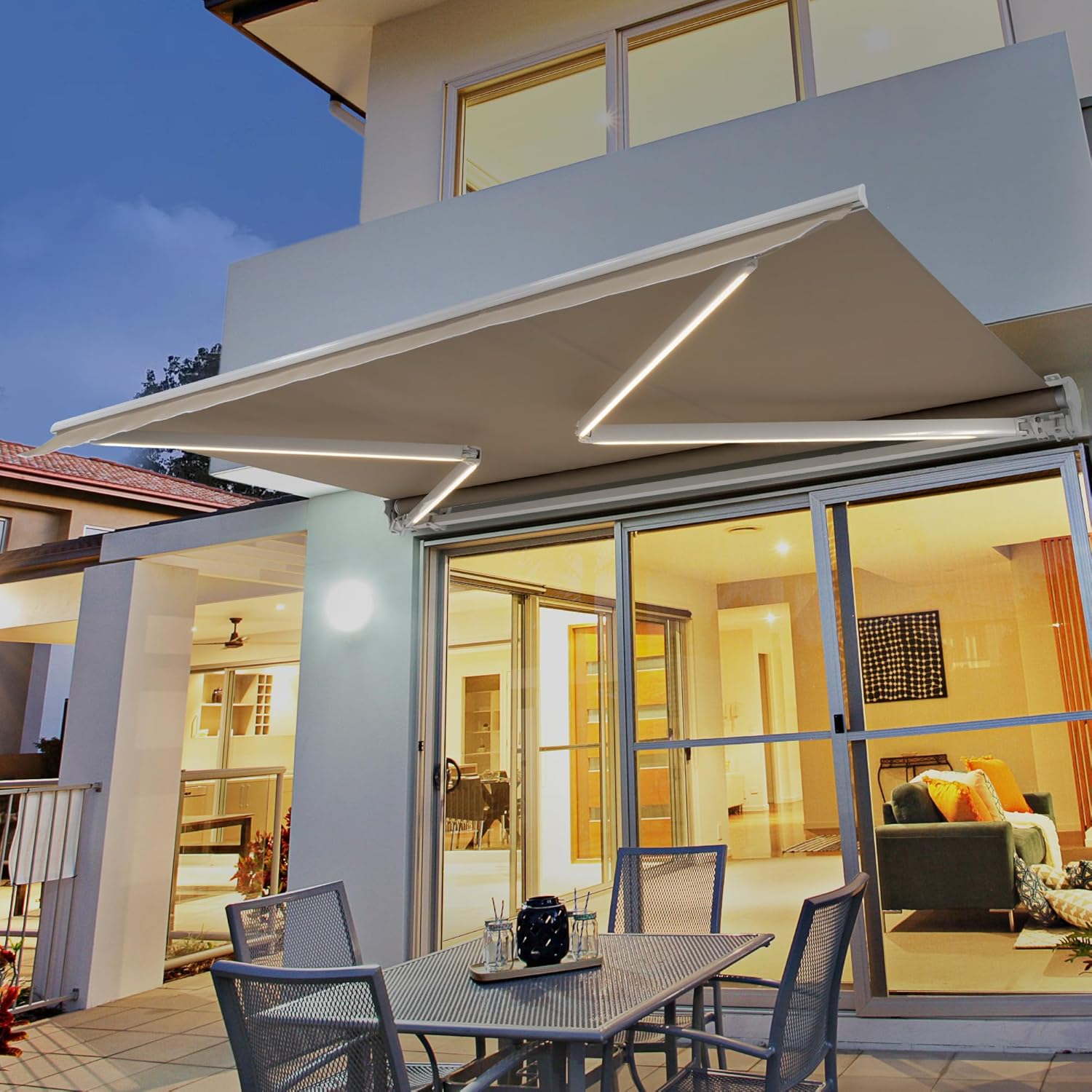
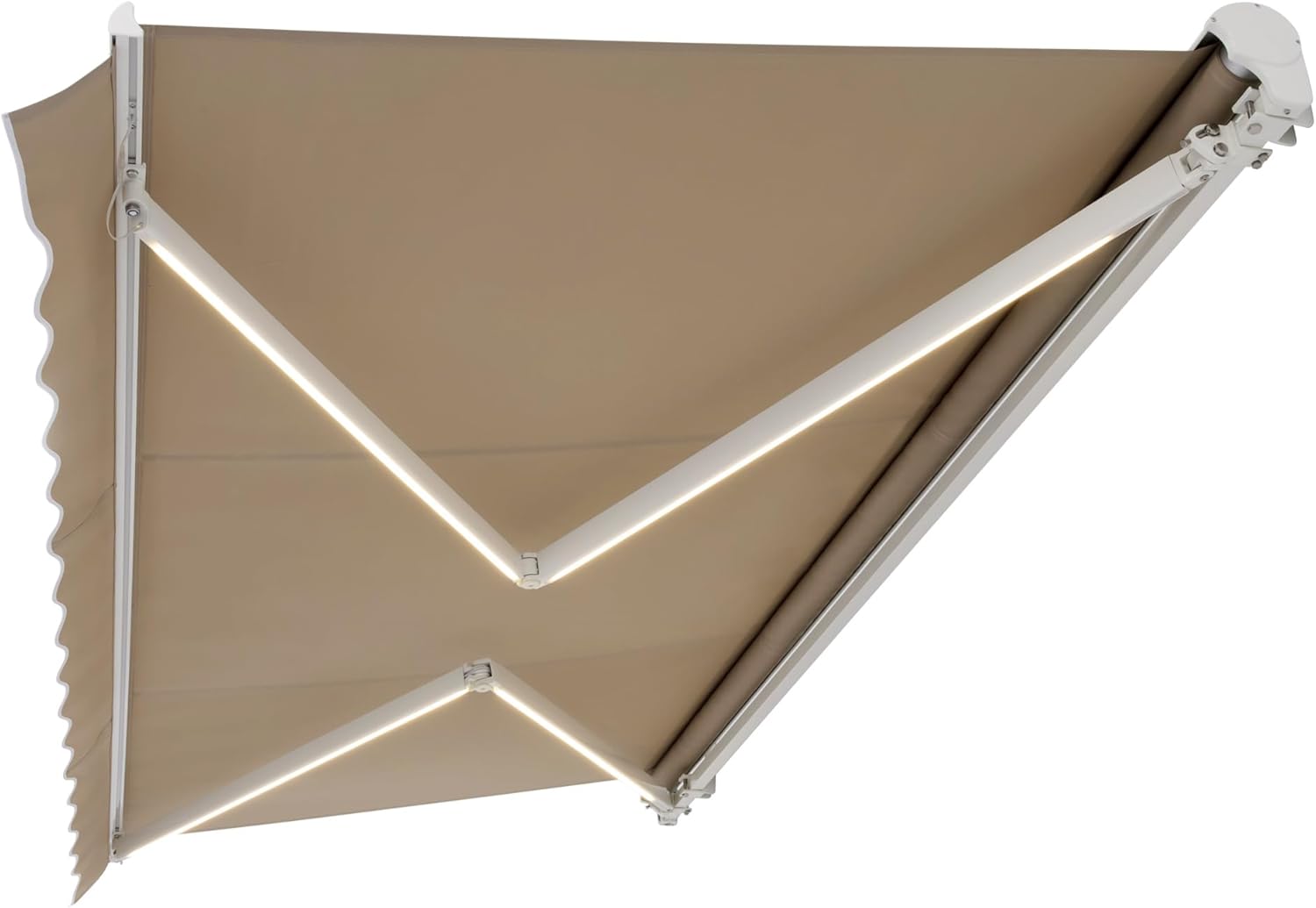
A retractable awning is a dynamic exterior shading fixture designed to extend or retract using either manual crank mechanisms or motorized tubular drives. Unlike fixed wooden or metal patio covers, retractable designs utilize articulated folding arms, tension springs, top roller tubes, and specialized flexible fabrics (such as solution-dyed acrylic, polyester, or PVC-coated vinyl) to provide adjustable coverage. At our factory, Vionta Metal engineers high-performance aluminum frames with durable powder coatings to withstand severe weather exposure. However, because these systems operate outdoors continuously, foreign particulate matter naturally settles on the horizontal expanse of the fabric canopy.
Understanding the physics of environmental decay explains why routine cleaning is mandatory rather than optional:
- Atmospheric Dust and Airborne Pollutants: Dust, vehicle exhaust soot, and industrial particulate fallout form a abrasive film on top of the fabric weave. When rainwater mixes with this dust, it grinds into the fibers every time the canopy rolls up around the roller tube.
- Biological Organisms: Tree pollen, falling leaves, insect debris, and bird droppings contain organic compounds and acids. Bird droppings are particularly acidic and will permanently etch fabric coatings and clear coats if allowed to sit under direct sunlight.
- Moisture Trapped in Folds: Retracting an awning while the fabric is wet creates a high-humidity microclimate inside the rolled cylinder. This enclosed, dark environment serves as the ideal breeding ground for mildew fungal spores.
- Friction and Binding in Mechanical Joints: Sand, grit, and airborne dirt work their way into lateral arm hinges, elbow joints, pitch adjustment brackets, and roller end caps. Without cleaning, this grit increases friction, strains motor drives, and accelerates mechanical wear.
Why Should You Maintain Your Retractable Awning Fabric and Frame?
Consistent maintenance is far less expensive than structural component replacement or complete fabric re-skinning. By maintaining both the textile surface and the structural skeleton, you unlock numerous practical and aesthetic benefits for your home or business.
Key Takeaway: Routine cleaning prevents organic acids from breaking down water-repellent Fluorocarbon coatings, preserving structural integrity and keeping operational noise to a minimum.
Below is a direct comparison table showing the long-term impact of proactive maintenance versus neglected care over a 10-year lifespan:
| Maintenance Aspect | Proactive Care (Cleaned Every 3 Months) | Neglected Care (Uncleaned for Years) |
| Fabric Longevity | 12 to 15+ years; original thread strength maintained | 3 to 5 years; seam rot, dry-rot, and tears under wind loads |
| Water Repellency | High water-beading performance intact year-round | Saturated canvas, water pooling, fabric sagging, internal leakage |
| Frame & Powder Coat | Zero surface corrosion, bright finish, smooth arm motion | Pitting corrosion, chalking finish, noisy or jammed hinges |
| Motor & Gear Stress | Minimal electrical load; quiet motor operation | Overheated motor thermal trips, stripped mechanical gears |
Primary reasons to maintain your outdoor canopy system include:
- Preserving Aesthetic Curb Appeal: A clean, vibrant awning creates an inviting outdoor atmosphere and enhances overall property valuation. Strained, mildew-stained awnings significantly degrade facade appearance.
- Preventing Fabric Degradation and Hydrophobic Loss: Modern outdoor textiles receive factory-applied water-repellent treatments. Accumulated grease and dirt breakdown this protective seal, causing water to soak into the weave rather than bead off.
- Extending Mechanical Drive Lifespan: Clean roller tracks and lubricated elbow joints reduce mechanical resistance, ensuring motorized systems operate without drawing excessive electrical current.
- Protecting Your Health and Indoor Air Quality: Mold spores multiplying on dirty patio canvas can be blown into adjacent windows and sliding doors, aggravating respiratory allergies.
How to Clean a Retractable Awning Step by Step?
To achieve professional-grade results without damaging delicate fabric coatings or internal motorized drives, follow our master technical cleaning protocol. Our team at Vionta Metal recommends a quarterly light cleaning and a thorough deep cleaning twice a year (spring setup and autumn storage preparation).
Required Tools and Cleaning Materials
- Soft-bristle telescoping wash brush or microfiber cleaning pad
- Standard garden hose equipped with an adjustable spray nozzle (Avoid high-pressure power washers)
- Two 5-gallon buckets of clean water
- Mild liquid soap (biodegradable dish soap or specialized awning cleaner like 303 Multi-Surface Cleaner)
- Soft microfiber cloths and non-abrasive sponge
- Silicone-based lubricant spray for mechanical joints
- Fabric water-repellent retreatment spray (such as 303 High Tech Fabric Guard)
Step 1: Dry Surface Preparation and Debris Removal
Fully extend the awning canopy on a dry, overcast day. High heat or direct blazing sunlight causes soapy water to dry prematurely, leaving streak marks. Using a soft telescoping broom or brush, gently sweep away dry leaves, twig fragments, spiderwebs, and loose dust from top and bottom canvas surfaces. Do not scrub forcefully while the fabric is dry, as embedded sand grains can scratch protective coatings.
Step 2: Gentle Hose Rinse
Using your garden hose set to a broad spray pattern, thoroughly wet the entire fabric area from top to bottom. This softens stubborn dirt deposits and flushes away loose surface soil. Never use high-pressure power washers; extreme pressure tears canvas seams, punctures acrylic coatings, and strips powder coating off metal arm assemblies.
Step 3: Application of Mild Soapy Solution
Mix 1/4 cup of mild dish soap into 1 gallon of lukewarm water. Dip your soft-bristle brush into the solution and apply it evenly across the fabric using light, circular motions. Work in manageable 4x4-foot sections:
- Focus extra attention on the front drop valance and lateral edges where water runoff concentrates.
- Allow the soapy solution to soak into the fabric weave for 10 to 15 minutes to break down organic oils and sap. Do not allow the soap to dry on the material.
- Gently scrub the underside of the canopy where condensation and airborne soot gather.
Step 4: Thorough Rinsing Protocol
Flush the canopy thoroughly with fresh water from your garden hose. Continue rinsing until no soapy bubbles or residue remain in the run-off water. Residual soap left on exterior textiles attracts dust twice as fast and interferes with water-repellent performance.
Step 5: Frame and Hardware Wipedown
While the fabric is drying, clean the powder-coated aluminum arms, front extrusion, roller bar, and mounting brackets. Wipe down all metal components with a soft microfiber cloth dampened with clear water and mild soap. Inspect metal joints for grit accumulation.
Step 6: Complete Air Drying
Leave the awning fully extended in the open air until every square inch of fabric, seam thread, and mechanical hinge is completely dry. Never retract a moist or wet awning unless emergency weather conditions force you to do so; if retracted wet during a storm, extend it fully at the earliest opportunity to dry completely.
How Can You Protect Your Retractable Awning from Mold and Mildew Growth?
Mold and mildew do not actually feed on synthetic acrylic fibers; instead, they thrive on dirt, pollen, and organic moisture trapped between the woven yarns. Preventing biological growth requires active moisture management and strategic fabric re-sealing.
Eliminating Existing Mildew Spots
If dark green or black mildew spots have already formed on your canvas, standard soap may not suffice. Use a gentle bleach-based cleaning solution specifically formulated for solution-dyed acrylics:
- Combine 1 cup of household liquid bleach, 1/4 cup of mild soap, and 1 gallon of clean water in a bucket.
- Test the mixture on an inconspicuous corner or hidden seam flap first to ensure colorfastness.
- Apply the solution with a soft brush and let it soak for up to 15 minutes.
- Rinse thoroughly with cold water until all chemical trace is removed. Note: Never use bleach on vinyl-coated materials or non-acrylic thread seams without manufacturer approval.
Re-applying Water Repellent Protection
After deep cleaning or bleach treatments, the original factory water-repellent barrier may be weakened. Restoring hydrophobic performance prevents future moisture penetration:
- Ensure the fabric canopy is 100% dry and free of soap film.
- Spray an even coat of fabric fluorocarbon protectant across the upper surface.
- Allow the treatment to cure in warm weather for 24 hours before retracting or exposing to rain.
How Often Should You Service and Clean Your Retractable Awning?
Establishing an organized maintenance schedule prevents minor maintenance tasks from escalating into costly repairs. When you install a heavy-duty system from Vionta Metal, regular care ensures optimal performance through every season.
Follow this recommended operational timetable:
Monthly Quick Maintenance
- Hose down the extended fabric with clean water to flush off fresh pollen and atmospheric dust.
- Visually inspect arm movement during extension and retraction to check for smooth alignment and unusual noise.
- Clear fallen leaves and twigs from the top roller bar housing.
Seasonal Deep Clean (Spring & Autumn)
- Execute the complete 6-step deep washing procedure outlined above.
- Inspect powder-coated aluminum frames for scratches; touch up bare metal exposed to weather.
- Apply dry silicone spray lubricant to all metal pin hinges, internal arm springs, and pivot points. Avoid petroleum-based lubricants (WD-40 oil) as they attract dirt and rot fabric.
- Check electrical power cords, wind sensors, and remote controls for motorized units.
Winterizing Protocols
- Perform a final end-of-season deep wash and allow complete drying before winter storage.
- Disconnect power supply to motorized units if the system will remain idle for months.
- Install a protective fabric or metal winter cover sleeve over the retracted roller bundle to guard against snow accumulation and ice damming.
How to Choose the Best Retractable Awning Materials for Easy Maintenance?
The total effort required to keep your outdoor shade system clean depends heavily on the initial material construction. At Vionta Metal, our custom manufacturing process prioritizes low-maintenance engineering from structural metallurgy to advanced fabric technology.
Key material selection criteria include:
- Solution-Dyed Acrylic Fabrics: Premium solution-dyed acrylic locks pigment inside the fiber core before spinning, rendering it highly resistant to UV bleaching, harsh cleaning chemicals, and mildew accumulation.
- Extruded T6 Aluminum Frames: High-grade structural aluminum extrusions coated with architectural-grade thermosetting powder paint prevent rust, pitting, and oxidation near coastal salt air environments.
- Sealed Stainless Steel Fasteners: Utilizing grade 304 or 316 stainless steel bolts, pins, and cable systems stops rust water from dripping down onto light-colored canopy fabric.
- Self-Cleaning Fluorocarbon Coatings: Advanced nano-coatings shed rainwater instantly, carrying surface dust away automatically during light showers.
Conclusion and Final Maintenance Takeaways
Learning how to keep your retractable awning clean is an essential aspect of exterior home maintenance that yields immediate returns in curb appeal, structural safety, and long-term financial savings. By committing to routine monthly rinses, bi-annual deep washes with mild soap, proper joint lubrication, and prompt moisture drying, you protect both the performance fabric and the heavy-duty mechanical frame from environmental degradation.
Ready to Upgrade Your Outdoor Living Space?
Discover commercial-grade durability with Vionta Metal. Contact our engineering team today to receive a customized consultation, request fabric swatches, or get a direct factory quote for your architectural shading project!
Frequently Asked Questions (FAQ)
How do you clean severe mold off a retractable awning?
To eliminate severe mold, mix 1 cup of household bleach and 1/4 cup of mild dish soap into 1 gallon of water, apply the solution gently with a soft brush, allow it to soak for 15 minutes, and rinse thoroughly with clean water before allowing it to air dry completely.
Can you pressure wash a retractable awning safely?
No, you should never use a high-pressure washer on a retractable awning because extreme water pressure can tear canvas stitching, strip protective fluorocarbon waterproof coatings, and damage sensitive internal motorized arm mechanisms.
How do you remove green algae stains from retractable awning canvas?
Remove green algae stains by scrubbing the affected canvas area with a mixture of warm water, mild liquid soap, and white vinegar, then rinse thoroughly with a low-pressure garden hose and let the canopy dry completely under ambient air.
What is the best homemade solution for cleaning retractable awning fabric?
The best homemade cleaning solution consists of 1/4 cup of mild biodegradable dish soap mixed into 1 gallon of lukewarm water, which safely removes surface dirt without stripping fabric finishes or discoloring fibers.
Should you retract a retractable awning when it is wet?
You should avoid retracting an awning while wet because trapped moisture inside the tight roller roll fosters rapid mildew and mold growth, but if retracted during severe rain, fully extend it to dry as soon as weather permits.
Related News
- Why Stainless Cable Railing Shines in Winter?
- How Can a Snow Load Aluminum Pergola Deliver Reliable Year-Round Outdoor Protection
- What Awning Fabric and Frame Options Are Available?
- Is Glass Railing Safe for Balconies and Terraces?
- What Makes Stainless Steel the Ideal Material for Outdoor Railings?
- Are Jalousie Windows Easy to Break Into?
Leave me a message