What is Powder Coating Railing?
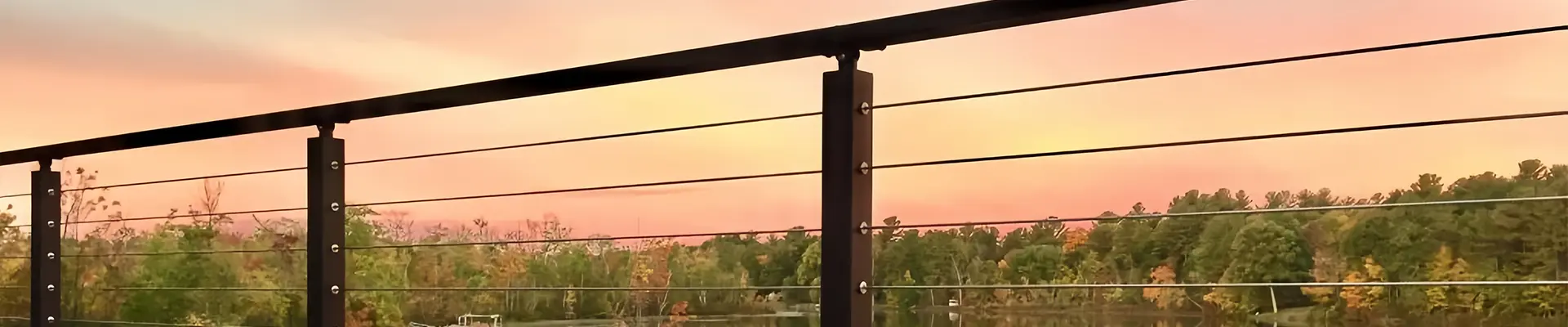
When you ask "What is powder coating railing?", you are touching upon one of the most revolutionary finishing technologies in the metal fabrication industry. For decades, we have witnessed the evolution of surface protection, and powder coating stands as the gold standard for exterior and interior metal railings. At Vionta Metal, we have perfected this process to ensure every railing that leaves our factory exceeds the highest expectations of durability and beauty. This comprehensive guide will walk you through every aspect of powder coated railings, answering not only the basic question but also the deeper why, how, and when behind this superior finish.
Table of Contents
- What Exactly is Powder Coating Railing?
- How Does the Powder Coating Process Work on Metal Railings?
- Why Should You Choose Powder Coated Railing Over Liquid Paint?
- What Are the Tangible Benefits of Powder Coated Railings?
- What Types of Metal Can Be Powder Coated for Railings?
- How Durable is Powder Coating on Railings?
- What is the Cost Comparison: Powder Coating vs. Traditional Finishes?
- How to Maintain and Care for Your Powder Coated Railing?
- Frequently Asked Questions About Powder Coated Metal Railing
What Exactly is Powder Coating Railing?
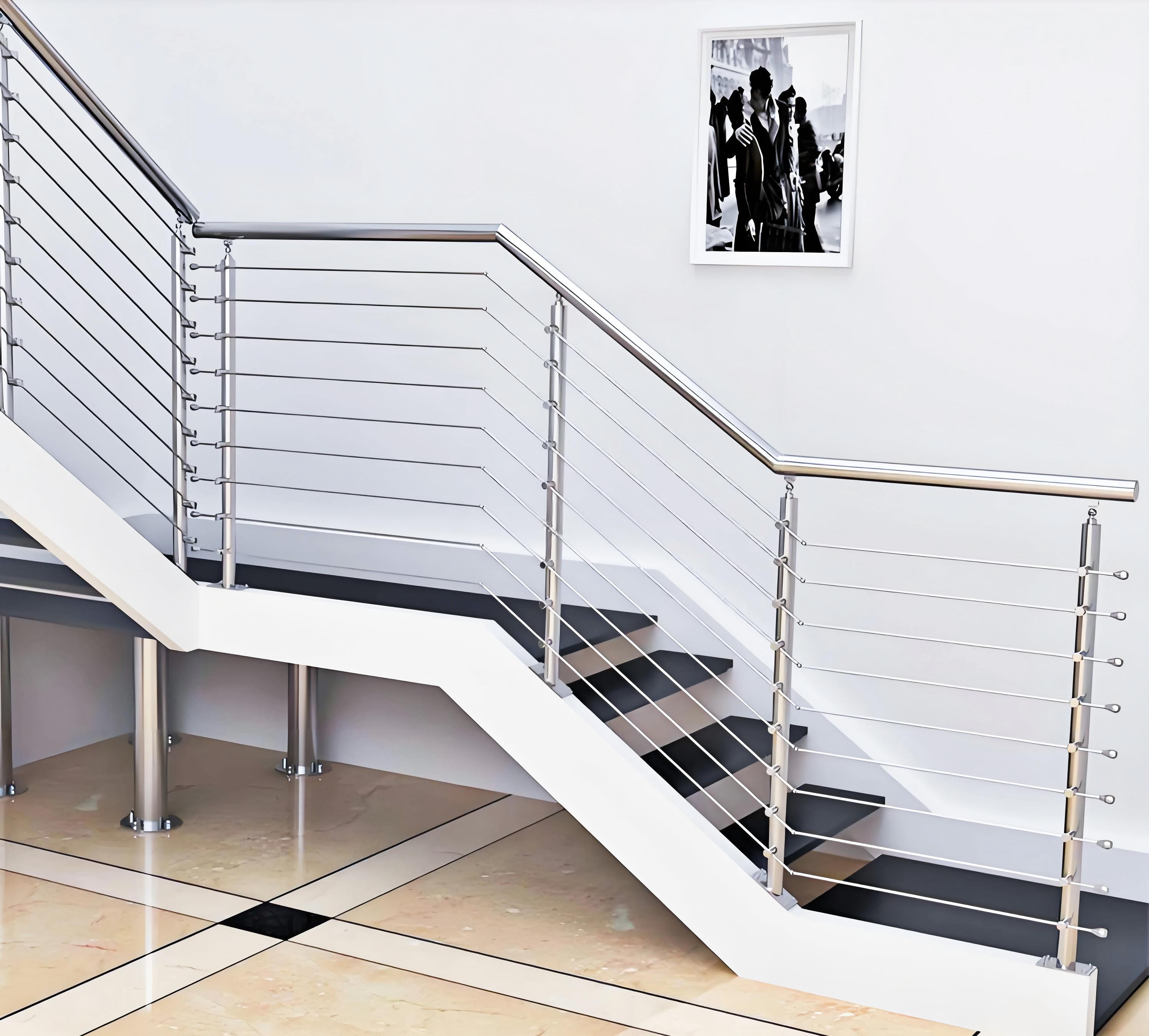
Powder coating railing is a dry finishing process that uses finely ground particles of pigment and resin, which are electrostatically charged and sprayed onto a metal surface. Unlike conventional liquid paint, which relies on solvents to carry the pigment, powder coating is applied as a free-flowing dry powder. The coated metal is then heated in a curing oven, where the powder melts, flows, and chemically bonds to create a tough, durable skin. This is not simply paint; it is a polymer-based composite that becomes an integral part of the metal itself.
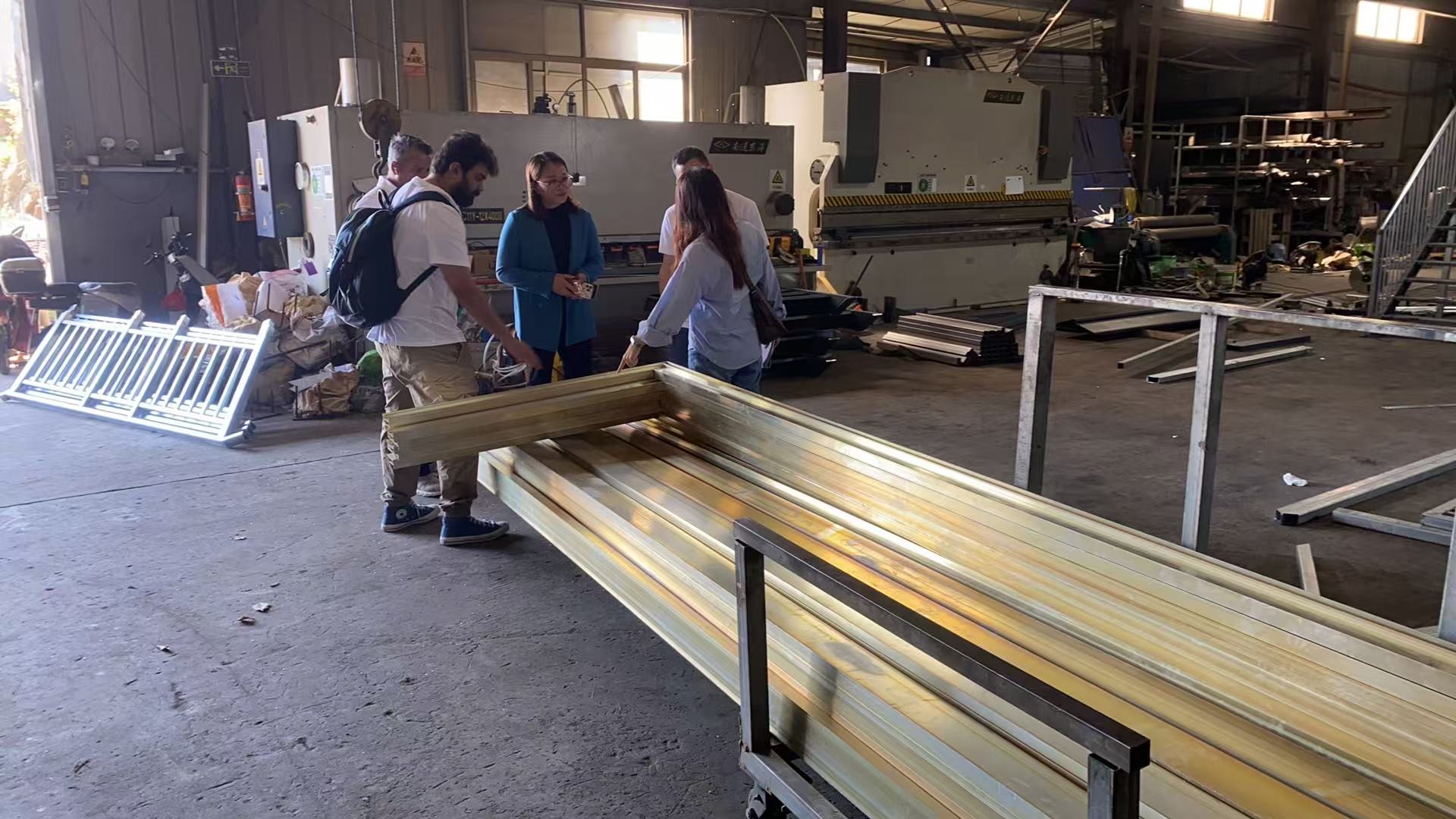
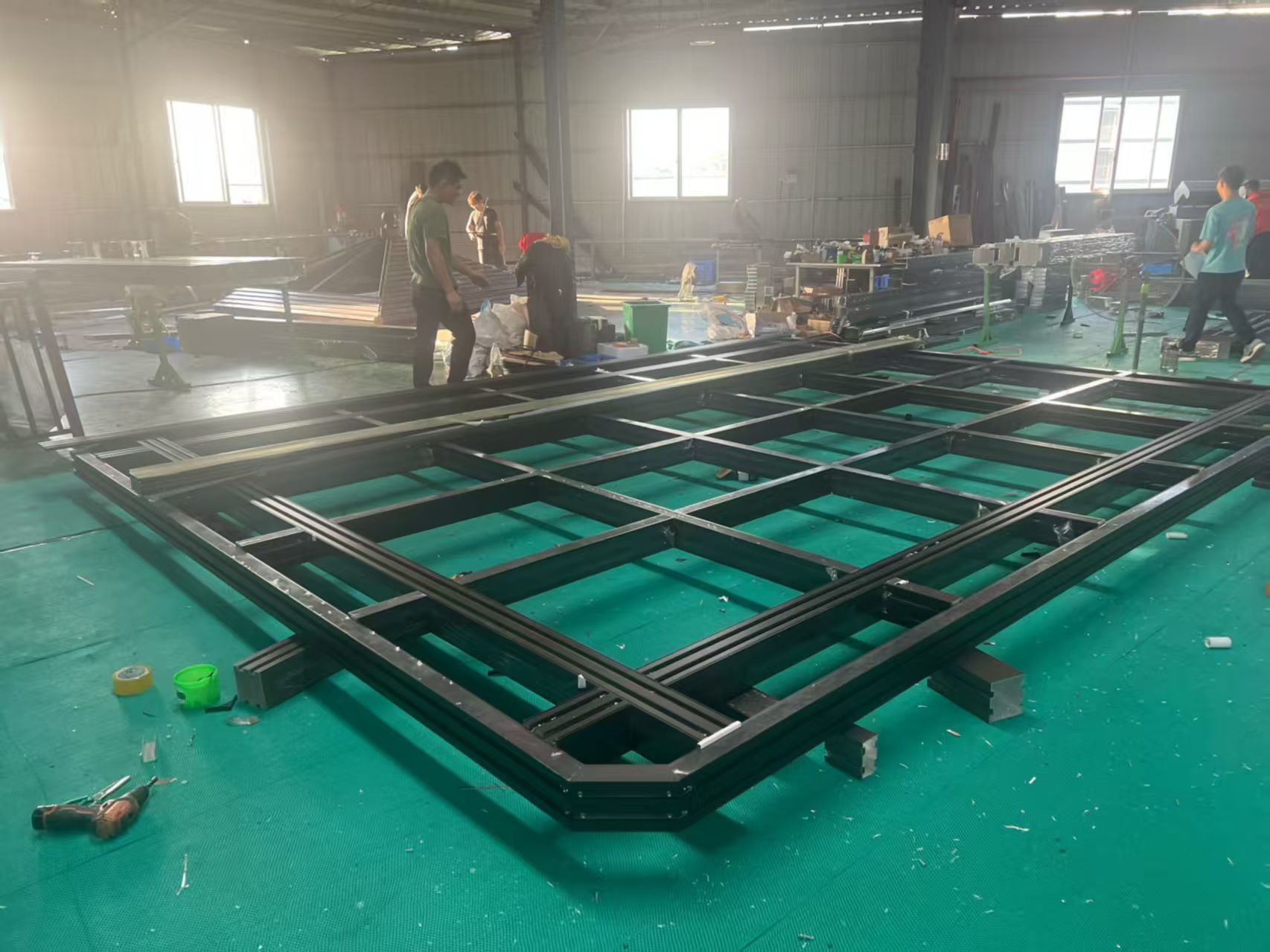
At Vionta Metal, we view powder coating as the backbone of our railing production. Our factory operates with state-of-the-art electrostatic spray booths and curing ovens that ensure consistent thickness and complete coverage. When we ask "What is powder coating railing?" in our workshop, the answer is always the same: it is the marriage of science and craftsmanship that yields a finish capable of withstanding decades of weather, impact, and UV exposure.
One of the most common misconceptions is that powder coating is merely a type of paint. In reality, it is a completely different chemical system. The powder particles are composed of a binder (resin), a curing agent, pigments, and flow modifiers. When heated, these components cross-link into a dense molecular network that resists chipping, scratching, and fading. For railings that must endure everything from coastal salt spray to industrial pollutants, this is not just a cosmetic choice—it is a structural necessity.
How Does the Powder Coating Process Work on Metal Railings?
Understanding the step-by-step process is crucial to appreciating why powder coated railings outperform all other finishes. The procedure at our factory follows a strict protocol that leaves no room for error. Here is exactly how we transform raw metal into a masterpiece of protection:
Step 1: Surface Preparation (The Foundation of Quality)
Before any powder touches the metal, the surface must be immaculately clean. We use a multi-stage pretreatment system that includes degreasing to remove oils, rinsing, and a chemical conversion coating (such as iron phosphate or zirconium) that enhances adhesion and corrosion resistance. This step is non-negotiable. Without proper preparation, even the best powder will fail prematurely.
Step 2: Drying and Cooling
The cleaned railing components are dried in forced-air ovens to eliminate any residual moisture. They are then cooled to room temperature to ensure the electrostatic charge can be applied effectively.
Step 3: Electrostatic Application
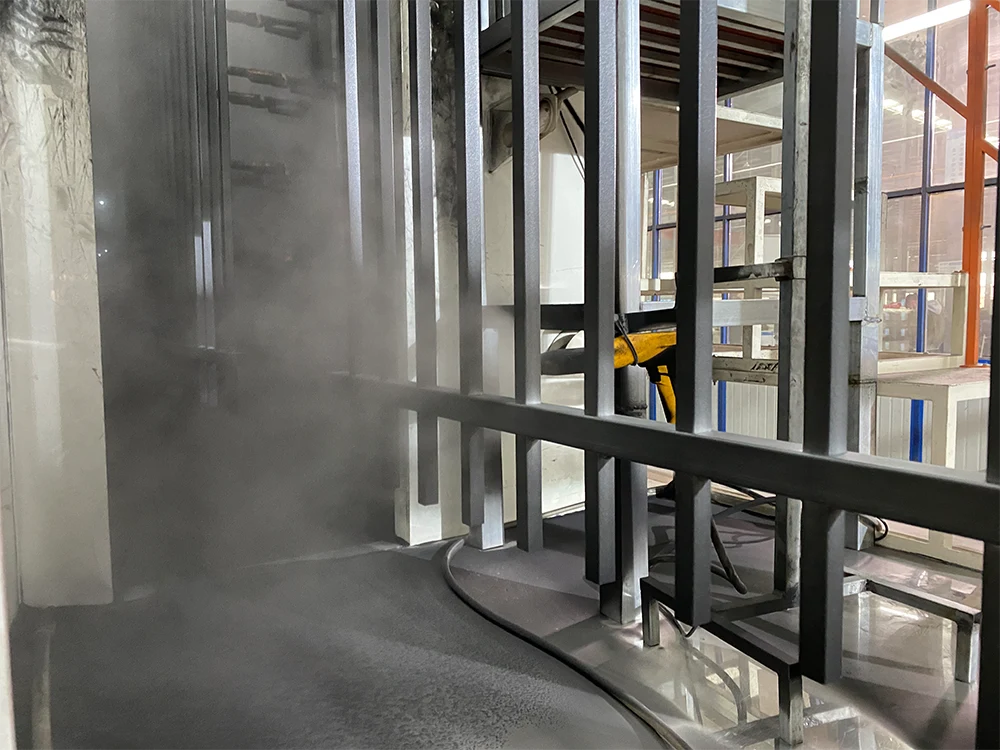
This is where the magic happens. The dry powder is fed from a fluidized hopper into a spray gun that imparts a negative electrostatic charge to each particle. The grounded metal railing attracts the charged powder, creating a uniform layer that wraps around corners and into recesses. This Faraday cage effect ensures that even complex ornamental railings receive complete coverage—something liquid paints struggle to achieve.
Step 4: Curing in the Oven
The coated railing enters a curing oven set at temperatures between 350°F and 400°F (175°C to 205°C) for a specified dwell time, typically 10 to 20 minutes. During this phase, the powder melts, outgasses any trapped air, and undergoes a chemical cross-linking reaction. The result is a smooth, hard film that is chemically bonded to the substrate.
Step 5: Cooling and Quality Inspection
After curing, the railing is cooled and subjected to rigorous quality checks. We test for thickness (using micrometers), adhesion (cross-hatch test), and impact resistance. Only when every piece passes our stringent standards does it bear the Vionta Metal name.
This methodical process answers the question "How does powder coating work?" with precision. Unlike liquid paint that dries through solvent evaporation—which leaves pin-holes and weak spots—powder coating cures through polymerization, creating a seamless monolithic layer.
Why Should You Choose Powder Coated Railing Over Liquid Paint?
This is perhaps the most critical question for any architect, builder, or homeowner. The differences are not minor; they are fundamental to the lifecycle and performance of your railing.
- Superior Durability: Powder coated railings resist impact, abrasion, and bending far better than liquid painted surfaces. The polymerized film has a hardness rating of 2H to 4H on the pencil scale, whereas most liquid paints are HB or softer.
- Uniform Thickness: Our process yields a film thickness of 60 to 80 microns, with variance of only ±5 microns across the entire surface. Liquid paints, applied by spray or brush, often show runs, sags, or thin spots that become early failure points.
- Edge Coverage: The electrostatic wrap-around effect means sharp corners and edges—which are notoriously vulnerable to rust—receive the same coating thickness as flat surfaces. With liquid paint, edges typically have 30-40% less coverage.
- Environmental Resistance: Powder coatings are formulated with UV-stable resins that retain color and gloss for 5 to 10 years of direct sunlight exposure. Premium liquid paints may fade within 2 to 3 years.
- Zero VOCs: Because the process uses no solvents, powder coating emits virtually zero volatile organic compounds. This makes it safer for our workers and the environment, while also eliminating the risk of solvent popping and blisters.
- One-Coat Finish: Unlike liquid systems that often require a primer and two topcoats, powder coating achieves full protection and color in a single application. This reduces labor and material costs significantly.
At Vionta Metal, we have seen countless customers return to us after trying cheaper painted railings. The math is simple: powder coating costs slightly more upfront but delivers 3 to 5 times the service life. When you factor in the cost of repainting, rust repair, and replacement, the choice becomes obvious.
What Are the Tangible Benefits of Powder Coated Railings?
Beyond the technical comparisons, the real-world benefits are what matter to your project. We have compiled a list of advantages that our clients consistently highlight:
| Benefit Category | Specific Advantage | Real-World Impact |
| Weather Resistance | Salt spray resistance up to 1000+ hours (ASTM B117) | Ideal for coastal properties and industrial zones |
| Color Retention | Less than 2 Delta E color shift after 5 years | Keeps your property looking new for longer |
| Mechanical Strength | Impact resistance up to 160 in-lbs (reverse impact) | Withstands accidental impacts from tools, furniture, or weather debris |
| Chemical Resistance | Resists household cleaners, acids, and alkalis | Easy to maintain with standard cleaning agents |
| Aesthetic Versatility | Available in gloss, semi-gloss, matte, and textured finishes | Matches any architectural style from modern to traditional |
| Cost Efficiency | Lower lifecycle cost (25-30% savings over 20 years) | Reduces total cost of ownership significantly |
Additionally, powder coated railings offer excellent electrical insulation and can be formulated with anti-graffiti properties, making them ideal for public spaces. Our factory has produced railings for schools, hospitals, and transit stations where durability is non-negotiable. We have even developed custom colors that match corporate branding with exacting precision—a level of control that liquid paints cannot match.
What Types of Metal Can Be Powder Coated for Railings?
Not all metals behave the same way under the heat and electrostatic field of powder coating. Here is our expert breakdown of the most common substrates and their suitability:
- Steel (Hot-Rolled and Cold-Rolled): The most popular choice. Requires thorough cleaning and phosphating to ensure adhesion. We use steel with a carbon content below 0.25% for optimal results.
- Galvanized Steel: Excellent for outdoor railings. The zinc layer provides cathodic protection, but it requires a special pretreatment (such as chromate-free conversion) to promote powder adhesion. Our factory has developed a proprietary etch process for galvanized surfaces.
- Aluminum: Lightweight and corrosion-resistant, aluminum is ideal for decorative and modern railings. It needs a chromate or non-chromate conversion coating to break the natural oxide layer and allow the powder to bond.
- Stainless Steel: While stainless is inherently corrosion-resistant, powder coating adds color and minimizes fingerprints. We use a special degreaser and mild abrasive blasting to create a mechanical key.
- Cast Iron and Ductile Iron: These metals have porous surfaces that can outgas during curing, causing pinholes. Our process includes a pre-heat cycle to drive out trapped gases before the main coating step.
Why does this matter for your railing project? Using the wrong powder or improper preparation on a specific metal can lead to adhesion failure within months. That is why Vionta Metal maintains a comprehensive material database and customizes pretreatment for every order. We do not believe in one-size-fits-all; every metal railing we produce is treated with the respect it deserves.
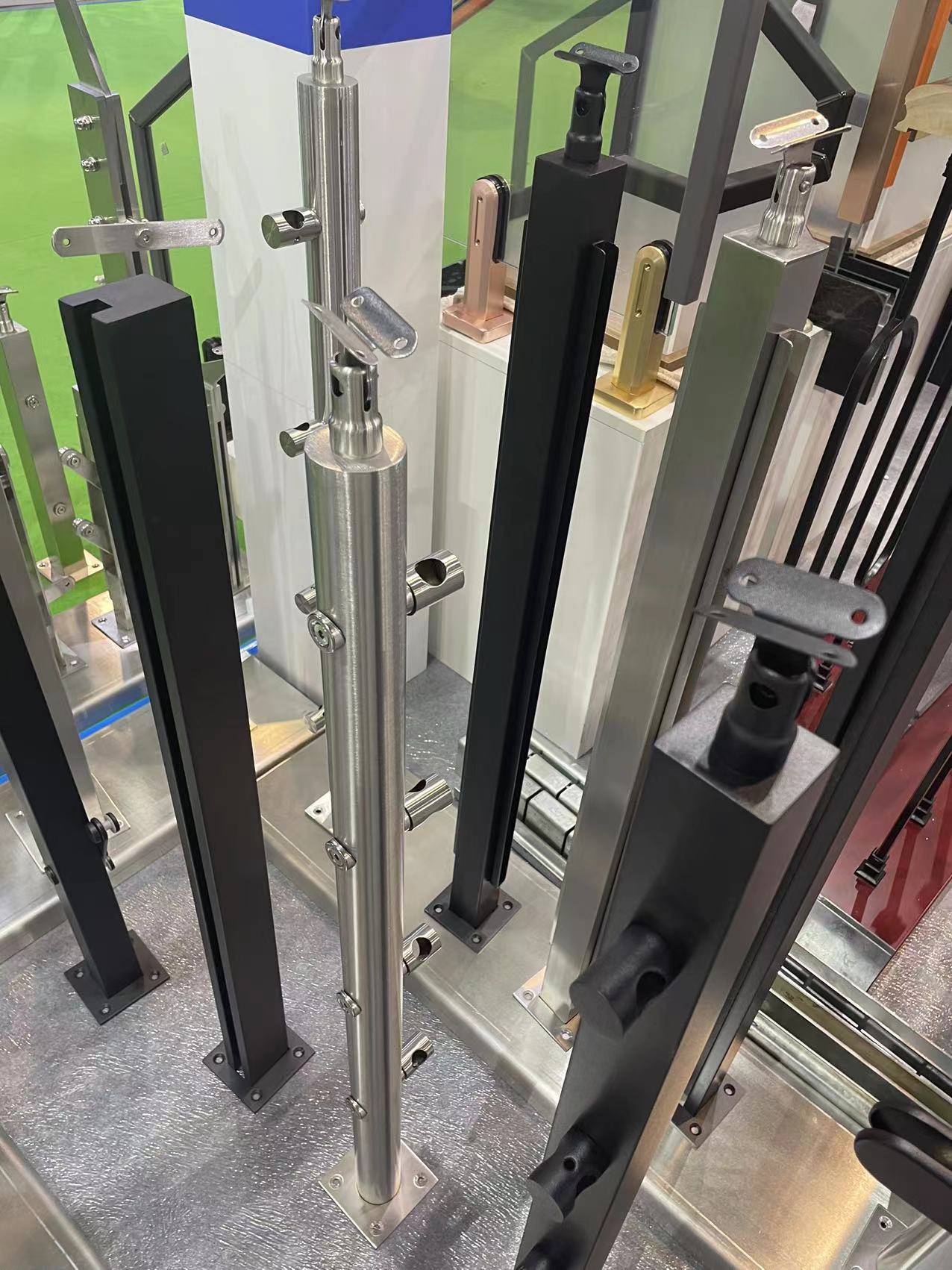
How Durable is Powder Coating on Railings?
Durability is the cornerstone of powder coating's reputation. But what does "durable" actually mean in measurable terms? We have conducted extensive accelerated testing and real-world exposure studies to provide you with concrete data:
- Impact Resistance: Our standard polyester-based powder coatings withstand 160 inch-pounds of reverse impact without cracking. This means a railing can endure the force of a falling branch or a person leaning heavily without chipping.
- Adhesion: Using the cross-hatch tape test (ASTM D3359), we consistently achieve a 5A rating—the highest possible. This indicates that the coating will not peel or flake, even under thermal cycling.
- Corrosion Creep: In salt spray chambers, our coatings show less than 1mm of underfilm corrosion after 1000 hours. For coastal installations, this translates to 15-20 years of maintenance-free service.
- Weathering: Florida and Arizona outdoor exposure tests (5 years) show gloss retention above 85% and color change within acceptable commercial standards (Delta E less than 2).
- Flexibility: The coating can bend with the metal up to a 3T radius without cracking, which is crucial for railings that undergo slight structural movements or thermal expansion.
At our factory, we routinely surpass these benchmarks by using premium TGIC-free polyester resins and optimized curing schedules. We also offer super-durable variants—such as FEVE-based and PVDF-based powders—that provide 30+ years of outdoor performance, especially in aggressive environments like marine or chemical plants. How do we achieve such high durability? Through meticulous control of every variable: powder chemistry, film thickness, curing temperature, and dwell time.
We have seen powder coated railings from our production line last over 25 years with minimal fading on high-rise balconies in Miami, and we have documentation of industrial handrails in Chicago that survived 15 brutal winters with zero rust. These real-world results far exceed theoretical estimates.
What is the Cost Comparison: Powder Coating vs. Traditional Finishes?
Cost is often the deciding factor, but the true cost must include the entire lifecycle. Let us break down the numbers with clarity and transparency.
| Cost Factor | Powder Coating | Liquid Paint (2-coat system) | Anodizing (for aluminum) |
| Initial Cost per sq. ft. | $2.50 - $4.00 | $1.50 - $3.00 | $3.00 - $5.00 |
| Average Service Life | 15 - 25 years | 3 - 7 years | 10 - 15 years |
| Repainting Frequency | Never (in most cases) | Every 5 years | Not applicable (repair is difficult) |
| Total Cost Over 20 Years (per sq. ft.) | $2.50 - $4.00 | $6.00 - $15.00 | $3.00 - $5.00 (but limited colors) |
| Labor for Recoating | $0 | $2.00 - $4.00 per repaint | Cannot recoat easily |
Our analysis shows that powder coating offers the lowest total cost of ownership. But there is another angle: downtime. For commercial properties, railings that are out of service for repainting represent lost revenue. Our powder coated railings never need to be taken offline. Moreover, our factory's efficient application process means we can coat railings in large batches, driving down the per-unit cost for bulk orders.
When clients ask "What is the best value for metal railing?", we always guide them through this cost-benefit matrix. Vionta Metal has helped numerous property developers save over 40% in maintenance budgets over a decade simply by switching from paint to powder. It is not an expense; it is an investment.
How to Maintain and Care for Your Powder Coated Railing?
One of the greatest advantages of powder coating is its low maintenance requirement. However, "low" does not mean "none." Proper care ensures your railing retains its showroom appearance for decades.
Routine Cleaning (Quarterly)
- Use a soft cloth or sponge with mild dish soap and warm water.
- Rinse thoroughly with clean water to remove soap residue.
- For stubborn dirt, use a non-abrasive automotive wash mitt.
- Avoid high-pressure washers, as they can force water behind the coating if there is any microscopic defect.
Spot Cleaning for Stains
- For bird droppings or tree sap, act quickly. Soak a cloth in warm soapy water and hold it over the spot for a few minutes to soften, then gently wipe.
- For grease or oil, use isopropyl alcohol on a soft cloth, then rinse with water.
- Never use paint thinners, acetone, or strong solvents—they can attack the polymer.
Inspection and Touch-Up
- Annually, inspect for scratches or nicks. If bare metal is exposed, clean the area and apply a touch-up aerosol powder coating (available from us) and cure with a heat gun as per instructions.
- For railings near salt water, rinse more frequently (monthly) to prevent salt buildup that can cause creep corrosion if the coating is compromised.
At Vionta Metal, we provide every client with a detailed care manual and offer a proprietary touch-up kit that matches the exact color and texture of your railing. Our after-sales support is just as important as the initial quality. We believe that a railing should be a source of pride, not a chore, and our maintenance protocols reflect that philosophy.
Frequently Asked Questions About Powder Coated Metal Railing
Here are the most common inquiries we receive from architects, contractors, and property owners about powder coated railings. Each answer is based on our 20+ years of hands-on experience at Vionta Metal.
Question 1: Can powder coating be applied to existing rusted railings without removing them?
Answer: No. Powder coating requires a pristine, conductive surface for the electrostatic charge to work and for proper adhesion. Rust, mill scale, or old paint must be completely removed via sandblasting or chemical stripping. The metal must then be pretreated and brought to bare, sound condition. While it is possible to powder coat existing railings off-site, it is not feasible to do so in place due to the need for oven curing. Our factory often receives old railings for refurbishment, and we strip them down to bare steel before applying a new powder coat. This process restores them to better-than-new condition.
Question 2: How long does powder coating last on exterior railings in harsh climates?
Answer: With proper application, our exterior powder coatings last 15 to 25 years in moderate climates, 10 to 15 years in severe coastal or industrial zones, and over 25 years in arid regions. The key variables are the powder formulation (we recommend super-durable polyester for coastal areas) and the quality of pretreatment. For instance, a railing we coated in 2008 for a beachfront property in Florida was inspected in 2023 and showed only minor gloss reduction—no rust, no peeling. That is the level of performance you can expect when you choose Vionta Metal.
Question 3: Is powder coating more expensive than painting?
Answer: The upfront cost of powder coating is typically 20-40% higher than a standard liquid paint system. However, when you calculate the total lifecycle cost—including repainting, labor, scaffolding, and downtime—powder coating is significantly cheaper. Over a 20-year span, powder coating saves an average of 40-50% compared to repainting with liquid paints every 3-5 years. Moreover, the enhanced durability reduces liability from safety issues caused by degraded railings. So, while the initial invoice is higher, the total investment is much lower.
Question 4: Can I get any color or finish I want for my powder coated railing?
Answer: Virtually yes. The RAL color system offers over 200 standard colors, and we also match custom colors from samples—including metallic, hammered, textured, and glitter finishes. Gloss levels range from 10% (ultra-matte) to 90% (high gloss). We have even produced railings with wood-grain effect using sublimation over powder coating. Our factory maintains a color library of over 500 formulations, so whether you need a muted taupe for a historical restoration or a vibrant red for a modern art installation, we can deliver. Lead time for custom colors is typically 5-7 business days.
Question 5: Is powder coating environmentally friendly?
Answer: Absolutely. Powder coatings contain no solvents and emit zero VOCs (volatile organic compounds). Overspray can be collected and recycled—our system reclaims up to 98% of the powder, which is then reused. There is no hazardous waste from solvents, and our pretreatment chemistries are heavy metal-free (no lead, chromium, or cadmium). Additionally, because powder coated railings last much longer, they reduce the frequency of replacement and the associated resource consumption. For green building certifications like LEED, powder coating contributes to points in Materials & Resources and Indoor Environmental Quality categories. We are proud that our factory operates with a closed-loop water recycling system and energy-efficient ovens, further reducing our environmental footprint.
Conclusion: Why Powder Coating is the Definitive Choice for Metal Railings
After exploring every facet of this technology, from the microscopic chemistry of cross-linking to the macroeconomic savings over decades, the answer to "What is powder coating railing?" is clear: it is the most advanced, reliable, and cost-effective method to protect and beautify metal structures. Whether you are a homeowner seeking a stunning deck railing, a contractor bidding on a high-rise curtain wall, or a facility manager responsible for miles of industrial handrails, powder coating delivers unmatched performance.
At Vionta Metal, our commitment goes beyond just applying powder. We engineer solutions. We consult on design to ensure optimal electrostatic coverage. We suggest the best powder type for your specific environment. We offer colors that inspire and textures that delight. Our factory is not just a production line; it is a center of excellence where every railing is a testament to our craft.
We invite you to experience the difference. Contact our team for a personalized consultation, request samples of our finishes, or schedule a factory tour to see the process firsthand. Let us help you choose the perfect powder coated railing that will stand strong, stay beautiful, and add lasting value to your property. Remember, when you choose Vionta Metal, you are not just buying a railing—you are investing in peace of mind.
Ready to elevate your project? Reach out today for a no-obligation quote and discover why thousands of customers trust us for their metal railing needs. From design to installation support, we are with you every step of the way.
Related News
- Why Stainless Cable Railing Shines in Winter?
- How Can a Snow Load Aluminum Pergola Deliver Reliable Year-Round Outdoor Protection
- What Awning Fabric and Frame Options Are Available?
- Is Glass Railing Safe for Balconies and Terraces?
- What Makes Stainless Steel the Ideal Material for Outdoor Railings?
- Are Jalousie Windows Easy to Break Into?
Leave me a message