how to paint stainless steel railings?
Learning how to paint stainless steel railings is a common request from homeowners, contractors, and commercial project managers who want to refresh appearance, match architectural themes, or extend service life. While stainless steel railings are known for corrosion resistance and durability, painting them requires a very specific approach. Without proper surface preparation and material selection, paint failure is almost guaranteed.
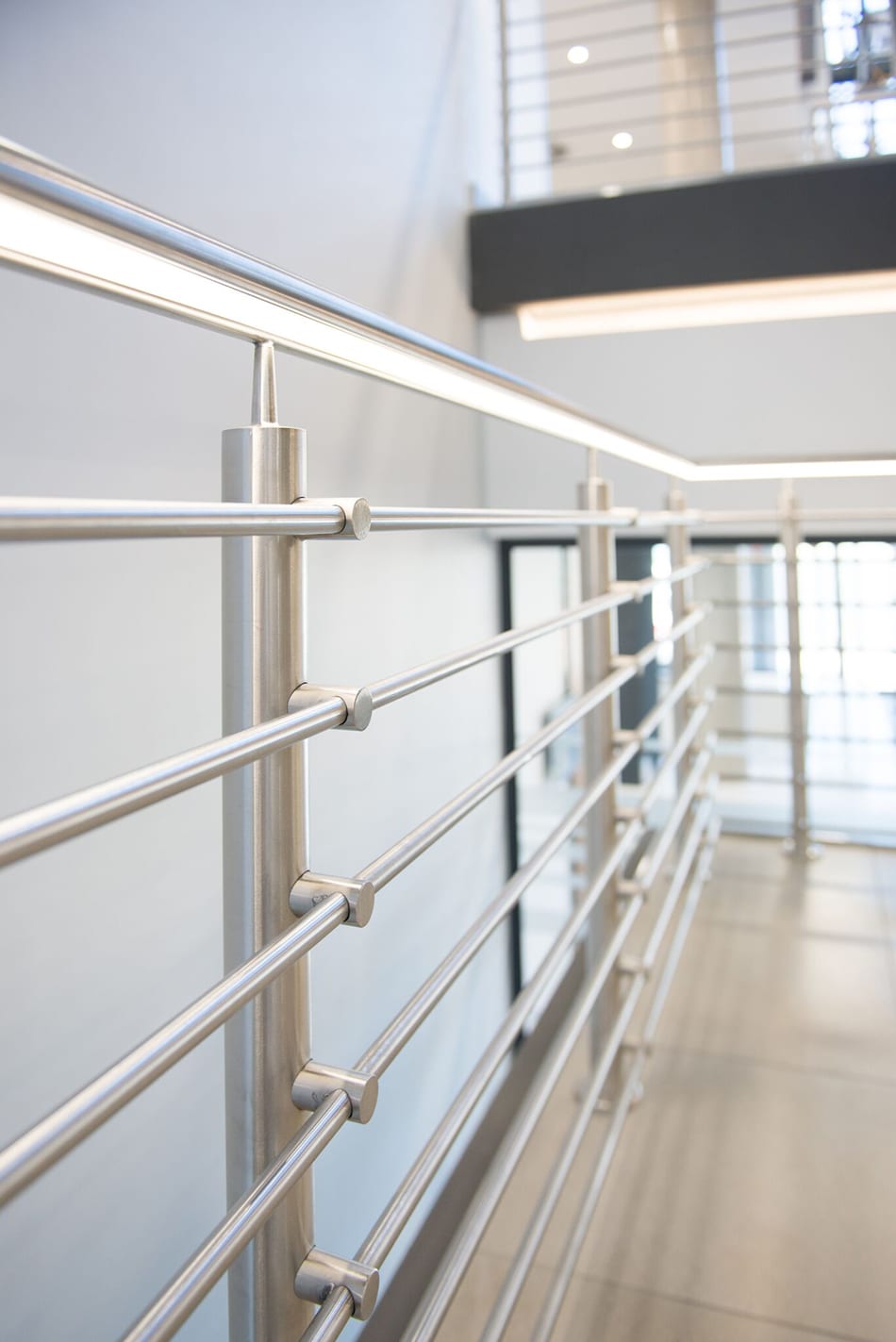
In practical projects involving stainless steel railings and Stainless Steel Balustrade systems, paint performance depends on understanding the metal surface, adhesion chemistry, and environmental exposure. At Vionta Metal, our factory works with stainless steel daily, supplying architectural railing systems for residential, multi-family, and commercial buildings. Through long-term manufacturing and project feedback, we have seen what works and what fails in real-world conditions.
This guide explains how to paint stainless steel railings step by step, details suitable coatings, and introduces professional product parameters to help you make informed decisions for both aesthetics and durability.
Table of Contents
- Why Paint Stainless Steel Railings at All?
- What Surface Preparation Is Required Before Painting?
- How to Paint Stainless Steel Railings Step by Step?
- What Are Our Stainless Steel Railing Product Parameters?
- Summary and Practical Takeaways
- FAQ
Why Paint Stainless Steel Railings Instead of Leaving Them Bare?
Many people ask why paint stainless steel railings when the material already offers corrosion resistance. The answer lies in design flexibility, environmental conditions, and long-term maintenance strategies.
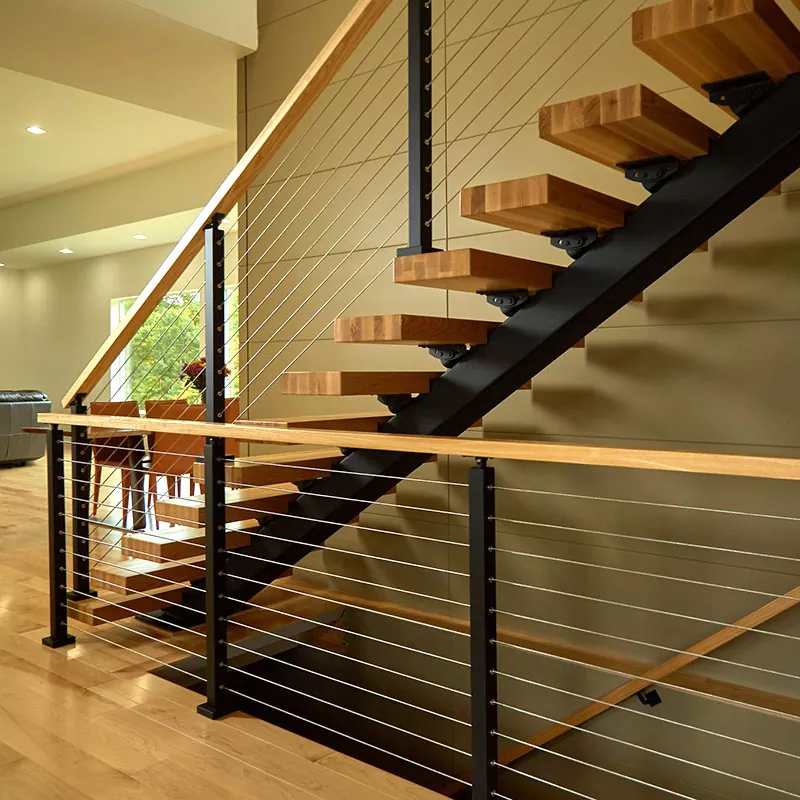
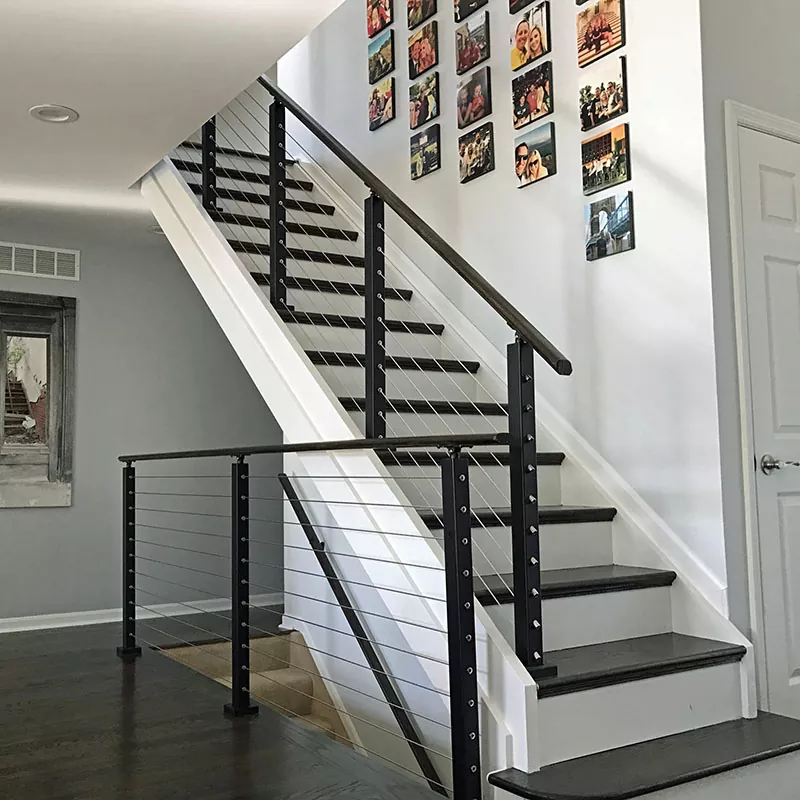
Stainless steel railings are often selected for their clean metallic appearance. However, in modern architecture, color coordination is increasingly important. Designers may want Stainless Steel Balustrade systems to visually align with window frames, facades, or outdoor furniture. Painting allows this customization without changing the core structural material.
Another reason is environmental exposure. In coastal areas, industrial zones, or regions with heavy pollution, painted stainless steel railings receive an extra layer of protection against surface staining and chloride buildup. While stainless steel resists rust, surface contamination can still affect appearance over time.
From our factory experience at Vionta Metal, painting is often chosen for:
- Commercial buildings requiring brand-aligned colors
- Residential projects seeking matte or low-reflective finishes
- Retrofits where railings must match updated exteriors
- Projects exposed to aggressive environments
Understanding why painting is selected helps determine how to paint stainless steel railings properly, avoiding shortcuts that lead to peeling or flaking.
What Surface Preparation Is Required Before Painting Stainless Steel Railings?
When discussing what preparation is needed before painting stainless steel railings, surface treatment is the most critical stage. Stainless steel has a naturally smooth, passive surface that resists paint adhesion unless properly conditioned.
The preparation process typically involves multiple steps:
- Thorough cleaning to remove oil, grease, and contaminants
- Mechanical abrasion to create surface profile
- Chemical treatment or primer application
- Environmental control before coating
Cleaning is the first step. Our factory emphasizes removing fingerprints, fabrication oils, and transportation residues. Solvent-based cleaners or degreasers are commonly used, followed by lint-free wiping.
Next comes abrasion. Light sanding or abrasive blasting creates micro-roughness that allows primers to mechanically bond. This step is essential when learning how to paint stainless steel railings for long-term durability.
Priming is equally important. Stainless steel requires a compatible primer designed for non-ferrous metals. Skipping primer is the most common cause of paint failure on Stainless Steel Balustrade systems.
At Vionta Metal, our factory often pre-treats railing components before coating to ensure consistent adhesion across all surfaces.
How to Paint Stainless Steel Railings Step by Step?
Understanding how to paint stainless steel railings requires a methodical approach. Rushing the process or skipping steps almost always leads to premature coating failure.
A professional step-by-step process includes:
- Inspect the stainless steel railings for defects
- Clean and degrease all surfaces
- Abrade the surface uniformly
- Apply a suitable metal primer
- Allow proper curing time
- Apply the topcoat in controlled conditions
- Inspect and touch up if necessary
Environmental conditions matter. Temperature, humidity, and dust control all affect results. Our factory advises painting Stainless Steel Balustrade systems in controlled environments whenever possible.
Coating selection is another key factor. Epoxy primers paired with polyurethane or powder coating top layers provide excellent performance. Powder coating, in particular, offers uniform thickness and strong adhesion when applied correctly.
At Vionta Metal, our factory supports both liquid painting and powder coating processes, depending on project requirements. Our experience shows that properly prepared stainless steel railings can maintain painted finishes for many years with minimal maintenance.
What Are Our Stainless Steel Railing Product Parameters?
Choosing the right base material is just as important as painting technique. Below are professional parameters commonly supplied by our factory.
| Material Grade | Stainless Steel 304 or 316 |
| Surface Finish Before Painting | Brushed or Sanded |
| Coating Options | Powder Coating or Liquid Paint |
| Standard Railing Height | 36 to 42 inches |
| Application Areas | Balconies, Stairs, Decks |
| Customization | OEM and ODM Available |
Our factory designs stainless steel railings and Stainless Steel Balustrade systems to accommodate coatings without compromising structural integrity. Vionta Metal supplies products that meet both aesthetic and safety expectations across global markets.
Summary and Practical Takeaways
So, how to paint stainless steel railings successfully comes down to preparation, compatible materials, and disciplined execution. Painting is not about hiding stainless steel but enhancing its performance and design flexibility.
From surface preparation to coating selection, every step matters. Our experience shows that when stainless steel railings are properly prepared and painted, they deliver long-term value and consistent appearance.
At Vionta Metal, our factory supports customized railing solutions for residential and commercial projects. If you are planning a painted Stainless Steel Balustrade system, professional guidance from design to production makes a measurable difference.
Contact our team today to discuss your project requirements, coating options, and customization needs. Our experience and manufacturing capability help turn design ideas into reliable finished products.
FAQ
Q1: How to paint stainless steel railings without peeling?
A: Proper cleaning, abrasion, and the use of a compatible primer are essential to ensure long-term adhesion.
Q2: Why does paint fail on stainless steel railings?
A: Paint failure usually occurs due to insufficient surface preparation or skipping the primer stage.
Q3: How should Stainless Steel Balustrade systems be prepared for painting?
A: They should be degreased, uniformly abraded, primed, and coated under controlled conditions.
Q4: What paint type works best on stainless steel railings?
A: Epoxy primers with polyurethane or powder coating top layers offer excellent durability.
Q5: How long does painted stainless steel railing last?
A: With proper preparation and coating, painted systems can perform well for many years with minimal maintenance.
Related News
- Are Jalousie Windows Easy to Break Into?
- Is Stainless Steel Glass Railing Safe?
- How waterproof is an aluminum louvered pergola during heavy rain, and how should its drainage capacity be tested?
- How Strong Is Aluminum Railing Compared With Steel Railing?
- How to Choose Metal Railing for Residential and Commercial Projects
- How To Remove Hard Water Stains From Glass Railings?
Leave me a message