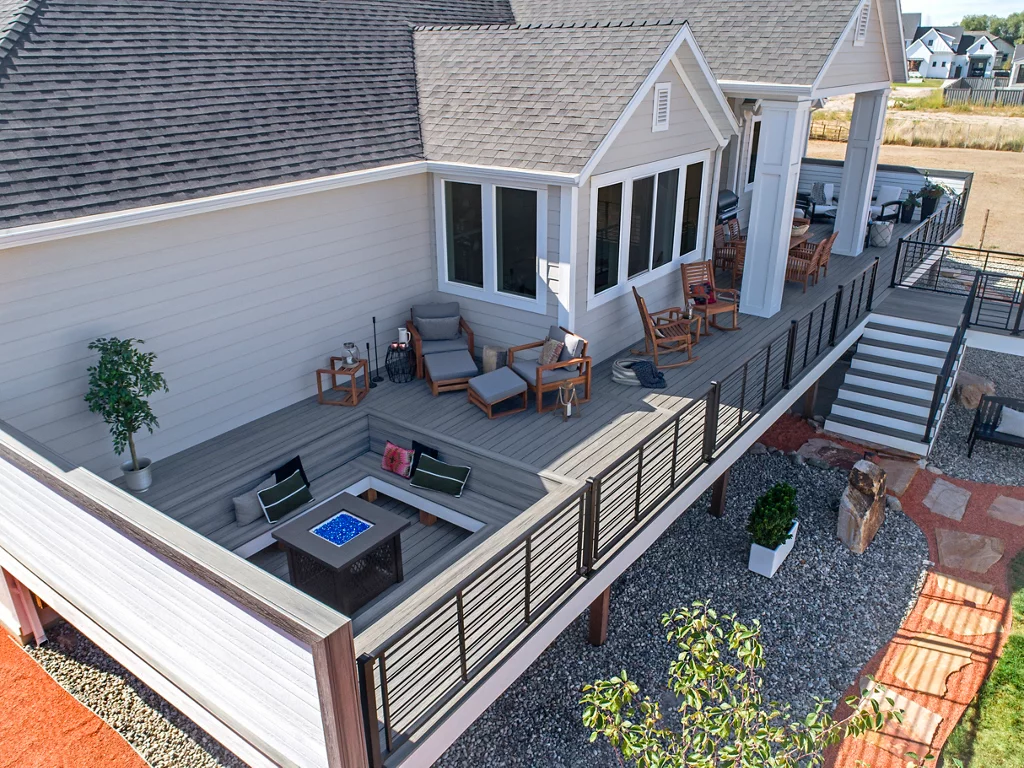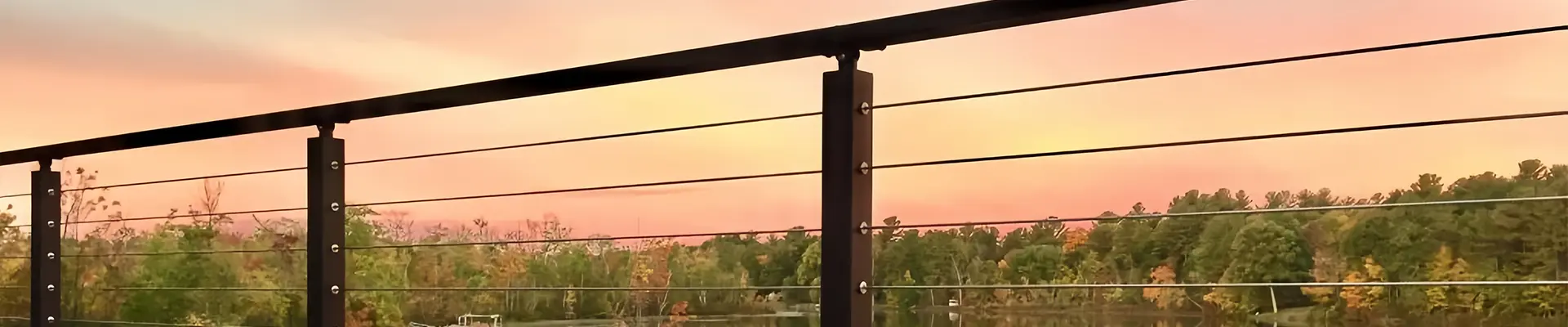
Why is Metal Railing an Indispensable 'Safety Barrier'?
Contents of This Guide
- What Defines a Modern Metal Railing System?
- Why is Metal the Non-Negotiable Material for Safety Railings?
- How Does Engineering and Fabrication Create True Safety?
- What Are the Key Parameters and Specifications for Metal Railing?
- What Are the Best Practices for Installation and Lifelong Maintenance?
- Conclusion: The Unseen Value of a Critical Barrier
- Frequently Asked Questions (FAQ) on Metal Railing Safety
What Defines a Modern Metal Railing System?
A modern metal railing is a meticulously engineered assembly, not a simple collection of pipes and posts. It is a system designed to withstand specific loads—both downward (live loads from people leaning) and outward (concentrated loads from potential impacts)—while providing a psychological and physical barrier. At its core, a complete system comprises several interdependent components, each playing a vital role in the overall structural integrity. Understanding this system is the first step in appreciating its indispensability.
Core System Components:
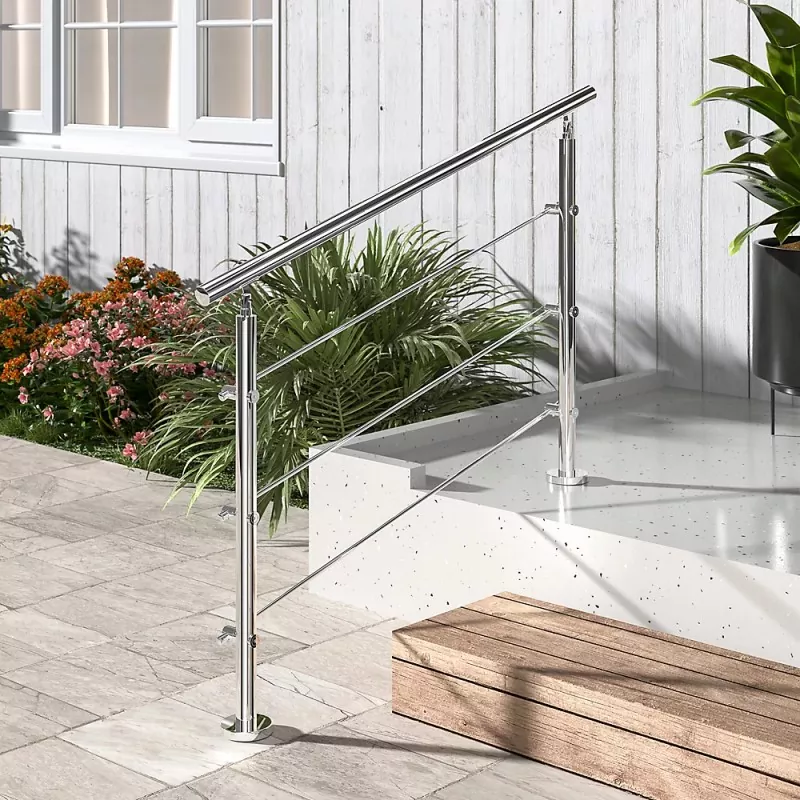
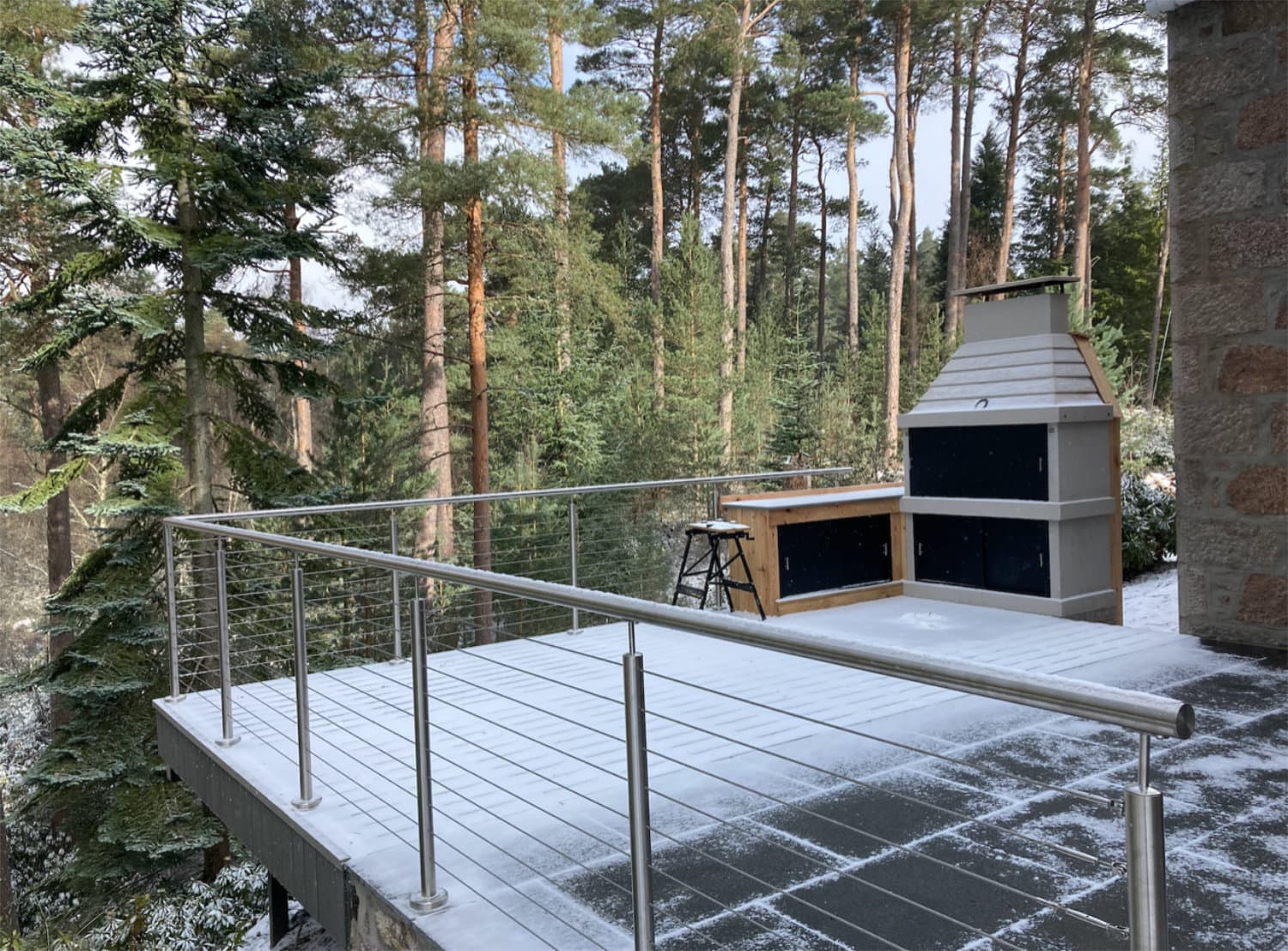
- Top Rail and Intermediate Rails: The horizontal elements that provide the primary grasping and containment surface. The top rail must be continuous and shaped for a secure handhold.
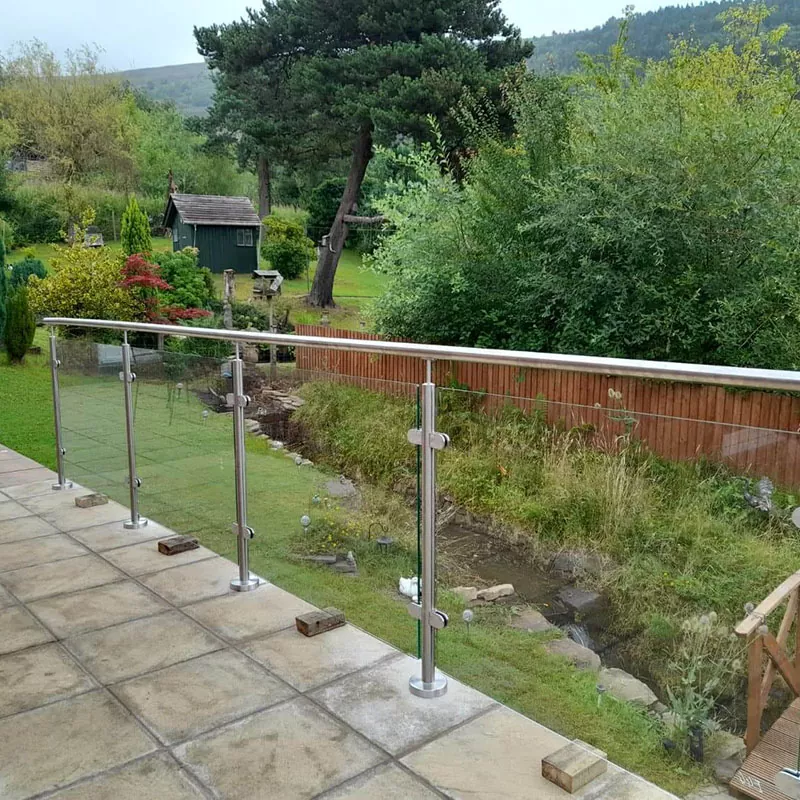
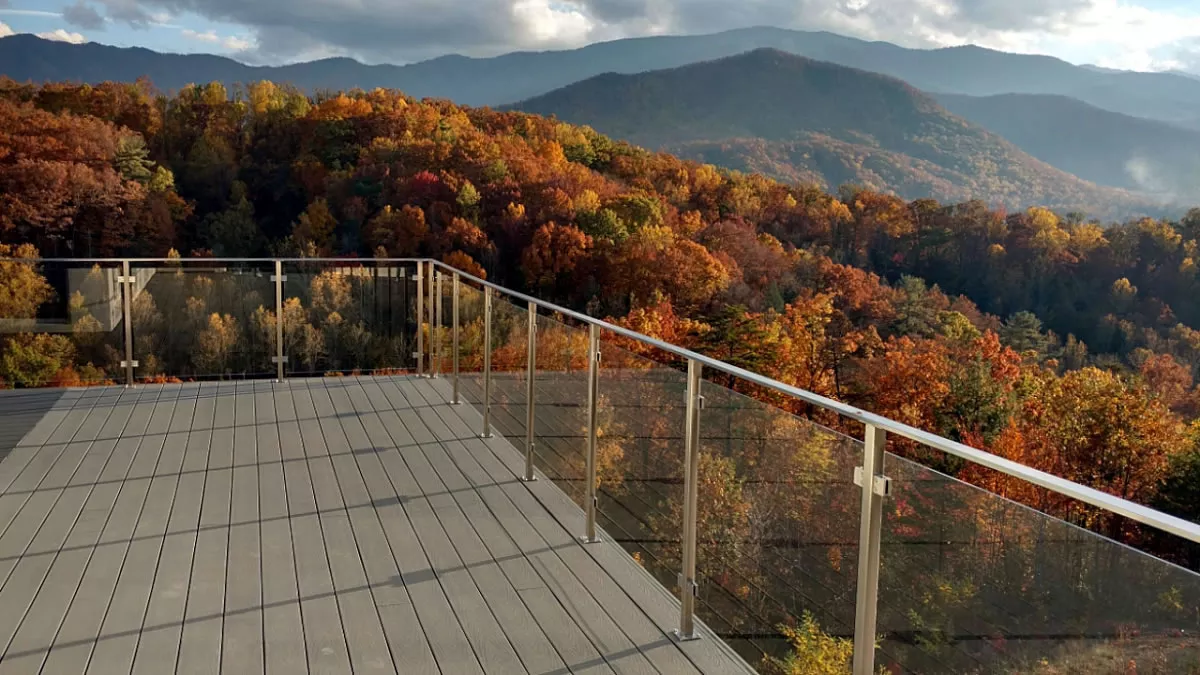
- Balusters/Infills: The vertical or patterned elements between the rails. Their primary function is to prevent the passage of a sphere (typically a 4" diameter code-mandated sphere) to stop small children from slipping through, while also contributing to lateral strength. Infills can be glass panels, metal mesh, or ornamental forgings.
- Posts (Newels): The major vertical supports, typically at corners, ends, and at regular intervals. These are the backbone of the system, transferring all applied loads down to the building structure or foundation. The robustness of posts is a critical focus in our fabrication process.
- Connections and Fasteners: Often the most critical yet overlooked part. How rails connect to posts, and how posts anchor to the floor, determines the system's ultimate strength. Welded, mechanical, or cast fittings must be designed to resist pull-out, shear, and moment forces.
- Finish: More than just aesthetics, the finish (powder coating, hot-dip galvanizing, anodizing) is the shield against environmental degradation, ensuring the structural metal beneath remains sound for decades.
When we at Vionta Metal design a metal railing system, we view it as a holistic safety entity. Every weld, every connection detail, and every material specification is calculated based on the intended use and location. For instance, a metal railing on a seaside promenade faces different challenges than one in a heated indoor atrium. Our engineering accounts for wind loads, corrosion potential, thermal expansion, and anticipated human traffic. This systems-thinking approach is what separates a code-compliant barrier from an exceptional, long-life safety asset. The goal of our factory is to produce metal railing that architects specify with confidence and building owners trust implicitly.
Why is Metal the Non-Negotiable Material for Safety Railings?
The choice of material is the foundational safety decision. While wood, glass, and composites have their places in design, metal—specifically steel and aluminum—remains the unequivocal leader for primary load-bearing safety structures. Its indispensability is rooted in a combination of physical properties and performance characteristics that alternative materials cannot collectively match.
- Superior Strength and Stiffness: Metals have an unparalleled strength-to-weight ratio. Steel, in particular, offers exceptional yield strength, meaning it can withstand tremendous force before it begins to deform permanently. This is critical for a safety barrier that must contain a falling person or resist crowd pressure without giving way. Aluminum, while lighter, provides excellent strength when alloyed and properly engineered, which is a specialty of our team at Vionta Metal.
- Predictable and Ductile Behavior: In an overload event, high-quality steel demonstrates ductility—it will bend and deform visibly before fracturing, providing warning signs of failure. This is a vital safety characteristic. Brittle materials can fail catastrophically without warning. Our quality control ensures the metals we use exhibit this predictable, ductile behavior.
- Long-Term Durability and Fire Resistance: Properly finished metal railing is virtually impervious to rot, insect damage, and UV degradation. It does not warp or shrink over time. Moreover, steel is non-combustible, maintaining its structural integrity far longer than organic materials in a fire, which can be a critical lifesaving feature in emergency egress stairwells.
- Design Versatility and Fabrication Precision: Metal can be formed, welded, bent, and machined into an infinite variety of shapes and designs—from minimalist modern lines to intricate historical reproductions. This allows the metal railing to meet exact architectural visions without compromising safety. Our factory utilizes state-of-the-art CNC cutting and welding to achieve this precision consistently.
- Lifecycle Cost-Effectiveness: While the initial material cost for a premium metal railing may be higher than some alternatives, its lifecycle cost is typically lower. It requires minimal maintenance (unlike wood that needs regular staining), has a vastly longer service life (often 50+ years), and does not need replacement due to material decay. This makes it a sustainable and economically wise investment.
In our two decades of experience, we have seen projects where material compromise led to premature failure, safety concerns, and costly replacements. The metal railing, when executed correctly from the start, eliminates these risks. It provides a permanent, reliable solution. This is why, for any application where life safety is paramount—be it a high-rise terrace, a public bridge, or an industrial catwalk—the specification of a properly engineered metal railing is not just a best practice; it is an ethical imperative in design and construction.
How Does Engineering and Fabrication Create True Safety?
Safety is not an inherent property of the metal itself; it is engineered into the system through calculated design and controlled fabrication. A piece of steel tube is not safe until it is part of a correctly designed assembly. The engineering process transforms raw material into a reliable safety barrier.
The Engineering Workflow at Vionta Metal:
- Load Analysis and Code Compliance: Every project starts with defining the loads. We reference and often exceed building codes like IBC, OSHA, and EN standards, which specify minimum concentrated loads (e.g., 200 lbs applied in any direction) and uniform live loads for railings. For unique applications—like stadiums or industrial plants—we perform more advanced structural analysis to account for dynamic or unusual forces.
-
Connection Design – The Critical Link: The weakest point in any railing system is typically the connection. We dedicate immense engineering effort to designing connections that are not just strong, but also constructible and inspectable. This includes:
- Post Base Details: Designing anchor bolt patterns, embedment depths, or steel base plates that resist overturning moments.
- Rail-to-Post Connections: Using full-penetration welds, through-bolting with internal reinforcing sleeves, or proprietary cast connectors that lock components together.
- Baluster Attachment: Ensuring infill members are securely welded or fastened at both top and bottom to prevent rotation or dislodgement.
- Material Selection and Specification: Based on the environment, we specify the appropriate material grade and finish. For high-corrosion environments, we might specify 316 stainless steel or hot-dip galvanized carbon steel with a powder coat topcoat. Our knowledge of material science ensures the metal railing will endure its specific microenvironment.
- Fabrication with Precision and Consistency: Engineering drawings become reality in our factory. We use jigs and fixtures to ensure every cut, drill, and weld is performed identically for every section of railing. Consistent quality is the hallmark of a safe product. Automated welding and precise mitering are standard in our processes.
- Quality Assurance and Testing: Before any metal railing leaves our facility, it undergoes stringent checks. This includes visual weld inspection, dimensional verification, and, for select projects, non-destructive testing. We can also provide calculations and test reports to verify compliance.
This rigorous, multi-stage process is what we at Vionta Metal believe separates a true safety product from a mere architectural accessory. The integrity of our metal railing is baked in at every step, from the initial software model to the final crate. When you specify a Vionta Metal railing, you are not just buying components; you are investing in a certified engineering process with a singular outcome: predictable, fail-safe performance for the life of the building.
What Are the Key Parameters and Specifications for Metal Railing?
Selecting or specifying metal railing requires a clear understanding of the technical parameters that govern its performance. These specifications are the language of safety, ensuring all parties—architect, engineer, fabricator, and installer—are aligned on the required outcome. Below, we detail the critical parameters, differentiating between common code minimums and the enhanced specifications often provided by Vionta Metal for premium projects.
Standard Building Code Parameters for Metal Railing
| Parameter | Typical Code Requirement (e.g., IBC/OSHA) | Purpose and Implication |
| Height | 42" for commercial, 36" for residential (above walking surface). | Prevents a person's center of gravity from tipping over the top. |
| Load Resistance (Concentrated) | 200 lbs applied in any direction at any point on the top rail. | Simulates a person falling against or pushing on the railing. |
| Load Resistance (Uniform) | 50 lbs per linear foot applied to the top rail. | Accounts for distributed pressure, such as from a crowd leaning. |
| Infill Sphere Rule | A 4" sphere cannot pass through any opening. | Prevents young children from slipping through or getting stuck. |
| Mid-Rail Requirement | Often required when there is no solid infill; placed midway. | Provides an intermediate barrier to prevent climbing and contain objects. |
Vionta Metal Enhanced Technical Specifications
| Component | Our Standard Material & Dimension Specifications | Performance Notes |
| Top/Hand Rail | Schedule 40 Pipe (1.5" to 2" OD) or custom structural tube. Type 304/316 Stainless, ASTM A500 Carbon Steel, Aluminum Alloy 6061-T6. | We often upsize from minimums for a more robust feel and higher safety factor. Seamless finish for continuous hand comfort. |
| Posts (Newels) | Heavy-wall square or round HSS (Hollow Structural Section). Sizes from 2x2" to 4x4" with wall thickness from 0.125" to 0.25". | Posts are the primary load bearers. We engineer post size and wall thickness based on span and load, always exceeding code minimums. |
| Balusters/Infills | 1/2" to 3/4" solid bar, or 1" square tube at maximum 4" on-center spacing. Tempered glass panels (12mm min.) with stainless steel clamps. | We calculate baluster spacing for both code compliance and aesthetic harmony. Glass infill systems use engineered clamping hardware. |
| Primary Connections | Full-penetration welds (ground smooth) or internal mechanical locking systems. Anchor bases: 4-bolt minimum pattern with 1/2" diameter anchor bolts. | Connection strength is our obsession. We provide detailed anchor bolt templates and torque specifications with every project. |
| Standard Finishes | Powder Coat: 3-4 mils DFT, polyester/polyurethane. Hot-Dip Galvanize: ASTM A123. Stainless: #4 Brushed or Mirror Polish. | Our finishes are applied in controlled environments. We offer extensive color matching and warranty-backed coating systems. |
These parameters are the blueprint for safety. At Vionta Metal, we don't just meet the table on the left; we aim to fulfill and exceed the specifications in the table on the right. This commitment to enhanced parameters is what defines our product as a premium metal railing solution. It provides architects and engineers with the confidence that the installed system will perform not just at the baseline, but with a significant margin of safety for decades, adapting to unforeseen stresses without compromise.
What Are the Best Practices for Installation and Lifelong Maintenance?
The finest fabricated metal railing can be rendered unsafe by poor installation. Conversely, a well-installed system with a simple maintenance regimen will deliver a century of service. Our role extends beyond fabrication; we provide comprehensive support to ensure our product performs as designed in the field.
The Vionta Metal Installation Philosophy: Proper installation is about transferring the engineered loads from the railing system into the building structure securely. It is the final, critical step in the safety chain.
-
Pre-Installation Verification:
- Substrate Verification: The floor edge or structure where posts will anchor must be sound and of adequate strength (e.g., concrete with minimum compressive strength, properly reinforced slab edge).
- Anchor Bolt Embedment: For concrete, anchors must be installed at the correct embedment depth and into solid material (not just into a thin topping slab). We provide explicit instructions for this.
- Layout and Alignment: Precise location of posts is critical for proper rail alignment and visual quality. Using our provided templates and layout diagrams is essential.
-
Critical Installation Steps:
- Secure Post Bases First: Posts must be plumb in two directions and anchored securely before any rails are attached. Use a torque wrench to achieve specified bolt tension.
- Dry-Fit Rails and Infill: Assemble sections on the ground if possible to check fit before final welding or bolting.
- Final Connection: Execute the specified connection method (welding, bolting) with the proper technique. For welds, use the correct filler material and protect adjacent finishes from spatter.
- Inspect as You Go: Continuously check for plumb, level, and alignment throughout the process.
-
Proactive, Long-Term Maintenance Schedule:
- Bi-Annual Visual Inspection: Look for signs of damage, impact, loose fasteners, or unusual movement. Check for any cracking or bubbling in the finish, which could indicate corrosion beneath.
- Annual Tightness Check: Go over all accessible bolts and mechanical fasteners to ensure they haven't loosened due to vibration or thermal cycling.
- Finish Care: Clean powder-coated or anodized surfaces with mild soap and water. Avoid abrasive cleaners. For stainless steel, use cleaners designed for stainless to maintain the passive oxide layer.
- Post-Event Inspection: After any seismic event, major impact, or extreme weather, the metal railing should be inspected by a professional for hidden damage or shifted anchors.
We provide detailed Installation and Maintenance (I&M) manuals with every major project. This commitment to the full lifecycle of our metal railing products underscores our philosophy at Vionta Metal: our responsibility does not end when the product leaves our dock. We are partners in ensuring enduring safety. By following these best practices, the initial investment in a high-quality Vionta Metal railing yields exponential returns in safety, aesthetics, and value preservation for the property.
Conclusion: The Unseen Value of a Critical Barrier
The metal railing stands as a silent, steadfast guardian in our built environment. Its indispensability is woven from threads of material science, structural engineering, manufacturing precision, and installation integrity. It is a product where failure is not an option, and therefore, where compromise cannot be tolerated. Choosing a metal railing is not merely a design or procurement decision; it is a commitment to the safety and well-being of every person who will interact with that space for generations.
At Vionta Metal, we have built our reputation over twenty years on this very principle. We understand that our metal railing systems are more than architectural features; they are life-safety devices. This understanding informs every calculation our engineers run, every weld our fabricators make, and every specification sheet we provide. We invite you to look beyond the basic code requirements and consider the long-term value, security, and peace of mind that a truly engineered safety barrier provides.
Engineer Safety with Confidence
Ready to specify a metal railing system that combines uncompromising safety with architectural excellence? The experts at Vionta Metal are here to partner with you. From conceptual design support and load calculations to custom fabrication and technical documentation, we provide an end-to-end solution for your most critical barrier requirements.
Contact Vionta Metal today for a detailed consultation, project-specific specifications, and a quote on premium metal railing that defines the standard for indispensable safety.
Frequently Asked Questions (FAQ) on Metal Railing Safety
Why is metal railing considered safer than wood or vinyl for high-traffic or commercial areas?
Metal railing offers inherent structural properties that wood and vinyl cannot match. It has far higher tensile and yield strength, providing greater resistance to impact and sustained loads. It does not rot, warp, or become brittle with UV exposure, ensuring long-term dimensional stability and connection integrity. In a fire, metal (especially steel) will not combust, maintaining egress path safety. For environments with high public use, variable weather, or where long-term reliability is critical, the durability and predictable performance of metal make it the unequivocally safer choice.
How do building codes determine the required strength (load) for a metal railing?
Building codes like the International Building Code (IBC) in the US are informed by research, historical data, and engineering principles to establish minimum safety loads. The common requirement for a concentrated load of 200 lbs applied in any direction simulates the force of an adult person falling against or pushing on the railing. The uniform load of 50 lbs per linear foot accounts for crowd pressure. These are considered the baseline for life safety. Engineering firms and quality fabricators like Vionta Metal often design to a higher factor of safety (e.g., 2 or 3 times the code load) to account for dynamic forces, material variances, and an extra margin of security.
What is the difference between aluminum and steel railing in terms of safety and application?
Both are excellent safety materials when engineered correctly. Steel has higher ultimate strength and stiffness, making it ideal for applications with very long spans, high load requirements, or where minimal deflection is critical (e.g., industrial guardrails). It is generally more cost-effective for heavy-duty work. Aluminum is about one-third the weight of steel, has excellent natural corrosion resistance (especially in coastal areas), and is easier to form into complex shapes. Its strength is achieved through alloying and larger section sizes. For most architectural applications—balconies, staircases, public ramps—properly engineered aluminum railing from a supplier like Vionta Metal provides ample strength with advantages in weight, corrosion resistance, and finish options.
How important is the welding quality on a metal railing for its overall safety?
Welding quality is paramount. The welds are the "glue" that holds the load-bearing connections together. A poor weld—with lack of penetration, undercut, or porosity—creates a critical weak point that can fail under load, potentially causing a catastrophic collapse of the railing section. At Vionta Metal, we treat welding as a controlled, inspected process. Our welders are certified, we use procedures qualified for the specific materials, and critical welds are often visually and dimensionally inspected. The consistency and quality of our welds are a primary reason our metal railing systems deliver such reliable long-term performance.
Can existing metal railings be retrofitted or reinforced to meet modern safety codes?
Yes, in many cases. A professional assessment is required first. Common retrofits include: adding a second handrail to achieve proper height, installing additional balusters or infill panels to correct excessive spacing, reinforcing or replacing undersized posts with new ones, and upgrading post anchor connections with epoxy anchor bolts or through-bolt plates. It is crucial that any retrofit be designed and executed by qualified professionals who understand load paths. Vionta Metal often provides engineering evaluation and custom fabrication services for such upgrade projects, ensuring the modified system is as safe as a new one.
What are the most common causes of metal railing failure, and how can they be prevented?
The most common failures are not material failures, but connection failures. This includes: anchor bolts pulling out of weak concrete, rust-weakened post bases at grade level, and failed welds at rail-to-post joints. Prevention starts with proper design: specifying adequate anchors for the substrate, using corrosion-resistant details (e.g., keeping steel out of constant moisture), and ensuring weld quality. It is sustained by proper installation (correct embedment, torque) and routine maintenance (checking for looseness, corrosion, or damage). Specifying a complete system from an experienced fabricator like Vionta Metal, which includes engineered connection details and support, is the most effective preventative measure.
Why does Vionta Metal emphasize the post and base connection so heavily in their designs?
Because all safety begins at the foundation. The posts are the pillars that transfer every pound of force from the railing down into the building structure. If the post base connection fails, the entire railing section can detach, regardless of how strong the rails or balusters are. We emphasize this because it is the single most frequent point of failure in poorly designed or installed systems. Our designs often feature oversized base plates, multiple anchor bolts, and details that lift the metal slightly off the deck to prevent water pooling and corrosion. This focus on the "first point of load transfer" is a core tenet of our engineering philosophy for creating truly indispensable metal railing safety barriers.
How do I choose between powder coating and hot-dip galvanizing for an exterior metal railing?
The choice depends on the environment and desired lifespan. Hot-Dip Galvanizing (HDG) provides a metallurgically bonded zinc coating that offers superior, long-term corrosion protection through sacrificial action, even if scratched. It's ideal for harsh environments (coastal, industrial, high-humidity) or where minimal maintenance is desired. The finish is a matte gray spangle. Powder Coating provides a vast range of colors and a smoother, more architectural finish. For maximum durability outdoors, we at Vionta Metal often recommend a hybrid system: HDG for the base corrosion protection, followed by a powder coat for color and added UV/chemical resistance. This dual-system can provide a maintenance-free life of 50+ years in most environments.
Related News
- Are Jalousie Windows Easy to Break Into?
- Is Stainless Steel Glass Railing Safe?
- How waterproof is an aluminum louvered pergola during heavy rain, and how should its drainage capacity be tested?
- How Strong Is Aluminum Railing Compared With Steel Railing?
- How to Choose Metal Railing for Residential and Commercial Projects
- How To Remove Hard Water Stains From Glass Railings?
Leave me a message