How far apart should cable railing be for deck?
Introduction: How Far Apart Should Cable Railing Be for Deck Projects?
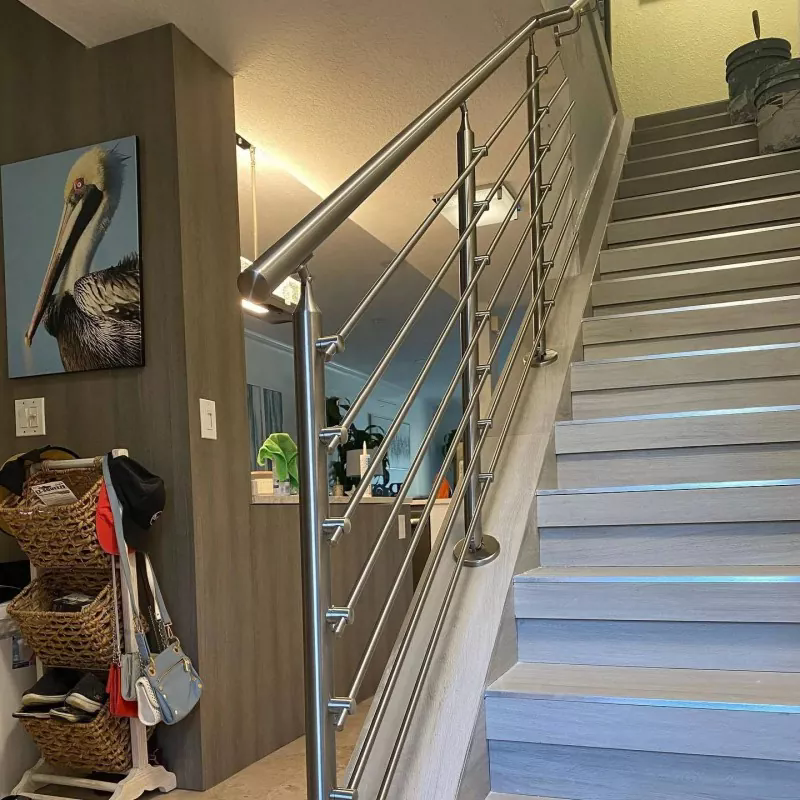
When homeowners, builders, and architects ask how far apart should cable railing be for deck installations, they are really asking about safety, compliance, durability, and long-term value. Cable railing has become one of the most requested modern deck railing systems in North America because it offers clean sightlines, strong structural performance, and compatibility with both residential and commercial decks.
From coastal homes to mountain cabins, our experience working with cable railing and deck railing systems shows that spacing decisions directly affect safety inspections, user confidence, and maintenance costs over time. At Vionta Metal, our factory has supported global projects for years, helping buyers balance building codes with design freedom while keeping installation practical.
This guide explains spacing requirements in depth, references commonly adopted North American standards, and breaks down our product parameters in a professional, contractor-friendly format. If you are planning a new deck railing system or upgrading an existing one, understanding spacing is the foundation of a compliant and visually appealing result.
Table of Contents
- What Building Codes Define Cable Railing Spacing for Deck?
- Why Does Cable Railing Spacing Matter for Deck Safety?
- How Should Cable Railing Be Measured and Installed on a Deck?
- What Are Our Cable Railing Product Parameters?
- Summary and Practical Takeaways
- FAQ
What Building Codes Define Cable Railing Spacing for Deck?
Understanding how far apart should cable railing be for deck construction starts with building codes. In most U.S. and Canadian jurisdictions, deck railing systems follow the International Residential Code or International Building Code, which establish performance-based safety rules rather than prescribing decorative design.
The most critical requirement affecting cable railing spacing is the four-inch sphere rule. This rule states that a four-inch diameter sphere must not be able to pass through any opening in a guardrail. Cable railing systems, while horizontal and flexible, are still subject to this rule once installed and tensioned.
From a practical standpoint, this means spacing between horizontal cables is usually set between three inches and three and one quarter inches. Our factory typically recommends a maximum on-center spacing of three inches for residential deck railing projects to provide an additional safety margin under load.
Code interpretation also depends on whether the deck railing is residential or commercial. Commercial projects often require stricter inspection standards and closer cable spacing to account for higher occupancy and public safety expectations. Vionta Metal works closely with buyers to confirm local enforcement preferences before production.

Common code-driven spacing considerations include:
- Maximum opening size under load must not exceed four inches
- Top rail height typically thirty-six to forty-two inches depending on application
- Intermediate posts usually spaced no more than four feet apart to limit cable deflection
- Cable diameter and material strength influence final spacing decisions
In regions with child safety emphasis, inspectors may push for tighter spacing even if calculations technically pass. That is why our team always advises confirming requirements with the local authority having jurisdiction before finalizing a deck railing layout.
Why Does Cable Railing Spacing Matter for Deck Safety?
Many people focus on aesthetics when choosing cable railing, but spacing is primarily about safety. Asking why should cable railing spacing be carefully controlled on a deck railing system leads directly to liability, durability, and user trust.
Horizontal cable railing behaves differently from vertical balusters. Cables can deflect when pressure is applied, especially over long spans. Even if the initial spacing appears compliant, poor tensioning or wide post spacing can allow openings to exceed limits under load.
Our experience at Vionta Metal shows that properly engineered spacing reduces:
- Risk of children slipping through or climbing
- Inspector rejection during final approval
- Long-term maintenance caused by cable sag
- Legal exposure for builders and property owners
Another often overlooked factor is deck movement. Wood decks expand, contract, and shift over time. If cable railing spacing is already at the maximum limit, seasonal movement can push the system out of compliance. This is why our factory recommends conservative spacing combined with high-tensile stainless steel cables.
From a user perspective, tight and uniform spacing also improves perceived quality. A deck railing that feels rigid and secure adds value to the property and reinforces confidence in the overall structure. That emotional response matters just as much as code compliance.
For coastal or high-wind environments, closer spacing combined with reinforced posts helps maintain alignment. Our factory designs systems with environmental stress in mind, ensuring cable railing performance remains stable over years of exposure.
How Should Cable Railing Be Measured and Installed on a Deck?
Once you understand how far apart should cable railing be for deck projects, the next question becomes installation accuracy. Even the best materials fail if measurements are inconsistent.
Proper measurement begins with post layout. Our recommended process includes:
- Confirm deck railing height requirement
- Set post spacing, typically three to four feet
- Mark cable hole locations evenly from top to bottom
- Allow clearance from top and bottom rails to avoid stress points
Uniform vertical spacing is critical. Inconsistent spacing not only looks unprofessional but can also trigger inspection issues. Our factory pre-drills posts or provides drilling templates to ensure consistent results on site.
Cable diameter also affects spacing. Thicker cables deflect less but require stronger fittings. Our factory commonly supplies one eighth inch and three sixteenth inch stainless steel cables, both suitable for deck railing systems when spaced correctly.
Tensioning is equally important. Cable railing should be tensioned gradually and evenly across the entire deck railing run. Over-tensioning can damage posts, while under-tensioning compromises safety. Our hardware systems are designed for controlled adjustment, allowing installers to fine-tune performance after installation.
At Vionta Metal, our factory packages each system with clear layout guidelines based on project type. This approach reduces installation time and ensures spacing remains consistent from the first post to the last.
What Are Our Cable Railing Product Parameters?
Choosing the right cable railing system involves more than spacing alone. Below is a professional overview of our commonly supplied parameters, developed through years of manufacturing experience.
| Cable Material | Stainless Steel 304 or 316 |
| Cable Diameter | 1/8 inch, 3/16 inch |
| Recommended Cable Spacing | 3 inches on center |
| Post Material | Aluminum or Stainless Steel |
| Post Spacing | Up to 4 feet |
| Surface Finish | Powder Coated or Brushed |
Our factory designs every deck railing system to integrate seamlessly with modern architecture. At Vionta Metal, we manufacture components that support both residential and commercial cable railing applications without compromising safety.
By combining precision-drilled posts, tested hardware, and consistent spacing guidance, our systems help installers achieve compliance faster. That reliability is why buyers continue to trust Vionta Metal for long-term deck railing solutions.
Summary and Practical Takeaways
So, how far apart should cable railing be for deck installations? In most cases, three inches on center provides the best balance between safety, compliance, and aesthetics. While codes allow some flexibility, conservative spacing reduces risk and improves durability.
From material selection to installation technique, every detail affects performance. Our experience shows that investing in properly engineered cable railing systems leads to fewer inspections issues and higher end-user satisfaction.
At Vionta Metal, our factory supports buyers from design through delivery, ensuring each deck railing project meets real-world expectations. If you are planning a new build or renovation, now is the right time to evaluate spacing, materials, and system design together.
Contact our team to discuss your project requirements and receive a professional recommendation tailored to your market and application.
FAQ
Q1: How far apart should cable railing be to meet deck railing codes?
A: Most deck railing systems use three-inch spacing to ensure a four-inch sphere cannot pass through, even under cable deflection.
Q2: Why do inspectors reject some cable railing installations?
A: Rejections often occur due to excessive cable deflection, wide post spacing, or inconsistent measurements that allow openings to exceed limits.
Q3: How does cable diameter affect deck railing spacing?
A: Thicker cables deflect less, allowing safer performance, but spacing should still remain conservative to account for movement and load.
Q4: What role does post spacing play in cable railing safety?
A: Closer post spacing reduces cable deflection and helps maintain compliant openings across the entire deck railing system.
Q5: How should cable railing be maintained after installation?
A: Periodic tension checks and visual inspections ensure spacing remains compliant and the system continues to perform as designed.
Related News
- Are Jalousie Windows Easy to Break Into?
- Is Stainless Steel Glass Railing Safe?
- How waterproof is an aluminum louvered pergola during heavy rain, and how should its drainage capacity be tested?
- How Strong Is Aluminum Railing Compared With Steel Railing?
- How to Choose Metal Railing for Residential and Commercial Projects
- How To Remove Hard Water Stains From Glass Railings?
Leave me a message