How Glass Railing Improves Safety and Design in Modern Spaces?
Article Abstract
Glass railing systems have become a preferred architectural solution for residential, commercial, and public spaces where safety, visibility, and modern aesthetics must coexist. This article explains how glass railing addresses common customer concerns such as safety compliance, durability, maintenance, installation complexity, and long-term value. Through structured analysis, practical examples, and clear comparisons, readers will gain a comprehensive understanding of how glass railing systems function and why they are increasingly specified by architects, builders, and property owners.

Table of Contents
- Article Outline
- What Is Glass Railing
- Key Customer Pain Points
- How Safety Is Achieved
- Design Flexibility and Applications
- Materials and Structural Options
- Installation and Maintenance Considerations
- Glass Railing vs Traditional Railing
- Frequently Asked Questions
- Conclusion
Article Outline
- Definition and core components of glass railing
- Primary challenges faced by buyers and project planners
- Safety performance and compliance principles
- Architectural and functional design advantages
- Material choices and system structures
- Installation workflow and maintenance requirements
- Comparative analysis with conventional railing systems
- Practical answers to common buyer questions
What Is Glass Railing
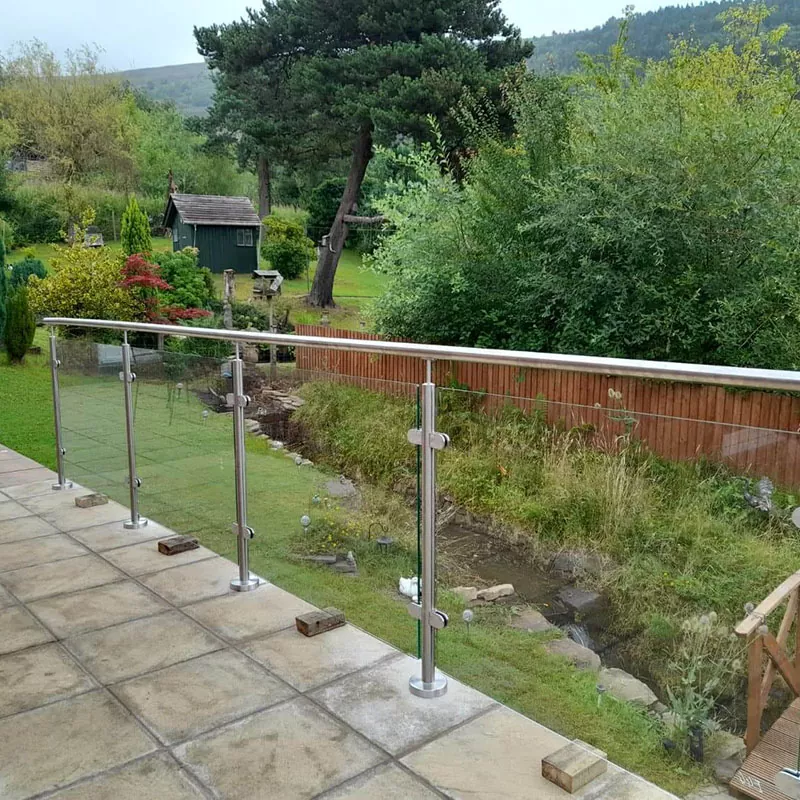
Glass railing is a barrier system composed primarily of tempered or laminated safety glass, supported by metal posts, base channels, or point-fixed hardware. Unlike traditional railings that rely on vertical balusters or solid panels, glass railing creates a continuous transparent guard that maintains visual openness while providing fall protection.
These systems are widely used in balconies, staircases, decks, terraces, swimming pools, and commercial interiors. Their appeal lies in the combination of structural reliability and minimal visual obstruction.
Key Customer Pain Points
- Concerns about glass strength and impact resistance
- Uncertainty regarding building code compliance
- Fear of high maintenance and frequent cleaning
- Complexity of installation and alignment
- Long-term cost effectiveness compared to metal or wood railings
How Safety Is Achieved with Glass Railing
Safety is the primary function of any railing system. Glass railing achieves this through engineered materials and tested system designs rather than visual mass.
- Tempered Glass: Heat-treated glass that is significantly stronger than standard glass and breaks into small, blunt fragments if damaged.
- Laminated Glass: Multiple glass layers bonded with interlayers that hold fragments together after impact.
- Load-Bearing Hardware: Precision-engineered aluminum or stainless steel profiles designed to distribute force evenly.
- Height and Spacing Control: Continuous panels eliminate climbable gaps, enhancing child and pet safety.
When properly specified and installed, glass railing systems meet or exceed safety performance expectations for residential and commercial use.
Design Flexibility and Applications
One of the most compelling advantages of glass railing is its adaptability to different architectural styles and environments.
- Modern residential balconies with unobstructed views
- Commercial buildings seeking open, light-filled interiors
- Hotels and resorts emphasizing visual continuity
- Staircases requiring both safety and visual flow
Glass panels can be clear, frosted, tinted, or patterned, allowing designers to balance privacy and transparency without changing the core structure.
Materials and Structural Options
| Component | Common Options | Functional Benefit |
|---|---|---|
| Glass Type | Tempered, Laminated | Impact resistance and safety performance |
| Support Structure | Base channel, Posts, Point-fix | Structural stability and load distribution |
| Top Rail | Aluminum, Stainless steel, None | Additional rigidity and hand support |
Installation and Maintenance Considerations
Glass railing systems are typically modular, allowing efficient installation when measurements and substrates are prepared correctly. Professional alignment ensures even load transfer and long-term stability.
Maintenance requirements are often overestimated. Glass surfaces require periodic cleaning similar to windows, while metal components benefit from corrosion-resistant finishes. Compared to wood railings, there is no need for repainting or sealing.
Glass Railing vs Traditional Railing
| Criteria | Glass Railing | Traditional Railing |
|---|---|---|
| Visibility | Unobstructed | Partially blocked |
| Maintenance | Low | Medium to high |
| Design Impact | Modern and minimal | Conventional |
| Durability | High with proper materials | Varies by material |
Frequently Asked Questions
-
Is glass railing suitable for outdoor use?
Yes. When constructed with laminated or tempered glass and corrosion-resistant metal components, glass railing performs reliably in outdoor environments. -
Does glass railing feel secure?
Properly installed systems are rigid and designed to withstand horizontal loads, providing a solid and secure user experience. -
Can glass railing be customized?
Glass thickness, finish, mounting method, and hardware appearance can all be adapted to project-specific requirements.
Conclusion
Glass railing systems offer a balanced solution to modern safety and design challenges by combining engineered strength with visual openness. For projects that demand durability, elegance, and functional clarity, glass railing continues to be a practical and forward-looking choice.
Vionta specializes in precision-engineered glass railing systems designed to meet diverse architectural and functional needs. If you are planning a new project or upgrading an existing space, contact us to explore tailored glass railing solutions that align with your design vision and performance expectations.
Related News
- Are Jalousie Windows Easy to Break Into?
- Is Stainless Steel Glass Railing Safe?
- How waterproof is an aluminum louvered pergola during heavy rain, and how should its drainage capacity be tested?
- How Strong Is Aluminum Railing Compared With Steel Railing?
- How to Choose Metal Railing for Residential and Commercial Projects
- How To Remove Hard Water Stains From Glass Railings?
Leave me a message