How Can a Laser Cut Metal Screen Transform Modern Architecture and Outdoor Spaces
Vionta provides customized Laser Cut Metal Screen solutions for residential, commercial, and architectural projects, combining precision-cut patterns, durable metal materials, and flexible finishing options. For architects, contractors, distributors, and property developers, these screens offer a practical way to balance privacy, ventilation, light transmission, and contemporary design.
A laser cut metal screen is a decorative and functional metal panel manufactured using laser technology to create precise openings and customized patterns. It can serve as a garden privacy screen, balcony partition, architectural facade element, or decorative enclosure. Material selection, panel thickness, opening ratio, surface treatment, and installation design all influence its performance. This guide explains the major benefits, applications, specifications, and purchasing considerations to help project owners select a suitable metal screening solution.
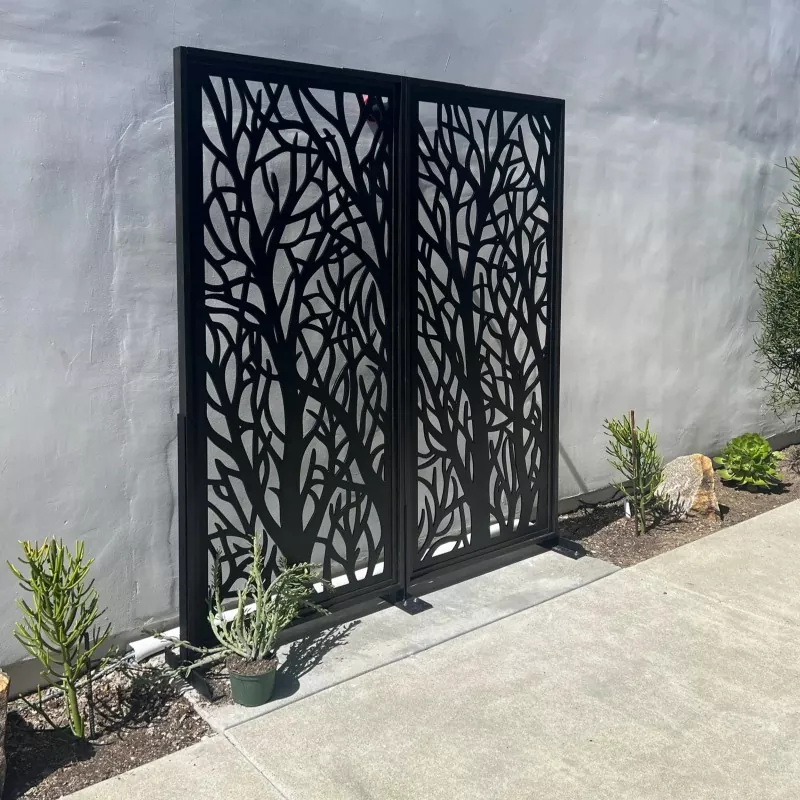
Table of Contents
- What Is a Laser Cut Metal Screen?
- What Are the Key Benefits?
- Where Can Laser Cut Metal Screens Be Used?
- How Do Materials and Finishes Affect Performance?
- What Specifications Should Buyers Compare?
- How Do You Choose the Right Design?
- How Should Metal Screens Be Installed and Maintained?
- Frequently Asked Questions
- Conclusion: Choosing a Reliable Metal Screen Solution
What Is a Laser Cut Metal Screen?
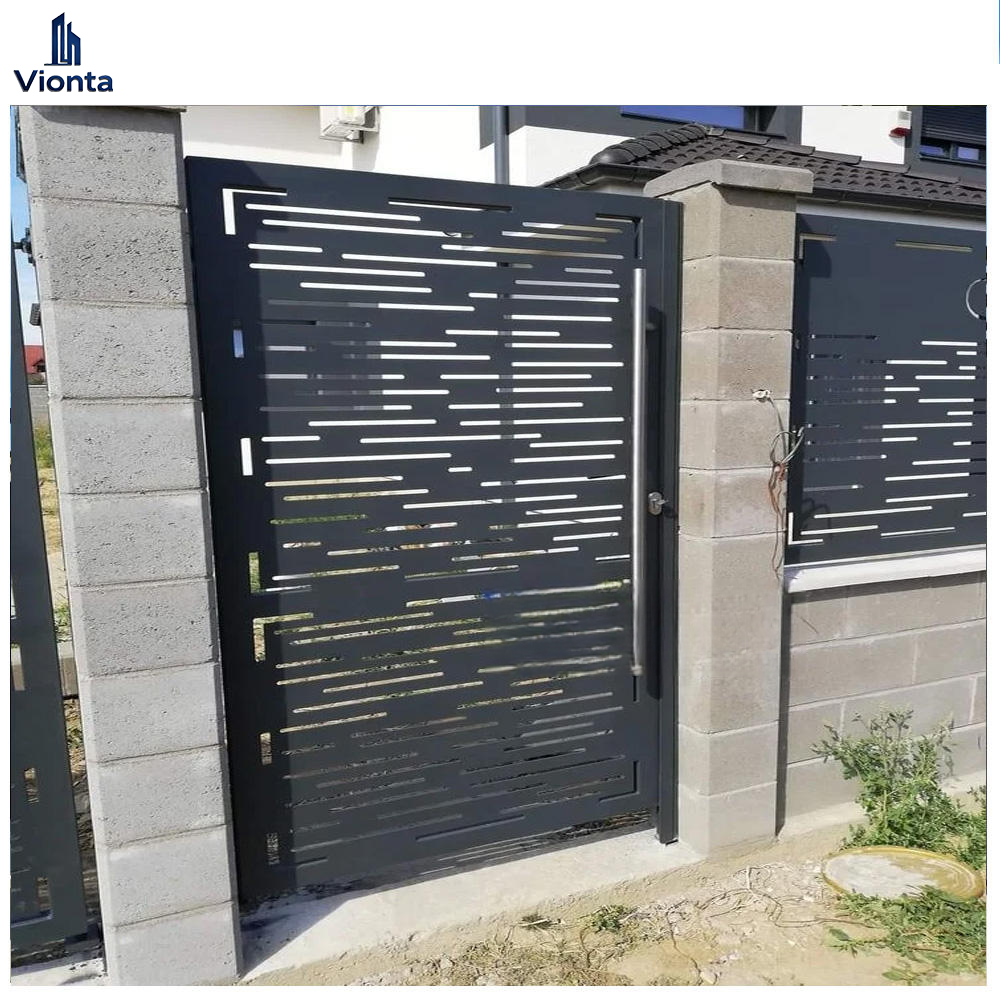
A laser cut metal screen is a metal sheet processed with a focused laser beam to create decorative openings, geometric shapes, repeating motifs, or custom patterns. Unlike a solid panel, its perforated design can allow light and air to pass through while reducing direct visibility between spaces.
The production process typically involves preparing a digital drawing, selecting the metal sheet, programming the cutting path, and using laser equipment to produce the specified pattern. Additional processes may include deburring, bending, welding, frame fabrication, and surface finishing.
Depending on the intended application, a finished screen can be installed independently or integrated into an existing structure. Common configurations include freestanding garden panels, wall-mounted decorative screens, balcony dividers, and facade screening systems.
Vionta supports customized screen designs based on project drawings and application requirements. Buyers can discuss dimensions, pattern geometry, materials, finishes, and mounting arrangements before production.
For related product options, explore metal privacy screens and compare designs for different architectural environments.
What Are the Key Benefits of Laser Cut Metal Screens?
1. A balance between privacy and ventilation
Patterned openings help create visual separation without necessarily forming a completely enclosed wall. By adjusting the size, shape, and distribution of the openings, designers can influence privacy, airflow, and natural light. The appropriate opening ratio depends on the viewing angles, installation height, and surrounding environment.
2. Flexible architectural design
Laser cutting accommodates a broad range of decorative concepts, from simple lines and geometric grids to botanical motifs and customized graphics. This flexibility allows the screen to complement contemporary homes, commercial buildings, hospitality venues, and landscaped public spaces.
3. Material-dependent durability
Metal panels can offer reliable structural performance when the substrate, thickness, supports, and finish are properly selected. Aluminum provides a lightweight option, while stainless steel is useful where corrosion resistance is important. Carbon steel and galvanized steel may be appropriate when strength and project cost are major considerations.
4. Reduced routine maintenance
Compared with materials that require frequent repainting or replacement, appropriately finished metal screens can reduce routine maintenance. Cleaning requirements depend on the material, coating, pollution levels, and exposure to moisture or salt. Periodic inspection remains important, especially for outdoor installations.
5. Project-specific customization
Custom fabrication allows buyers to specify panel dimensions, decorative patterns, colors, and mounting details. This can help coordinate the screen with railings, fencing, pergolas, building facades, and other architectural elements.
Where Can Laser Cut Metal Screens Be Used?
The combination of decorative appearance and functional separation makes laser-cut panels suitable for a variety of residential and commercial projects.
- Garden privacy screens: Separate seating areas, patios, and outdoor dining spaces while retaining a sense of openness.
- Balcony partitions: Introduce decorative screening and reduce direct views between neighboring balconies.
- Architectural facades: Create patterned exterior features and secondary screening layers, subject to project-specific structural and building requirements.
- Commercial enclosures: Conceal selected service areas, equipment, or storage spaces while allowing airflow where appropriate.
- Landscape features: Add visual interest to courtyards, walkways, hospitality gardens, and public spaces.
- Interior partitions: Divide office, retail, or hospitality spaces without relying on fully opaque walls.
For example, a residential landscape project may use a nature-inspired pattern to separate a patio from a neighboring property. A commercial development might instead select a consistent geometric design across several facade panels. In both cases, the pattern should be evaluated for appearance, privacy, panel strength, and installation requirements before production.
How Do Materials and Finishes Affect Performance?
Material selection is one of the most important decisions when specifying a laser cut metal screen. The best option depends on the installation environment, required strength, desired appearance, maintenance expectations, and available budget.
| Material | Main Characteristics | Potential Applications | Selection Considerations |
|---|---|---|---|
| Aluminum sheet | Lightweight and naturally corrosion-resistant | Balconies, decorative partitions, exterior screening | Evaluate rigidity, thickness, and support spacing |
| Stainless steel 304 | Good corrosion resistance in many environments | Premium architectural and outdoor applications | More aggressive environments may require a different grade or maintenance plan |
| Stainless steel 201 | Cost-conscious stainless steel option | Selected decorative and architectural applications | Assess moisture, chloride exposure, and corrosion requirements carefully |
| Galvanized steel | Zinc coating helps protect the underlying steel | Outdoor screens, fencing, and enclosures | Protect cut edges and damaged coating areas appropriately |
| Low-carbon steel | Versatile and suitable for fabrication | Decorative panels and framed structures | Requires a suitable corrosion-protection system for outdoor use |
Surface treatment also affects the finished product. Powder coating offers a wide choice of colors and can improve weather resistance when the coating system is correctly specified. Anodizing is commonly used for aluminum, while brushed finishes provide a distinctive metallic appearance. Fluorocarbon coatings may be considered for projects with demanding exterior finish requirements.
Before placing an order, confirm the base material, coating specification, color reference, edge treatment, and intended exposure conditions. Coastal installations, for example, need particular attention to chloride exposure, fastener compatibility, and cleaning requirements.
What Specifications Should Buyers Compare?
Product specifications determine whether a screen will meet the functional and installation requirements of a project. The following figures are reference options listed for Vionta's laser cut metal screen product; final specifications should be confirmed against the actual design and quotation.
| Specification | Reference Options | Why It Matters |
|---|---|---|
| Sheet material | Galvanized steel, stainless steel 201/304, aluminum, low-carbon steel | Influences corrosion resistance, weight, strength, and cost |
| Sheet thickness | 1.0–3.0 mm | Affects rigidity, weight, cutting details, and support requirements |
| Maximum reference panel size | Up to 2000 × 4000 mm | Oversized panels may require multiple sections or a revised design |
| Opening ratio | 20%–60% | Changes light transmission, ventilation, privacy, and visual density |
| Minimum hole diameter or gap | Approximately 3–5 mm, depending on design | Affects cutting feasibility, edge quality, and remaining material strength |
| Surface treatment | Powder coating, fluorocarbon coating, aluminum anodizing, brushed finish | Determines appearance and contributes to environmental protection |
| Installation method | Embedded, wall-mounted, frame-fixed, or welded as appropriate | Must match the substrate, loads, access, and project drawings |
These are not universal engineering limits. Cutting feasibility, permissible dimensions, tolerances, and panel strength depend on the actual material, machine capability, pattern geometry, and fabrication method. Always obtain confirmed technical drawings before approving mass production.
How Do You Choose the Right Design?
Choosing a suitable screen involves more than selecting an attractive pattern. Buyers should evaluate how the product will perform after installation and how easily it can be fabricated, transported, and maintained.
- Define the primary purpose. Decide whether the screen is mainly for privacy, decoration, ventilation, shading, or equipment concealment.
- Assess the site conditions. Consider wind exposure, rainfall, humidity, coastal salt, direct sunlight, and the type of supporting structure.
- Select an appropriate opening ratio. Denser patterns can reduce direct visibility but may also restrict airflow and light. More open patterns create a lighter visual effect.
- Check the pattern geometry. Narrow connecting sections and intricate cutouts can affect structural integrity. Avoid specifying delicate patterns without a fabrication review.
- Confirm dimensions and mounting details. Provide panel measurements, post spacing, fixing locations, frame details, and any relevant site drawings.
- Choose the finish and color. Match the finish to the environmental conditions and the surrounding architectural materials.
- Review a drawing or sample. Confirm the pattern, dimensions, finish, and assembly details before approving the production batch.
For larger developments, it is also useful to establish inspection criteria for dimensions, pattern consistency, coating appearance, and mounting-hole positions. Clear acceptance requirements can reduce misunderstandings between the buyer, fabricator, and installation team.
How Should Metal Screens Be Installed and Maintained?
Installation considerations
Installation should follow the approved drawings and account for the panel's weight, wind exposure, support spacing, and fixing method. Common arrangements include post-mounted panels, wall brackets, embedded supports, and framed assemblies.
- Verify the dimensions and condition of the installation surface before fitting the panels.
- Check that posts, brackets, anchors, and frames are suitable for the expected loads and substrate.
- Maintain consistent alignment and spacing between adjacent panels.
- Use compatible fasteners and take care not to damage protective coatings during installation.
- For elevated facades or exposed locations, obtain the necessary structural review and comply with local building requirements.
Routine maintenance
Maintenance is generally straightforward when the material and finish suit the environment. Clean the panels with water and a mild, compatible detergent, and avoid aggressive chemicals or abrasive tools that may damage the surface.
Inspect the screen periodically for loose fasteners, coating damage, corrosion, or movement at connection points. In coastal or industrial environments, more frequent cleaning may be necessary. Repair damaged finishes according to the coating supplier's recommendations.
For additional product information, visit Vionta's laser cut metal screen product page to review the available options and discuss project requirements.
Frequently Asked Questions
1. What is the main purpose of a laser cut metal screen?
Its main purpose is to provide decorative screening while balancing privacy, airflow, and light transmission. Depending on its design and structural arrangement, it can be used for gardens, balconies, facades, partitions, and equipment enclosures.
2. Can laser cut metal screens be customized?
Yes. Dimensions, patterns, materials, opening ratios, finishes, and mounting details can be customized according to manufacturing capabilities and project requirements. Buyers can submit CAD drawings, sketches, or reference images for technical evaluation.
3. Which material is best for outdoor metal screens?
There is no single best material for every project. Aluminum is useful when low weight and corrosion resistance are priorities. Stainless steel suits many demanding applications, while galvanized or appropriately coated steel can offer a practical combination of strength and cost. Local environmental conditions should guide the final selection.
4. Does a higher opening ratio always provide better performance?
No. A higher opening ratio generally allows more light and airflow but can reduce privacy and change the panel's structural behavior. The ideal ratio depends on the intended use, viewing angles, wind conditions, and design geometry.
5. How long can a laser cut metal screen last outdoors?
Service life depends on the base material, coating quality, fabrication details, installation, maintenance, and local climate. A properly specified and maintained screen can provide long-term service, but buyers should request project-specific durability guidance rather than assume a fixed lifespan.
6. What information should I provide when requesting a quotation?
Provide the required quantity, panel dimensions, preferred material and thickness, pattern drawing, finish or color, installation method, delivery destination, and intended application. Site photos and structural drawings are also useful when the screen must fit an existing building or landscape.
Conclusion: Choosing a Reliable Metal Screen Solution
A well-designed laser cut metal screen can combine architectural character with practical privacy, ventilation, and space division. The most successful projects begin with a clear understanding of the installation environment and continue through careful material selection, pattern development, technical verification, and proper installation.
For architects, contractors, importers, and distributors, working with an experienced manufacturer can make it easier to coordinate customized dimensions, decorative patterns, surface treatments, and mounting requirements. Vionta offers laser-cut metal screen solutions for different architectural and outdoor applications, with customization based on project needs.
Planning a residential, commercial, or landscape project? Share your drawings, preferred pattern, dimensions, material requirements, and estimated order quantity with Vionta. Contact us to discuss a suitable laser cut metal screen solution, request technical details, and obtain a quotation tailored to your project.
Related News
- Why Stainless Cable Railing Shines in Winter?
- How Can a Snow Load Aluminum Pergola Deliver Reliable Year-Round Outdoor Protection
- What Awning Fabric and Frame Options Are Available?
- Is Glass Railing Safe for Balconies and Terraces?
- What Makes Stainless Steel the Ideal Material for Outdoor Railings?
- Are Jalousie Windows Easy to Break Into?
Leave me a message