Abstract
Glass railings have become a defining feature of contemporary architecture, combining safety engineering with visual transparency and modern aesthetics. This article explores how glass railing systems are designed, their benefits, installation considerations, and long-term value for residential, commercial, and public projects. It also addresses common concerns such as durability, maintenance, and cost efficiency, offering practical insights for property owners, contractors, and designers seeking reliable railing solutions.
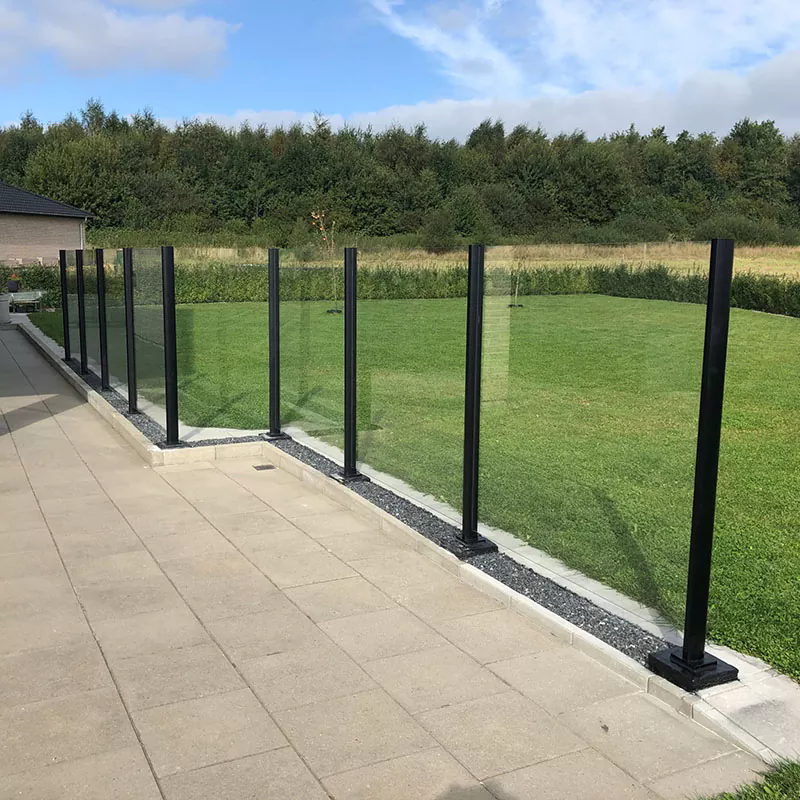
Table of Contents
- Introduction to Glass Railings
- Key Benefits and Value
- Types of Glass Railing Systems
- Materials and Structural Design
- Installation Considerations
- Maintenance and Longevity
- Safety Standards and Performance
- Cost Factors and ROI
- Common Mistakes to Avoid
- Frequently Asked Questions
- Final Thoughts and Contact
Introduction to Glass Railings
Glass railings are architectural safety barriers constructed primarily from tempered or laminated glass panels supported by metal frameworks such as stainless steel or aluminum. They are widely used in balconies, staircases, terraces, and commercial spaces where visibility and openness are prioritized.
Unlike traditional metal or wood railings, glass systems eliminate visual obstruction, allowing natural light to flow freely while maintaining structural safety. This makes them especially popular in modern urban design, luxury homes, and high-rise buildings.
Key Benefits and Value
Glass railing systems provide a combination of aesthetic, functional, and long-term structural advantages. Below are the most significant benefits:
- Unobstructed Views: Ideal for scenic environments, balconies, and waterfront properties.
- Modern Appearance: Enhances architectural value with a clean and minimalist look.
- Durability: Tempered glass is engineered to withstand impact and environmental stress.
- Low Maintenance: Requires minimal upkeep compared to wood or iron systems.
- Corrosion Resistance: Metal components are often treated for long-term outdoor use.
For developers and homeowners, these benefits translate into increased property value and enhanced user experience.
Types of Glass Railing Systems
Different installation needs require different structural systems. The most common types include:
| Type | Description | Best Use Case |
|---|---|---|
| Frameless Glass Railings | Minimal hardware with glass panels fixed using base clamps or channels | Luxury homes, balconies, scenic decks |
| Semi-Framed Systems | Glass panels supported with partial metal framing | Commercial buildings, staircases |
| Fully Framed Railings | Glass panels enclosed in metal frames for maximum stability | High-traffic public areas |
Each system offers a different balance between aesthetics, strength, and cost efficiency.
Materials and Structural Design
High-performance glass railings rely on carefully selected materials:
- Tempered Glass: Heat-treated for increased strength and safety.
- Laminated Glass: Multi-layered structure that holds together even when shattered.
- Stainless Steel Hardware: Provides corrosion resistance and structural stability.
- Aluminum Profiles: Lightweight and cost-effective framing option.
Engineering precision is essential. Load-bearing calculations, wind resistance, and anchoring systems must comply with building safety standards to ensure long-term performance.
Installation Considerations
Proper installation is critical to ensure safety and durability. Professional installation typically involves:
- Site measurement and structural assessment
- Selection of appropriate railing system
- Foundation preparation and anchor placement
- Glass panel fitting and alignment
- Final inspection and safety testing
Improper installation can lead to alignment issues, instability, or premature wear, making expert handling essential.
Maintenance and Longevity
One of the most attractive features of glass railings is their low maintenance requirement. However, regular care improves longevity:
- Clean glass surfaces using non-abrasive cleaners
- Inspect fittings and fasteners periodically
- Remove salt deposits in coastal environments
- Check seals and joints annually
With proper maintenance, glass railings can maintain structural integrity and visual clarity for decades.
Safety Standards and Performance
Safety is a primary concern in railing systems. Glass railings are designed to meet stringent engineering requirements, including impact resistance, load-bearing capacity, and thermal stability.
In the event of breakage, laminated glass ensures fragments remain adhered to the interlayer, reducing injury risk. Additionally, edge polishing and secure mounting systems further enhance safety performance.
Cost Factors and ROI
The cost of glass railings varies depending on material quality, system complexity, and installation requirements. Key cost drivers include:
- Type of glass (tempered vs laminated)
- Hardware material (stainless steel vs aluminum)
- Design complexity and customization
- Labor and installation conditions
While initial investment may be higher than traditional railings, long-term returns are significant due to durability, low maintenance, and property value enhancement.
Common Mistakes to Avoid
When selecting or installing glass railings, avoid these frequent errors:
- Choosing non-certified materials
- Ignoring load and wind resistance calculations
- Improper sealing in outdoor environments
- Using inexperienced installers
- Neglecting routine inspections
Avoiding these mistakes ensures long-term safety and performance reliability.
Frequently Asked Questions
Are glass railings safe for high-rise buildings?
Yes. When engineered with tempered or laminated glass and properly installed, they meet strict safety regulations for high-rise applications.
Do glass railings require frequent cleaning?
No. They require only occasional cleaning to maintain clarity and appearance.
Can glass railings withstand strong winds?
Yes. Properly designed systems are tested for wind load resistance suitable for coastal and high-altitude environments.
What is the lifespan of a glass railing system?
With proper maintenance, glass railings can last 20–30 years or more.
Final Thoughts and Contact
Glass railings represent a fusion of engineering precision and architectural elegance. They enhance spatial openness, improve property value, and deliver long-term durability when manufactured and installed correctly. Whether used in residential balconies or commercial structures, they continue to redefine modern building aesthetics.
For high-quality engineered solutions, Vionta provides professionally designed glass railing systems tailored to diverse architectural needs. With a focus on structural integrity, material excellence, and modern design adaptability, Vionta supports projects from concept to installation.
If you are planning a new project or upgrading existing infrastructure, reach out for tailored support and product consultation.
Contact us today to discuss your requirements and get a customized solution that fits your architectural vision.