Why Is a Galvanized Steel Spiral Staircase the Ideal Solution for Durable, Space-Saving Access
Article Summary: A galvanized steel spiral staircase combines efficient space utilization, structural versatility, and reliable corrosion protection, making it an excellent option for residential, commercial, and industrial projects. Whether connecting a garden terrace, balcony, rooftop, or elevated entrance, this staircase design provides practical vertical access without requiring the large footprint of a conventional staircase. Vionta offers customizable galvanized steel spiral staircase solutions with different tread styles, railing configurations, dimensions, and finishes to meet diverse architectural and installation requirements.
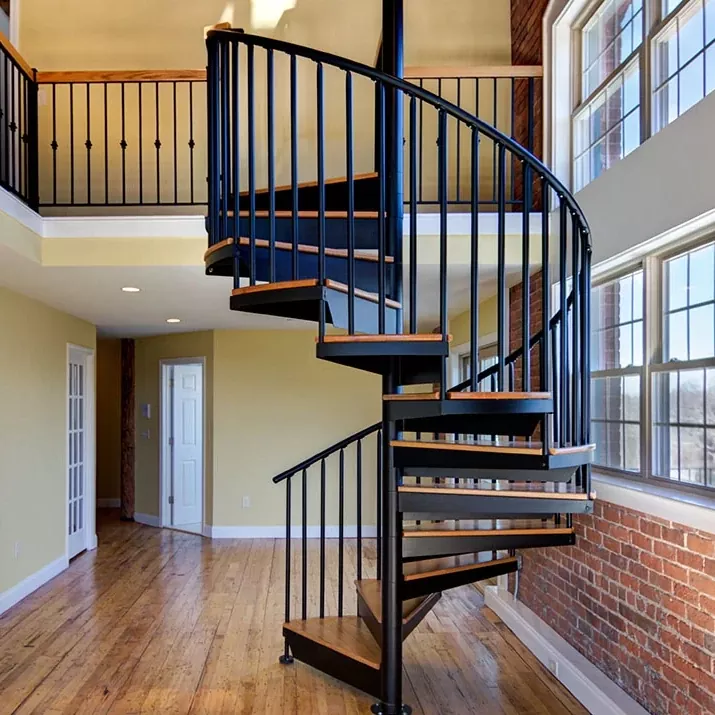
Table of Contents
- 1. What Is a Galvanized Steel Spiral Staircase?
- 2. Why Choose a Galvanized Steel Spiral Staircase?
- 3. Understanding the Main Structural Components
- 4. Which Stair Tread Options Are Available?
- 5. Where Can Galvanized Steel Spiral Staircases Be Used?
- 6. What Customization Options Should Buyers Consider?
- 7. How Does Hot-Dip Galvanizing Improve Durability?
- 8. How to Select the Right Spiral Staircase for Your Project?
- 9. Frequently Asked Questions
- 10. Conclusion: Invest in a Reliable Staircase Solution
1. What Is a Galvanized Steel Spiral Staircase?
A galvanized steel spiral staircase is a vertical access system featuring steps arranged around a central supporting axis. Unlike traditional straight staircases, its circular configuration allows users to move between different floor levels while occupying considerably less horizontal space.
This makes it particularly suitable for buildings where floor space is limited or where an architectural feature is required without compromising accessibility.
Galvanized steel is widely considered for outdoor staircase applications because its zinc coating helps protect the underlying steel against corrosion. Depending on the design, the staircase can incorporate carbon steel structural components, hot-dip galvanized handrails and vertical balusters, and different tread materials.
Vionta provides customized metal spiral staircase solutions for residential, commercial, and industrial projects. Customers can select suitable dimensions, railing configurations, tread styles, and surface finishes according to their architectural drawings and installation conditions.
For more product information, visit the Vionta Galvanized Steel Spiral Staircase product page.
2. Why Choose a Galvanized Steel Spiral Staircase?
Choosing the right staircase involves more than simply connecting two levels. Buyers must consider structural performance, available installation space, environmental exposure, maintenance requirements, and architectural appearance.
A galvanized steel spiral staircase offers several practical advantages.
2.1 Excellent Space Utilization
The spiral configuration minimizes the required floor area compared with many conventional staircase layouts. This makes it particularly useful for balconies, rooftop terraces, garden decks, lofts, and compact outdoor spaces.
2.2 Improved Corrosion Protection
Hot-dip galvanizing creates a zinc coating that provides barrier protection and sacrificial corrosion protection. This helps extend the service life of appropriately designed steel components exposed to outdoor conditions.
2.3 Strong and Versatile Construction
Steel offers structural versatility and can accommodate different staircase diameters, heights, railing arrangements, and tread configurations. The final design should always be engineered according to the expected loads and applicable building regulations.
2.4 Flexible Architectural Appearance
Galvanized steel can complement industrial, contemporary, minimalist, and traditional architectural styles. Combining metal structures with wood-look or wooden treads can also create a warmer appearance for residential environments.
2.5 Customizable Project Solutions
Rather than relying entirely on standard dimensions, buyers can discuss project-specific staircase heights, diameters, landing arrangements, railing details, and mounting connections with the manufacturer.
3. Understanding the Main Structural Components
Understanding the individual components helps architects, contractors, and purchasing managers evaluate staircase quality more effectively.
| Component | Typical Material or Design | Primary Function |
|---|---|---|
| Central Support | Steel structural support | Forms the central axis of the spiral staircase. |
| Handrail | Carbon steel tube with hot-dip galvanized finish | Provides a continuous gripping surface and supports safe movement. |
| Vertical Balusters | Carbon steel tube with hot-dip galvanized finish | Forms the railing infill and helps provide edge protection. |
| Stair Treads | Steel plate, perforated steel, patterned steel, or wood options | Provides the walking surface for each step. |
| Landing Connections | Project-specific steel connection components | Connects the staircase to the upper floor or landing. |
| Mounting Components | Specified brackets and fasteners | Secures the staircase to the supporting structure. |
Each component must be coordinated during the design and manufacturing process. In particular, the handrail curvature, tread arrangement, baluster spacing, and connection details should be reviewed together rather than treated as independent elements.
For customized projects, Vionta can review drawings and discuss material selections, dimensions, finishes, and connection requirements according to the intended installation environment.
4. Which Stair Tread Options Are Available?
Tread selection directly affects walking comfort, drainage performance, maintenance, and the overall appearance of an outdoor staircase.
Different tread configurations can be considered according to the project requirements.
| Tread Type | Main Characteristics | Recommended Applications |
|---|---|---|
| Solid Steel Plate Treads | Continuous metal walking surface with a clean industrial appearance. | General outdoor access and service areas. |
| Perforated or Grated Steel Treads | Openings help water and debris pass through. | Rain-exposed gardens, terraces, and decks. |
| Patterned Steel Plate Treads | Textured surface that can improve underfoot traction. | Outdoor access routes and utility installations. |
| Wooden or Wood-Look Treads | Warm visual appearance that contrasts with metal structures. | Residential patios, gardens, and decorative outdoor spaces. |
When comparing options, buyers should consider:
- Slip resistance: Select an appropriate surface for the expected weather and footwear conditions.
- Drainage: Open or grated surfaces can help prevent water accumulation.
- Maintenance: Consider cleaning requirements and the long-term condition of the selected material.
- Visual consistency: Coordinate tread materials with surrounding flooring, railings, and building finishes.
5. Where Can Galvanized Steel Spiral Staircases Be Used?
The combination of a compact footprint and corrosion-resistant surface treatment makes galvanized steel spiral staircases suitable for a wide range of projects.
Residential Buildings
Homeowners can use spiral staircases to connect balconies, gardens, lofts, rooftop spaces, and elevated patios. Their compact layout helps preserve valuable outdoor living space.
Commercial Properties
Restaurants, hotels, retail buildings, and commercial facilities may use customized spiral staircases to connect different levels or provide access to selected outdoor areas. The design must match the building's intended occupancy and applicable egress requirements.
Industrial Facilities
Factories, warehouses, and utility buildings may require vertical access to platforms, maintenance areas, or equipment zones. Steel staircase systems can be configured for these applications when appropriately engineered for operational loads and site conditions.
Outdoor Landscaping Projects
Gardens, terraces, swimming pool areas, and elevated landscape structures can benefit from the visual simplicity of a metal spiral staircase. Suitable tread and railing configurations help integrate the staircase into the surrounding environment.
6. What Customization Options Should Buyers Consider?
Every staircase project has different spatial, architectural, and structural requirements. A customized solution should begin with accurate measurements and a clear understanding of the installation environment.
Important customization factors include:
- Overall staircase height: Determine the vertical distance between the lower and upper levels.
- Staircase diameter: Match the outside diameter to the available installation area.
- Tread configuration: Select suitable materials, shapes, and surface treatments.
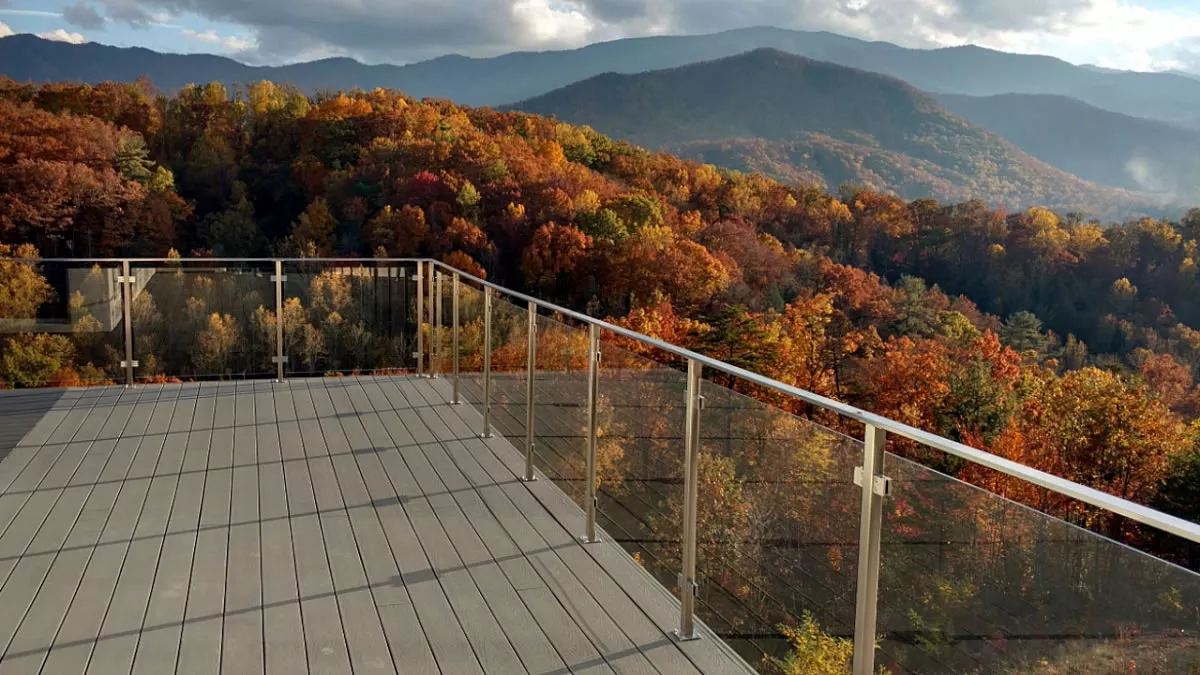
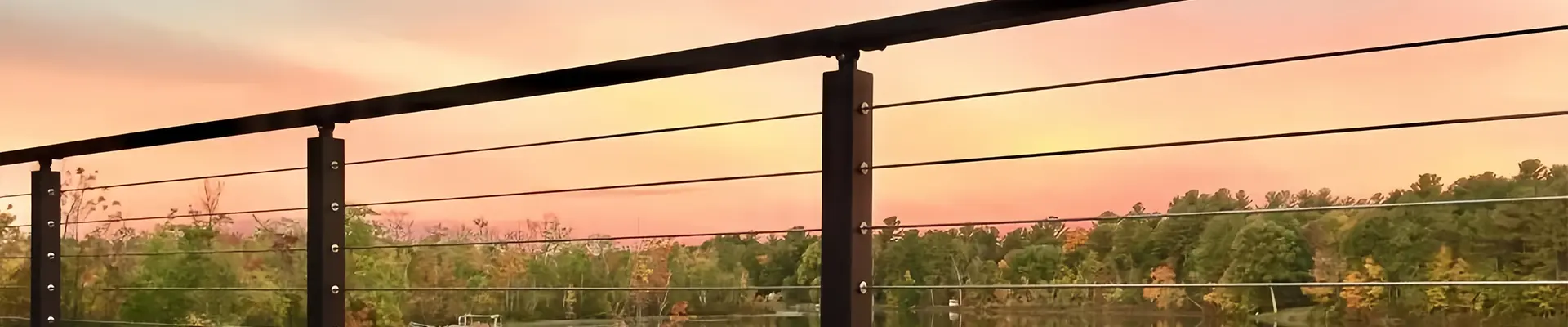
- Railing design: Consider traditional metal balusters or alternative infill configurations such as glass or cable systems.
- Surface finish: Confirm galvanizing requirements and whether additional coatings or colors are needed.
- Landing arrangement: Specify the upper-floor opening, access direction, and connection position.
- Installation method: Confirm the supporting structure and top and bottom anchoring conditions.
Providing dimensioned drawings, photographs, and project specifications at the enquiry stage can help manufacturers assess feasibility and prepare more accurate proposals.
Explore other architectural metal solutions from Vionta Metal, including glass railing systems and cable railing systems.
7. How Does Hot-Dip Galvanizing Improve Durability?
Steel exposed to moisture and oxygen can gradually develop corrosion. Hot-dip galvanizing addresses this challenge by applying a protective zinc coating to appropriately prepared steel surfaces.
During the process, steel components are immersed in molten zinc, forming metallurgically bonded zinc-iron alloy layers and an outer zinc layer.
Key Protective Benefits
- Barrier protection: The zinc coating separates the underlying steel from the surrounding environment.
- Sacrificial protection: Zinc corrodes preferentially to exposed steel in many conditions, helping protect small damaged areas.
- Outdoor suitability: Properly galvanized components can perform well in many atmospheric environments.
- Long-term value: Reduced corrosion-related maintenance can contribute to better lifecycle economics.
Does Galvanizing Make a Staircase Maintenance-Free?
No. Although galvanizing provides effective corrosion protection, it does not eliminate the need for inspection and maintenance.
Buyers should pay particular attention to:
- Scratches or coating damage during transportation and installation.
- Areas where moisture or debris may accumulate.
- Cut edges, welds, and connection details requiring appropriate protection.
- Exposure to coastal salt, industrial pollutants, or aggressive chemicals.
- Fasteners and other components that may have different corrosion-resistance requirements.
For coastal and demanding industrial environments, discuss the exposure conditions with the manufacturer before selecting the protective finish. Confirm which staircase components are galvanized, since the coating specification may differ between handrails, balusters, treads, supports, and fasteners.
8. How to Select the Right Spiral Staircase for Your Project?
Choosing the right galvanized steel spiral staircase requires a balance between functionality, structural requirements, appearance, and budget.
Before placing an order, use the following checklist to evaluate potential suppliers and product configurations.
Essential Purchasing Checklist
- Measure the installation space: Confirm floor-to-floor height, available diameter, and opening dimensions.
- Define the application: Clarify whether the staircase is intended for residential, commercial, industrial, or landscaping use.
- Confirm structural requirements: Review expected loads, support conditions, anchoring details, and relevant building codes.
- Specify materials: Identify the material and protective finish required for each major component.
- Compare tread options: Evaluate drainage, traction, appearance, and maintenance requirements.
- Review manufacturing details: Check fabrication quality, welding, dimensional accuracy, coating condition, and assembly arrangements.
- Confirm delivery and installation: Discuss packaging, transportation, installation documentation, and site preparation.
It is also important to distinguish between a standard staircase kit and a fully customized staircase. A kit may simplify purchasing and assembly, while a custom solution can better accommodate unusual floor heights, restricted openings, and project-specific architectural requirements.
Professional installation is recommended whenever structural modifications, elevated access, or complex anchoring arrangements are involved.
9. Frequently Asked Questions
Q1: Is a galvanized steel spiral staircase suitable for outdoor use?
Yes. Galvanized steel is a practical material for many outdoor staircase applications because its zinc coating helps protect the steel against corrosion. The final suitability depends on the coating specification, component design, local weather, and maintenance requirements.
Q2: Can a galvanized steel spiral staircase be customized?
Yes. Customization can include staircase height, diameter, tread style, railing configuration, surface finish, and mounting details. Vionta can review project drawings and discuss a configuration according to the actual installation requirements.
Q3: Which tread material is best for outdoor spiral staircases?
There is no single best option for every project. Perforated and grated steel treads can support drainage, patterned steel can provide additional traction, and solid steel offers a continuous walking surface. Wooden or wood-look treads may be preferred when appearance is a priority.
Q4: Will a galvanized steel spiral staircase rust?
Galvanizing significantly improves corrosion resistance, but rust can still develop if the protective coating is damaged or the staircase experiences aggressive environmental exposure. Regular inspections and timely coating repairs help preserve its condition.
Q5: How much space is required for a spiral staircase?
The required space depends on the staircase diameter, floor height, tread geometry, railing configuration, and applicable building regulations. Buyers should provide the available opening dimensions so the manufacturer can evaluate a suitable design.
Q6: How long does it take to install a galvanized steel spiral staircase?
Installation time depends on whether the product is a standard kit or a customized system, as well as site preparation, anchoring, and assembly complexity. A straightforward kit may be installed relatively quickly by an experienced installer, while larger projects require more detailed planning.
Q7: What information should I provide when requesting a staircase quotation?
Useful information includes project location, intended application, floor-to-floor height, available opening dimensions, preferred tread style, railing requirements, mounting conditions, estimated quantity, and technical drawings or site photographs.
10. Conclusion: Invest in a Reliable Staircase Solution
A galvanized steel spiral staircase is more than a space-saving access structure. It is a practical architectural solution that combines steel construction, corrosion protection, flexible design possibilities, and functional versatility. From residential balconies and garden terraces to commercial buildings and industrial facilities, the right staircase configuration can improve accessibility while making efficient use of available space.
Successful project outcomes depend on choosing appropriate materials, carefully coordinating structural components, specifying suitable galvanizing requirements, and working with an experienced manufacturer.
Vionta provides customizable metal staircase solutions designed around different project dimensions, tread preferences, railing configurations, and installation conditions. Whether you are a contractor, architect, distributor, or property developer, our team can help evaluate your requirements and identify a suitable staircase configuration. Explore our galvanized steel spiral staircase solutions and Vionta Metal product range. Have a new staircase project or need a customized quotation? Please contact us today with your drawings, dimensions, and project requirements. Our team looks forward to helping you develop a durable, functional, and visually appealing staircase solution.
Next :
-
Related News
- How to Keep Your Retractable Awning Safe from Wind Damage?
- How Can a Snow Load Aluminum Pergola Provide Reliable Protection in Harsh Winter Climates
- Rotating vs. Retractable Louvered Pergolas: What Should Buyers Know?
- Why Is a Corten Steel Privacy Screen the Perfect Choice for Modern Outdoor Spaces
- How to Mount a Metal Privacy Screen on Concrete?
- How to Prepare Metal Balcony Railings for Winter: Maintenance Tips for Different Materials
Leave me a message


News Recommendations