Industry News
 20 2026-09
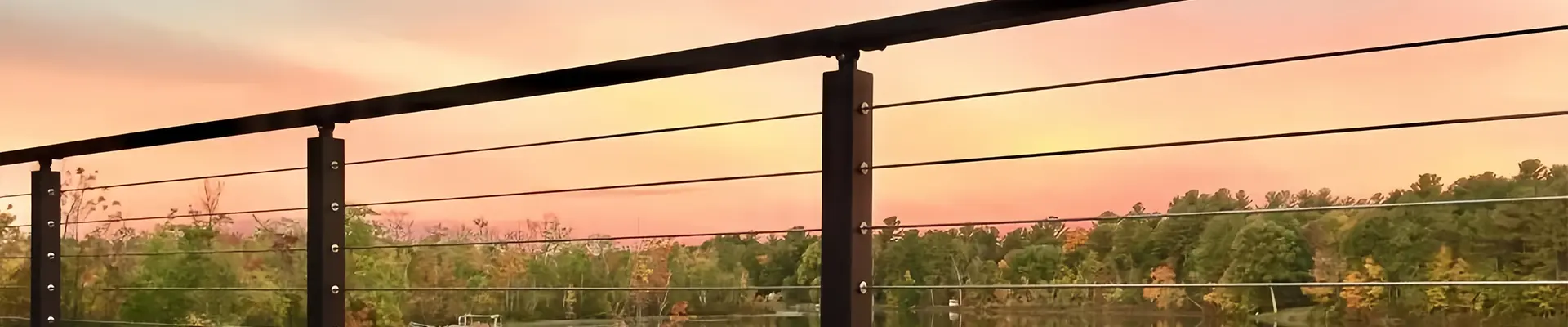
Is Glass Railing Safe for Balconies and Terraces?
Glass railing is widely used on balconies, terraces, decks, stairways, and other elevated outdoor spaces because it provides a clear barrier without blocking the view. But when safety is the main concern, appearance should never be the starting point. The important questions are how the glass is selected, how the railing is engineered, how the panels are supported, and whether the complete system meets the building requirements for the project.
 15 2026-09
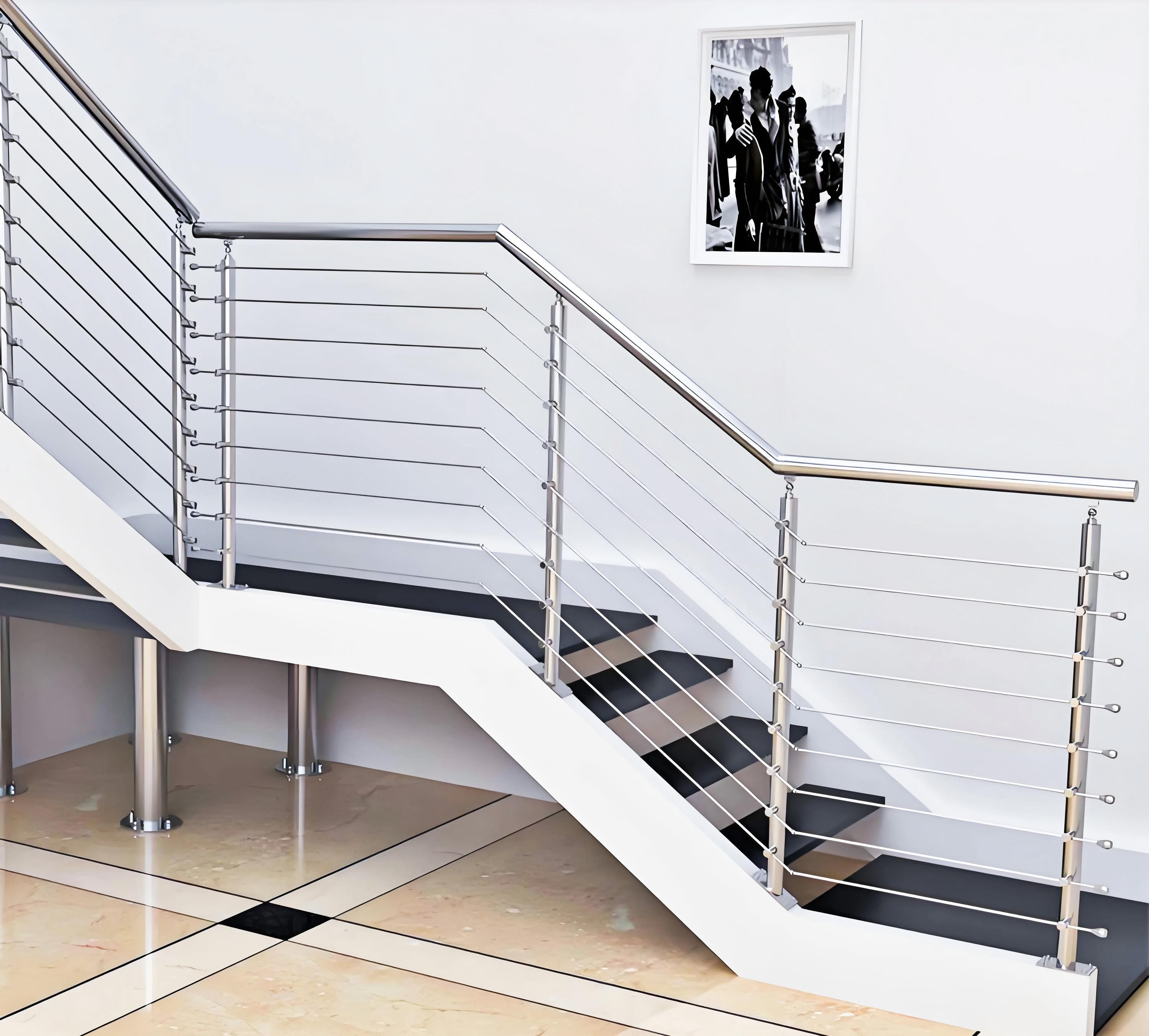
What Makes Stainless Steel the Ideal Material for Outdoor Railings?
Choosing the right material for an outdoor railing is not simply a matter of appearance. An outdoor railing has to deal with rain, humidity, sunlight, temperature changes, wind, airborne pollutants, and, in some locations, salt from coastal air or deicing chemicals. It also needs to provide reliable protection around balconies, decks, stairs, walkways, terraces, and other elevated areas.
 08 2026-09
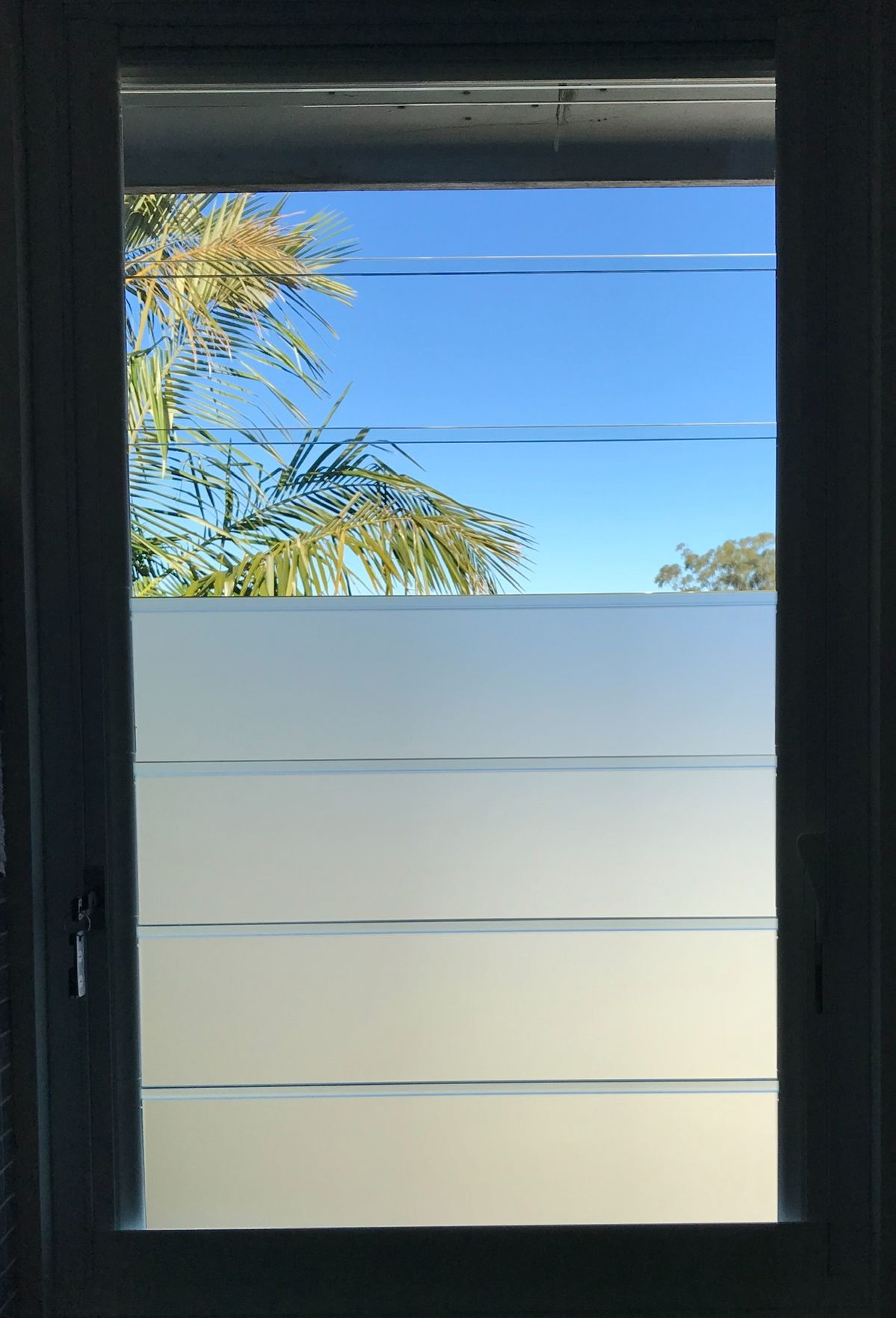
Are Jalousie Windows Easy to Break Into?
Jalousie windows are known for one major advantage: ventilation. Their horizontal louvers can be tilted open to let fresh air into a room while still providing shade, privacy, and a relatively open view. This makes them particularly useful in warm and humid climates, where natural airflow can make a noticeable difference to indoor comfort.
 04 2026-09
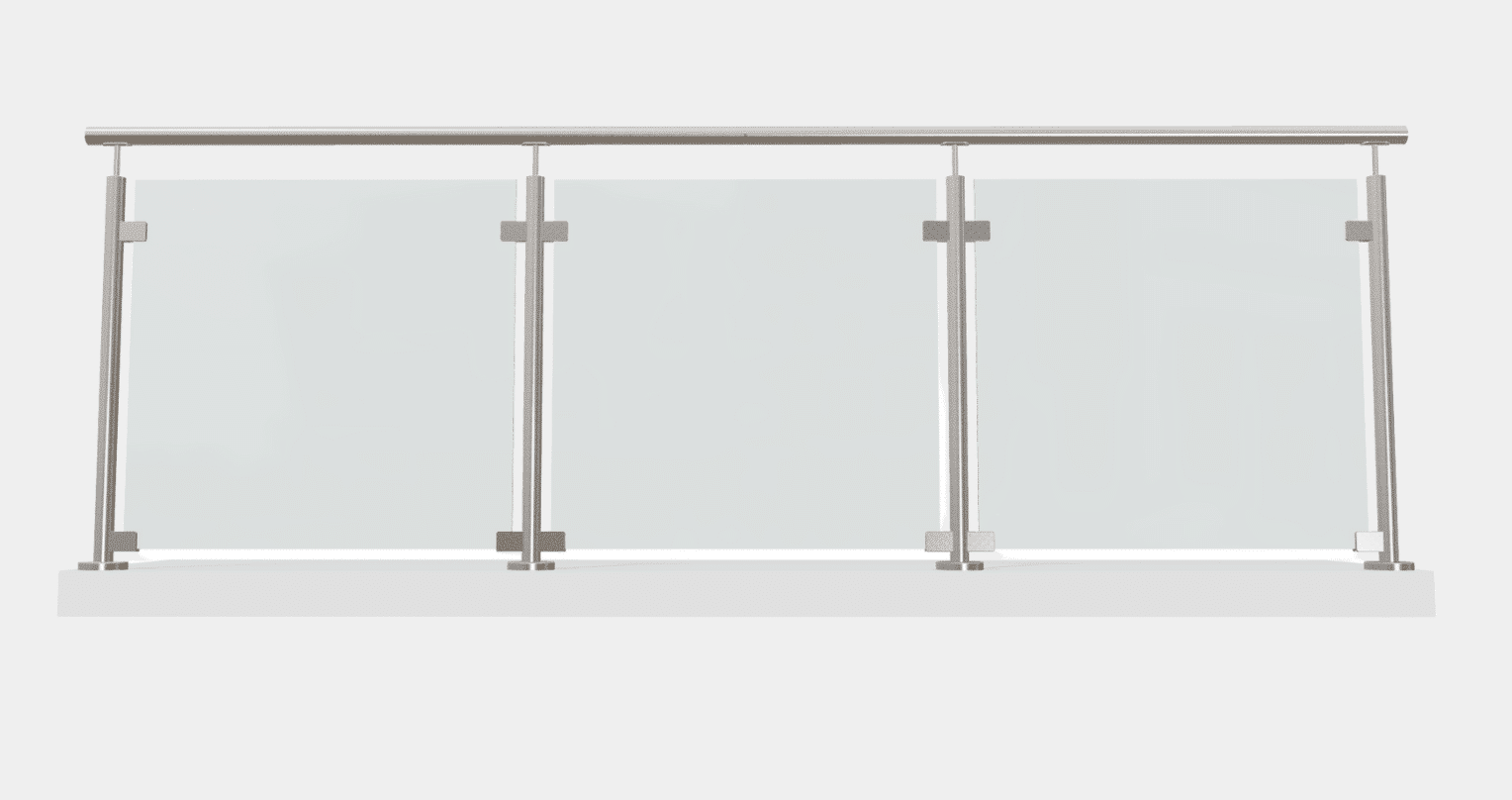
Is Stainless Steel Glass Railing Safe?
When selecting architectural barriers for high-rise residential balconies, grand interior staircases, or commercial perimeter decking, property owners and project managers consistently ask one core question: Is stainless steel glass railing safe? The short answer is yes—when engineered to exact load-bearing standards, manufactured with premium structural alloys, and installed via code-compliant post systems, stainless steel glass railings stand among the safest, most durable architectural systems on the global market today.
 01 2026-09
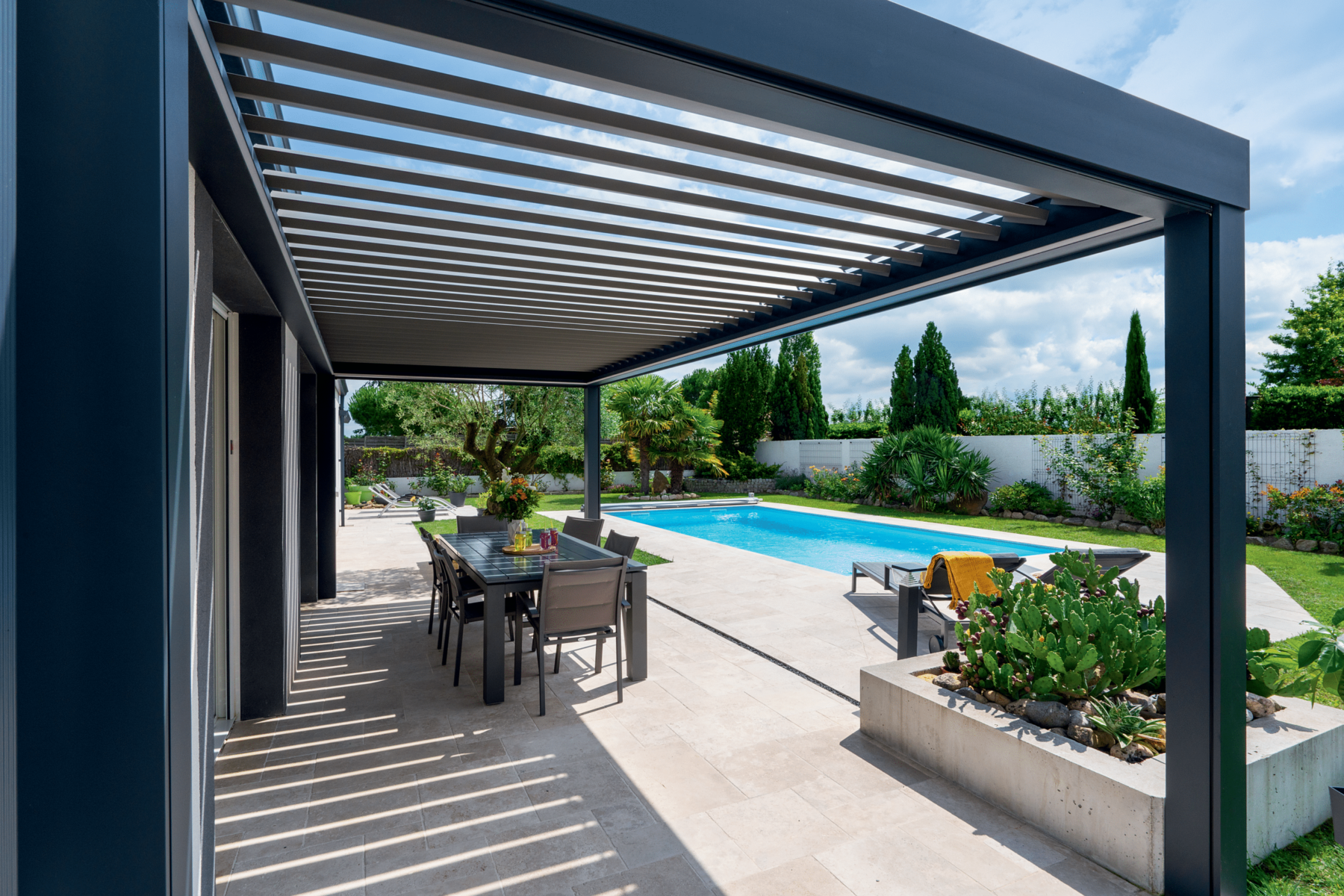
How waterproof is an aluminum louvered pergola during heavy rain, and how should its drainage capacity be tested?
An outdoor pergola with rotating louvers can provide reliable rain protection when its roof geometry, seals, gutters, columns, installation tolerances, and drainage outlets work as one complete system. However, waterproof does not mean that every pergola will remain completely dry in every storm. Wind driven rain, blocked outlets, incorrect foundations, poor assembly, and rainfall beyond the tested conditions can all cause water intrusion.
 31 2026-08
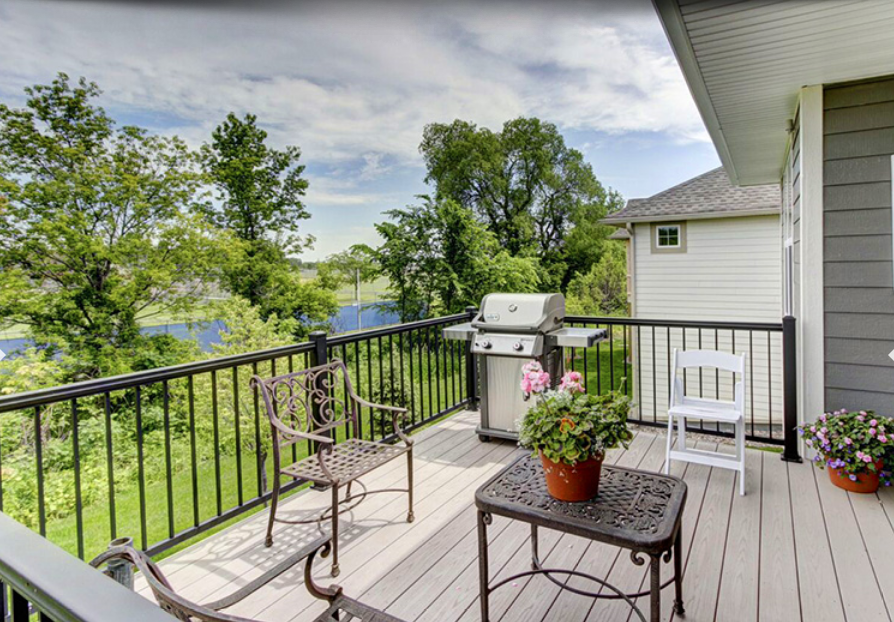
How Strong Is Aluminum Railing Compared With Steel Railing?
Planning any major build—whether it is a multi-family apartment block, an office tower, or a high-end residential deck—usually brings you face-to-face with a key structural decision: which material will keep people safe for decades without falling apart? Naturally, project teams often end up asking the same core question: How strong is aluminum railing compared with steel railing?