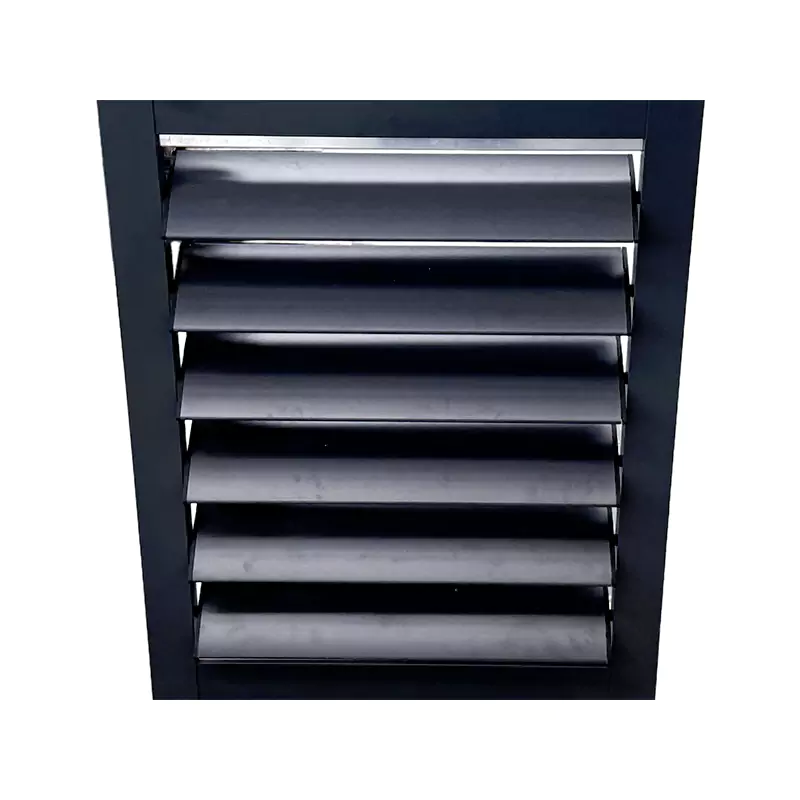
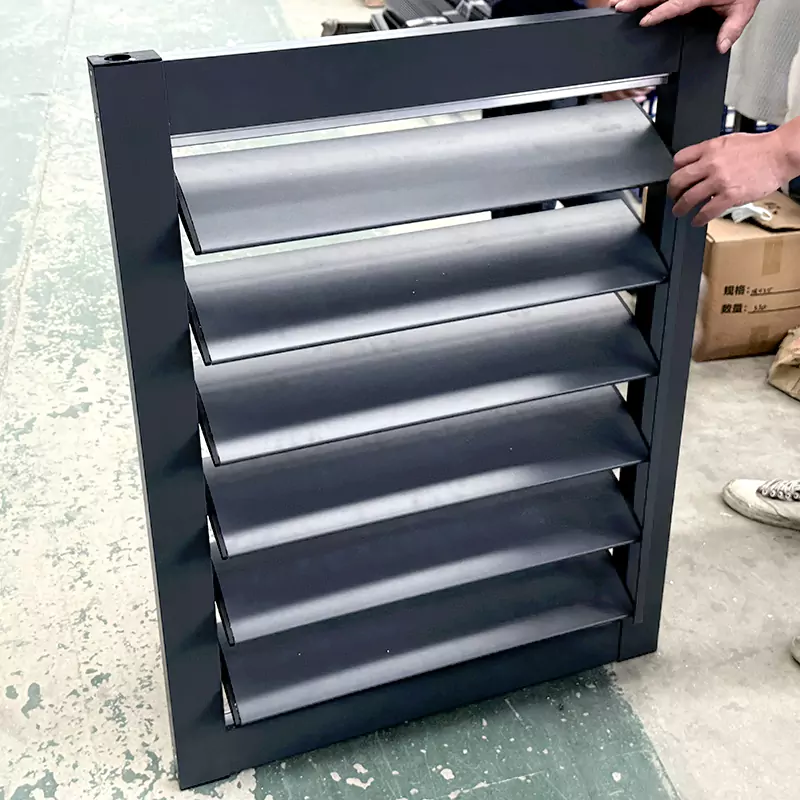
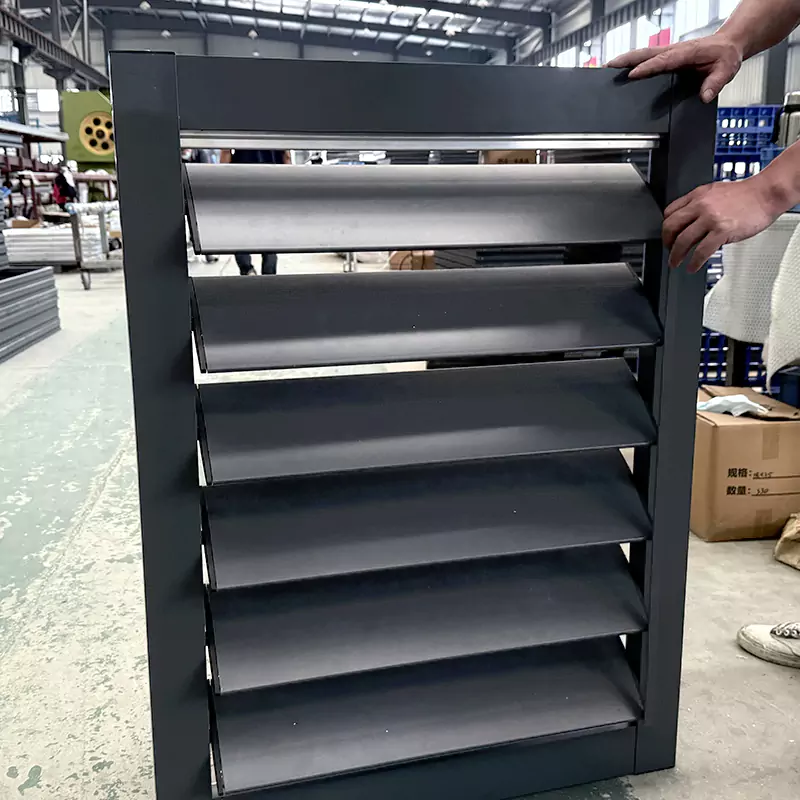
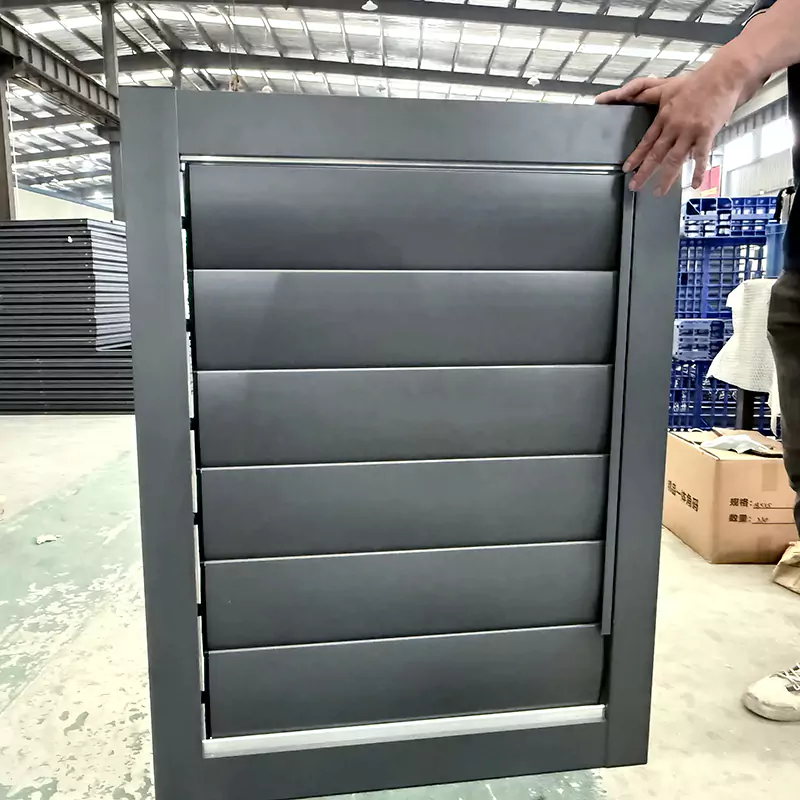
Hurricane Proof Jalousie Window
Jalousie windows are widely used in coastal homes, resorts, warehouses, and tropical residential buildings because they allow continuous airflow even when closed at an angle. The problem many building owners run into is simple: standard jalousie windows are not built to survive hurricane-force wind pressure or wind-borne debris impact. That is the exact gap a hurricane proof jalousie window is designed to close.
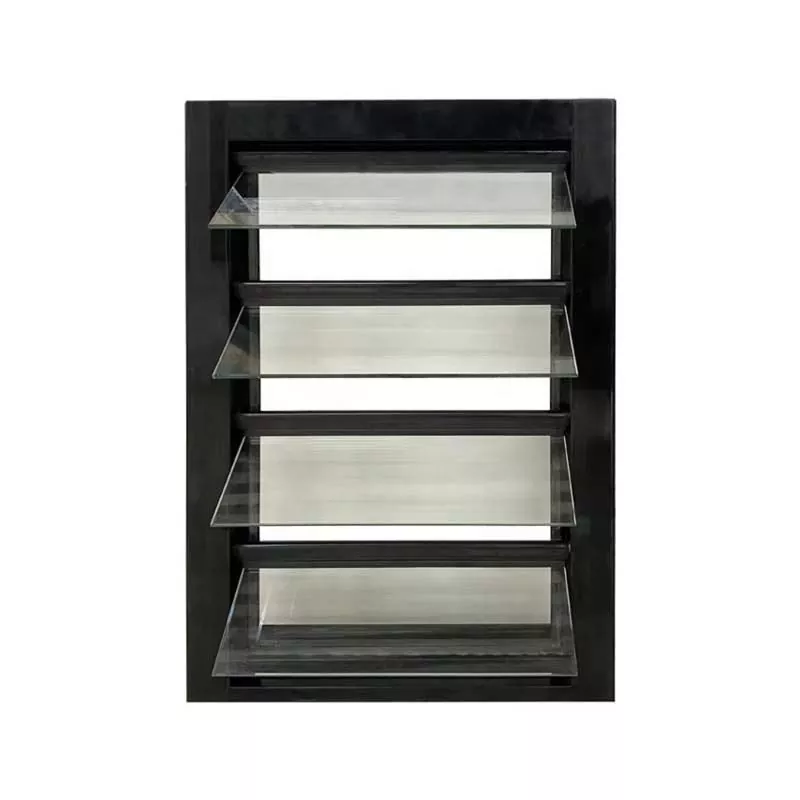
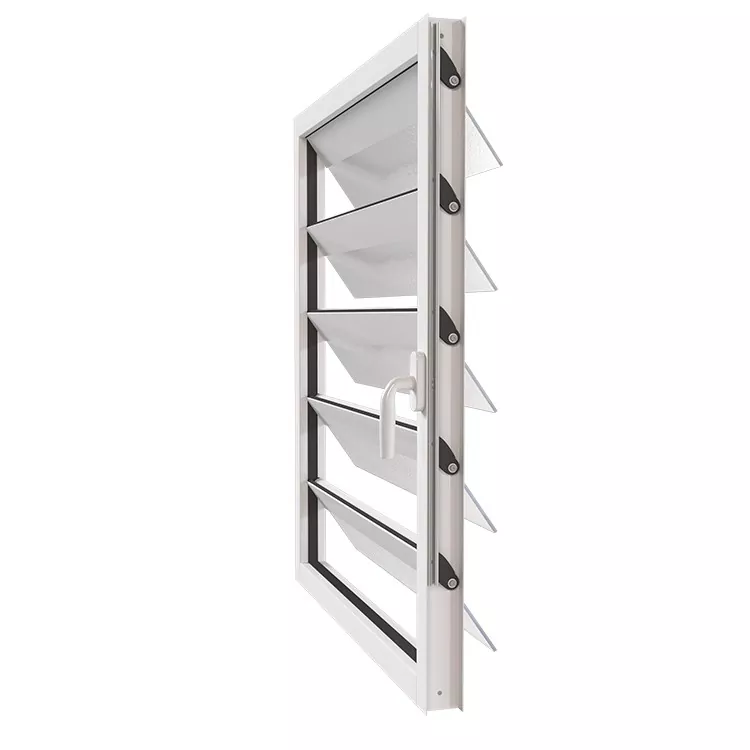
A hurricane proof jalousie window is built to hold up against storm-force wind pressure, wind-borne debris impact and water infiltration, while still giving the ventilation control that a standard jalousie window is known for. It keeps the ventilation function of a traditional louvre window while adding the structural strength, glass thickness, and locking mechanism needed to pass wind load and impact testing.
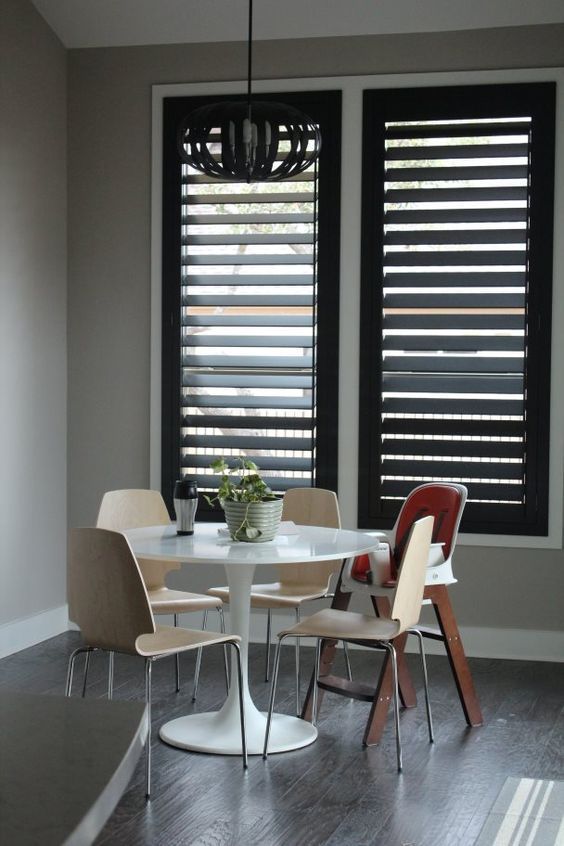
Vionta Metal is a China-based manufacturer specializing in aluminum jalousie window—including hurricane-resistant models—for the export market. As a direct supplier, we manages every stage of production in-house, including profile extrusion, surface finishing, glass processing, and assembly. This integrated approach ensures consistent product quality for large-volume orders and facilitates clear, seamless communication when project specifications require adjustments. Vionta Metal can provide the necessary documentation and factory information to support buyer evaluations.
What Makes a Jalousie Window "Hurricane Proof"
A regular jalousie window uses thin blades set into a light frame, which is fine for ventilation but performs poorly under storm conditions because the blades can flex, crack or blow out under pressure. A hurricane proof version changes three things: the frame is reinforced (usually 1.4mm–2.0mm extruded aluminum instead of thin roll-formed profiles), the blade thickness and clamping system are upgraded, and the whole assembly is tested against a recognized wind load and impact standard such as ASTM E1996/E1886, Florida Building Code (FBC), or Miami-Dade NOA (Notice of Acceptance) where required.
Wind Load and Impact Resistance
Hurricane proof jalousie windows are produced to meet wind load ratings and, depending on the region, missile impact requirements such as large and small debris impact testing. This normally means the glass blades are laminated or tempered to a thickness that will not shatter into sharp fragments on impact, and the aluminum frame profile is reinforced so it does not bow or twist under sustained wind pressure.
Water Penetration Control
One of the most common complaints about jalousie windows, even non-hurricane models, is water leaking through the blade gaps during heavy rain. On a hurricane version, the blade overlap, weatherstrip placement, and drainage slots in the frame are adjusted specifically to reduce this. It does not make the window fully sealed like a fixed pane, since ventilation is still the core function, but it significantly cuts down water intrusion compared to a standard louvre window.
Aluminum Blades vs Glass Blades: Which One to Choose
Both blade types are available on the same frame system, and the choice usually comes down to the project's climate exposure, budget, and local building code. Below is a side-by-side comparison based on common project requirements.
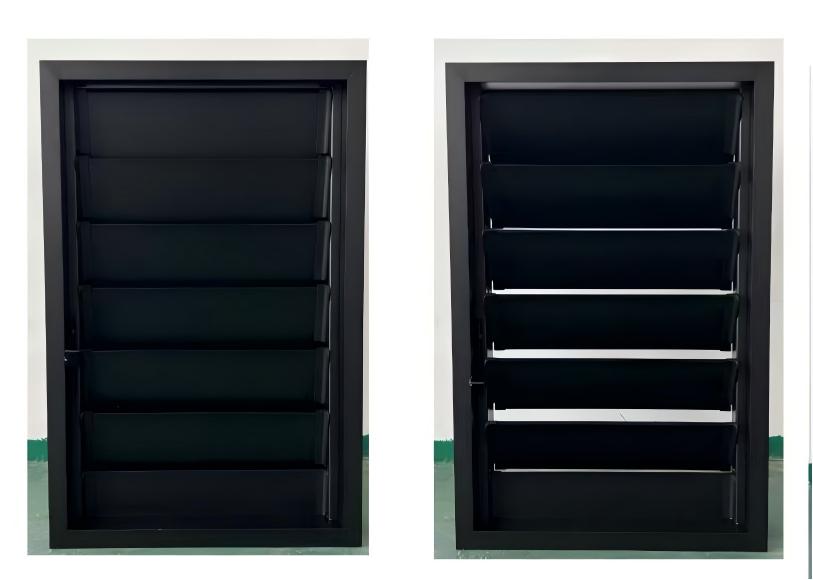
Aluminum Blade Jalousie Windows
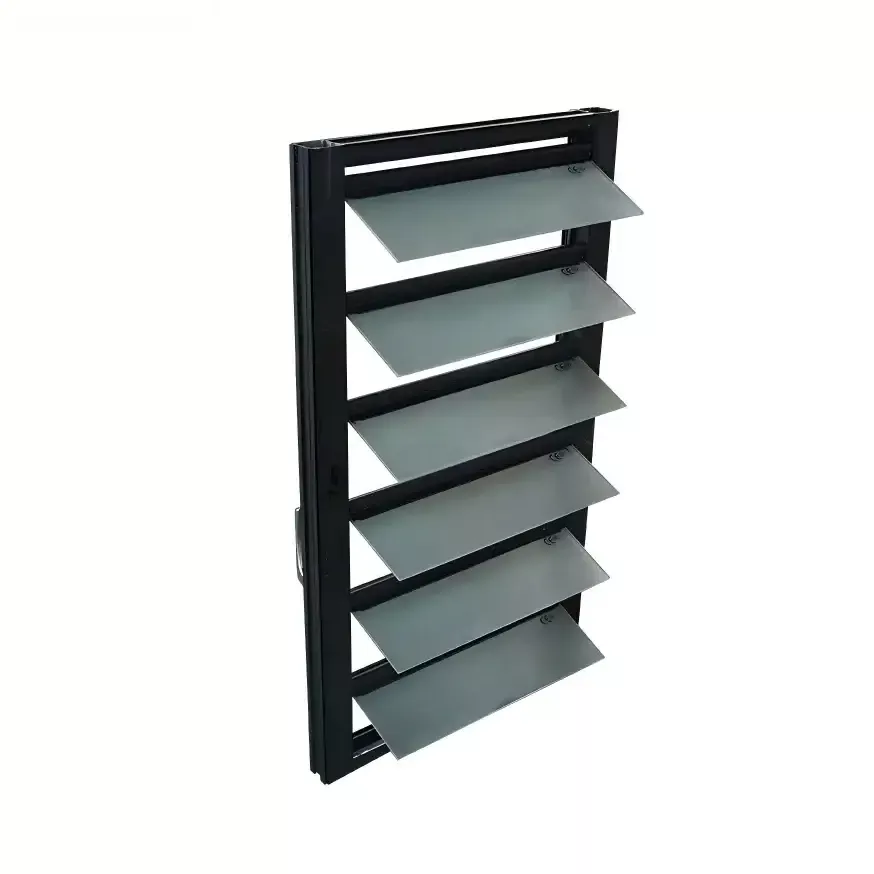
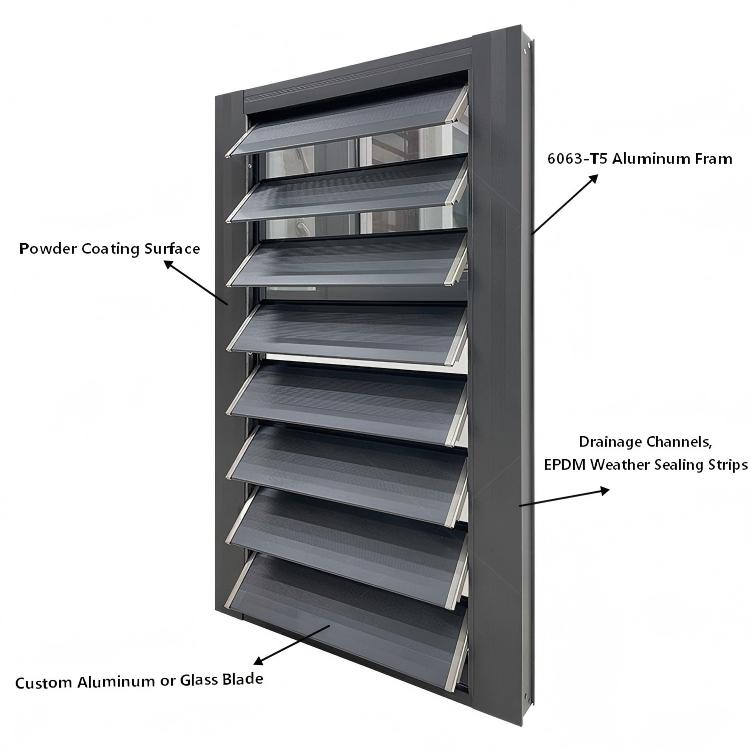
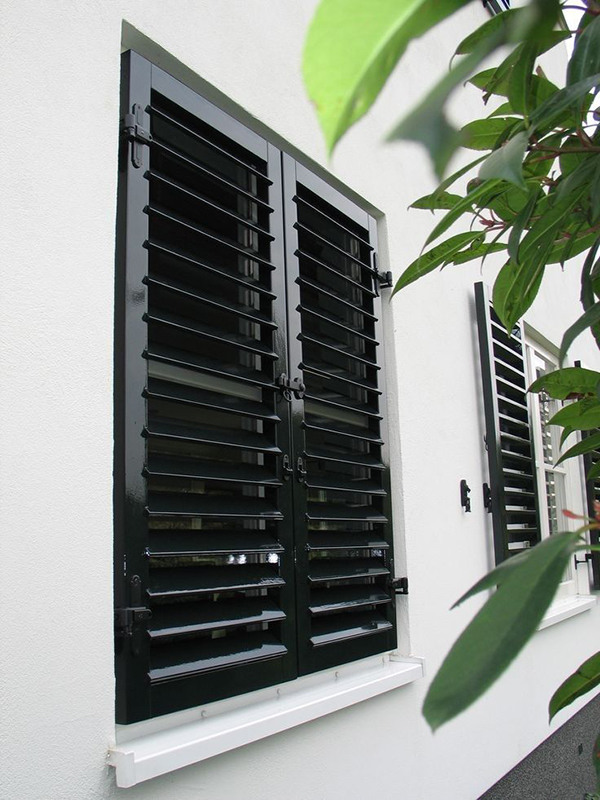
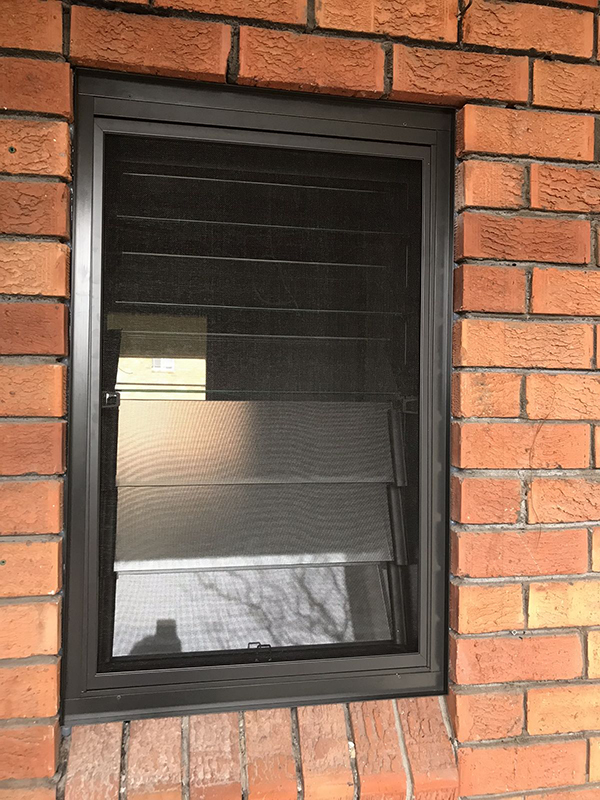
Aluminum blades are extruded or roll-formed, then finished with powder coating or an anodized layer. They are lighter than glass, which reduces stress on the gearbox and hinge points over years of operation. Aluminum blades do not shatter, so there is no flying-glass risk during a storm, and they hold up well in high-salinity coastal air once properly coated. The trade-off is that they block visibility and reduce natural light compared to glass, so they are more common on utility rooms, garages, stairwells, back-of-house hotel areas, and budget-driven residential projects.
Glass Blade Jalousie Windows
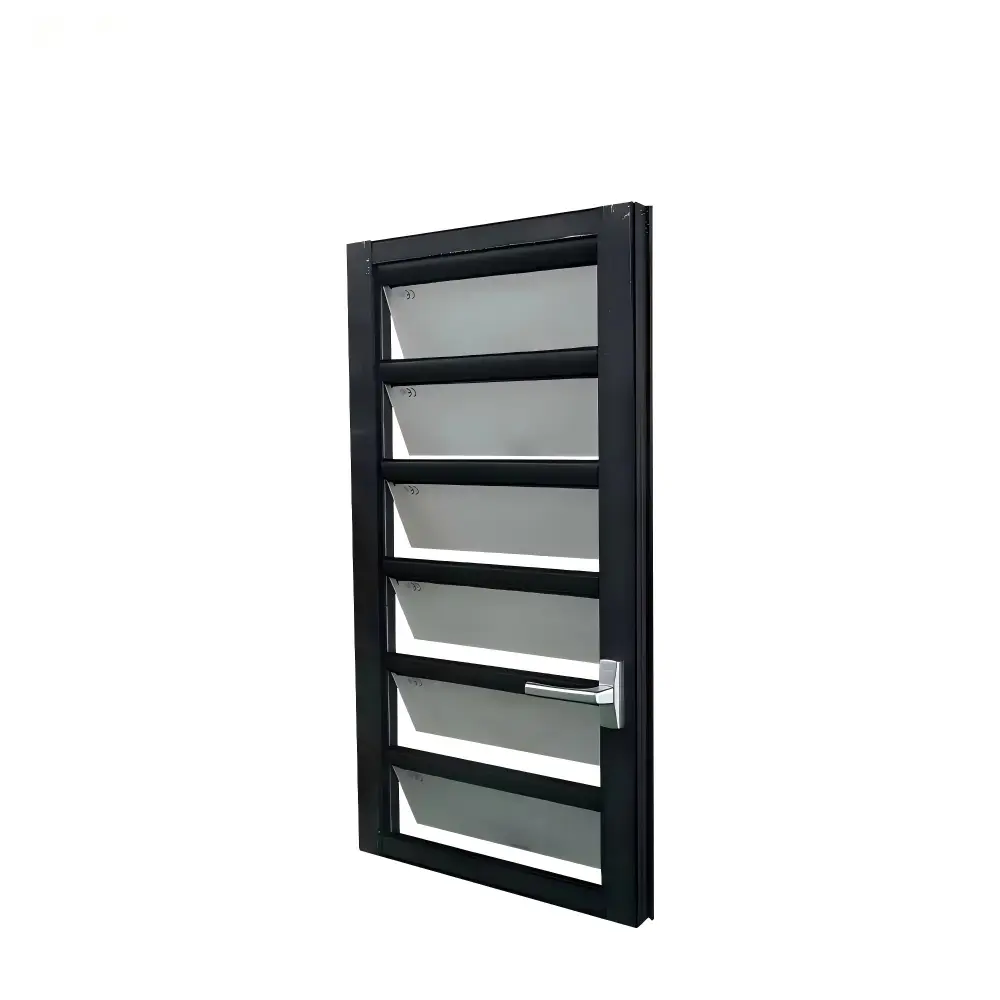
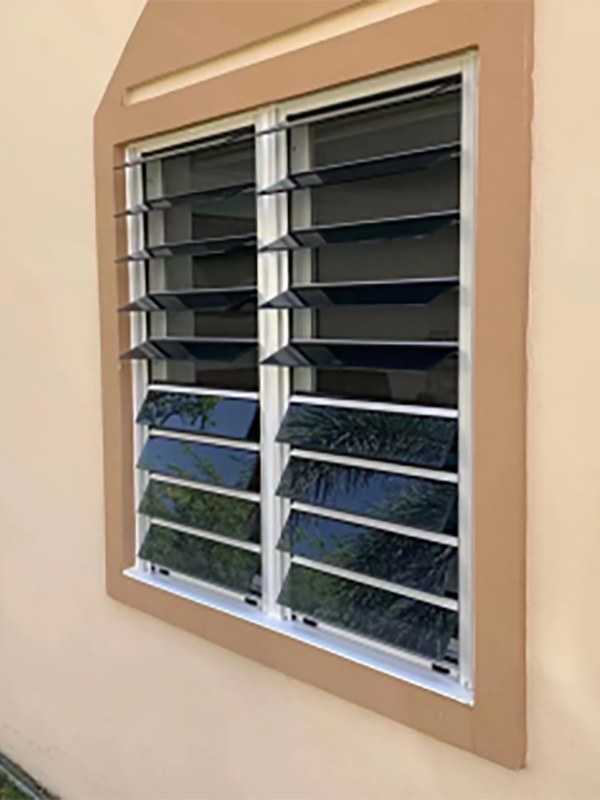
Glass blades are typically tempered or laminated safety glass, 4mm–6mm thick depending on wind load requirements, and they keep the natural light and outward view that most homeowners and hotel front-facing rooms want. Laminated glass with a PVB interlayer is the preferred option for hurricane-rated projects because even if the glass cracks under debris impact, it stays bonded to the interlayer instead of scattering. Glass blades cost more than aluminum and add weight to the frame and gear system, so the frame and operator hardware need to be rated accordingly — this is something a buyer should confirm with the factory rather than assume.
|
Comparison Point |
Aluminum Blade |
Glass Blade |
|
Weight |
Lighter, less load on hinges and gearbox |
Heavier, requires reinforced frame |
|
Light & Visibility |
Blocks view, reduces daylight |
Clear or frosted, keeps natural light |
|
Impact Behavior |
Bends or dents, does not shatter |
Tempered/laminated glass required for safety |
|
Typical Use |
Utility areas, garages, budget projects |
Living rooms, hotel guest rooms, street-facing façades |
|
Maintenance |
Occasional re-coating in harsh salt air |
Regular cleaning, check interlayer edge sealing |
|
Relative Cost |
Lower |
Higher, especially laminated glass |
Structural Specifications
Specifications below reflect a standard hurricane-rated production line; exact figures vary by order and are confirmed on the technical drawing before mass production.
|
Item |
Specification |
|
Frame Material |
6063-T5 extruded aluminum, 1.4mm–2.0mm wall thickness |
|
Blade Material |
Aluminum blade (standard) or tempered/laminated glass blade (optional) |
|
Blade Thickness |
Aluminum: 0.8mm–1.2mm; Glass: 4mm–6mm laminated |
|
Surface Finish |
Powder coating, anodizing, or wood-grain transfer |
|
Operator Hardware |
Stainless steel or zinc-alloy gear operator, sealed housing |
|
Wind Load Rating |
Up to 200 km/h (project-dependent, tested per ASTM/FBC) |
|
Water Infiltration |
Weatherstrip seal with drainage slots on frame base |
|
Standard Sizes |
Customized to drawing; common width 400mm–900mm |
|
Color Options |
White, bronze, black, custom RAL color on request |
|
Certification |
ASTM E1996/E1886, Florida Building Code, Miami-Dade NOA (on request) |
Problems Buyers Usually Want Solved Before Ordering
1. Can aluminum jalousie windows keep out heavy rain?
Yes. When fully closed, aluminum jalousie windows provide effective rain protection through overlapping aluminum blades, drainage channels, and EPDM weather seals.
For projects with strict requirements, the system can be tested according to standards such as AS 2047 and ASTM for air and water tightness performance.
2. Can aluminum louvers be removed from outside?
No. The louvers are securely fixed to the frame and operating system, making them difficult to remove from the exterior when locked.
Additional security options, including concealed locks, anti-lift designs, and security mesh, are available for projects requiring enhanced protection.
3. Why choose aluminum louvers instead of glass louvers?
Aluminum louvers provide better sun protection, privacy, and impact resistance compared with glass blades.
They offer 100% shading when closed, require less maintenance, and are more suitable for hot climates, coastal areas, and outdoor applications.
4. Will the manual operation system become stiff over time?
No. The system uses corrosion-resistant aluminum linkages, stainless steel gears, and durable operating components for smooth operation.
The mechanism can be tested for more than 10,000 opening and closing cycles to ensure long-term reliability.
Manufacturing and Supply from China
Vionta Metal is a China-based manufacturer and supplier of aluminum window and door systems, including hurricane-rated jalousie windows for export markets in North America, the Caribbean, Australia and Southeast Asia. As a factory rather than a trading company, production covers aluminum extrusion, surface finishing, glass processing, and final assembly under one roof, which shortens lead time and keeps quality control consistent from raw material to finished unit.
OEM and ODM orders are accepted, including custom frame colors, blade material selection, hardware branding, and packaging requirements for container loading. Sample confirmation and third-party inspection before shipment are available for buyers who require them as part of their procurement process.
Where This Window Is Used
This type of window is mostly requested for buildings located in hurricane and typhoon prone regions, including the Caribbean, Florida and the Gulf Coast, Southeast Asia, and parts of the Pacific. Common project types include beachfront villas, low-rise apartment buildings, hotels and resorts, garages, laundry rooms, and utility buildings where ventilation is needed year round but storm protection cannot be skipped. Contractors also use it in renovation projects to replace older jalousie windows that failed during a previous storm season.
Get a Quotation Now
For project-specific pricing, technical drawings, or test report copies for the Hurricane Proof Jalousie Window, Contact Vionta Metal directly with your wind zone requirement, preferred blade material, and order quantity. Sample windows and customized specifications can be arranged for qualified buyers before committing to a full container order.
Hot Tags: Hurricane Proof Jalousie Window, China, Manufacturer, Supplier, Factory
Send Inquiry
Contact Info
-
Address
No. 26, Lane 293, Cilong East Road, Longshan Town, Cixi City, Ningbo City, Zhejiang Province, China
-
Tel
-
E-mail
For inquiries about Metal Railing, Aluminium Pergola, Aluminium Awning or price list, please leave your email to us and we will be in touch within 24 hours.